Punset
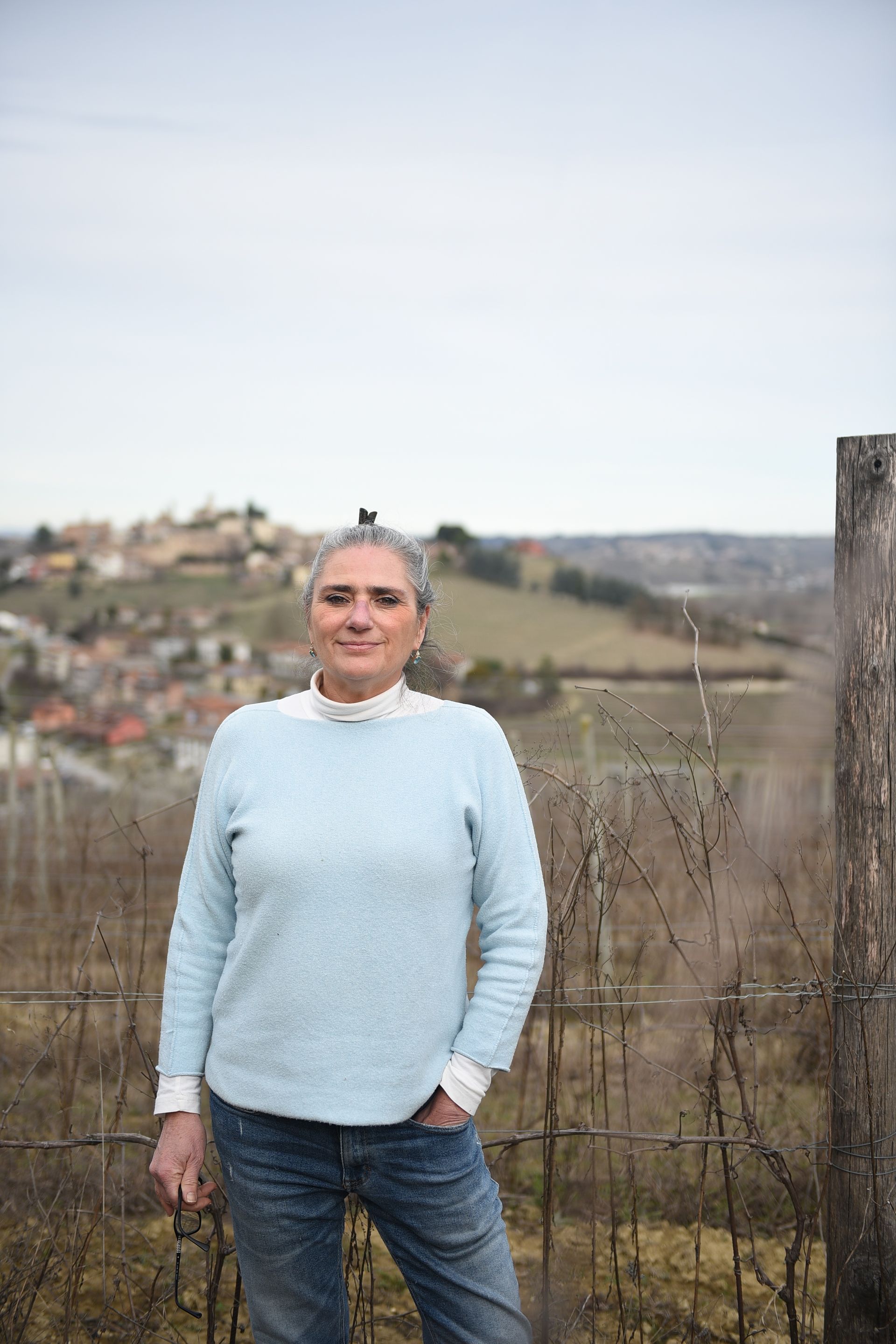
Marina Marcarino
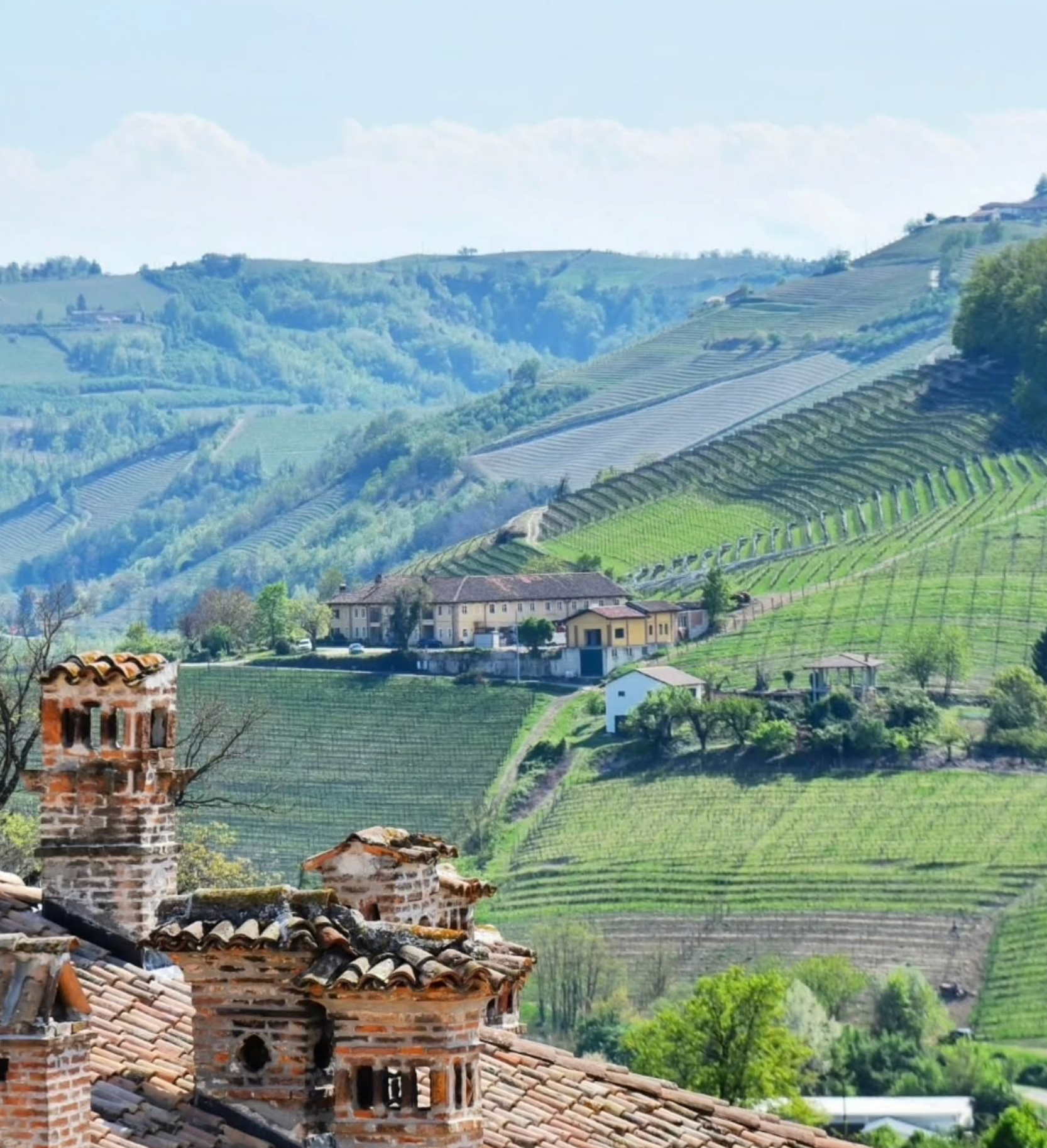
Barbaresco + Langhe, Piemonte, Italy
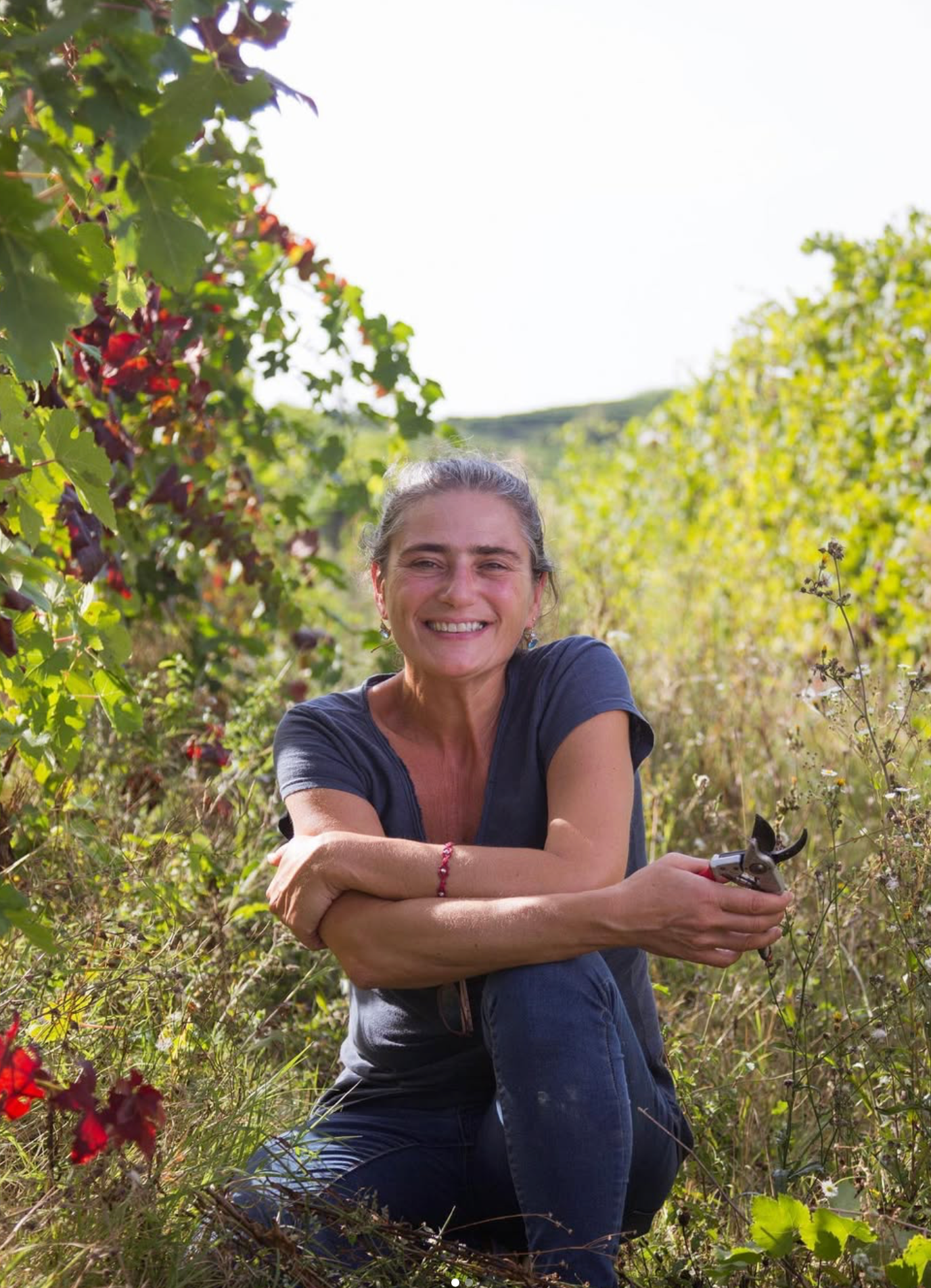
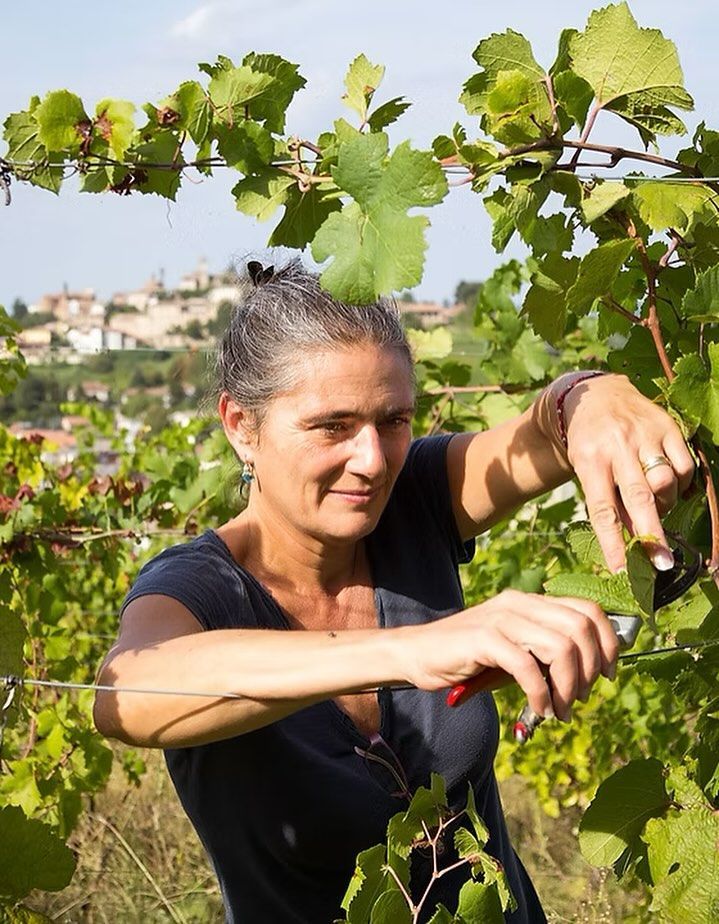
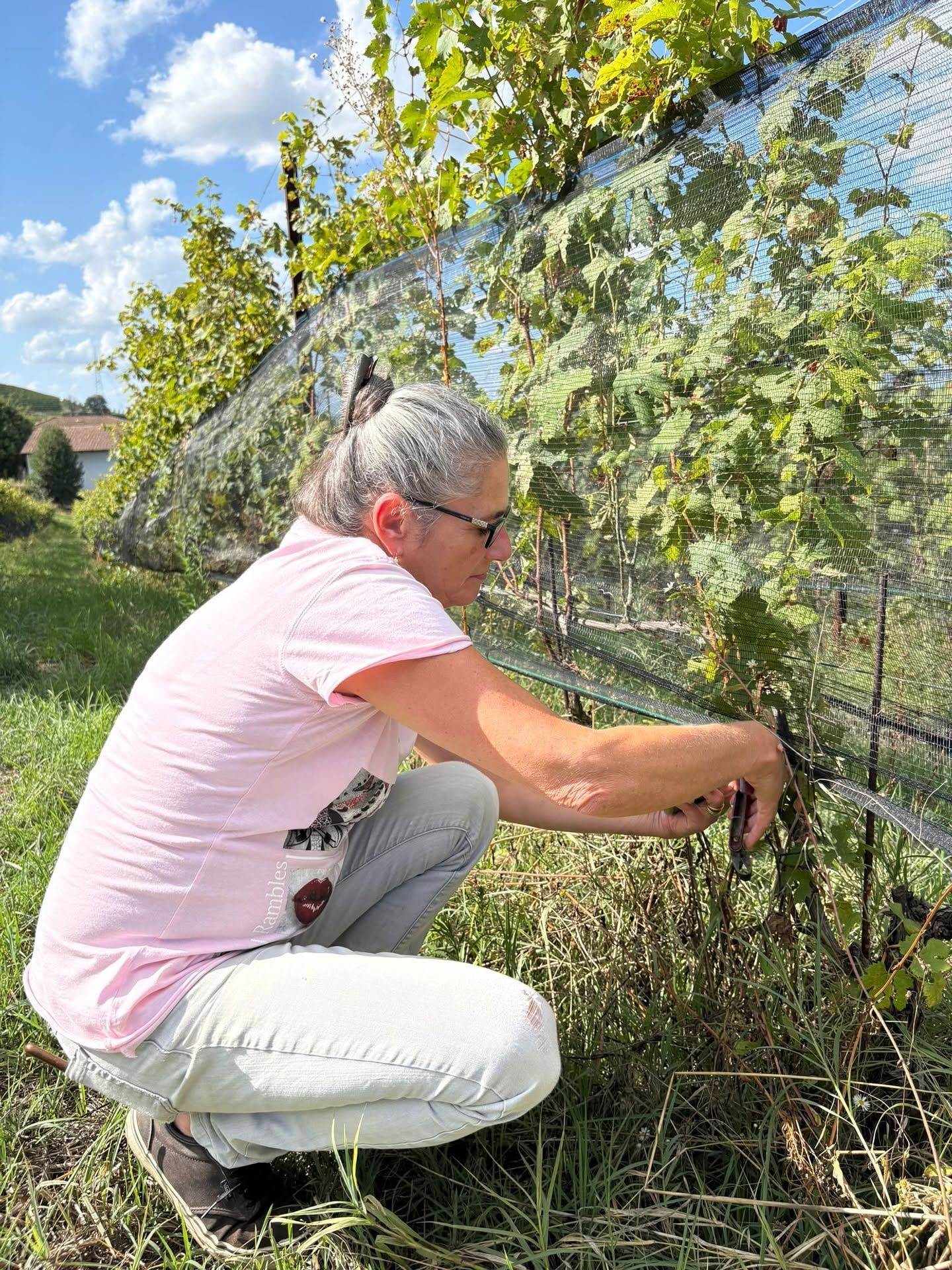
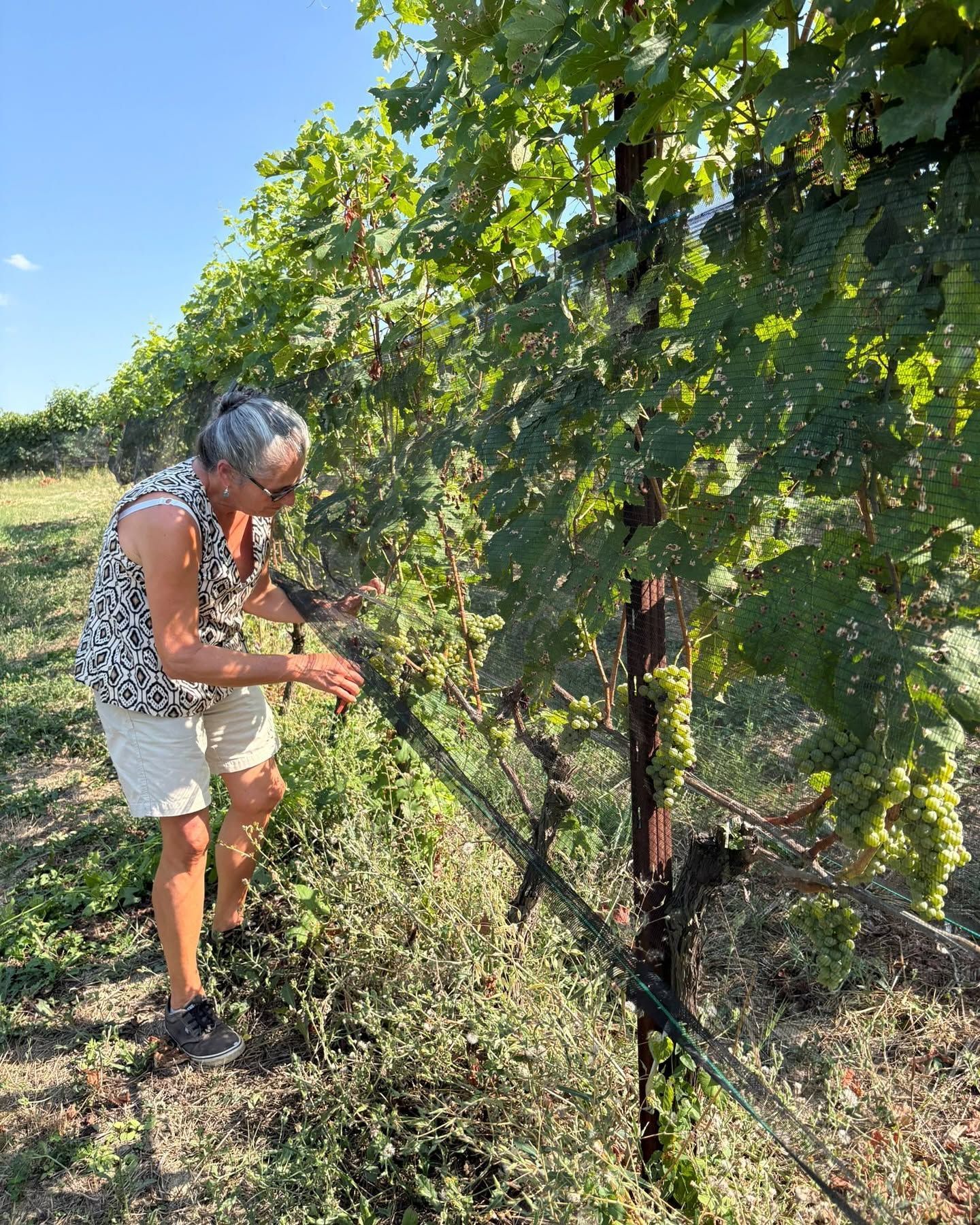
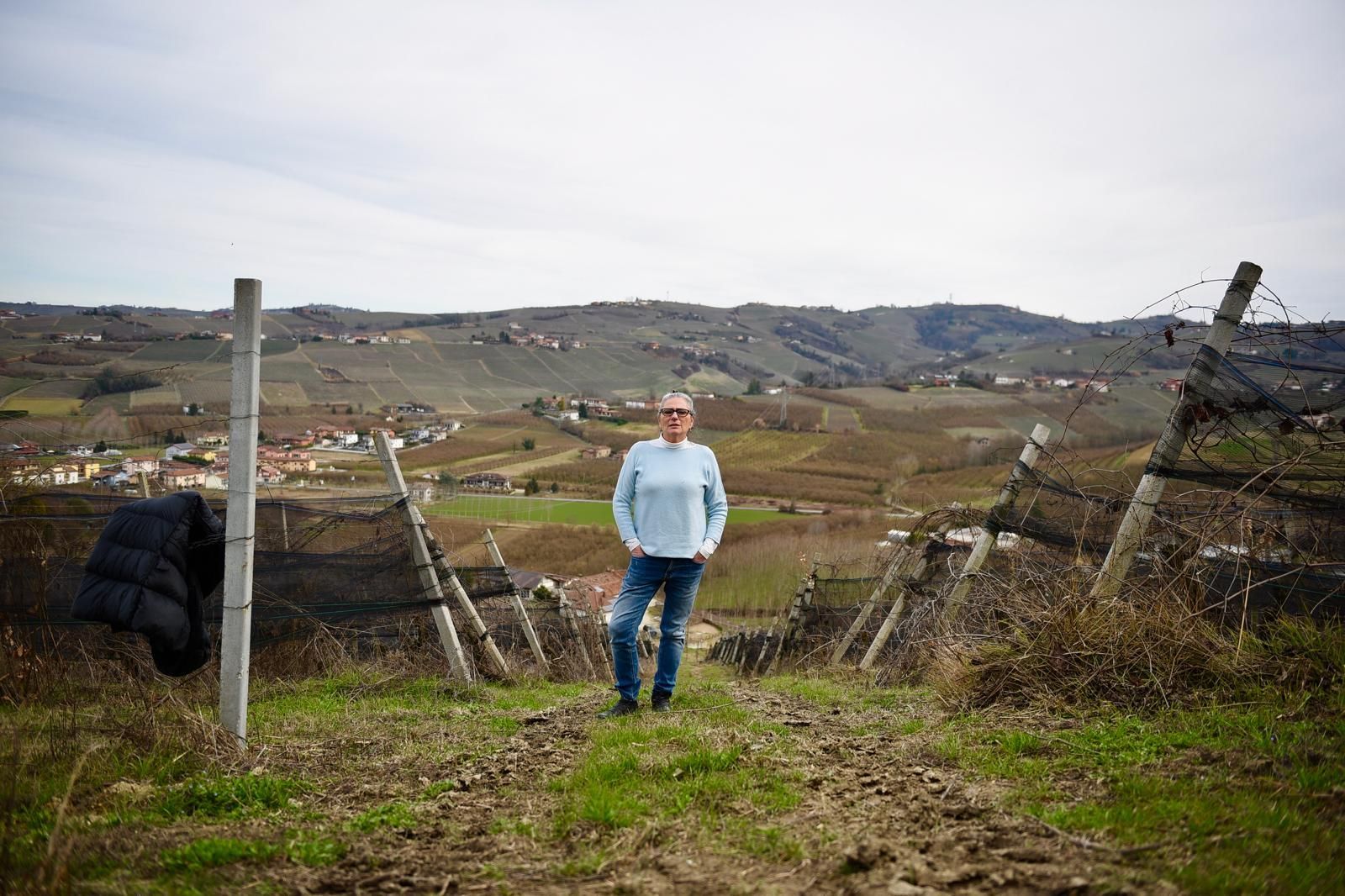
When Marina Marcarino took over her family's 17-hectare estate in Neive in the early 1980s, she started with two things: a deep love for farming and a remarkable willingness to ignore conventional wisdom. Her family had owned the property for generations, but wine had always been a secondary activity. Marina saw something more.
She grew up among a lineage of energetic women. Her grandmother, who looked after both the farm and the family, was her superhero. While others dreamed of city careers, Marina spent her childhood in the vineyards, following her grandmother through the rows and learning that a life working the land could be a beautiful one. By the time she was in her twenties, she knew exactly what she wanted to become: a farmer.
Organic farming was not something Marina arrived at later. It was her very first decision when she took over the estate in 1982. Today, that sounds visionary. In Barbaresco, then, it was considered madness. At the time, virtually nobody in Piemonte was farming organically, and Marina could not understand why she should poison herself, her workers, the animals living among the vines, or the land itself. The first organic harvest was lost entirely. For many growers, that would have been enough to abandon the experiment. But with the passion Marina possesses, discouragement has never seemed a likely outcome.
Many assumed the young woman running vineyards and making wine on her own would soon give up. Instead, she doubled down. For decades, she carried the nickname La Pazza ("the crazy one"). At the time, she was the only woman in the area managing vineyards and making wine, and plenty of people doubted she would make it.
Yet time has a funny way of settling arguments. Today, Punset is considered one of the pioneering estates of organic winegrowing in Piemonte and a point of reference for the village of Neive and the wider Langhe. The practices that once earned Marina ridicule are now widely adopted throughout the region. A strict believer in certification and accountability, long before sustainability became fashionable, Marina was already living it.
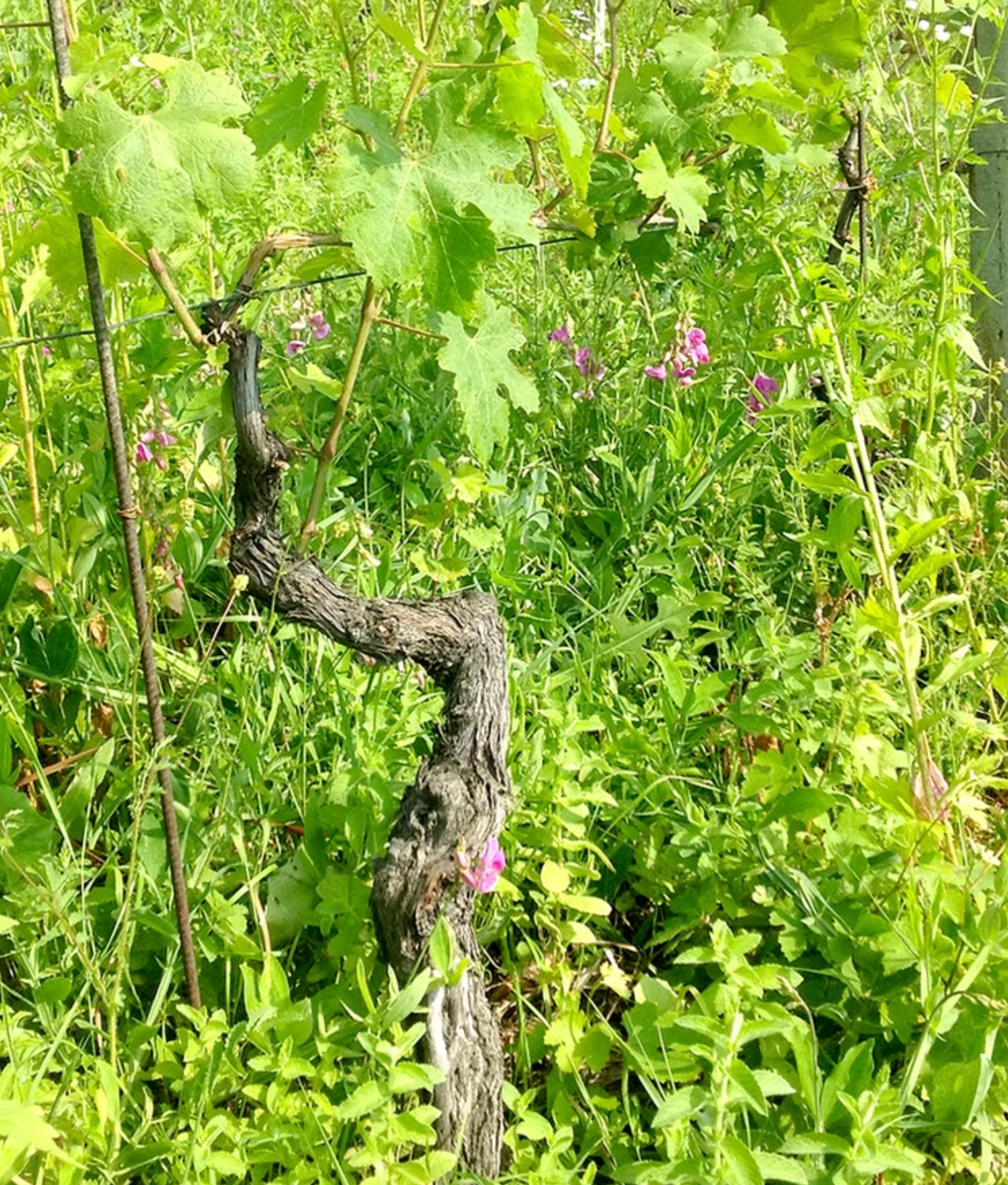
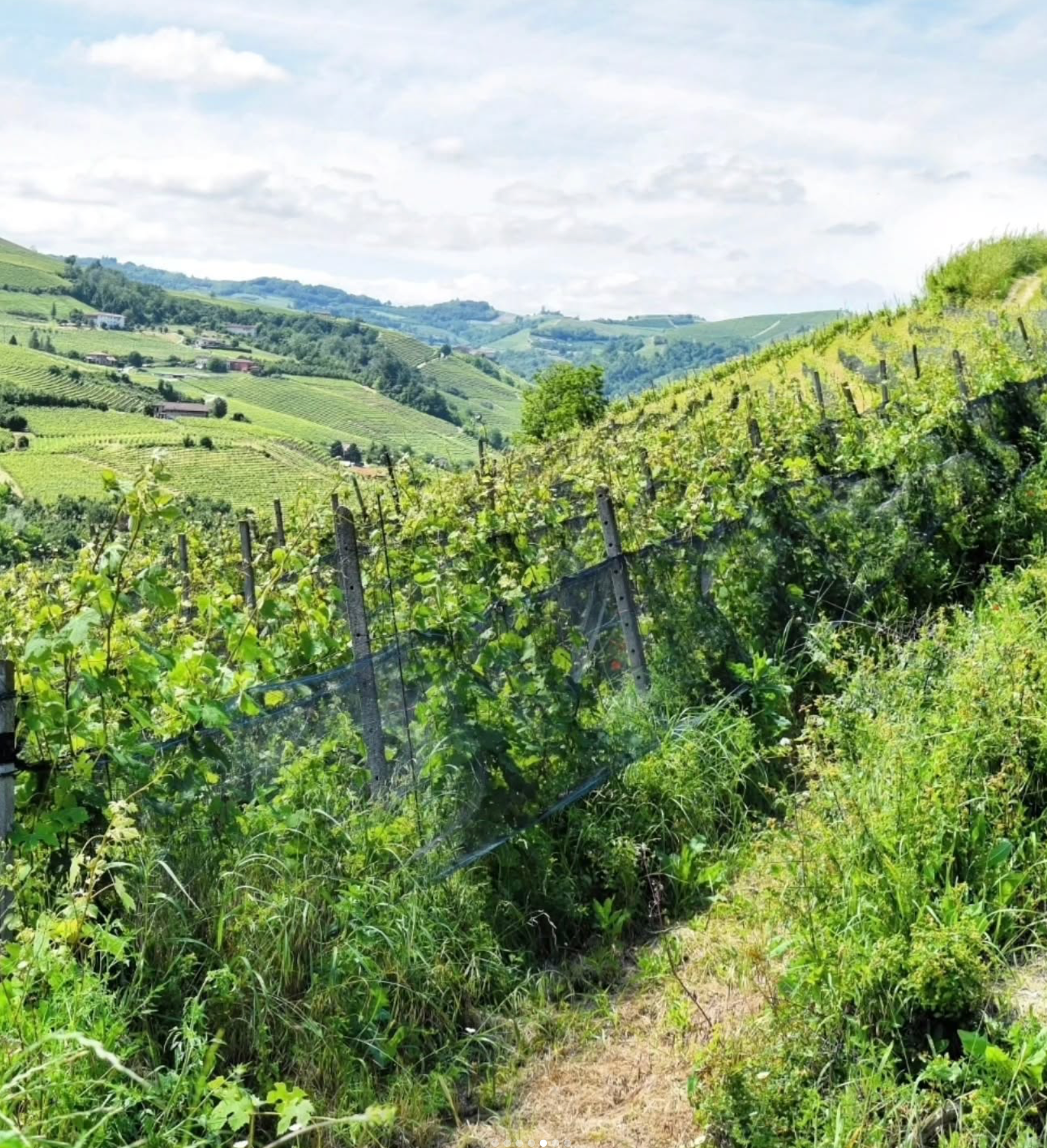
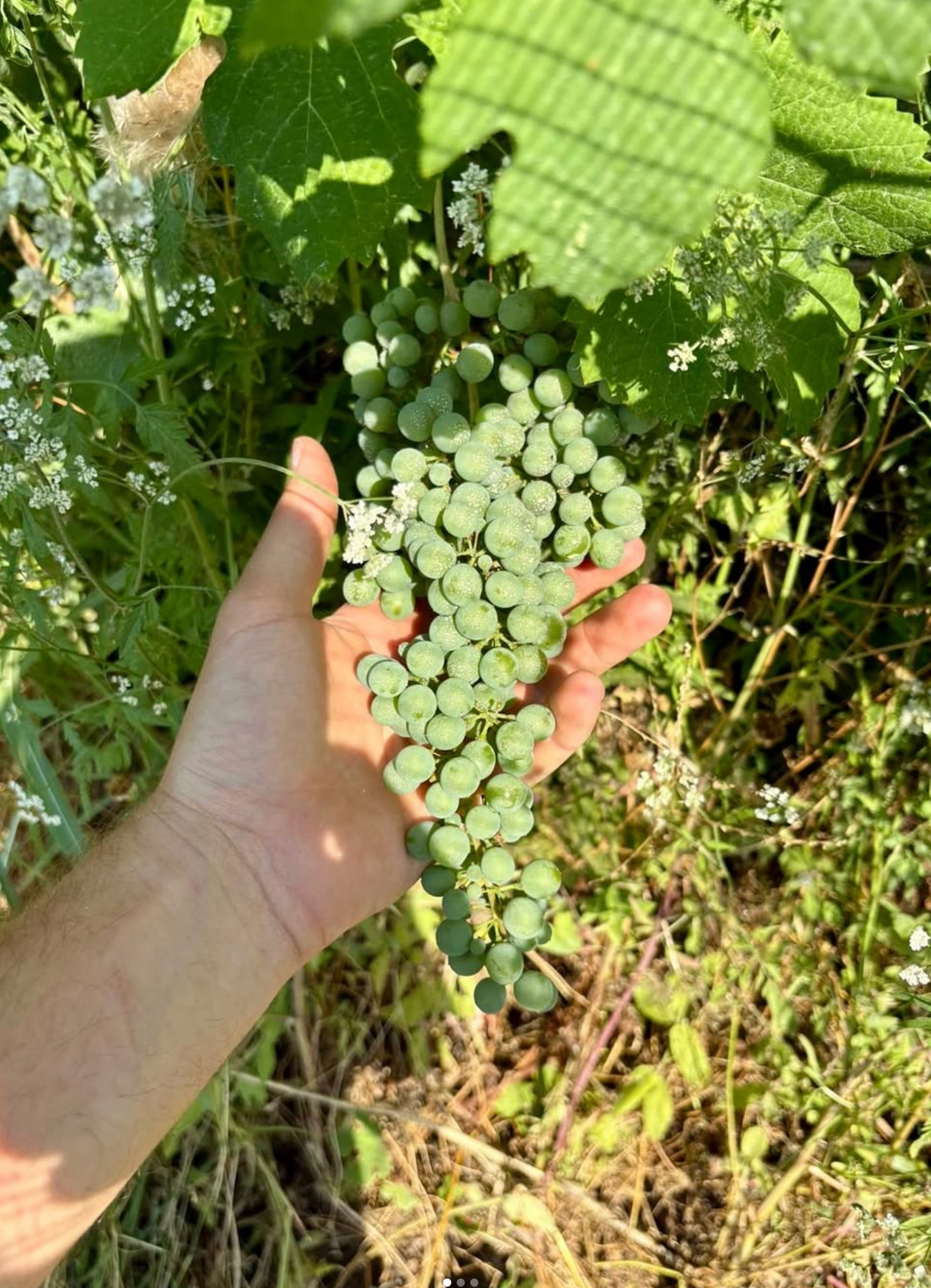
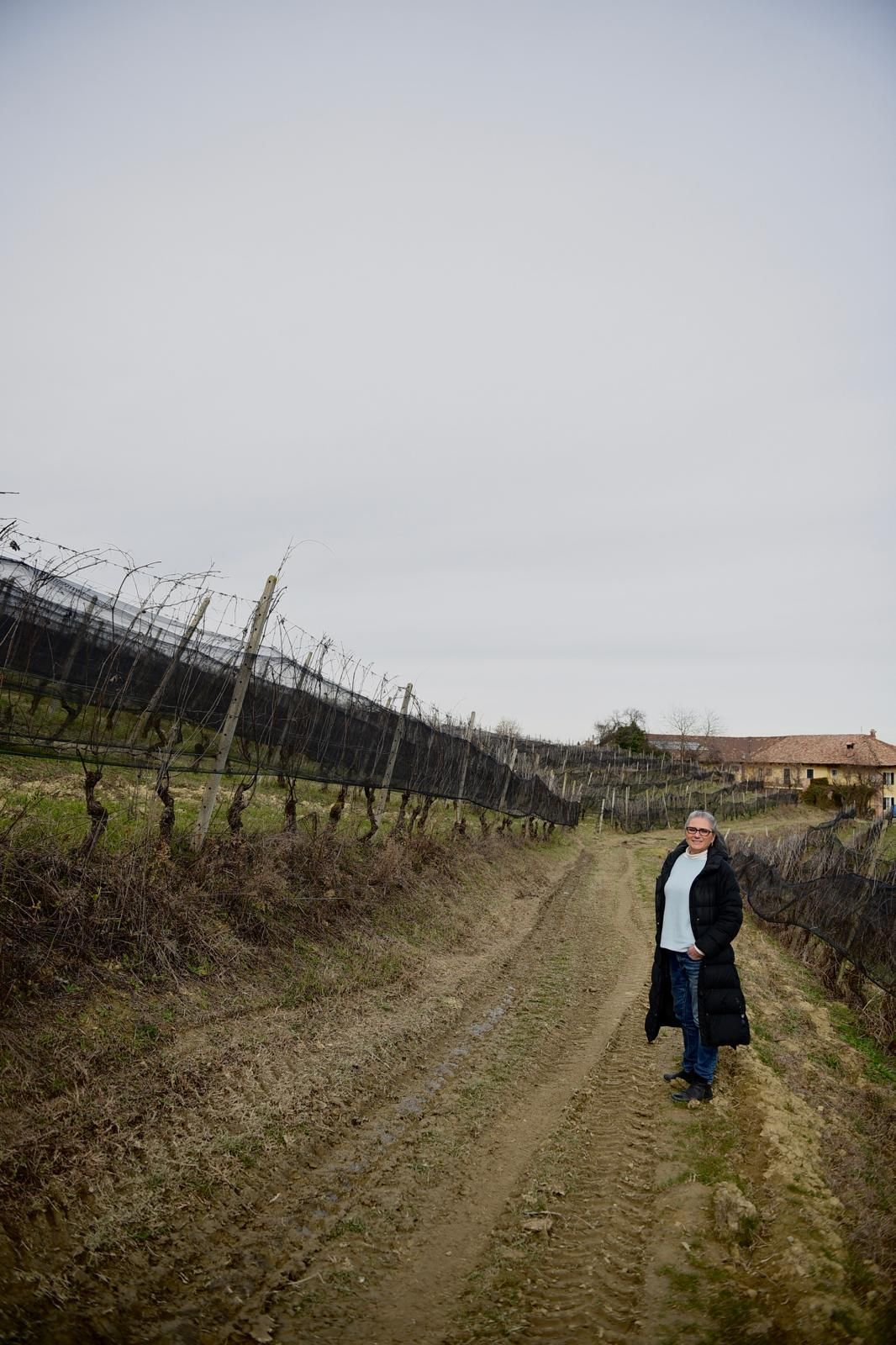
Of course, she never stopped there. Biodynamic farming followed in 1990. Later came the influence of Masanobu Fukuoka and an even gentler approach to agriculture, one focused not on controlling nature but collaborating with it. The soils have grown richer and softer. Biodiversity has flourished. Birds, butterflies, and countless other species have returned. You can often see the difference simply by standing at the edge of one of Punset's vineyards and looking across the fence line.
The same philosophy extends into the cellar. Fermentations are spontaneous, powered by indigenous yeasts. The wines are never fined and only lightly filtered when necessary. In fact, Marina uses a gentle paper filtration only for the white wines because, as she likes to say, she simply dislikes cloudy whites. Intervention is kept to a minimum, though never at the expense of precision.
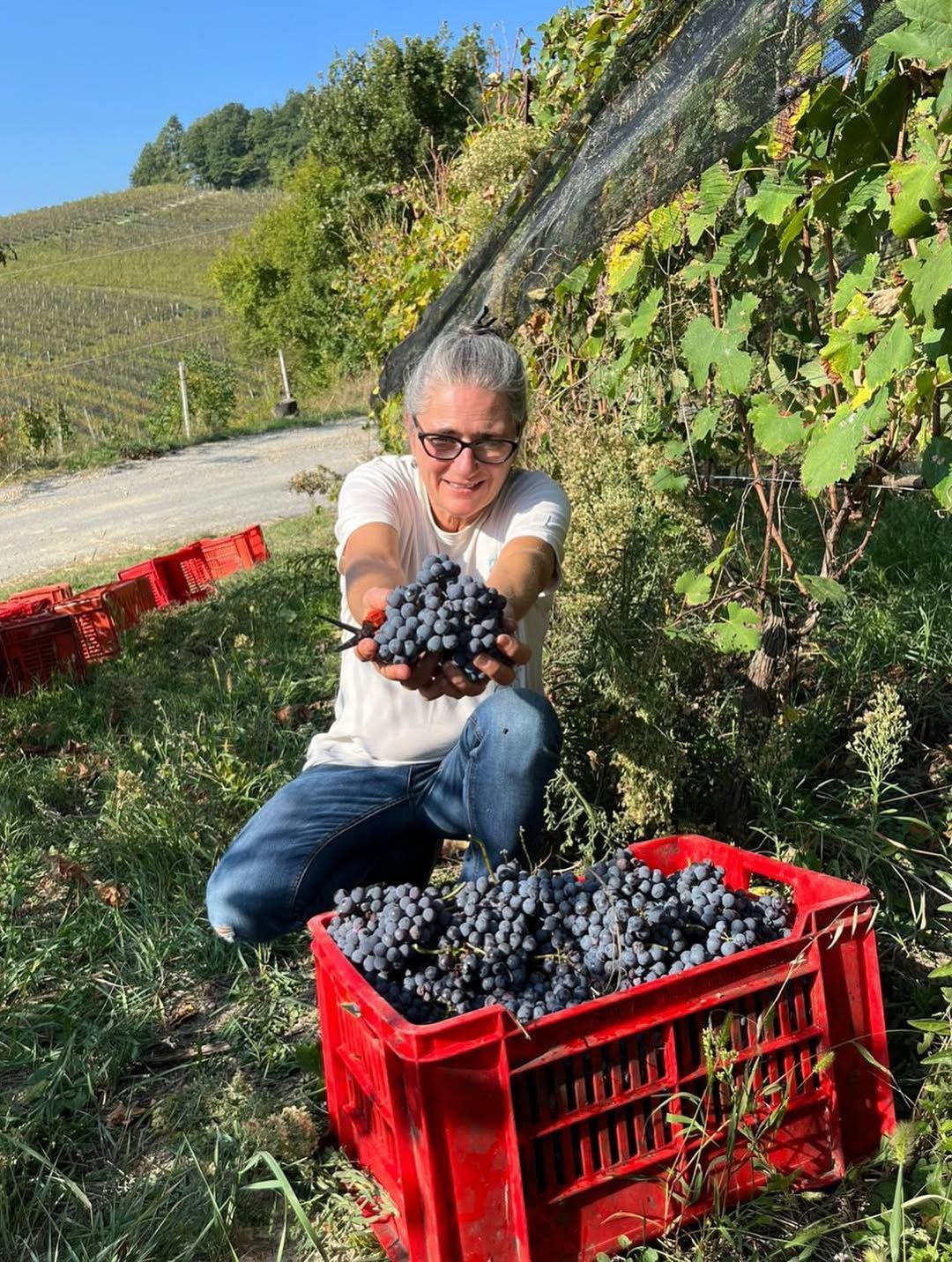
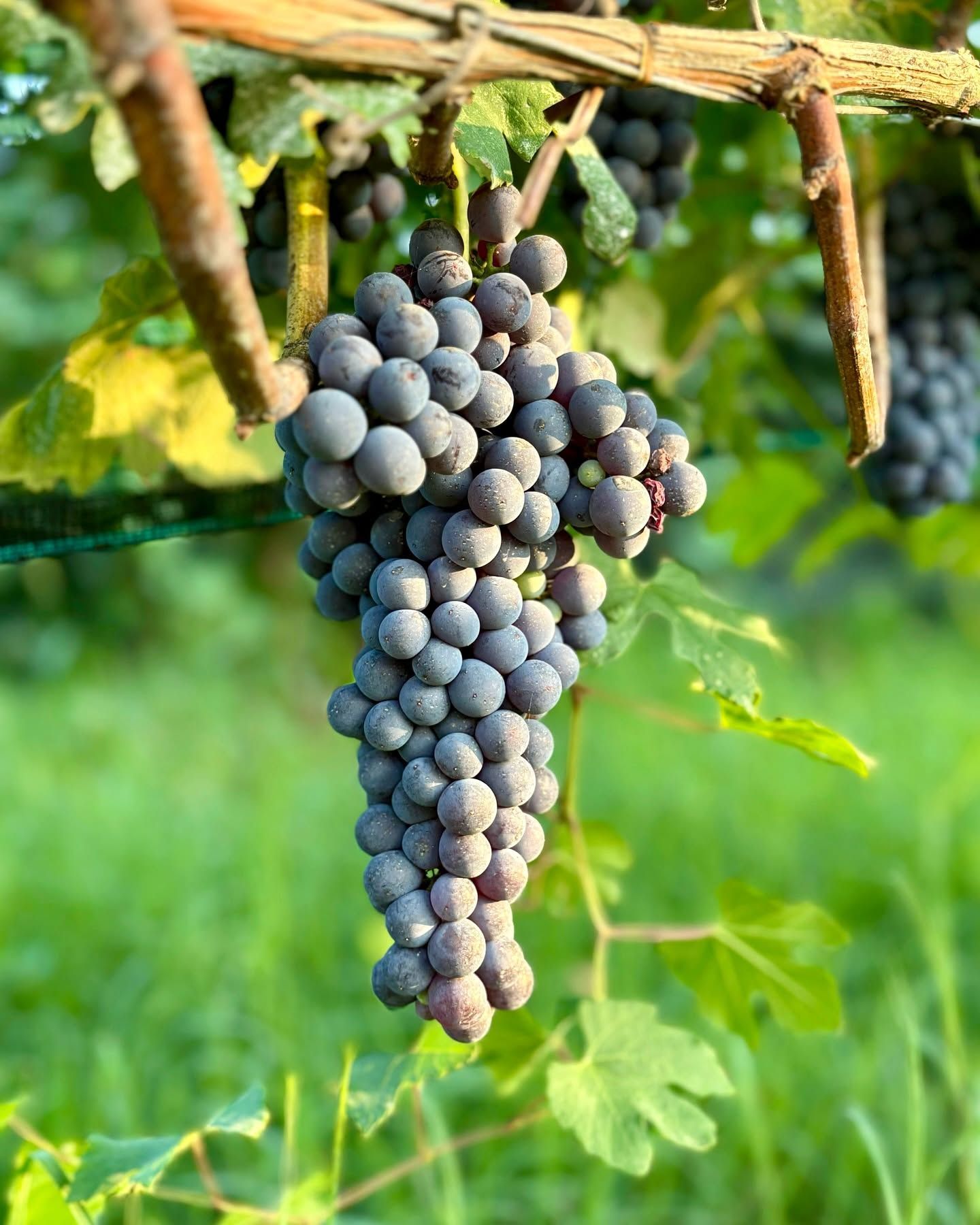
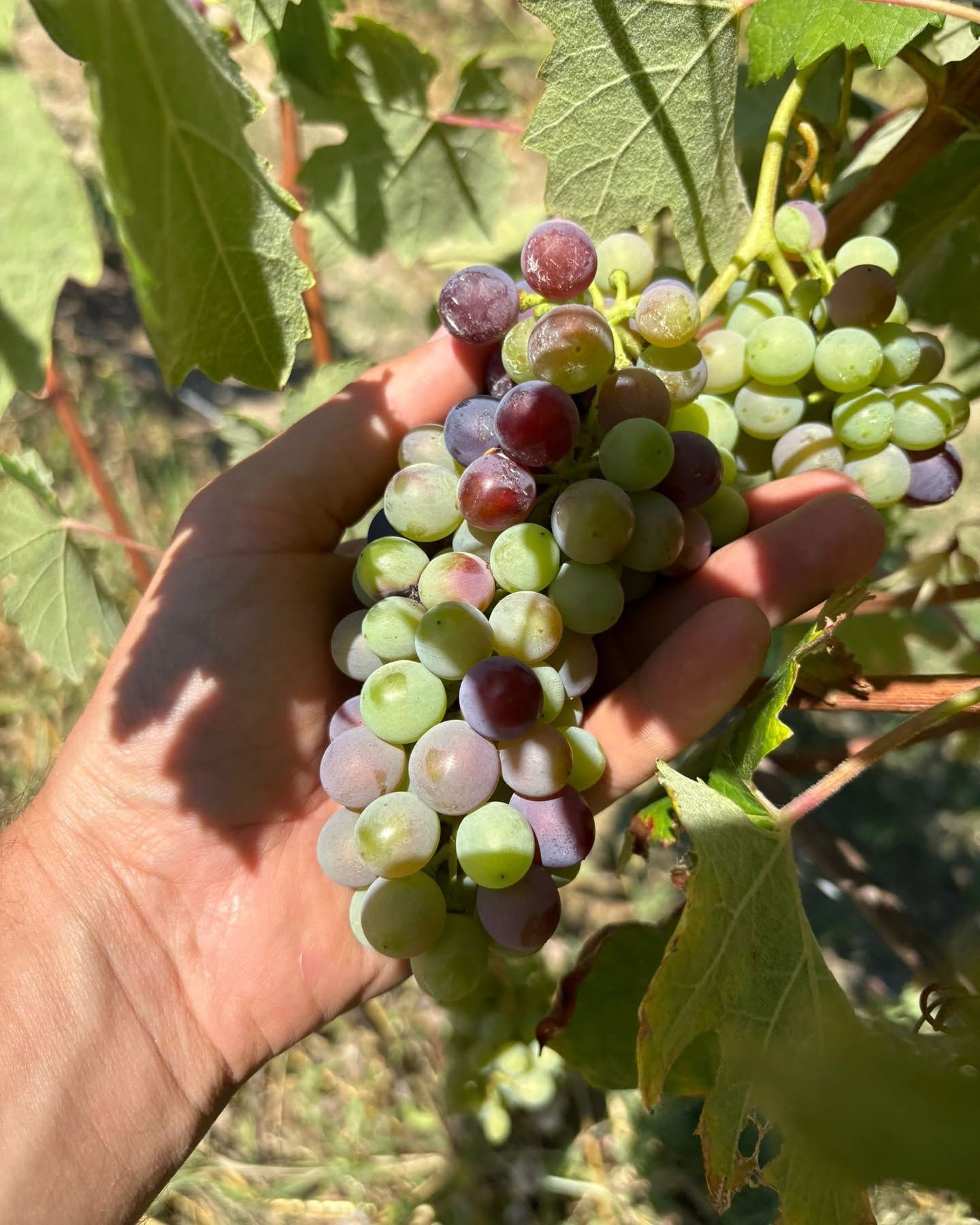
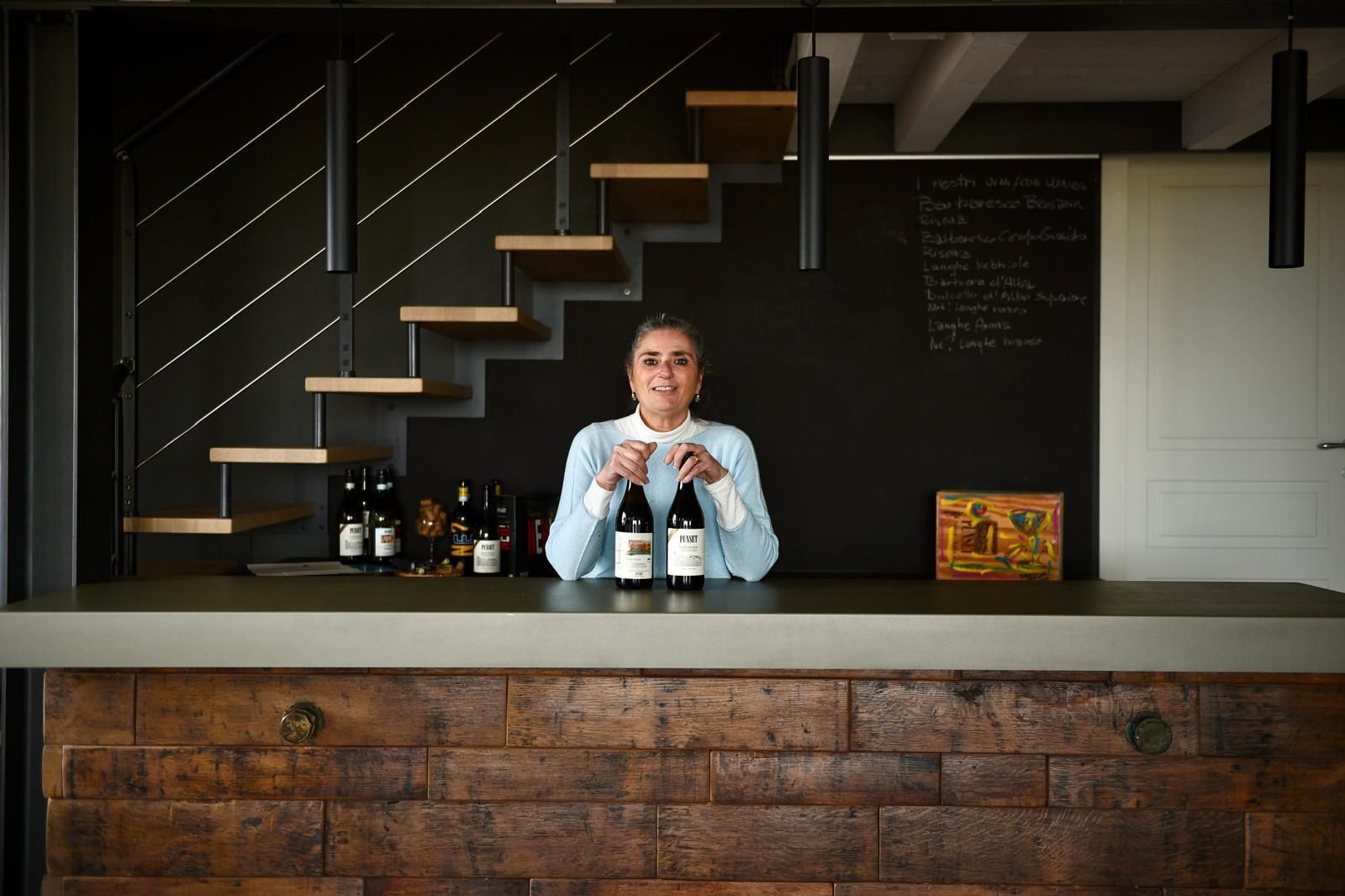
Marina works exclusively with Piedmont's native varieties: Nebbiolo, Barbera, Dolcetto, Arneis, and Nascetta. Nowhere is her philosophy more evident than in her Barbarescos. She has never believed Nebbiolo should be rushed into the world. To Marina, Nebbiolo is not an easy grape. It takes time to understand. She does not believe it should be the customer's responsibility to buy a bottle and wait years for it to become expressive. That is her job.
As a result, Punset has become famous for its beautiful library releases. Marina prefers to hold her Barbarescos back until they are ready to be understood, while still retaining enormous ageing potential. These are not wines at the end of their lives. Properly cellared, they can continue evolving for fifteen, twenty, even thirty years. They are simply released at the point where they already have something meaningful to say.
Which leads me to my ultimate point. Punset's wines are not compelling because they are organic, biodynamic, or natural, or because Marina was doing all of those things before most people had heard of them. They are compelling because they are beautiful. Because they speak clearly of Neive. Because they reward patience. Because they seem to offer something new every time you return to the glass.
It is hard not to feel a certain admiration for that approach. Long before the rest of Barbaresco caught up, Marina was quietly following her own path. Today Punset stands as one of the great reference points for organic farming in Piemonte and one of the village of Neive's most important estates. These are wines that feel alive, thoughtful, and deeply rooted in their place. The sort of wines that remind you why you fell in love with wine in the first place.

Wines by this Producer
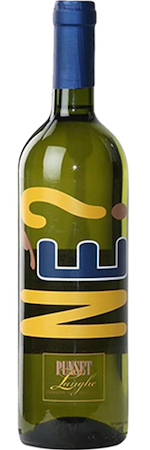
2024 Langhe Bianco DOC Nè?
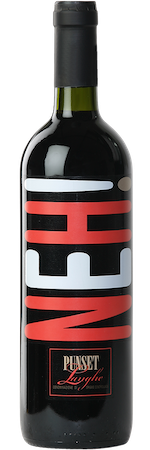
2022 Langhe Rosso DOC Neh!
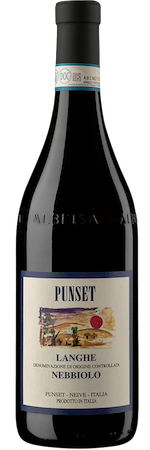
2023 Langhe Nebbiolo DOC
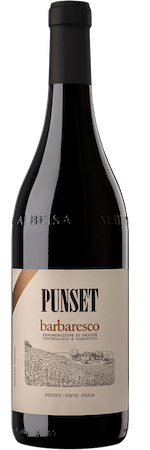
2018 Barbaresco DOCG Basarin Riserva
2014 Barbaresco DOCG Basarin Riserva MAGNUM
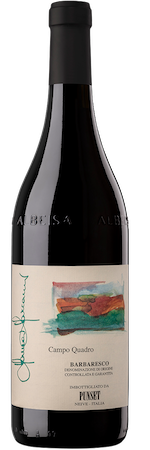
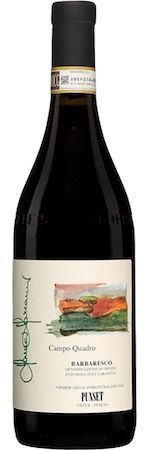
2016 Barbaresco DOCG Campo Quadro Riserva