Château de Thésée
Chenonceaux Touraine, Loire Valley
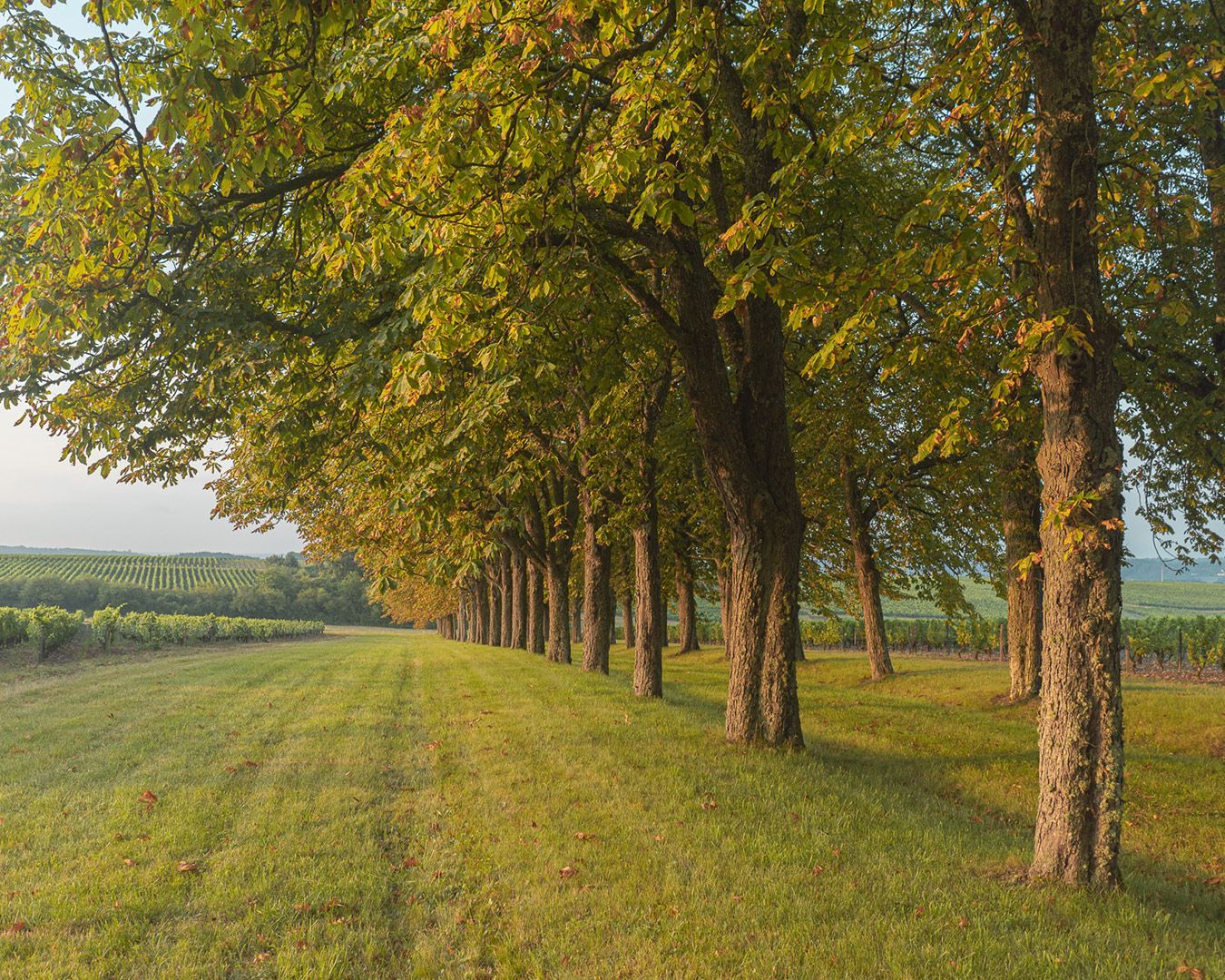
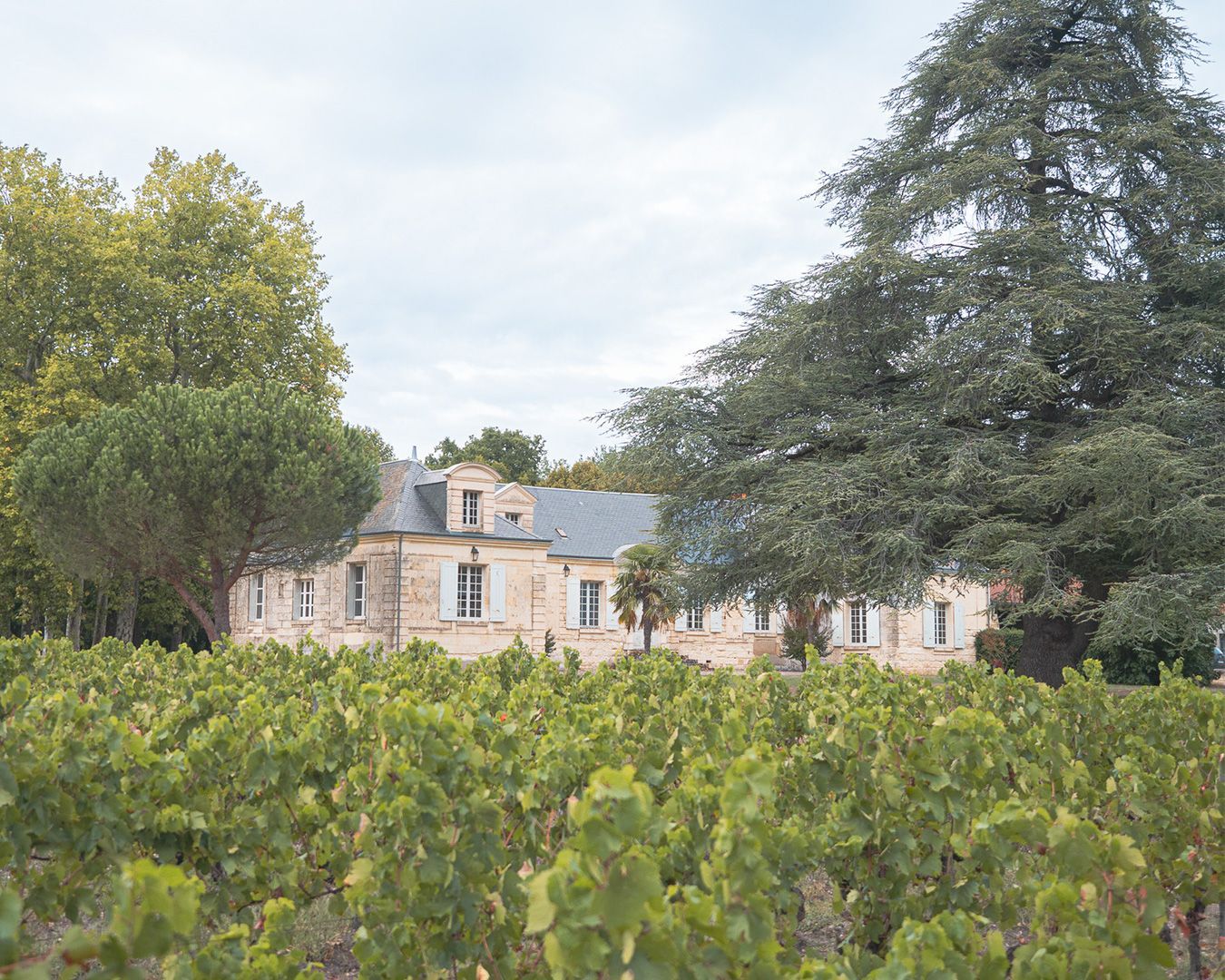
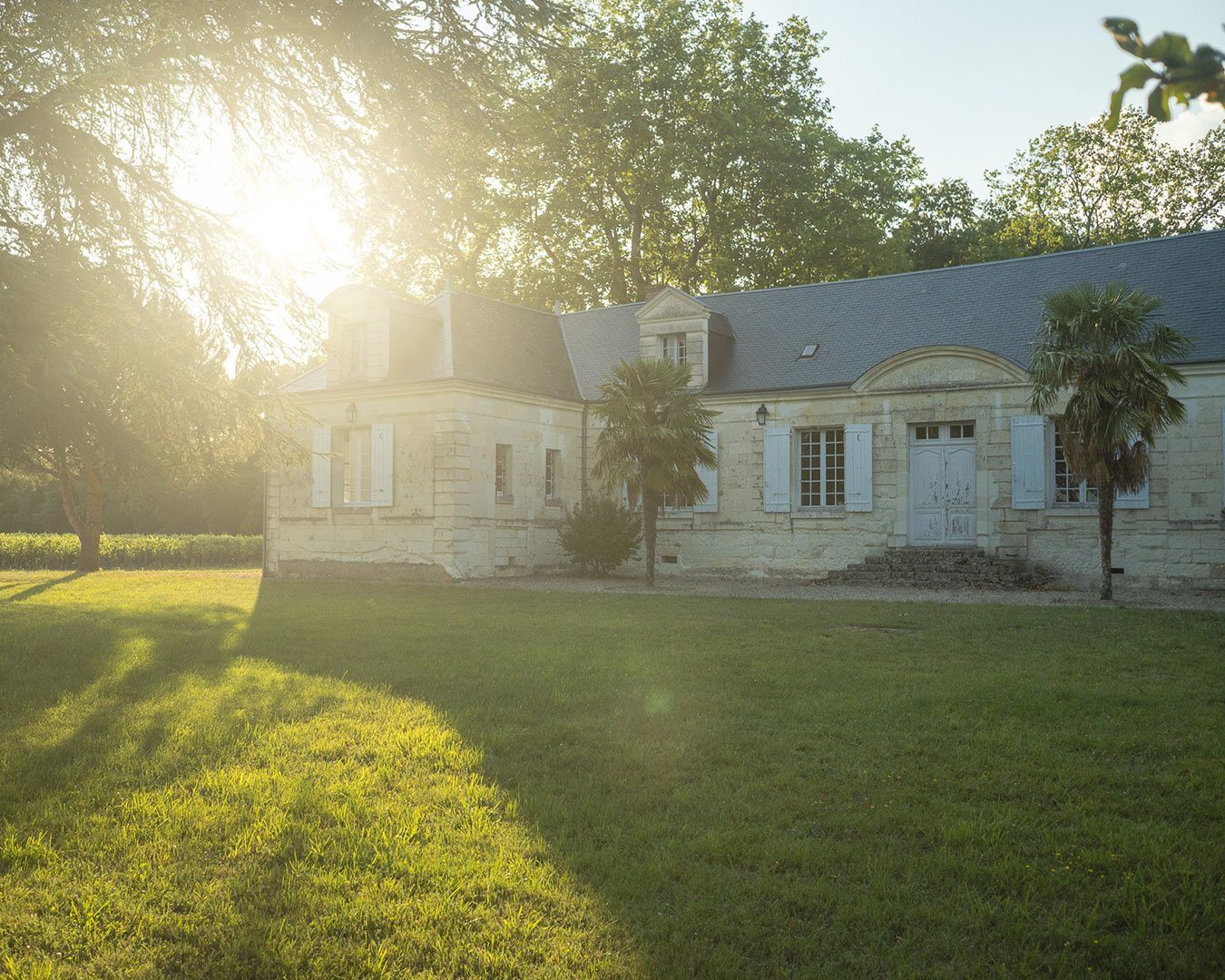
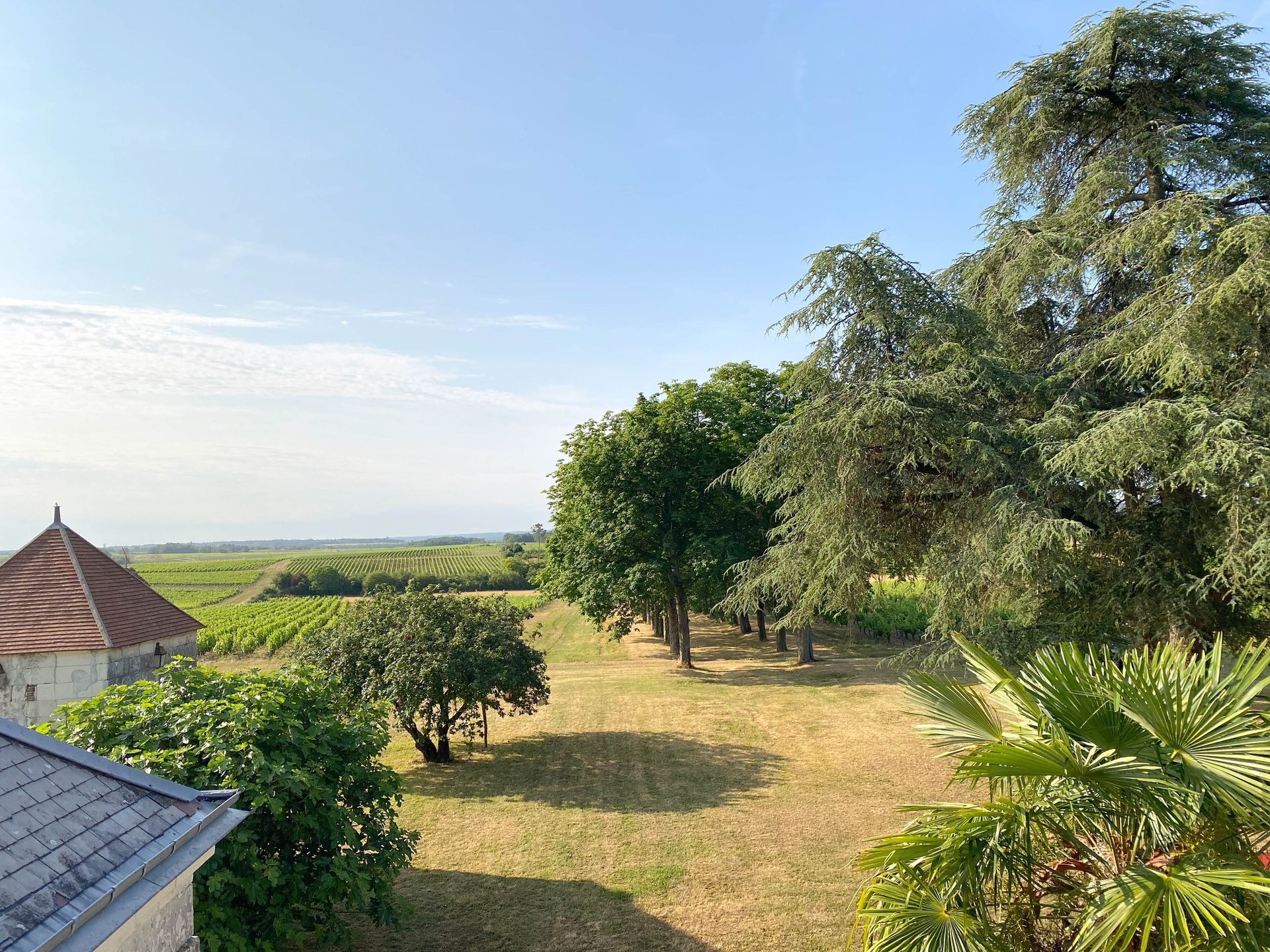
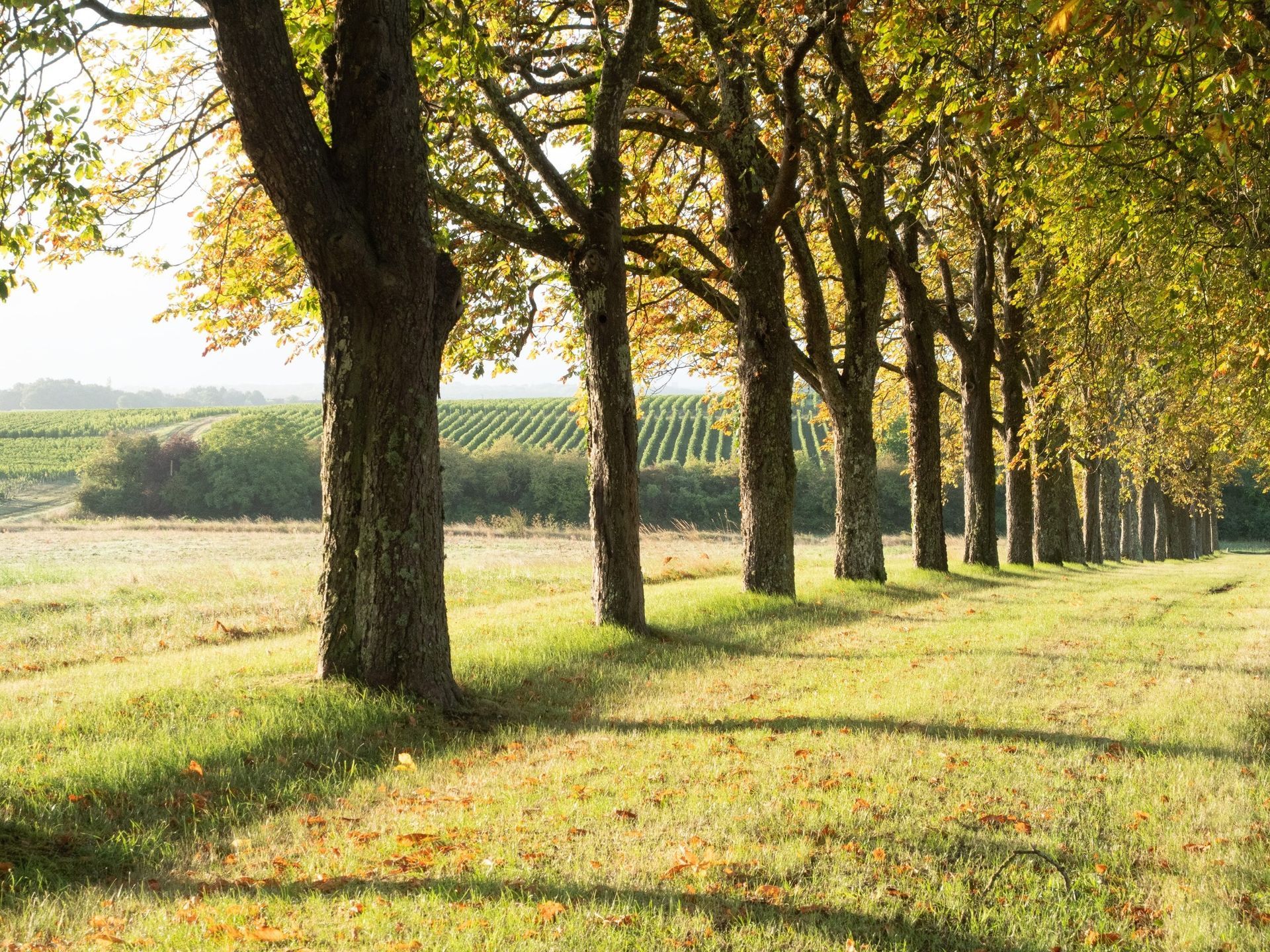
Château de Thésée sits above the Cher River, right in the heart of the Cher Valley, in a village that shares its name. Its south-facing vineyards stretch across the northern slopes of this Loire tributary, catching the sun all day and giving some of the earliest ripening grapes in the valley. Limestone and silica-rich soils have been shaping wines here for centuries, and you can feel it in every glass. The Cher river itself adds its magic too, softening the extremes of the seasons and lending a gentle, breezy climate that Sauvignon Blanc loves. This is Touraine at its very best, and it is part of the Touraine Chenonceaux appellation, a patch of the Loire that has quietly been producing some of the region’s most structured and age-worthy whites.
This land is not new to winemaking. Back in 1144, Thibaud IV, Count of Blois, handed over the church of Thésée and its surrounding hillsides to the Abbey of Pontlevoy. By 1245, the monks had already figured out what modern winemakers still chase: a little elevation for air drainage, southern exposure, and limestone soils that can give wines energy and longevity. Back then it was called Le Bout, meaning the edge of cultivated land near the Choussy forest, which over time morphed into Le Bouc, the name the property carried for centuries. You can still feel that history in the old cellar and the slopes themselves.
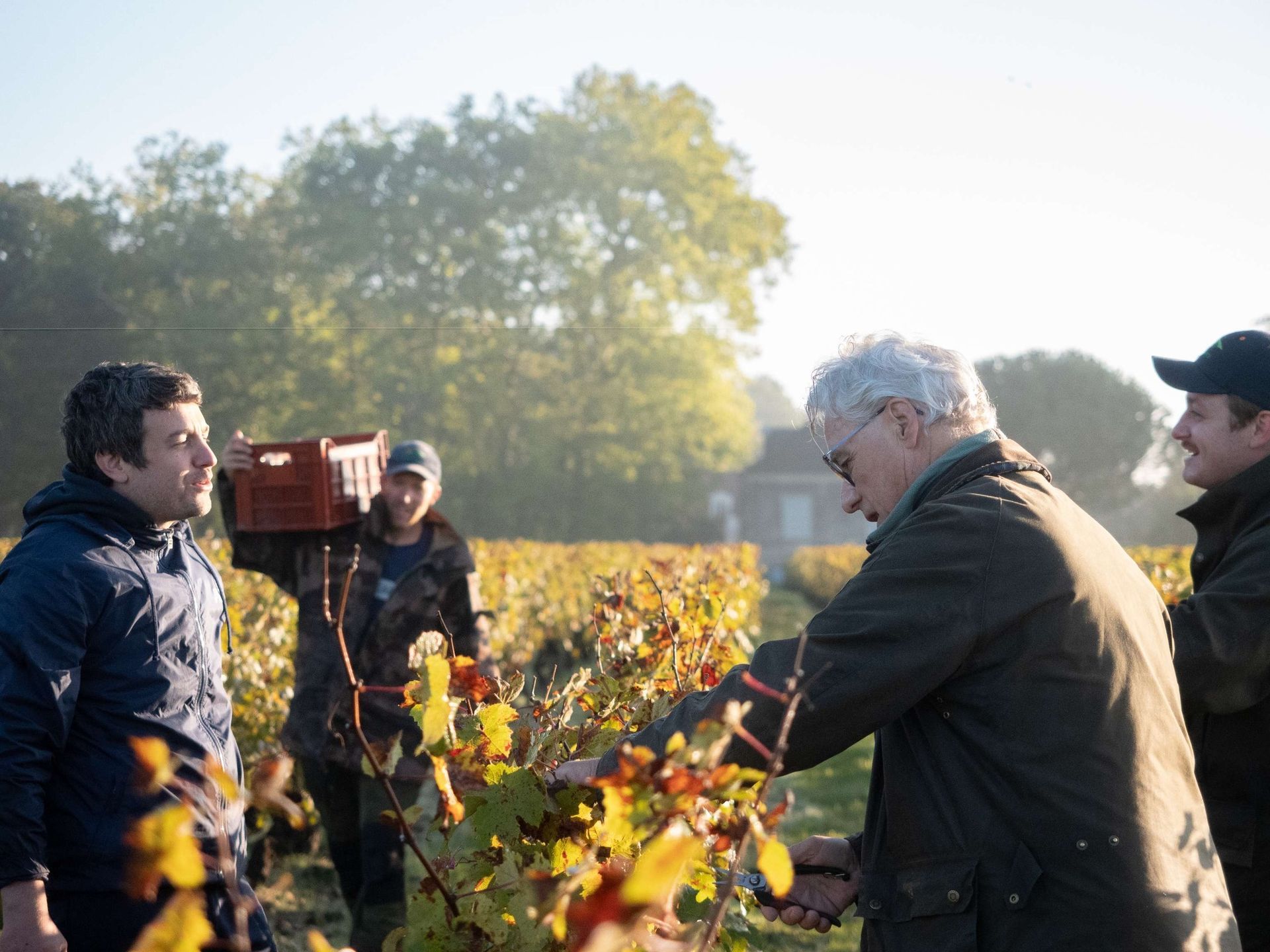
A whole new chapter started in 2022, when François Gilbert and Philippe Gaillard took over the property. If you have spent time in the wine world, you know these names. For more than 35 years, they have been exploring France, writing about terroir, tasting, teaching, and just living in wine. Gilbert is a geologist, the kind of person who actually reads the land, and Gaillard grew up in Touraine, steeped in wine culture. Together, they have taken everything they have learned and are now steering Château de Thésée themselves.
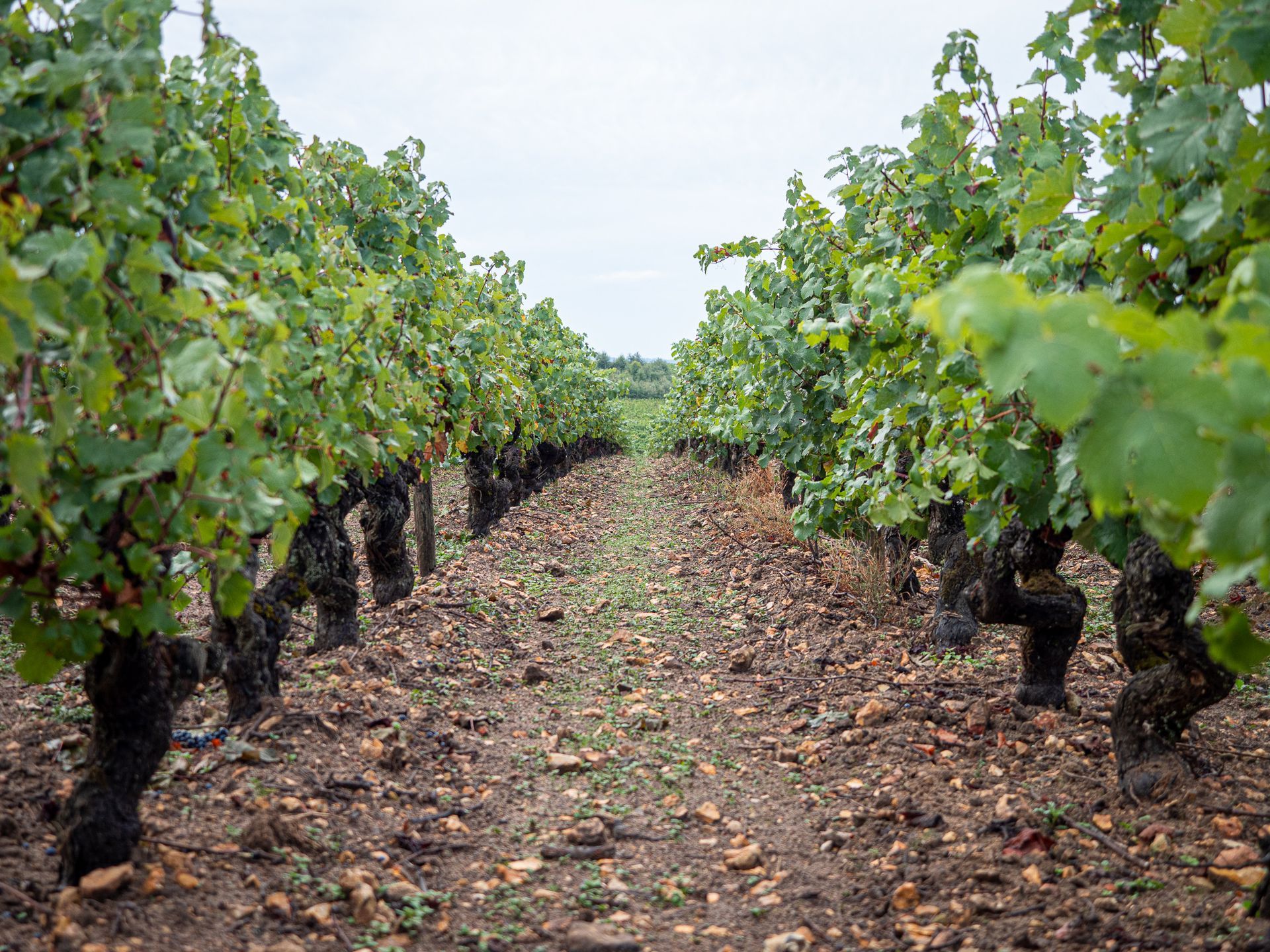
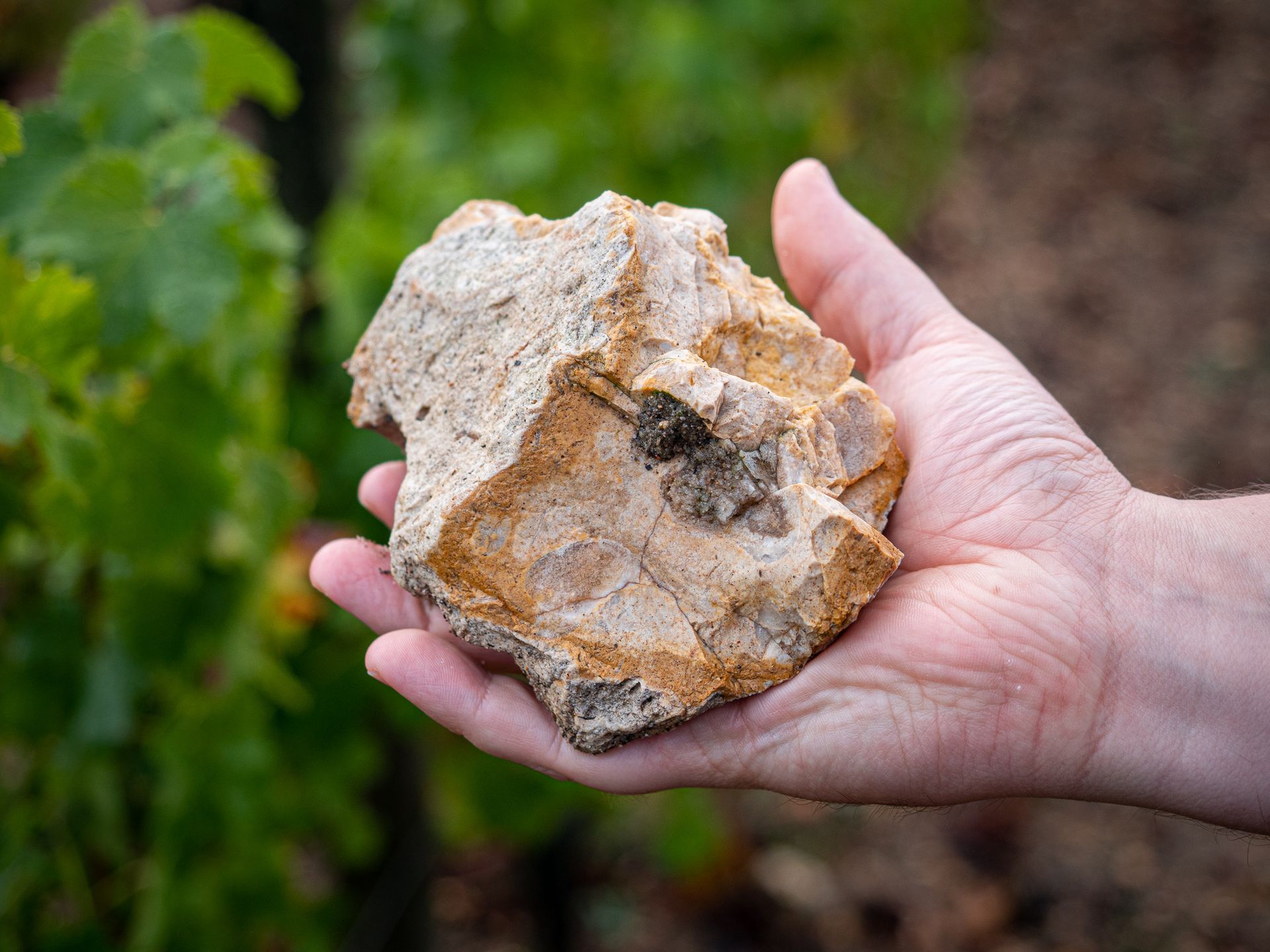
The estate is farmed organically, sitting at the edge of the Choussy forest and at the crossroads of three regions, Touraine, Berry, and Sologne. That mix of soils, sun, and history creates incredible biodiversity, which the team is careful to preserve because healthy land makes better wine. These are poor, limestone-rich soils, leftovers from a sea that covered the region 90 million years ago, and they give the vines natural water regulation so they are never stressed but always expressive. This is terroir speaking clearly, and Château de Thésée listens.
Within the Touraine Chenonceaux appellation, rules push for quality with lower yields, higher planting density, and top sites with perfect exposure near the Cher river. The soils are limoneux siliceux avec des éclats de silice, loamy, silica-rich, with shards of flint. Think of it as Sancerre’s silex soils, only a little softer, more generous, and easier to get along with. The result is Sauvignon Blanc with the Loire’s signature tension and mineral drive, but open and aromatic in youth, with a texture that makes the wine immediately engaging at the table.
Château de Thésée’s wines show what Touraine can really do when you take care of the land and respect the site. They combine the clarity and lift people love in Sauvignon Blanc with the minerality, salinity, and structure that give the best Loire whites their backbone. In their flagship cuvée, élevage in terracotta amphora adds weight and texture without hiding the site. These are wines that are expressive without excess, mineral without austerity, and utterly Thésée.
The result is Loire Valley wines with depth, poise, and a sense of place that feels both timeless and newly awakened.
Wines by this Producer

Touraine AOC La Closerie Sauvignon Blanc

La Closerie Pineau d'Aunis, Vin de France