Dacapo (Cà ed Balos)
Langhe & Monferrato, Piemonte, Italy
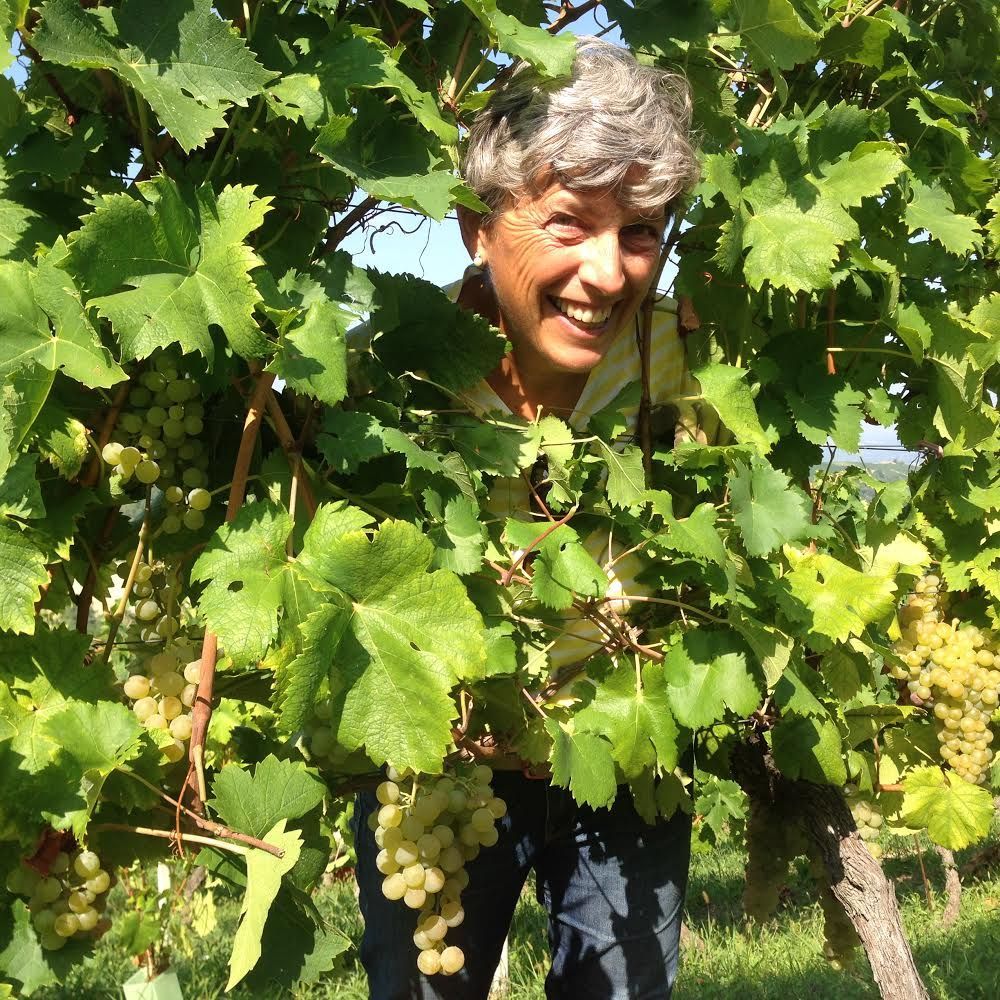
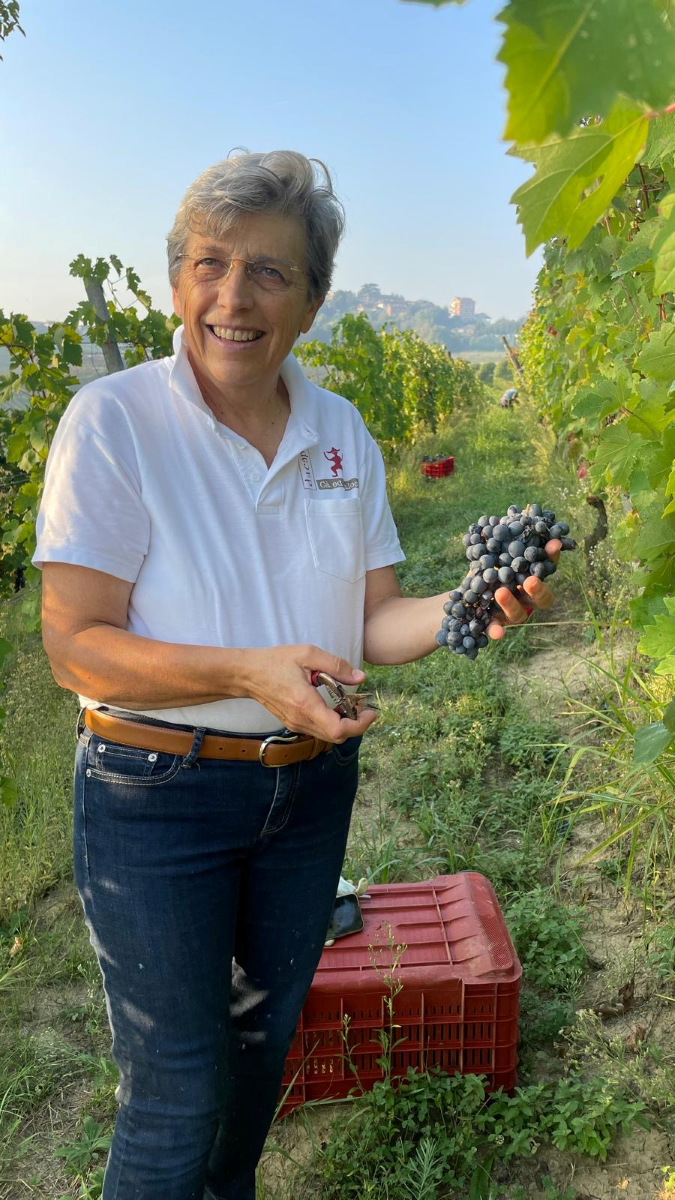
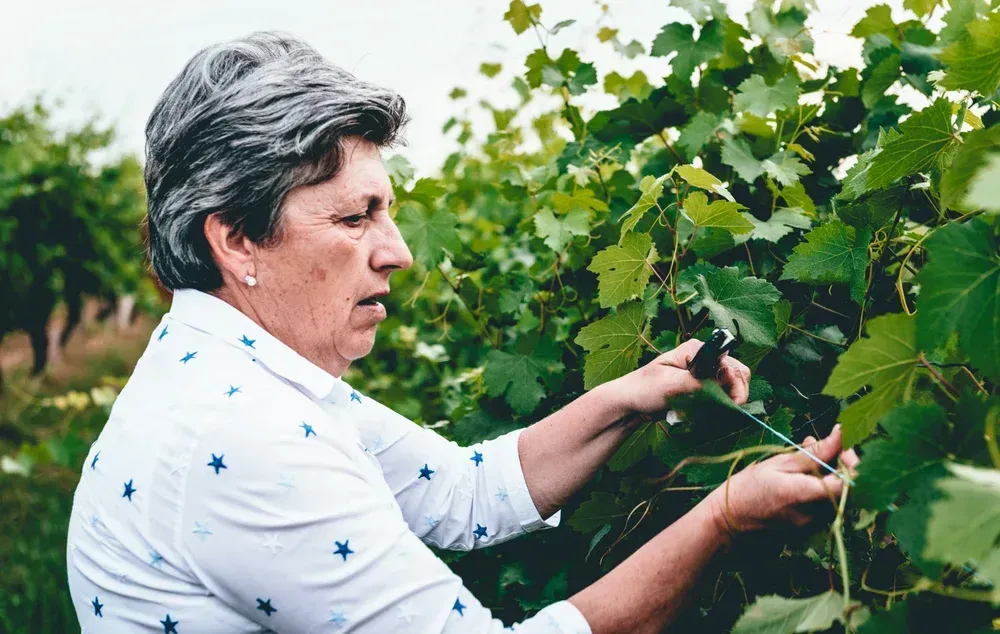
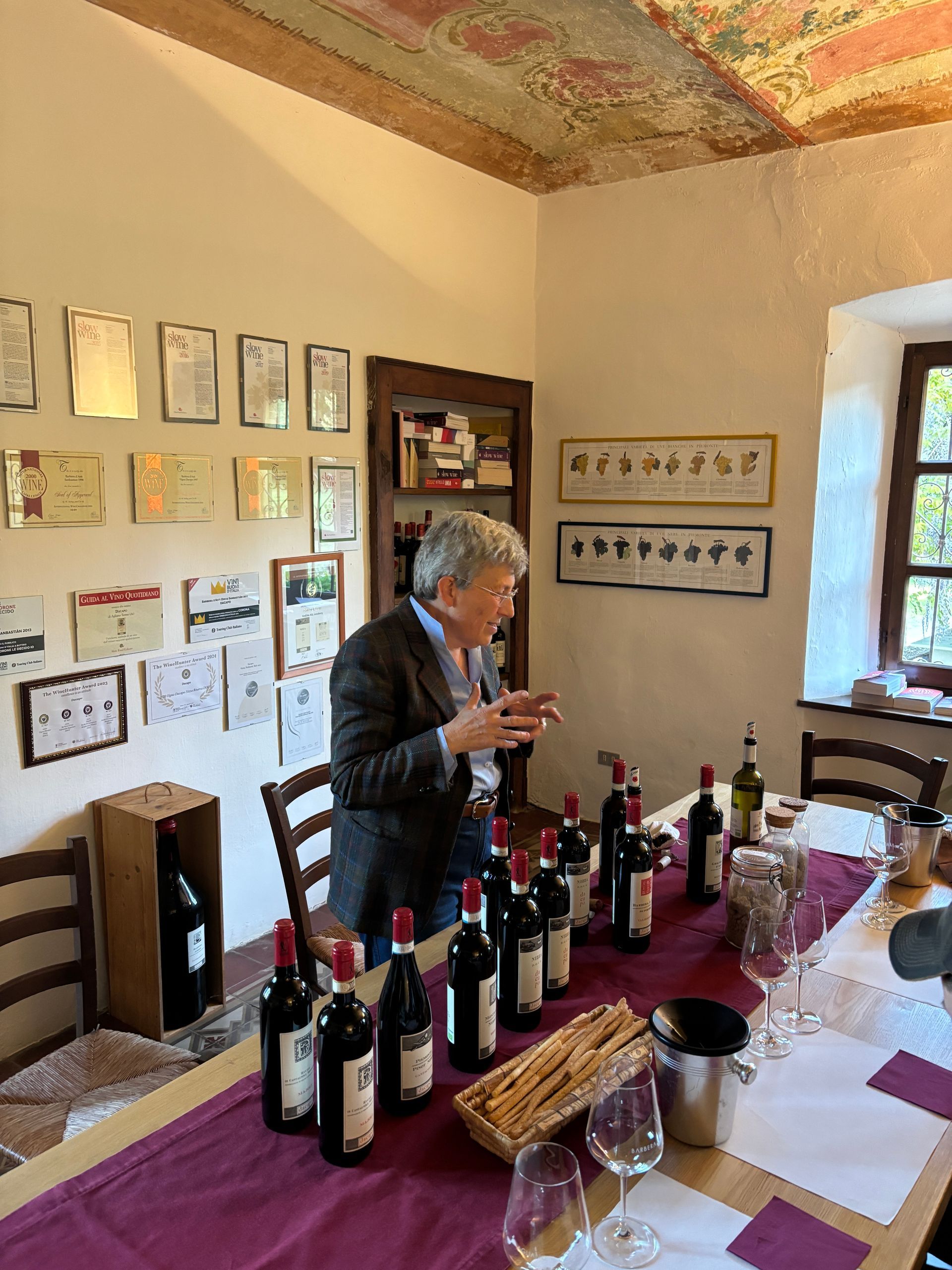
Spend five minutes with Renata Bonacina, and you quickly understand what drives her. The conversation always circles back to vineyards. Healthy soils. Balanced vines. Native varieties. Wines that taste unmistakably of where they come from.
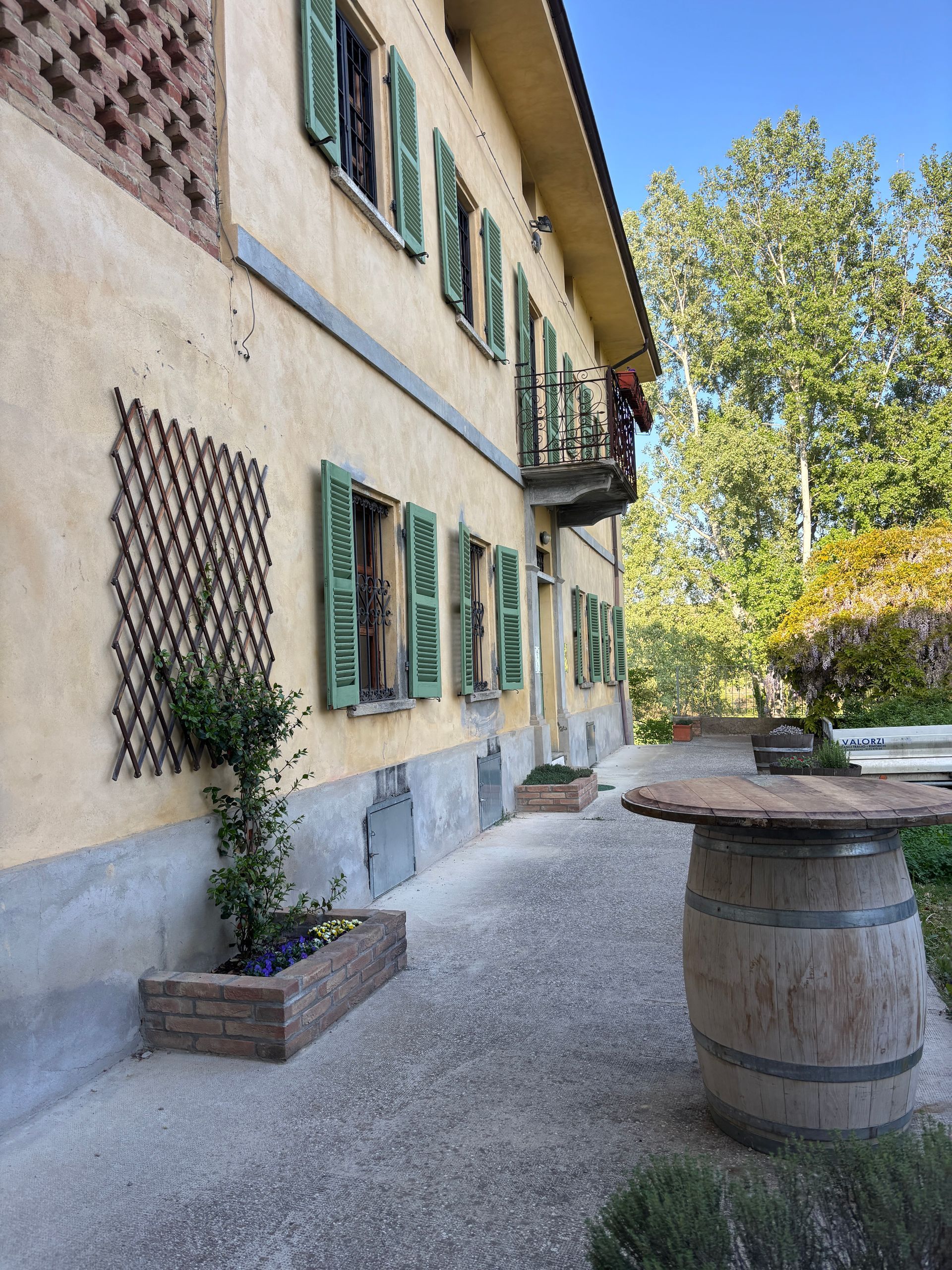
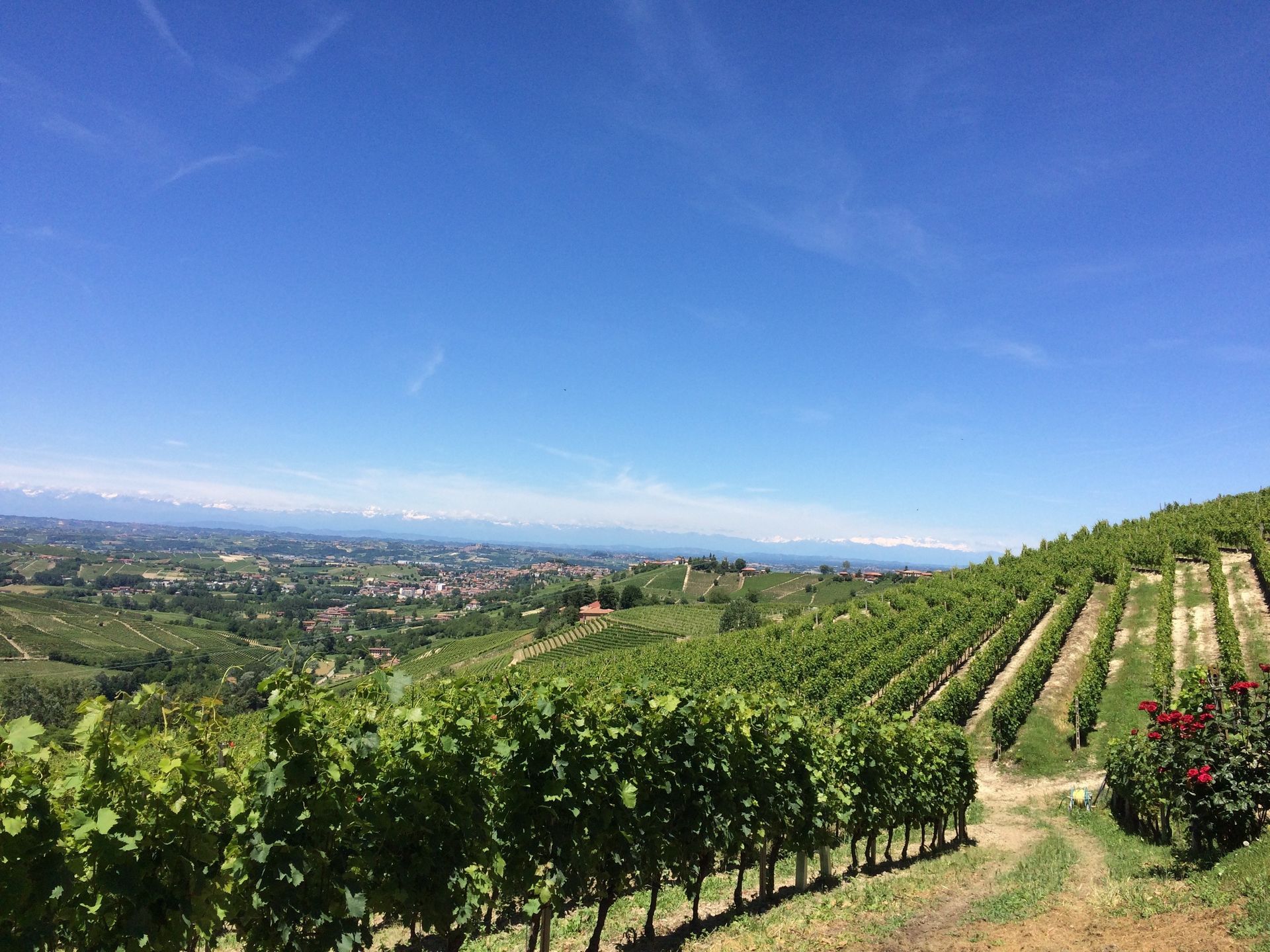
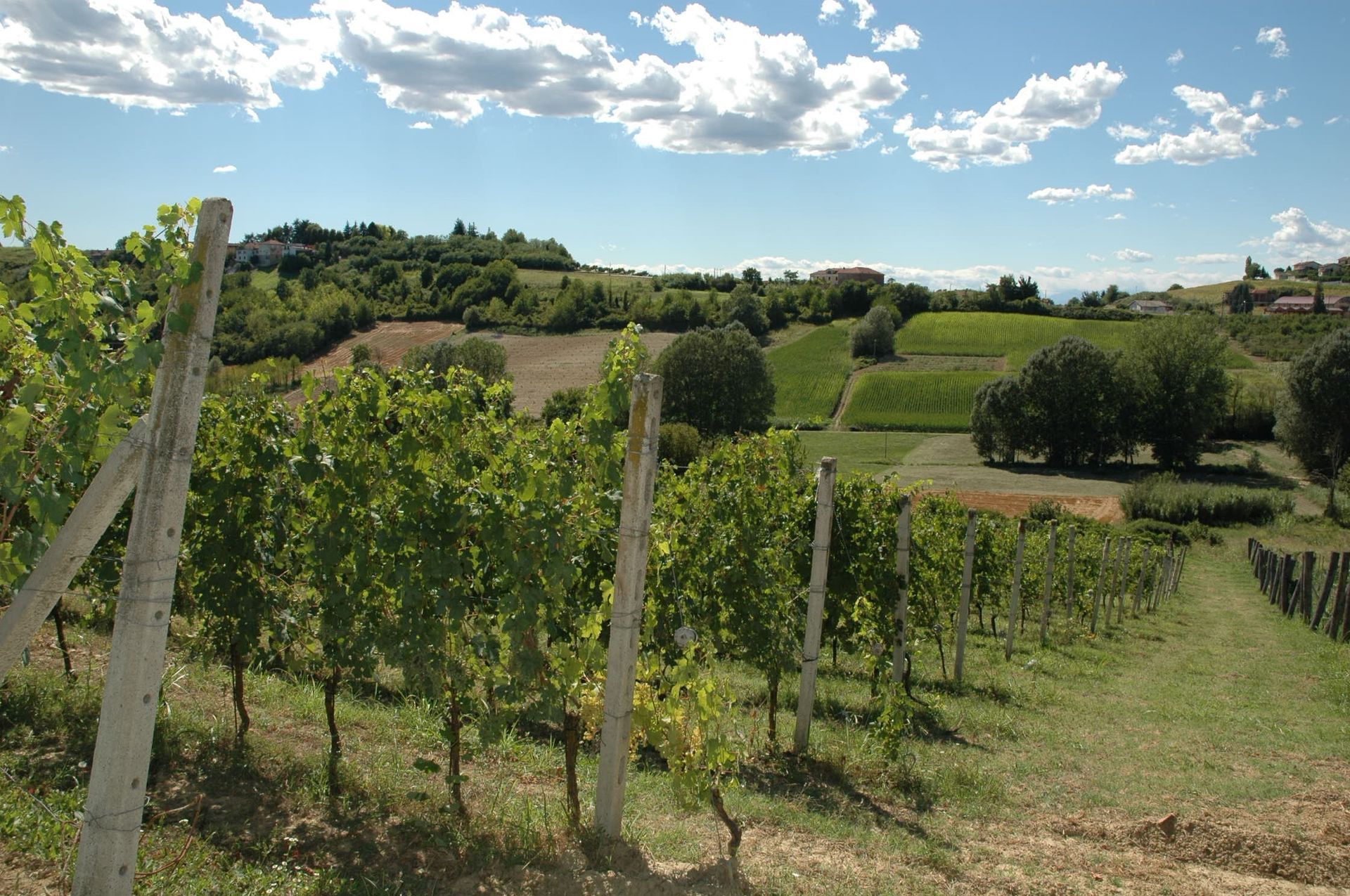
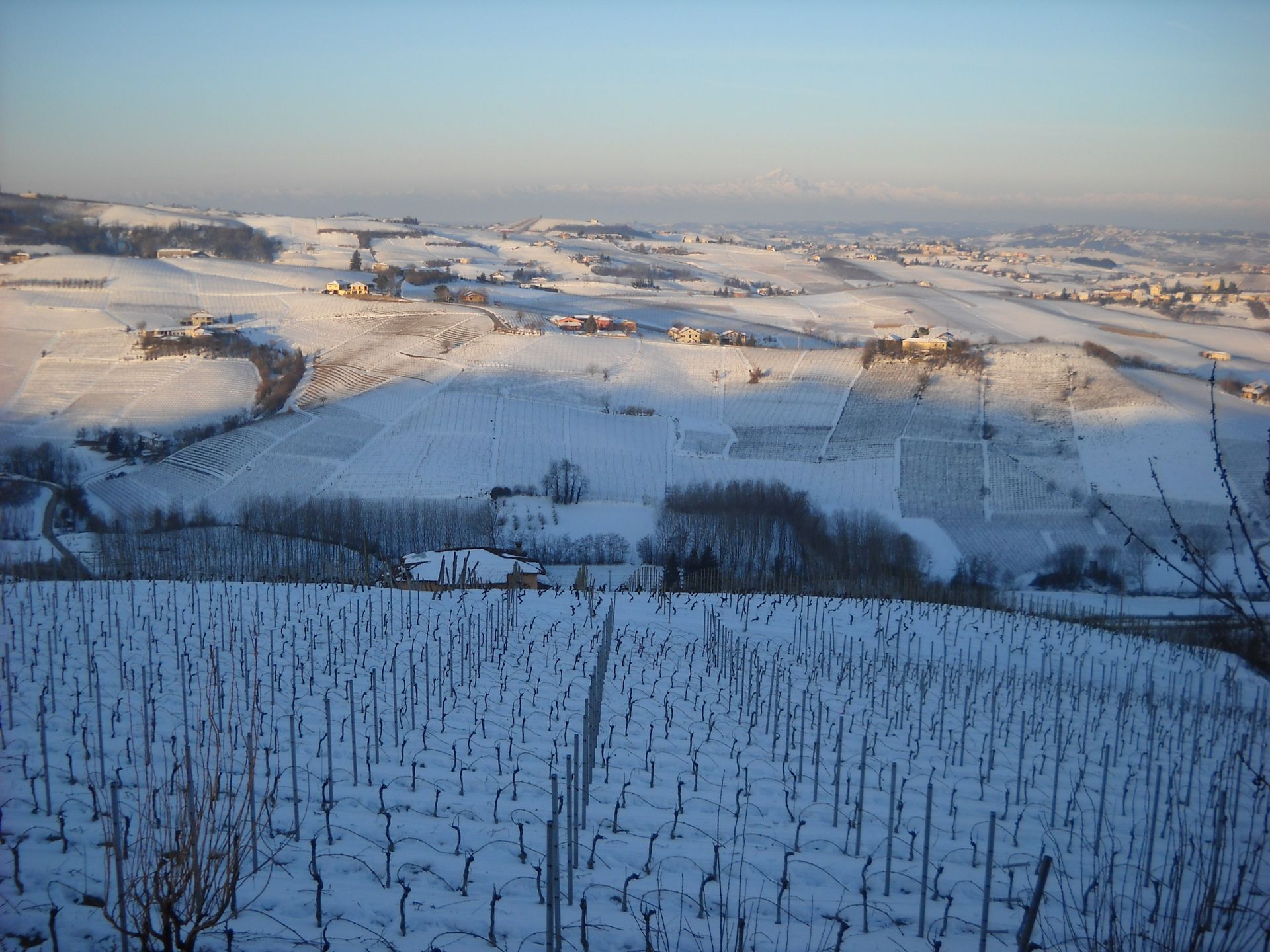
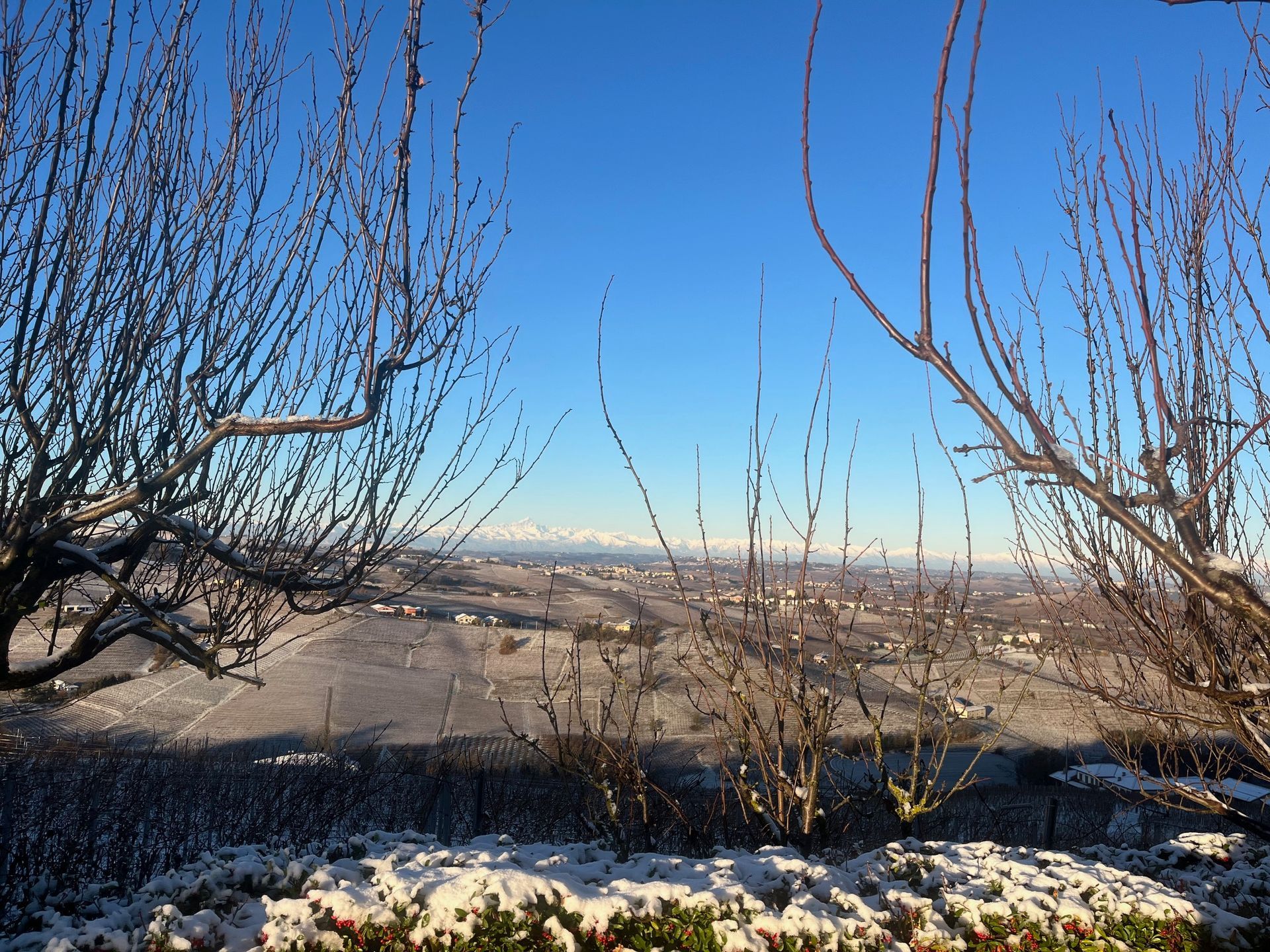
After years spent living and working around the world, Renata and her husband Giovanni returned to Piemonte in the late 1990s. Her mother was Piedmontese, and the region had always remained part of her story. They settled in Castiglione Tinella, in the heart of the Moscato hills between Alba and Asti, where they restored a small property called Cà ed Balos and began producing Moscato d'Asti. Moscato became Renata's first love. The first vintage was released in 2008: just 3,000 bottles selected from the estate's best parcels. Over the following years, she quietly expanded the project, refining both the vineyards and the wines while developing a deep appreciation for Piemonte's extraordinary native grape varieties.
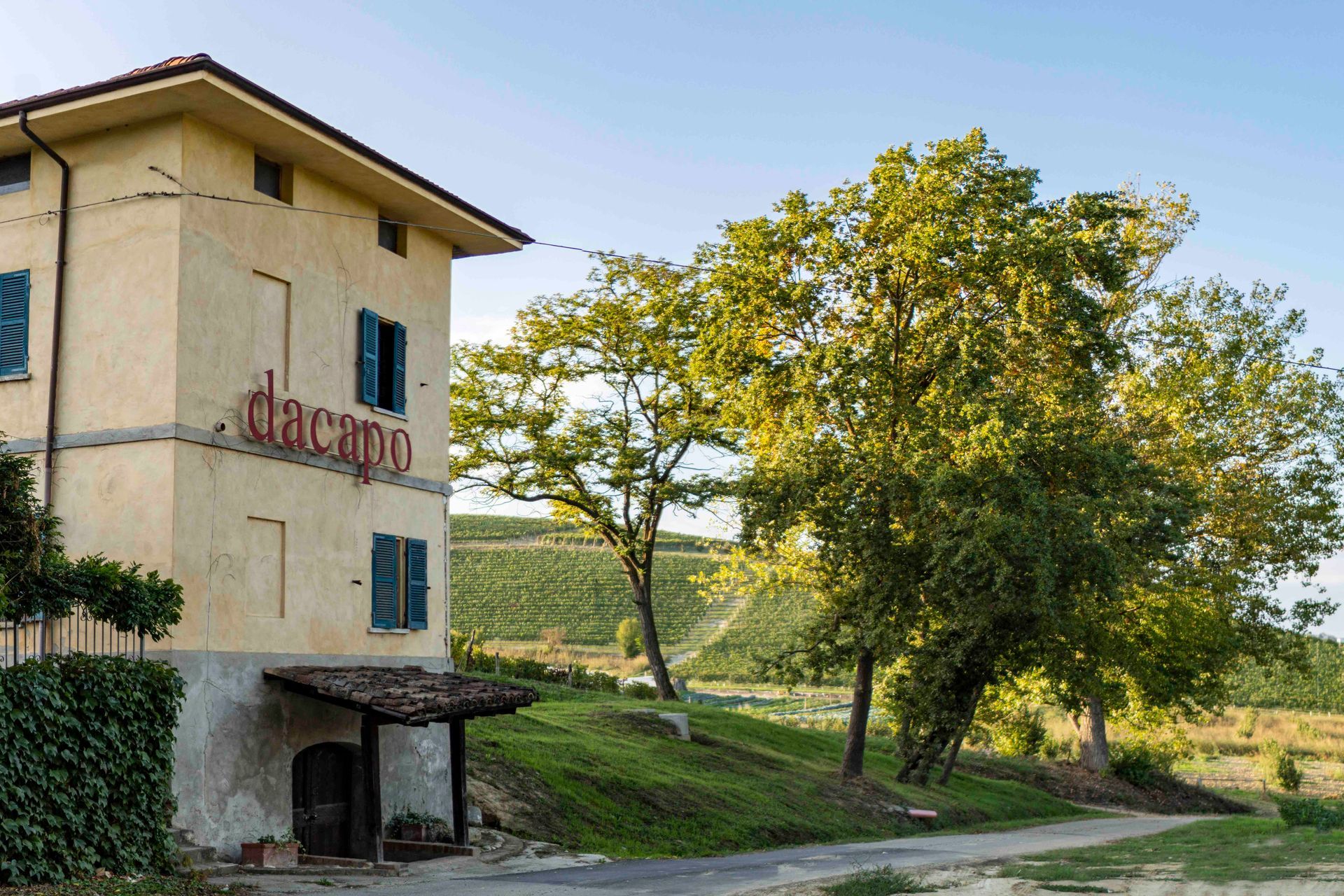
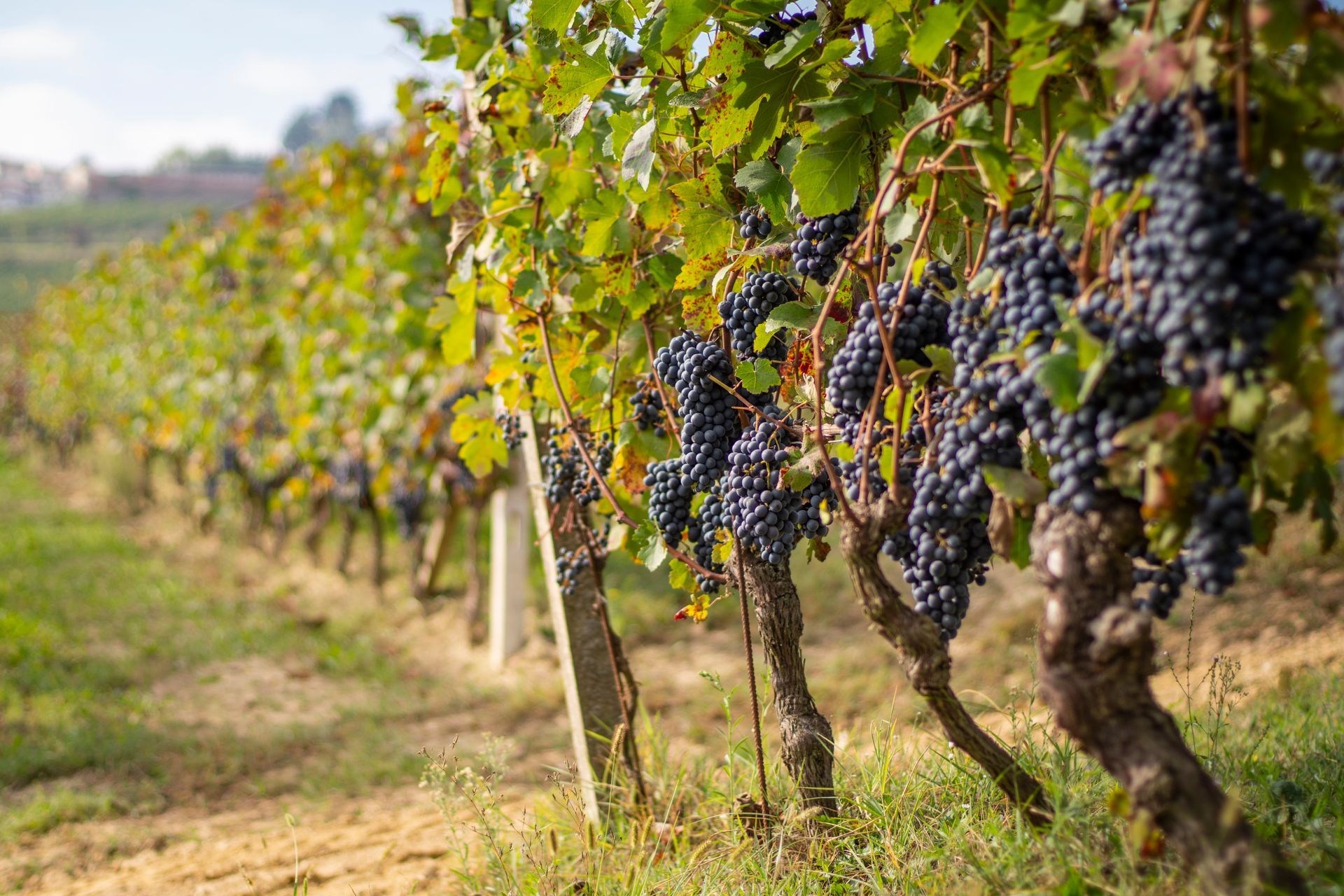
Then, in 2017, came the next chapter. Renata acquired Dacapo in Agliano Terme, one of the great villages of Barbera. Suddenly, the picture became much larger. Barbera from Agliano Terme. Ruchè, Nebbiolo, Pinot Nero, and Grignolino from Castagnole Monferrato. Moscato from the steep hills of Castiglione Tinella.
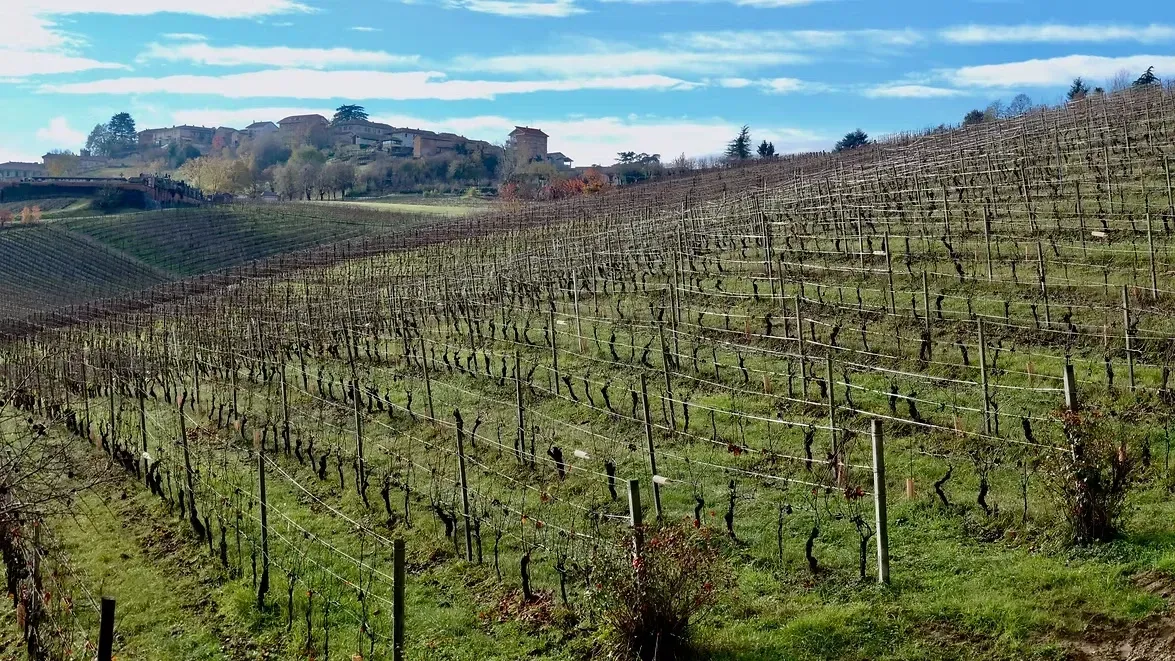
Today, the estate spans just seven hectares, but it offers a remarkably complete portrait of Piemonte. Few producers work with such a diverse collection of the region's native grapes, and fewer still do so in the historic areas where those varieties have always performed best.
That commitment has not gone unnoticed. Ian D'Agata has repeatedly cited Dacapo as a benchmark producer of both Barbera and Ruchè, even describing their Majoli Ruchè as, in the best vintages, "one of Italy's thirty or so greatest wines." High praise indeed in a country with no shortage of great wines.
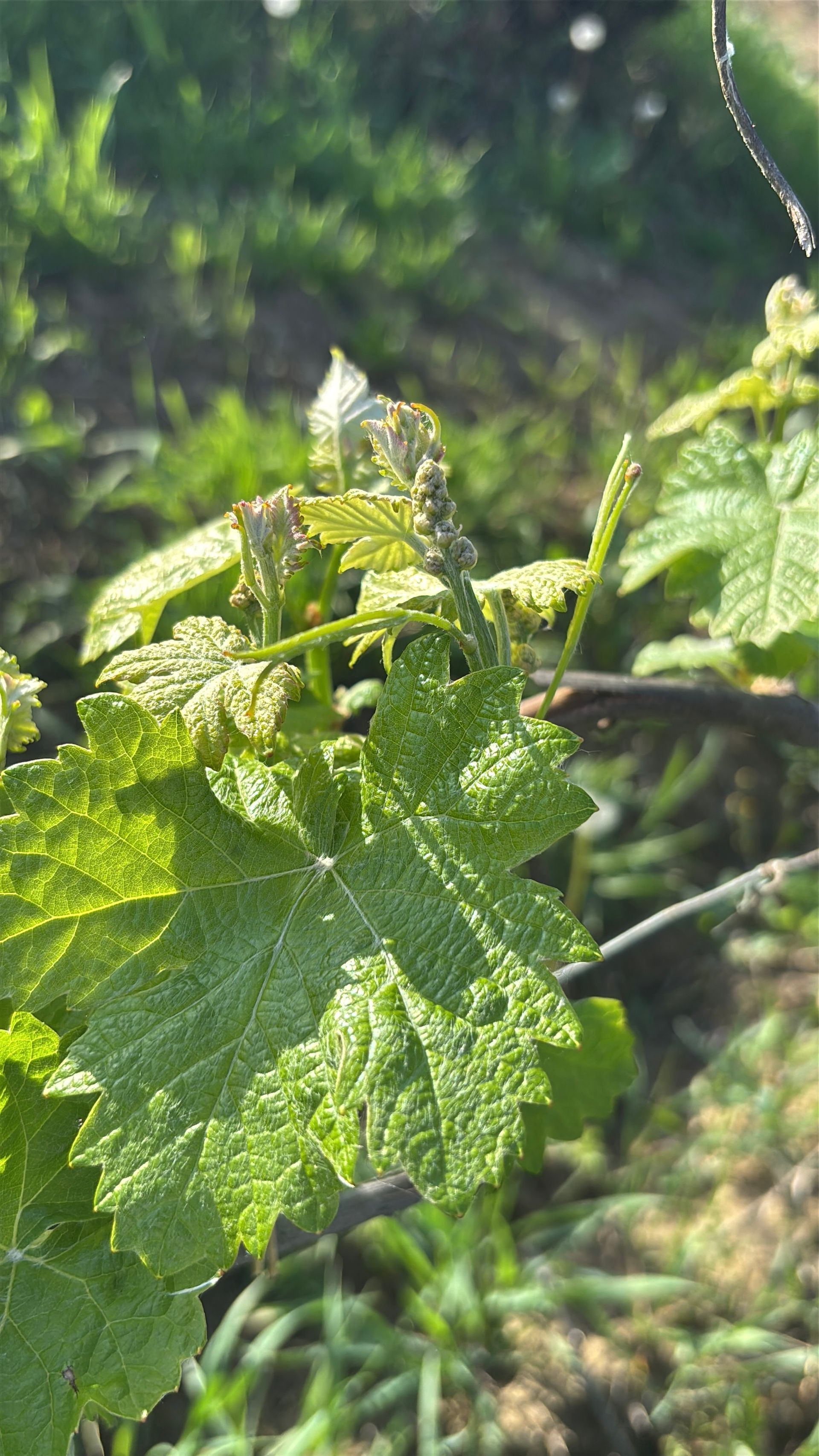
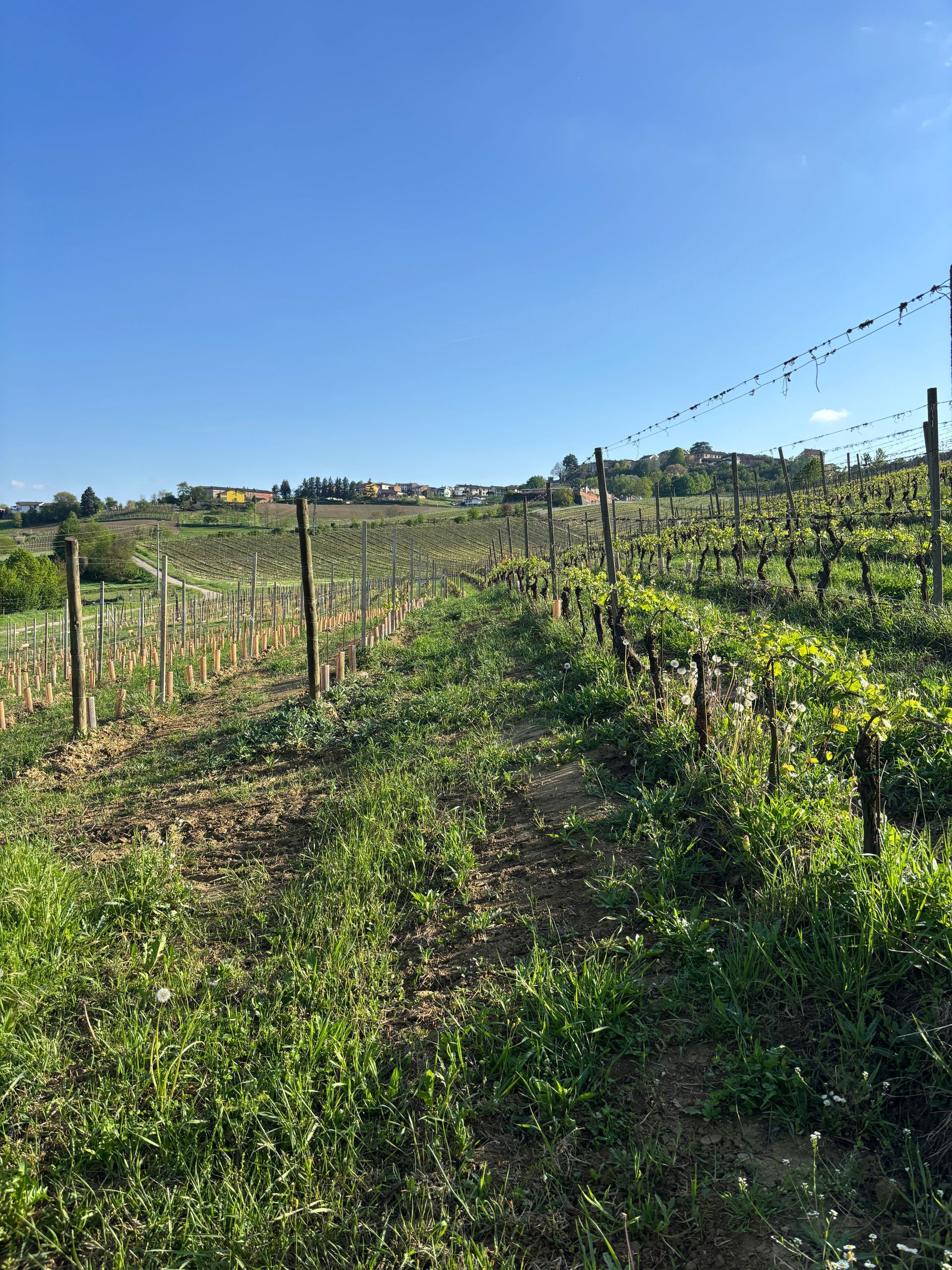
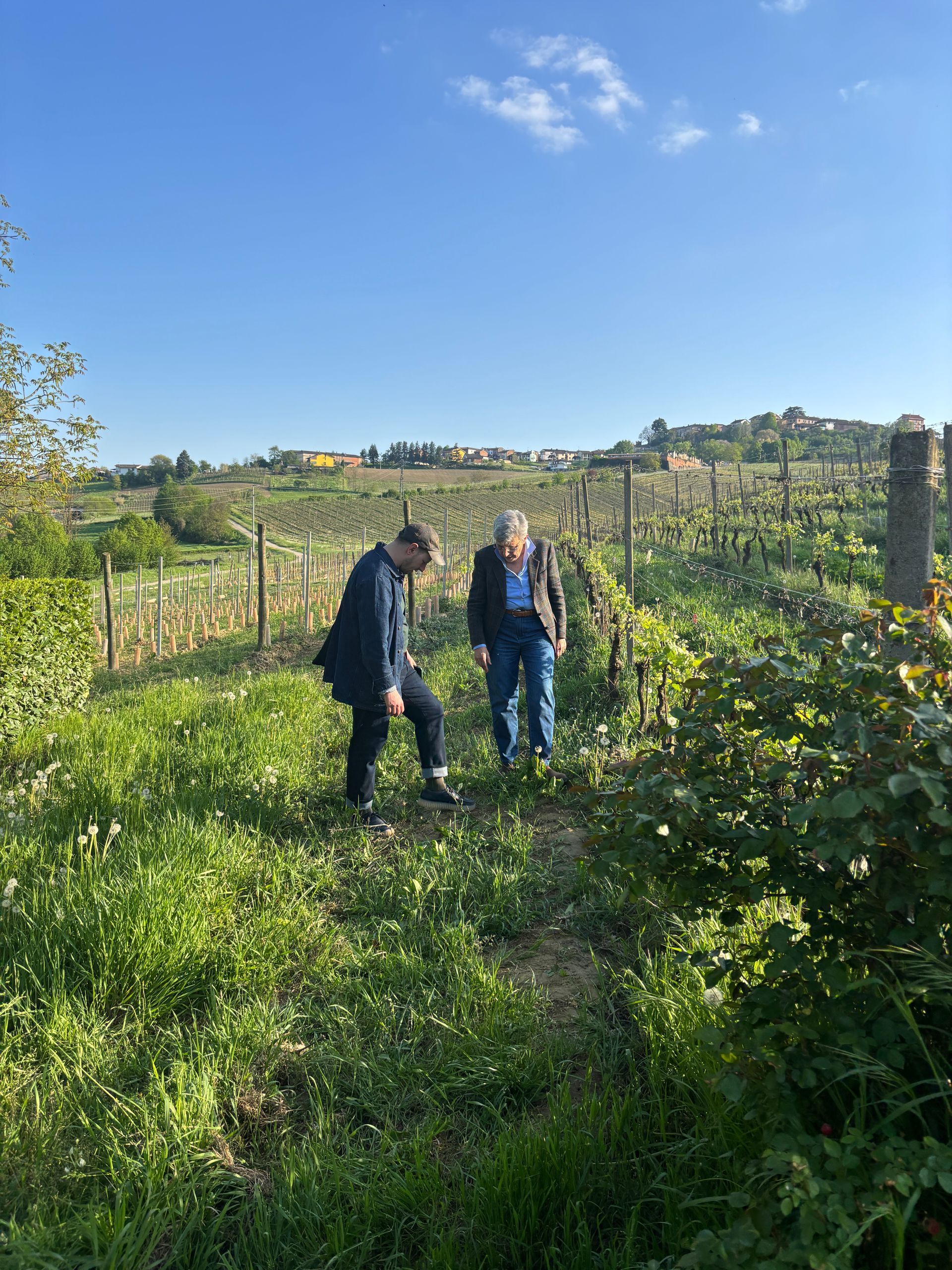
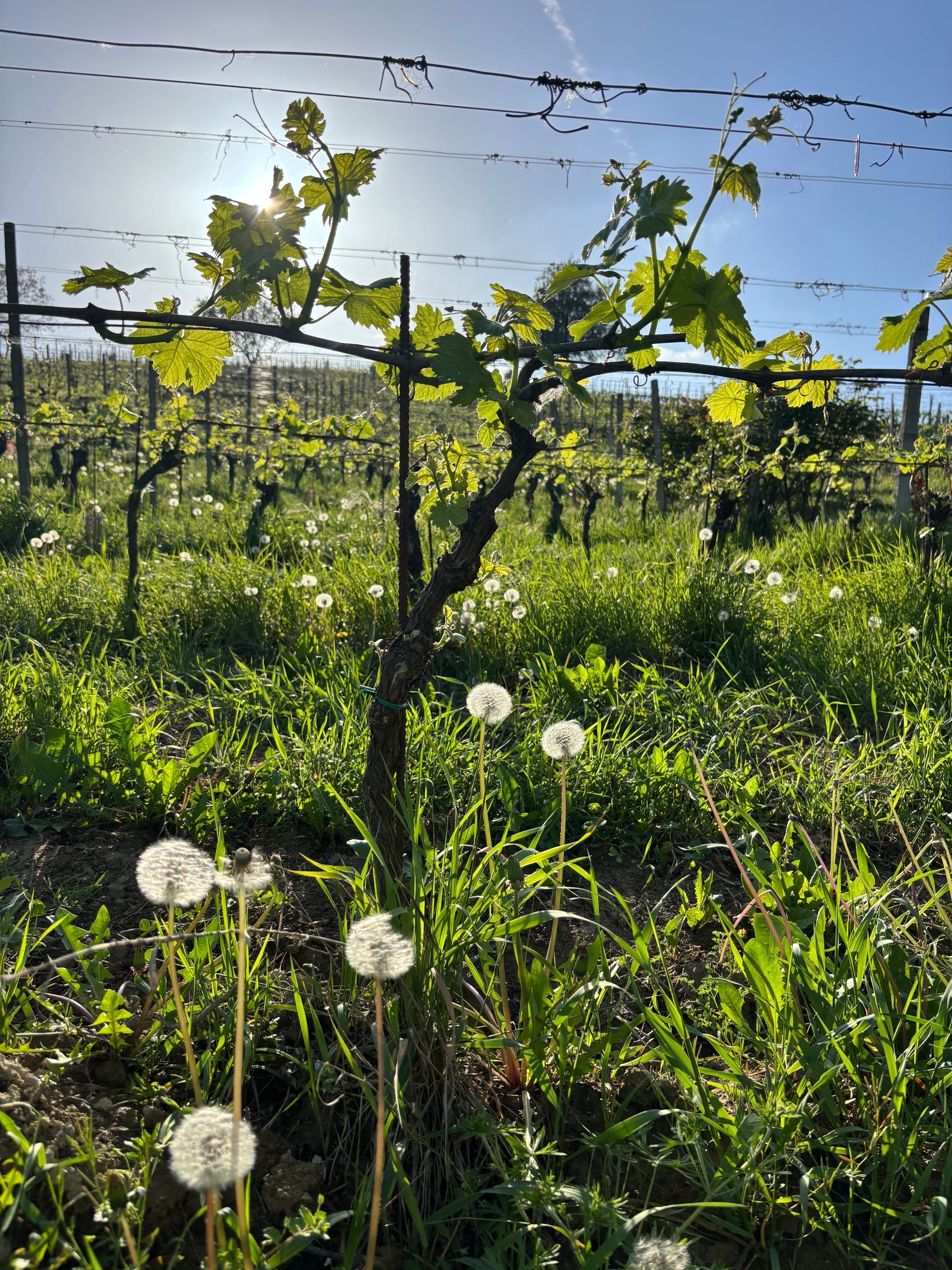
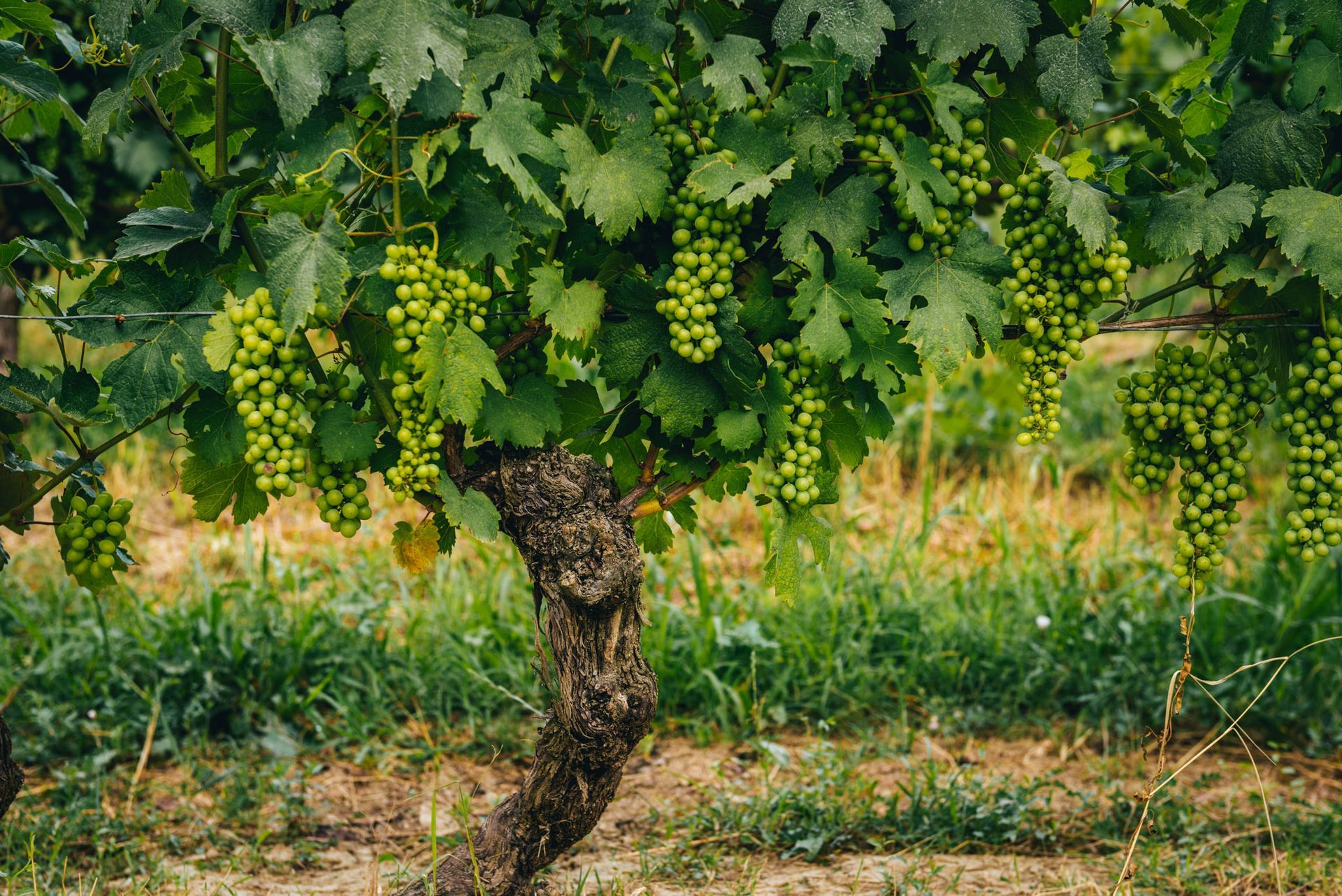
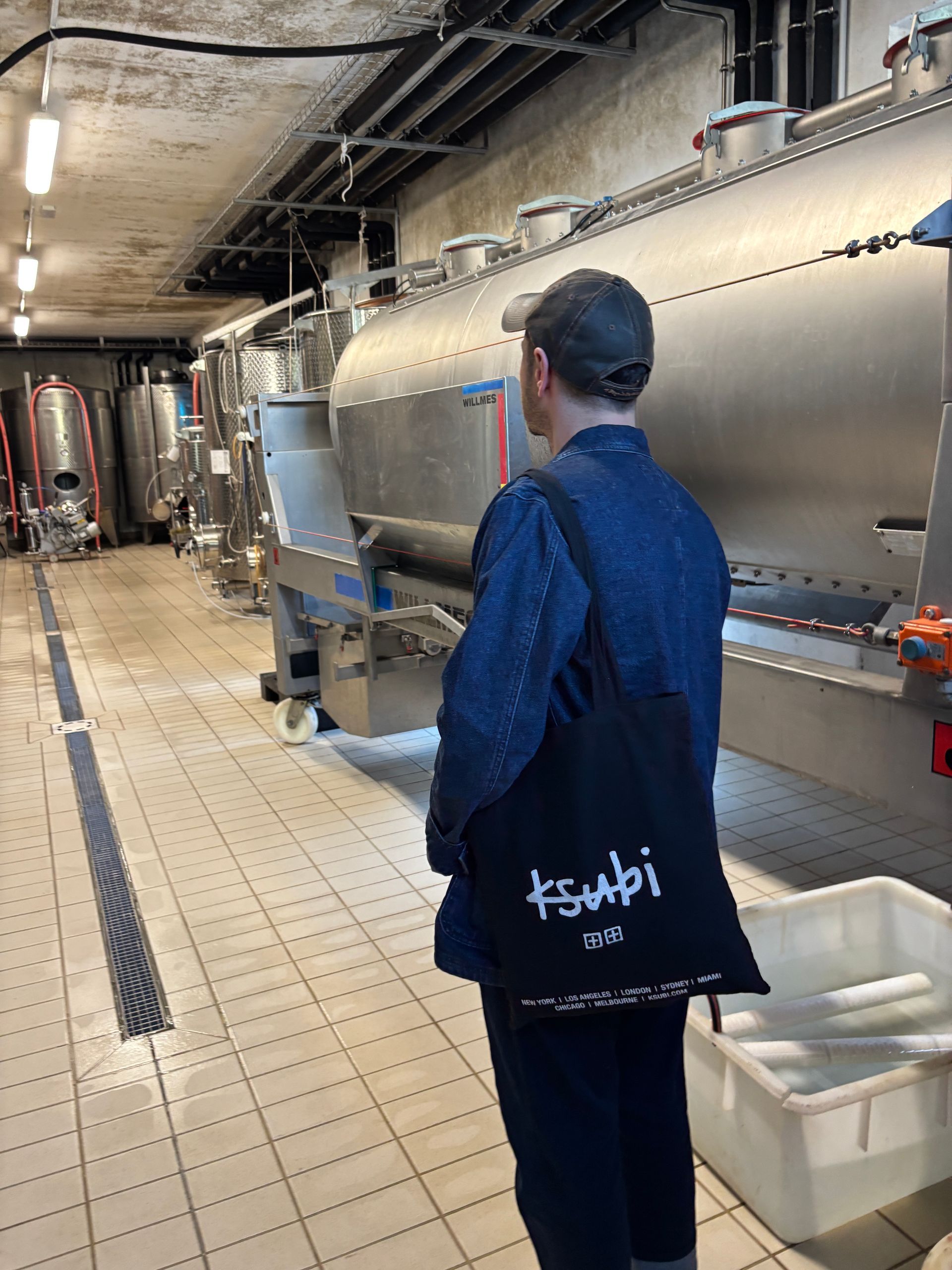
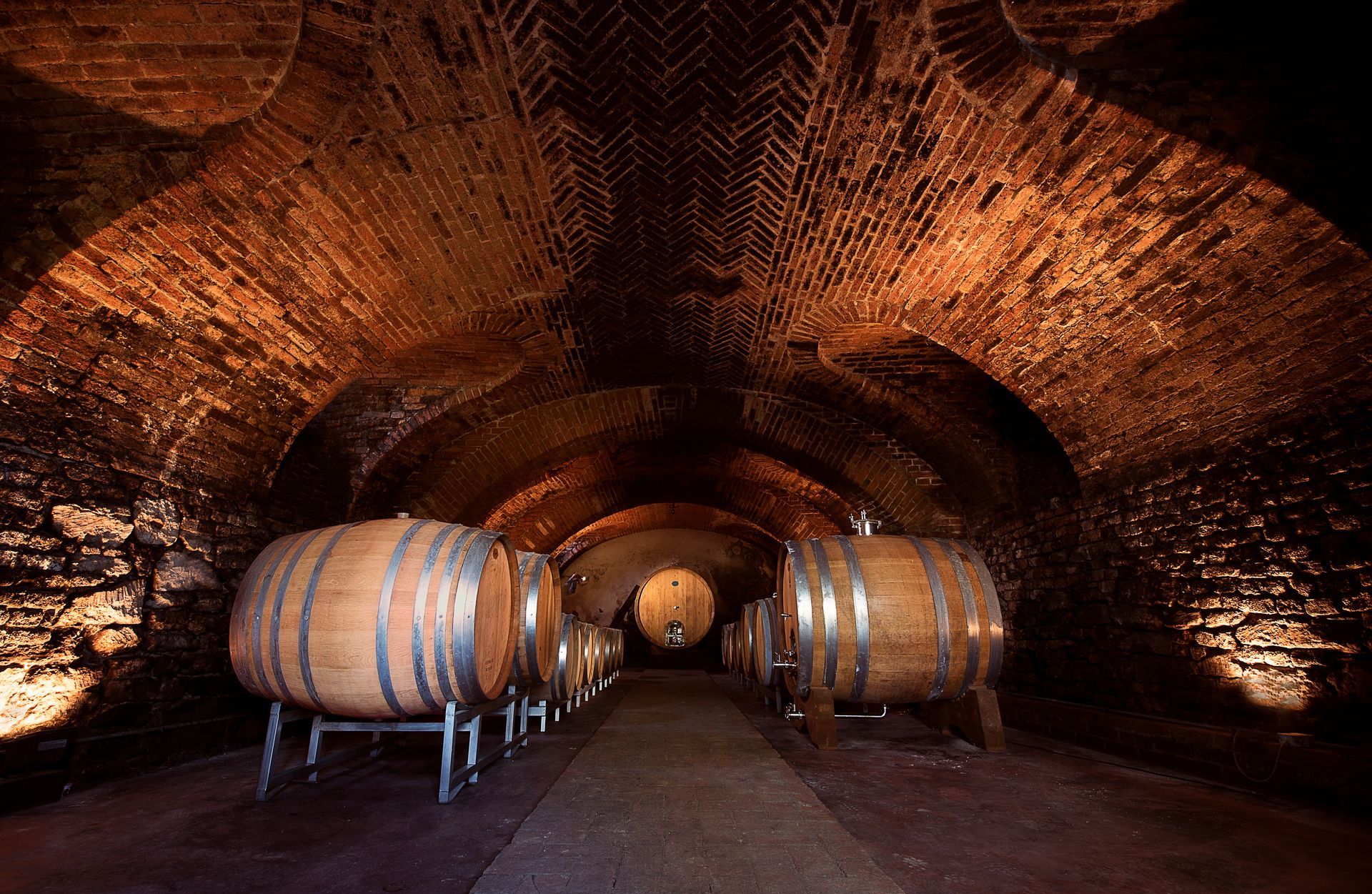
Yet what impressed me most when we visited Renata this spring wasn't the critical acclaim. It was the quiet confidence of the project itself. The vineyards are farmed organically. Harvest is done entirely by hand. Old vines are preserved wherever possible. Every decision seems guided by the same simple idea: leave the vineyard healthier than you found it and allow each site to speak for itself.
The wines reflect that philosophy beautifully. Honest, expressive, and deeply rooted in place, they feel less like products and more like a conversation with Piemonte itself.
Wines by this Producer
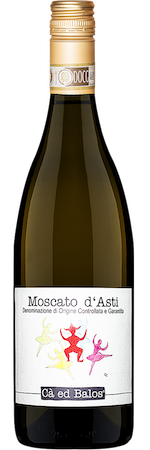
2025 Moscato d’Asti DOCG Cà ed Balos
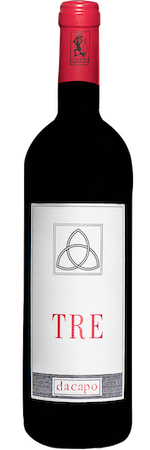
2022 TRE (Merlot 40% - Barbera 30% - Nebbiolo 30%)
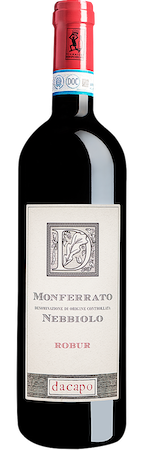
2022 Monferrato Nebbiolo DOC Robur
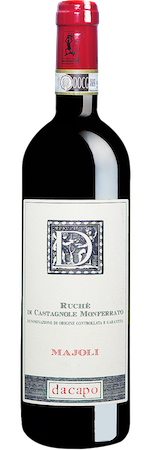
2024 Ruchè di Castagnole Monferrato DOCG Majoli
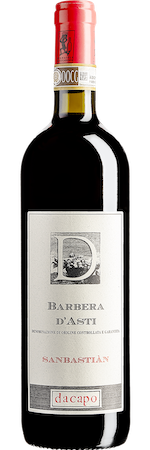
2024 Barbera d’Asti DOCG Sanbastiàn
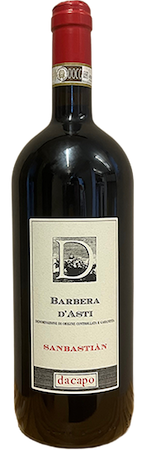
2021 Barbera d’Asti DOCG Sanbastiàn MAGNUM
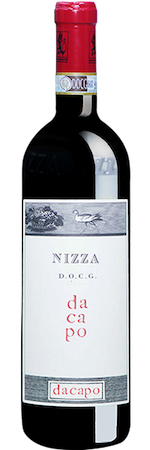
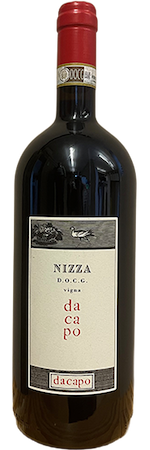
2019 Nizza DOCC Dacapo