Tenuta di Valgiano
Lucca, Tuscany
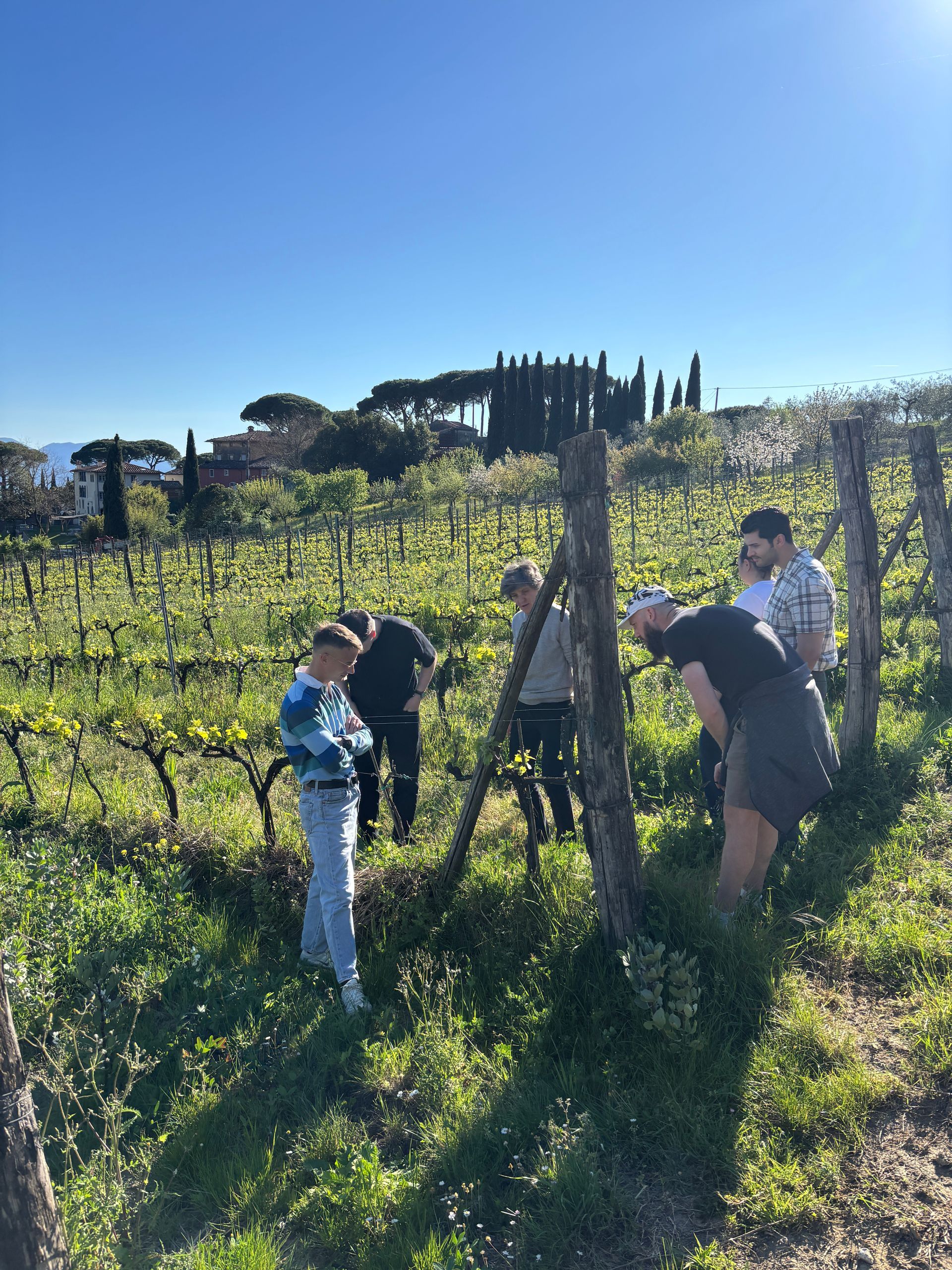
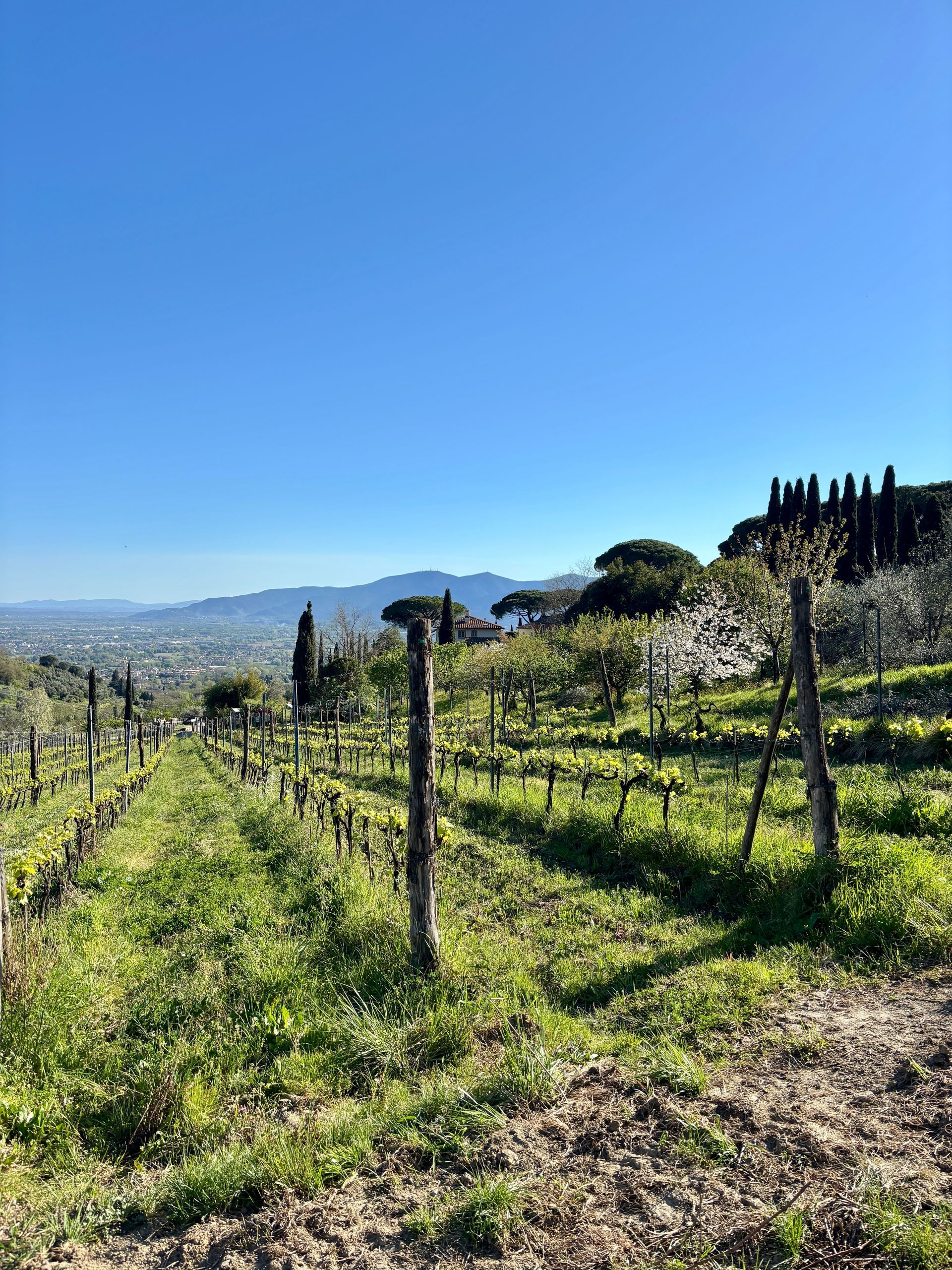
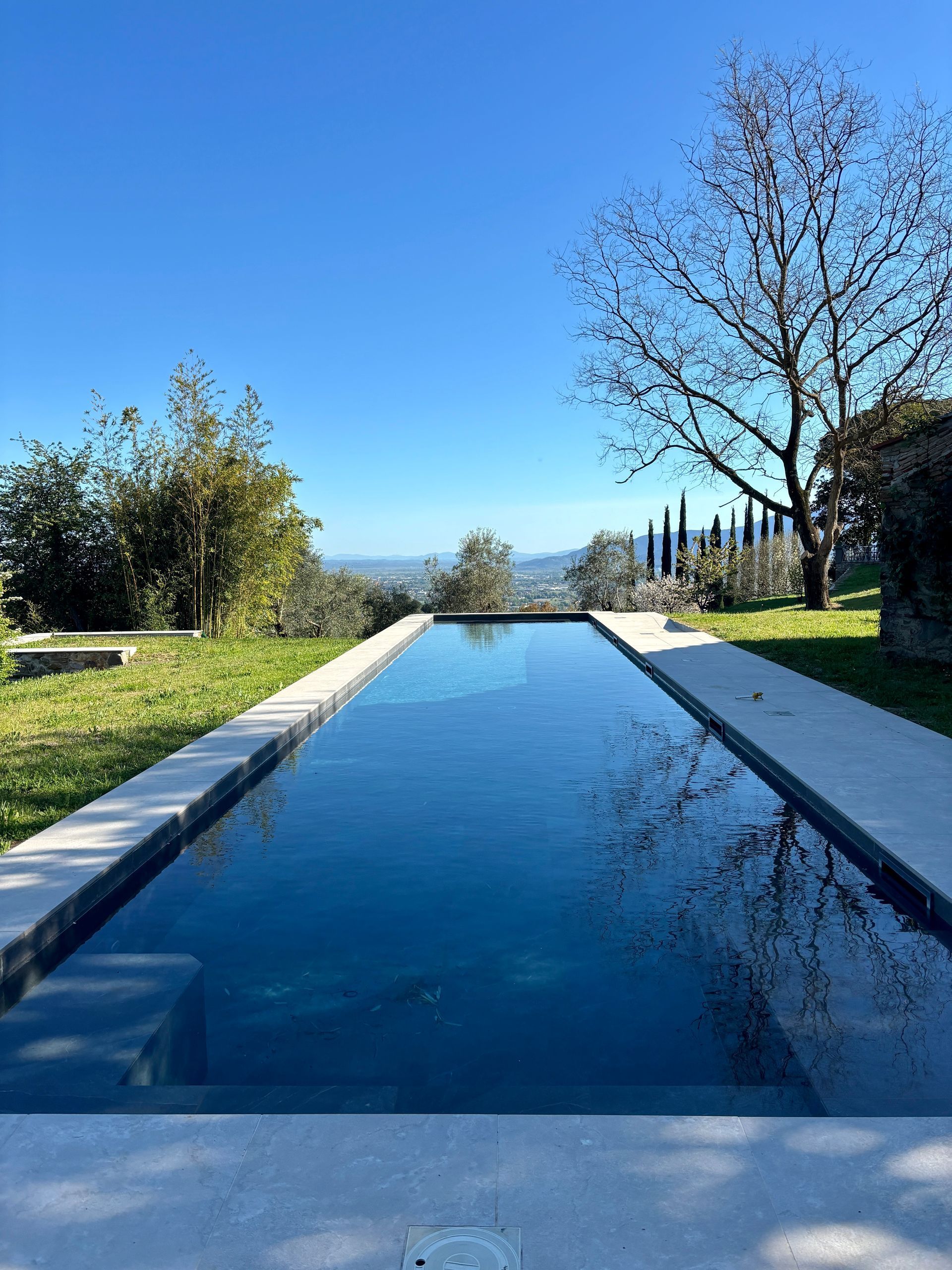
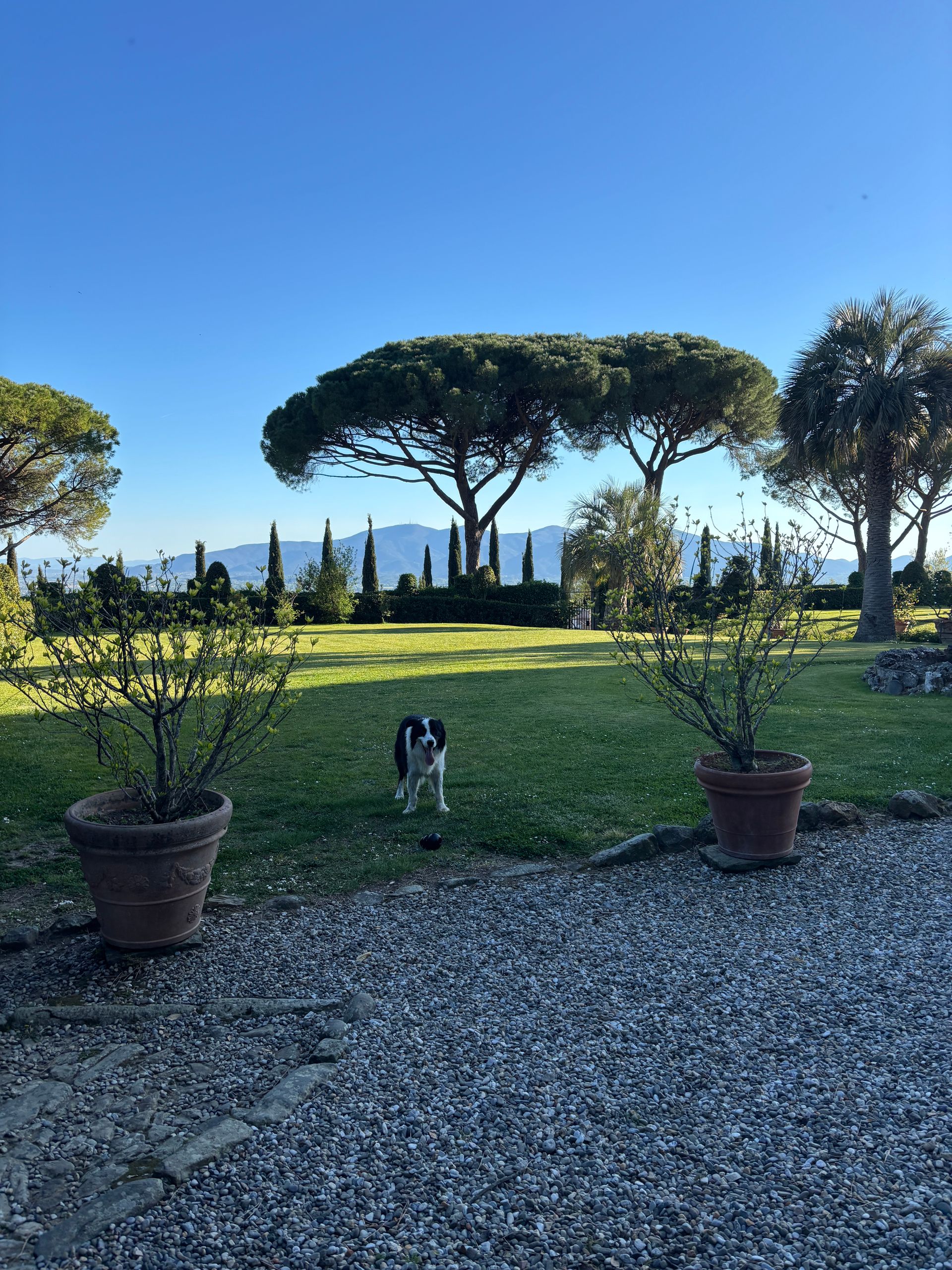
Tucked between the Apennines and the Tyrrhenian Sea, Tenuta di Valgiano occupies one of those corners of Tuscany that feels almost suspiciously beautiful. The estate sits in the hills northeast of Lucca, in the heart of the tiny Colline Lucchesi DOC appellation, surrounded by forest, olive groves, beehives, fruit trees, animals, and sixteen hectares of vines rooted in seriously complicated soil. Limestone-rich alberese runs through the slopes, mixed with marl, sandstone, clay, sand, and alluvial pebbles. Add cool mountain air, sea breezes, generous rainfall, and big shifts between day and night, and you begin to understand why the wines carry so much light, perfume, and freshness.
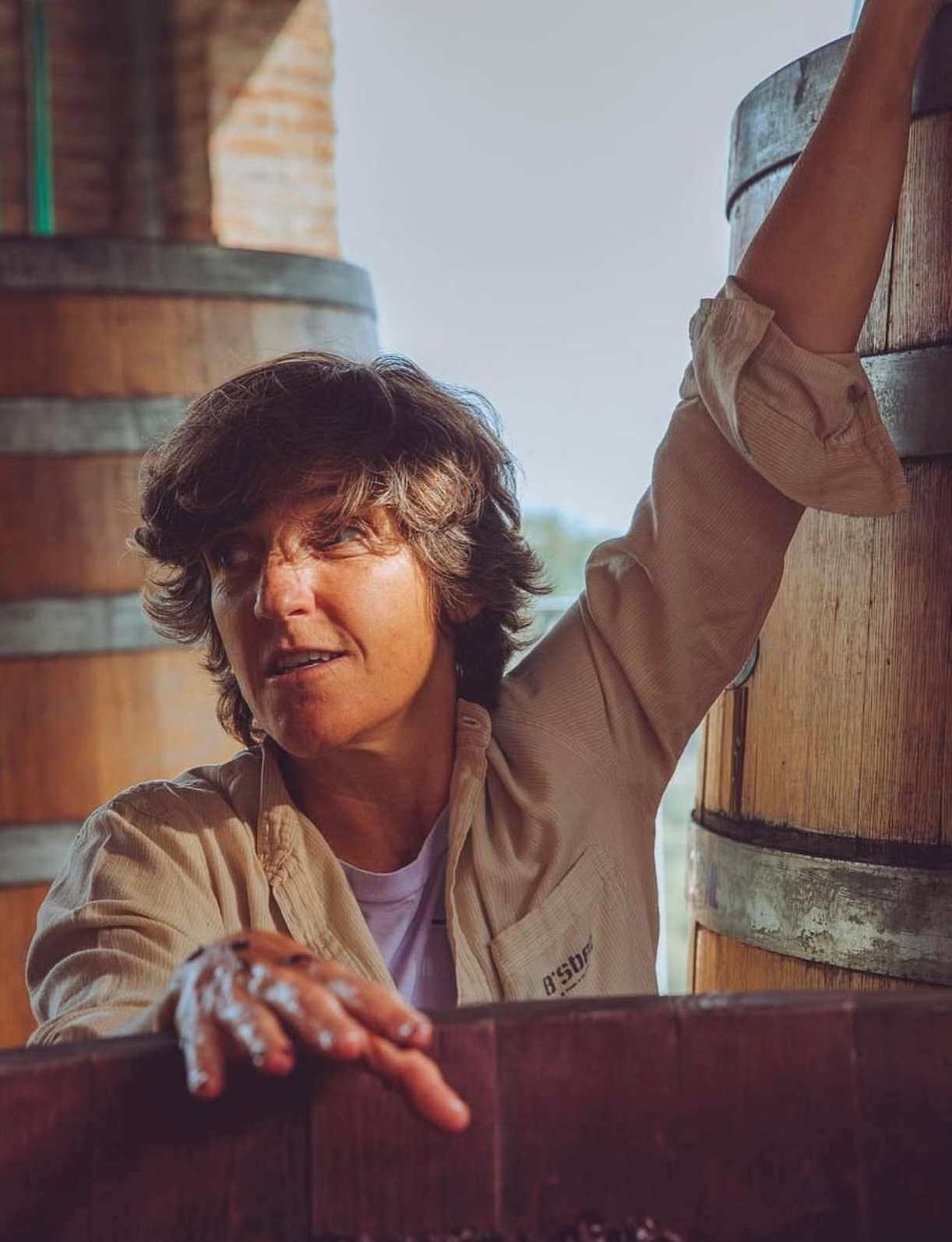
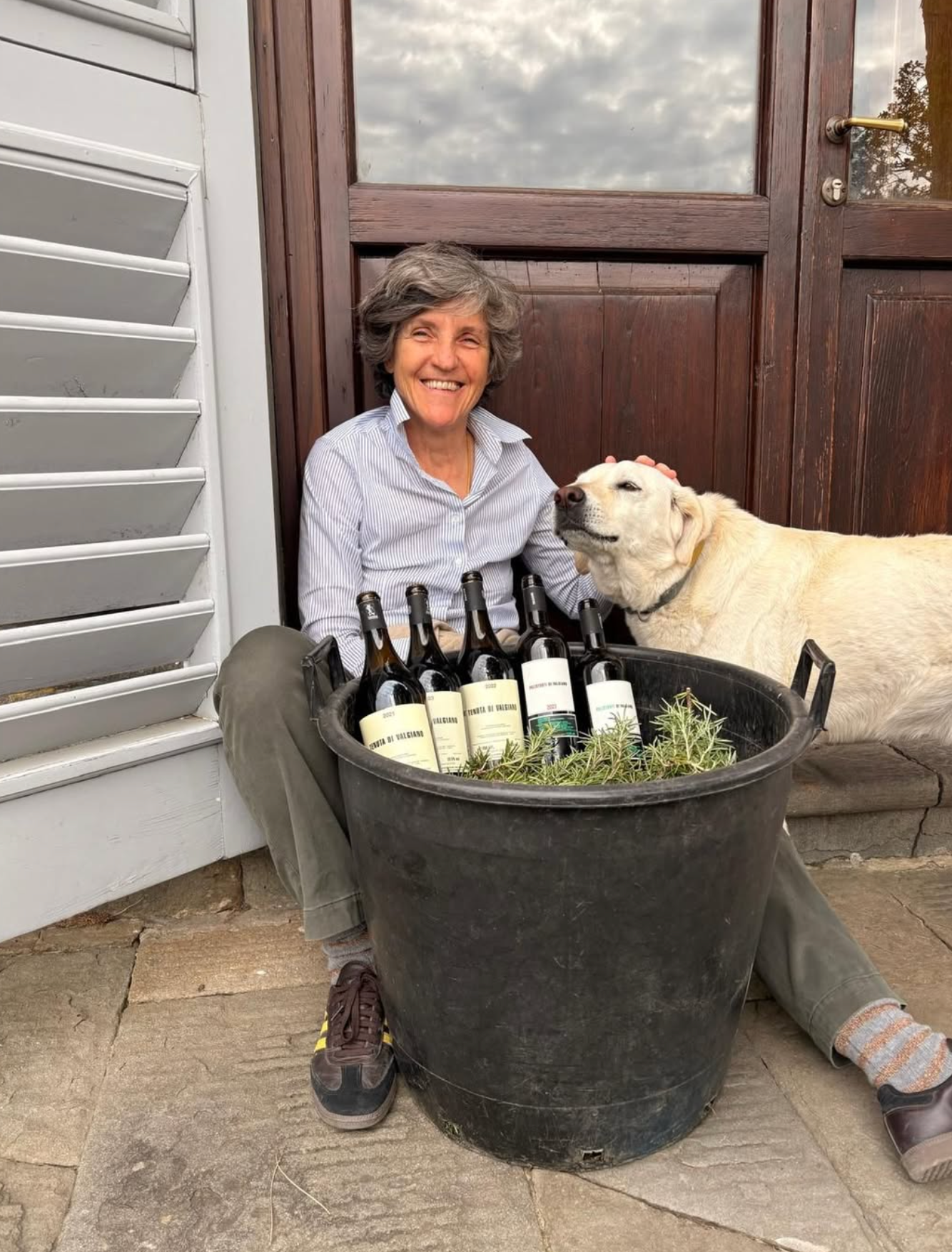
Laura Avogadro di Collobiano and Moreno Petrini arrived here in the early 1990s by a rather unlikely route. Moreno was enjoying the success of an invention involving curved glass, while Laura, born in Turin and educated in Britain, was working in a shipyard in Viareggio. Soon after meeting, they discovered a shared and slightly unfashionable desire to leave modern life behind and live closer to nature.
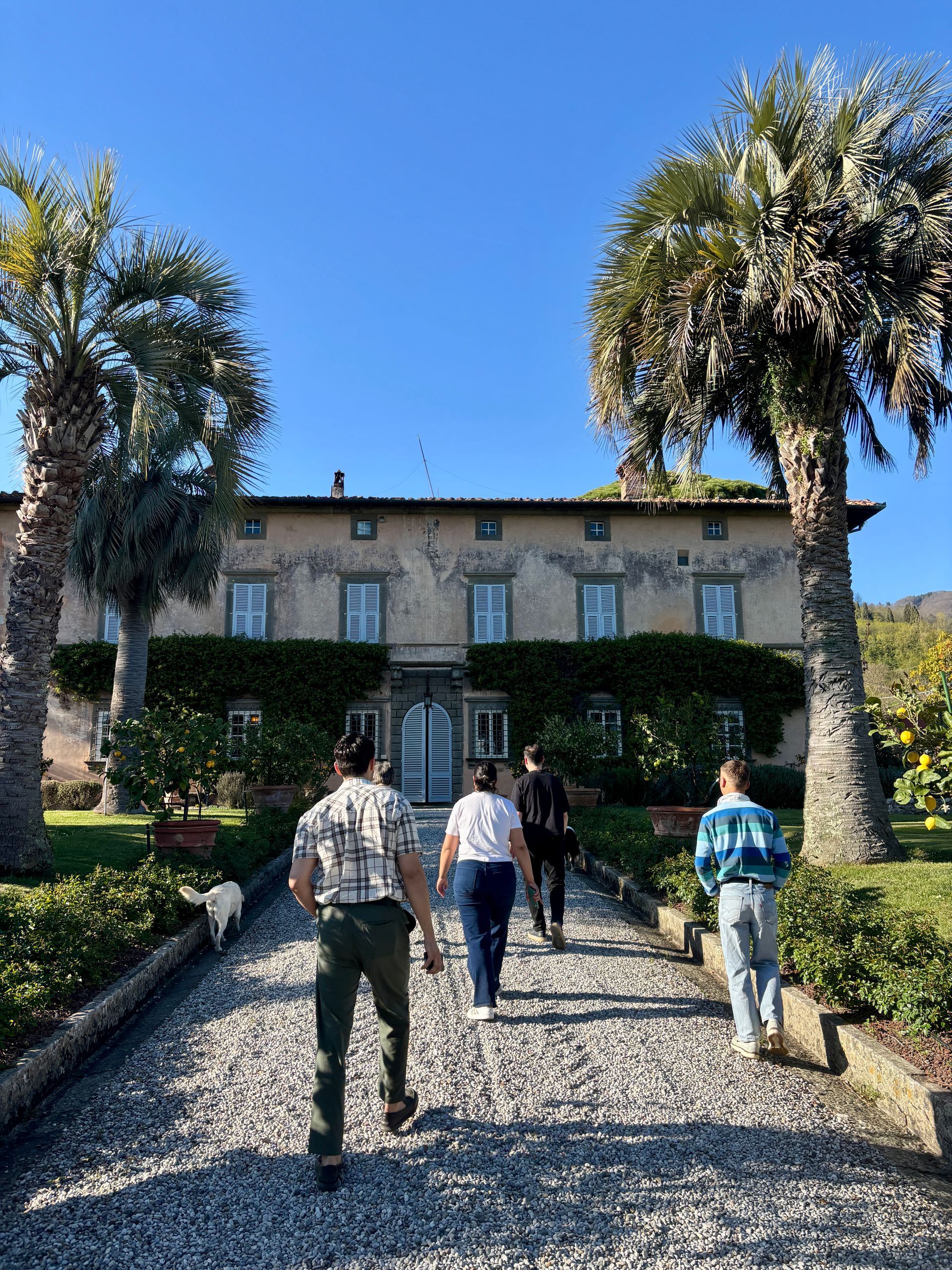
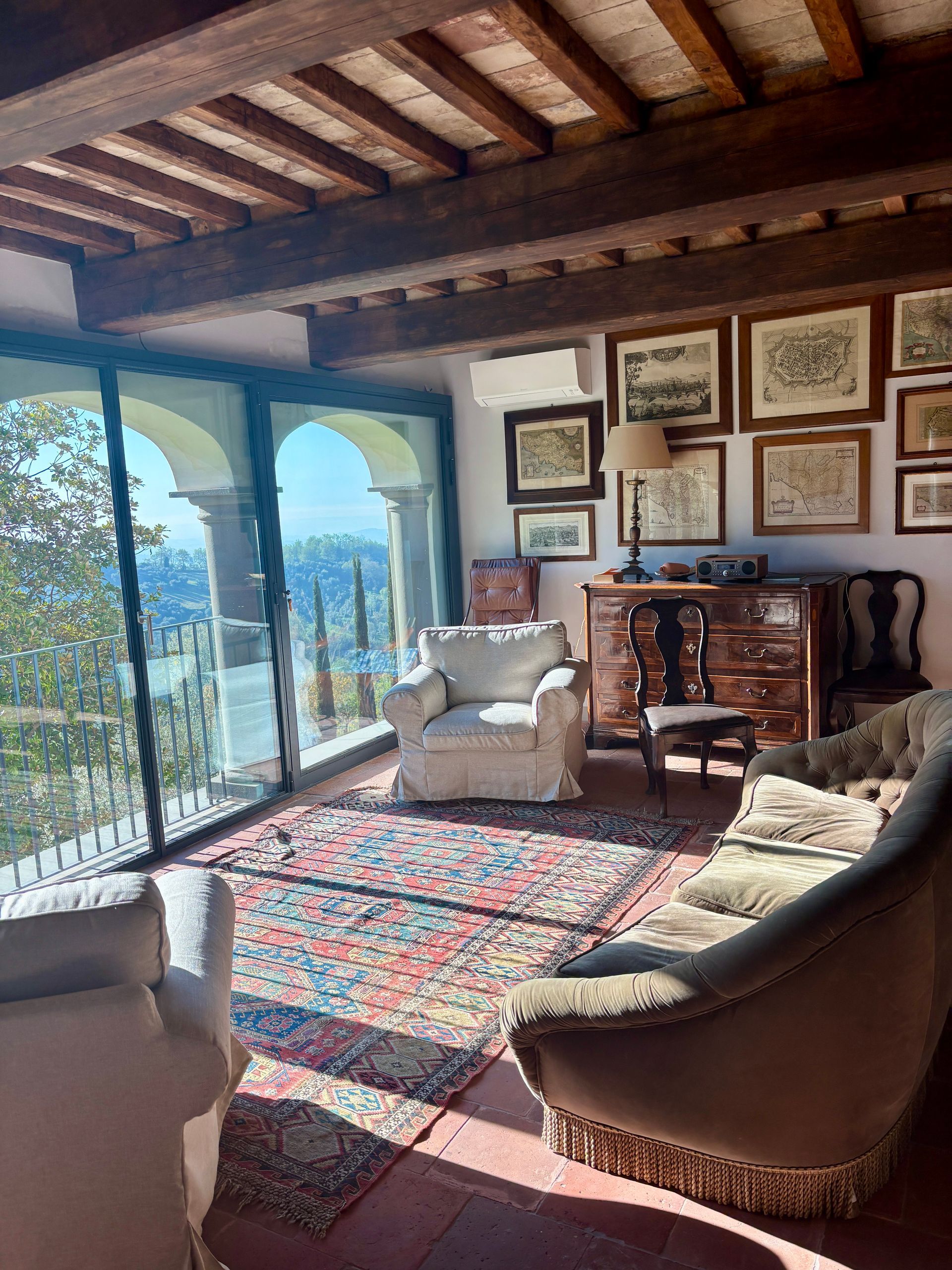
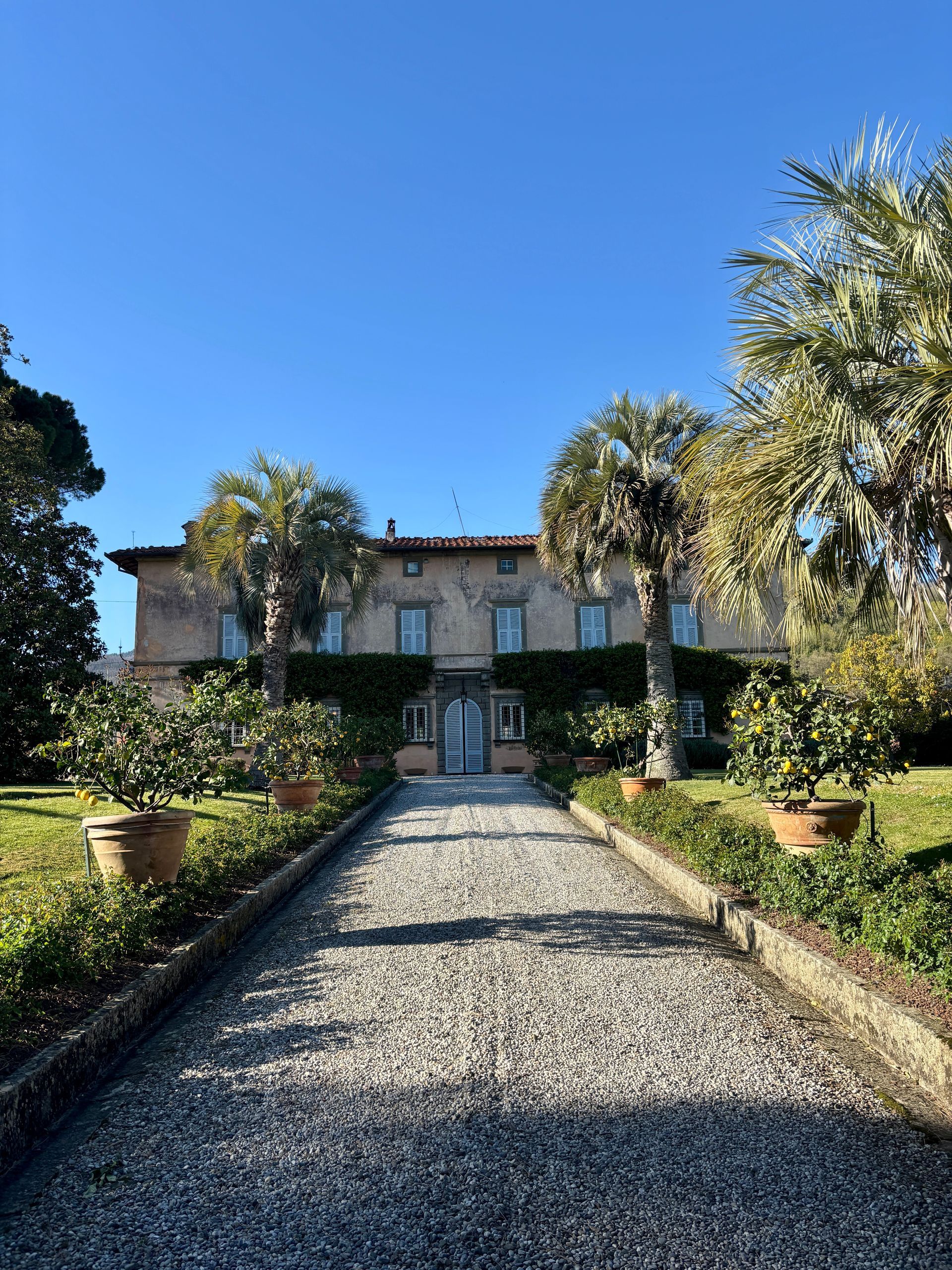
They found Valgiano in 1993, complete with a villa dating to the late fifteenth century, around twenty hectares of forest, thousands of olive trees, and vineyards overlooking Lucca. The property had been associated with wine for centuries, but Laura and Moreno slowly rebuilt it into a living, breathing agricultural estate rather than a monoculture vineyard.
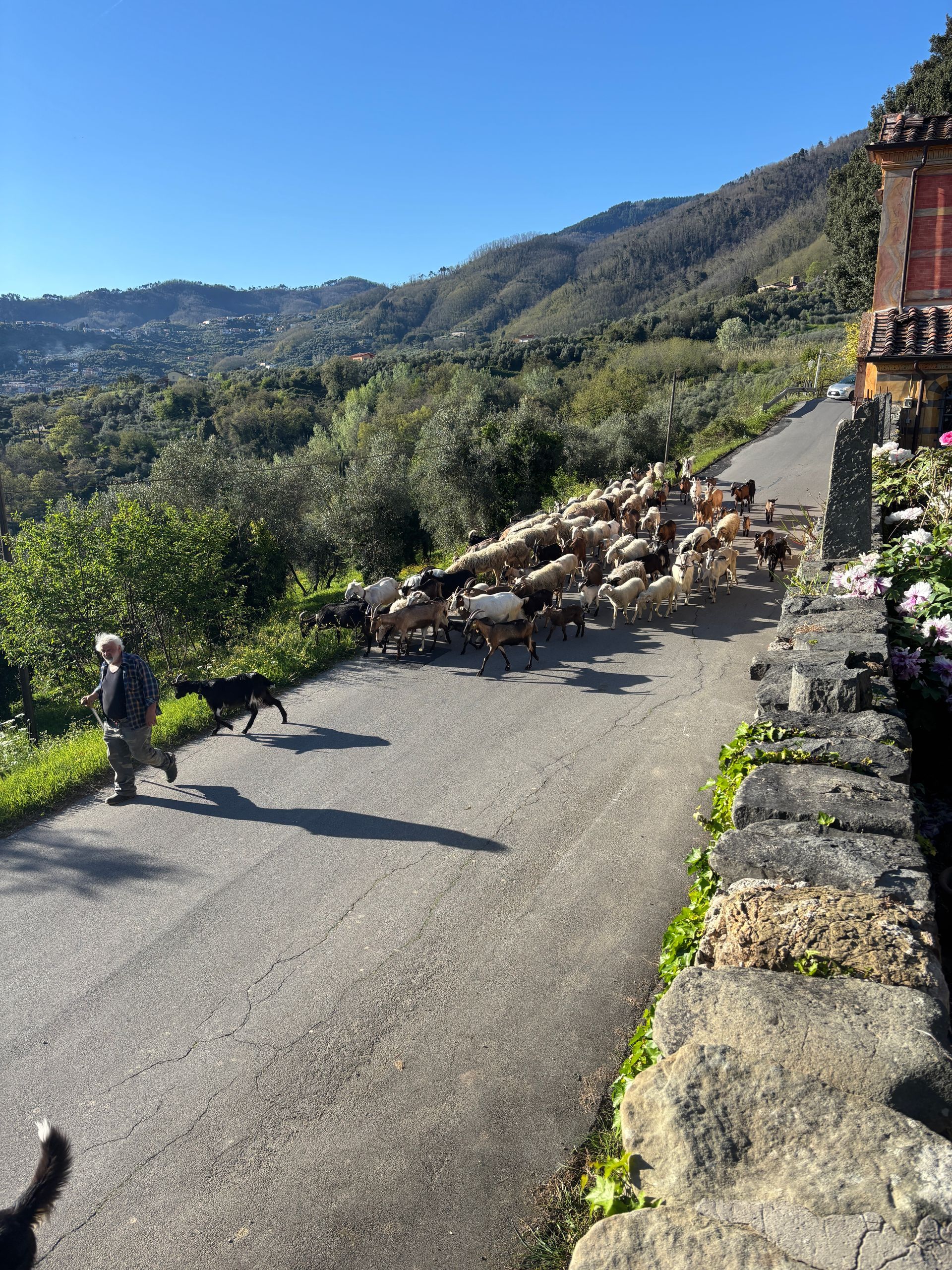
Today there are olive groves, peach trees, vegetable gardens, wheat for bread and pasta, pigs, chickens, rabbits, neighbouring sheep and goats, and around fifty beehives humming away among the vines. It is less a winery with some countryside around it and more an entire ecosystem that happens to make wine.
The estate became certified organic in 1996 and biodynamic in 2002, making Valgiano one of the early Italian estates to take biodynamic farming seriously. The approach here never feels mystical or performative. It is simply farming, done with obsessive attention to soil health, water, oxygen, plant balance, and the life moving above and below the ground.
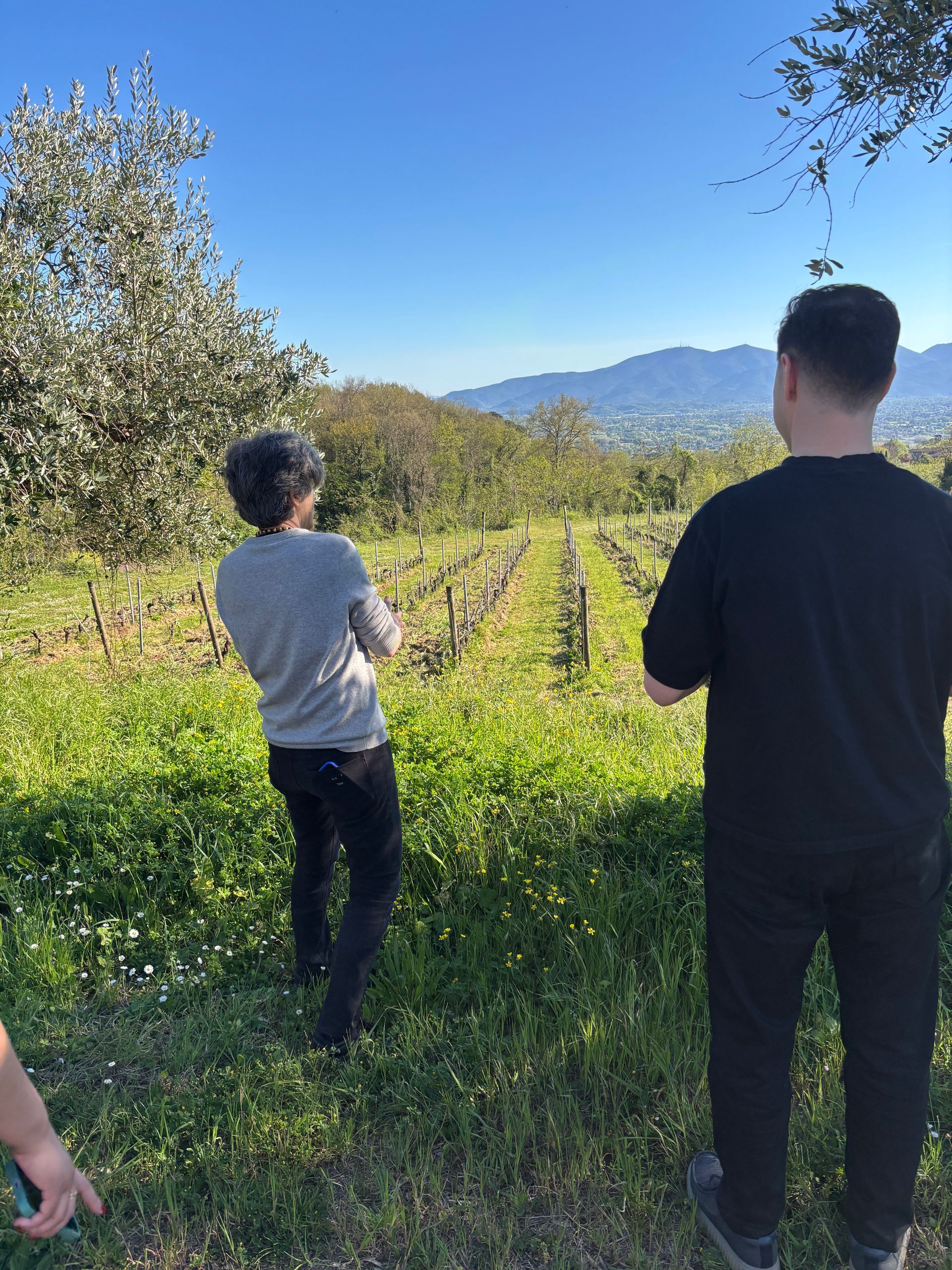
Laura once described biodynamic farming as becoming a creator of health rather than a fighter of disease, which may be the clearest explanation of Valgiano’s philosophy. Cover crops are used to bring oxygen into the soil, manage water, and protect the vines in variable climate. Preparations are made on the farm, including the famous preparation 500, and the results are visible in the structure and life of the soil itself. As Laura put it during our visit, water is full of light. It sounded slightly poetic at first, and then, standing in the vineyard and tasting the wines, it somehow made perfect sense. We will leave it at that.
Sangiovese is the heart of the reds, joined by Merlot, Syrah, Ciliegiolo, and Canaiolo. Merlot tends to play a larger role in cooler years, while Syrah becomes more prominent in warmer vintages. These French varieties are not quite the outsiders they may appear to be; Merlot and Syrah have been cultivated around Lucca for more than two centuries, dating back to the period of Elisa Bonaparte Baciocchi, Napoleon’s sister, the princess of Lucca.
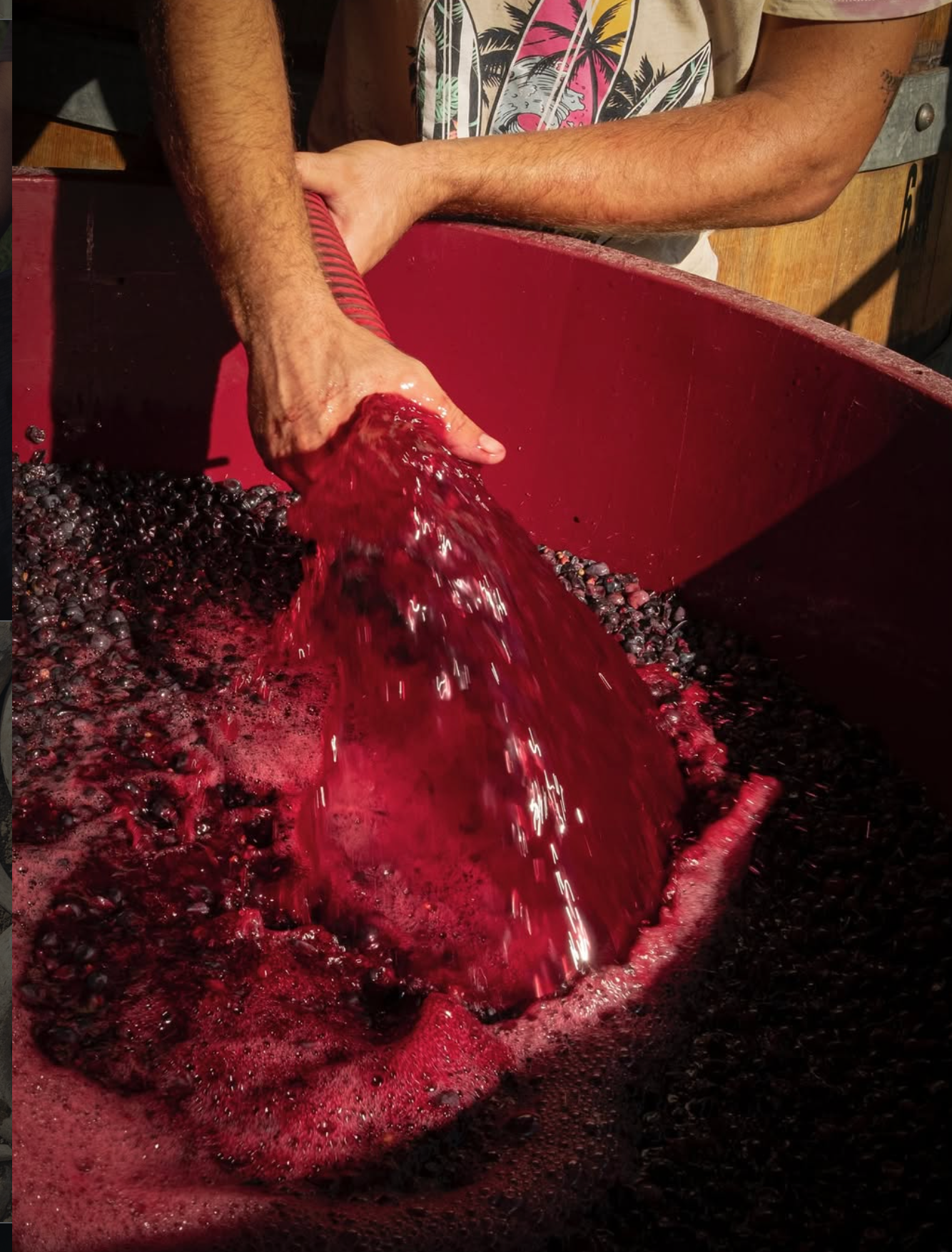
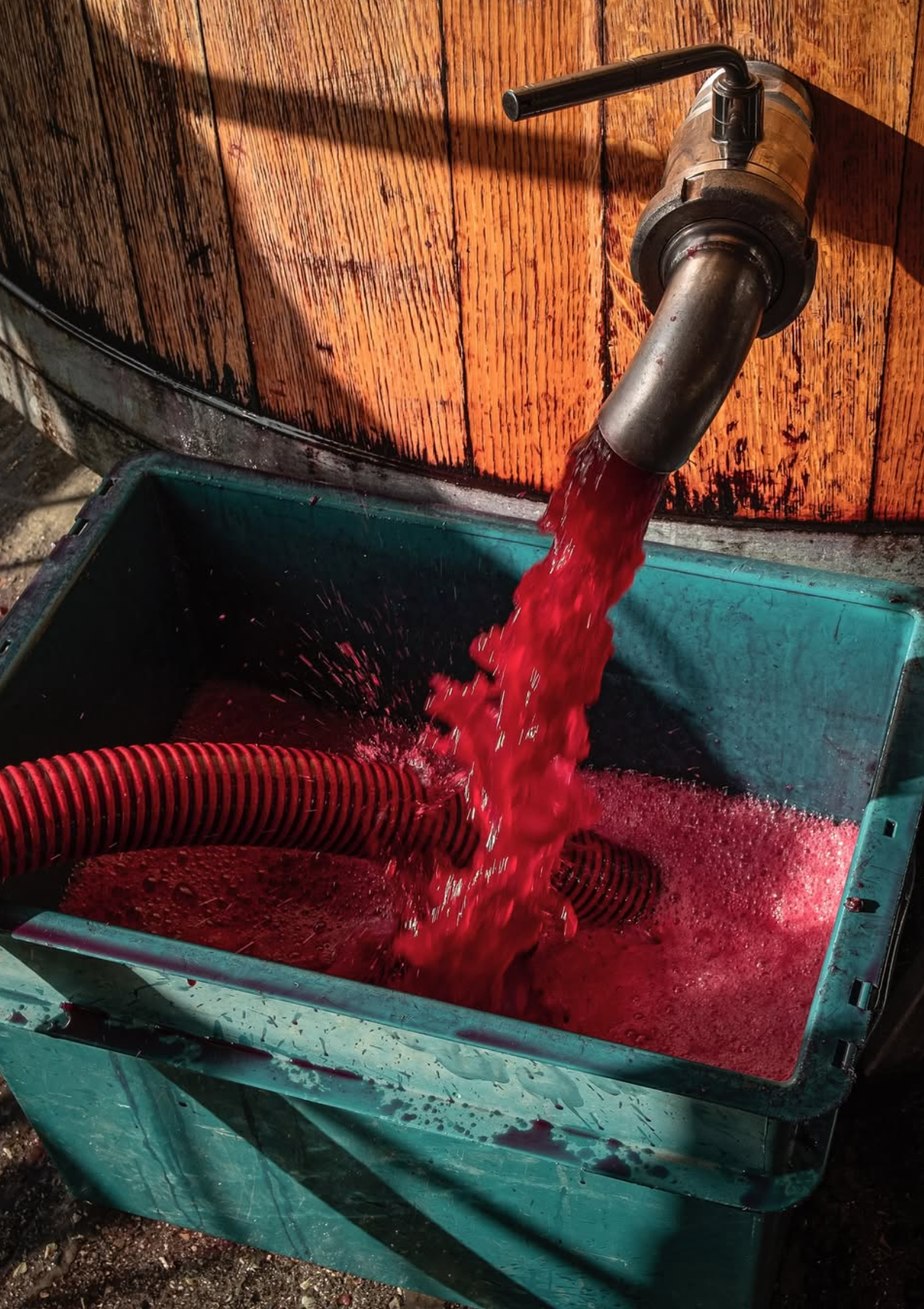
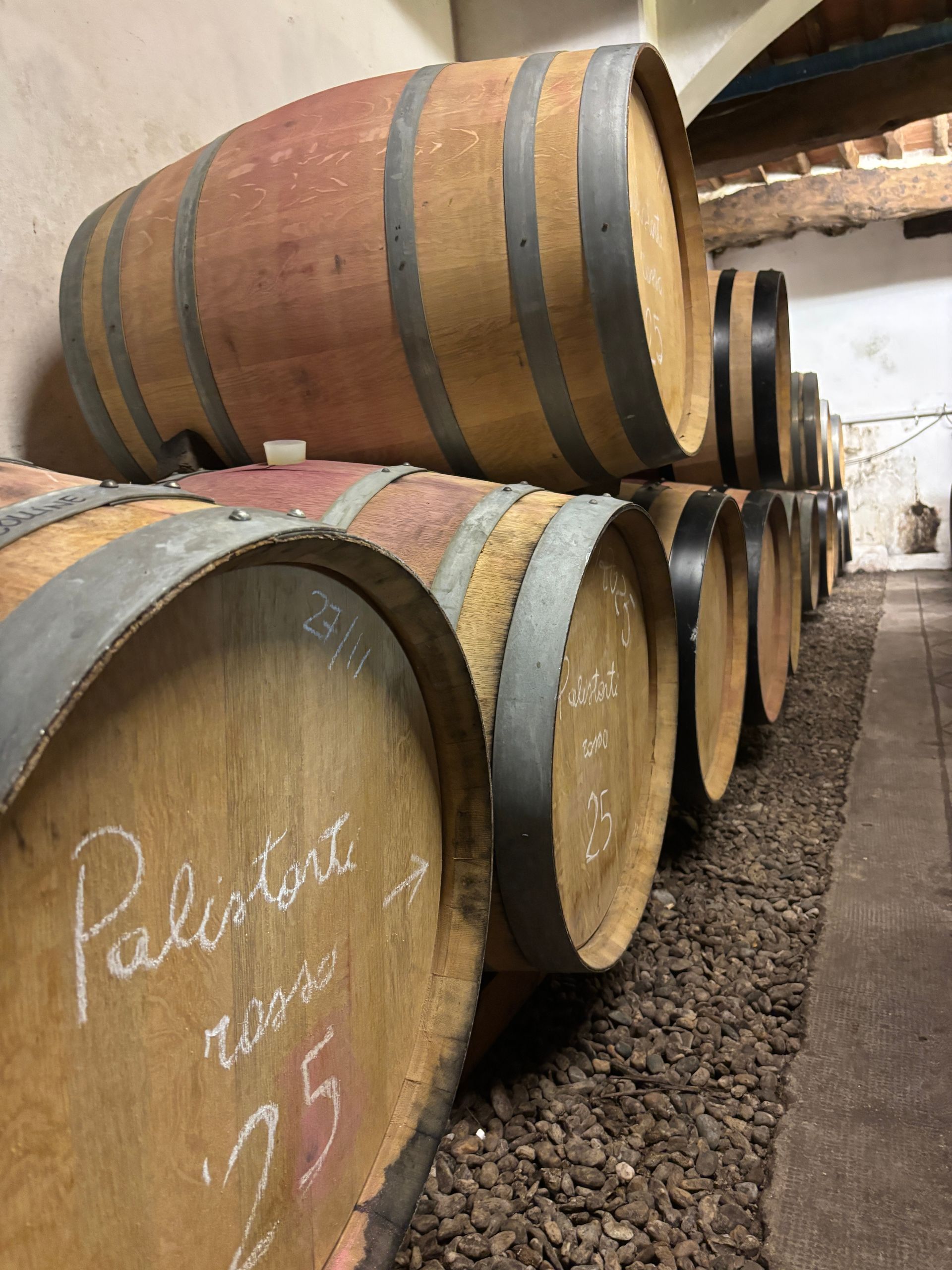
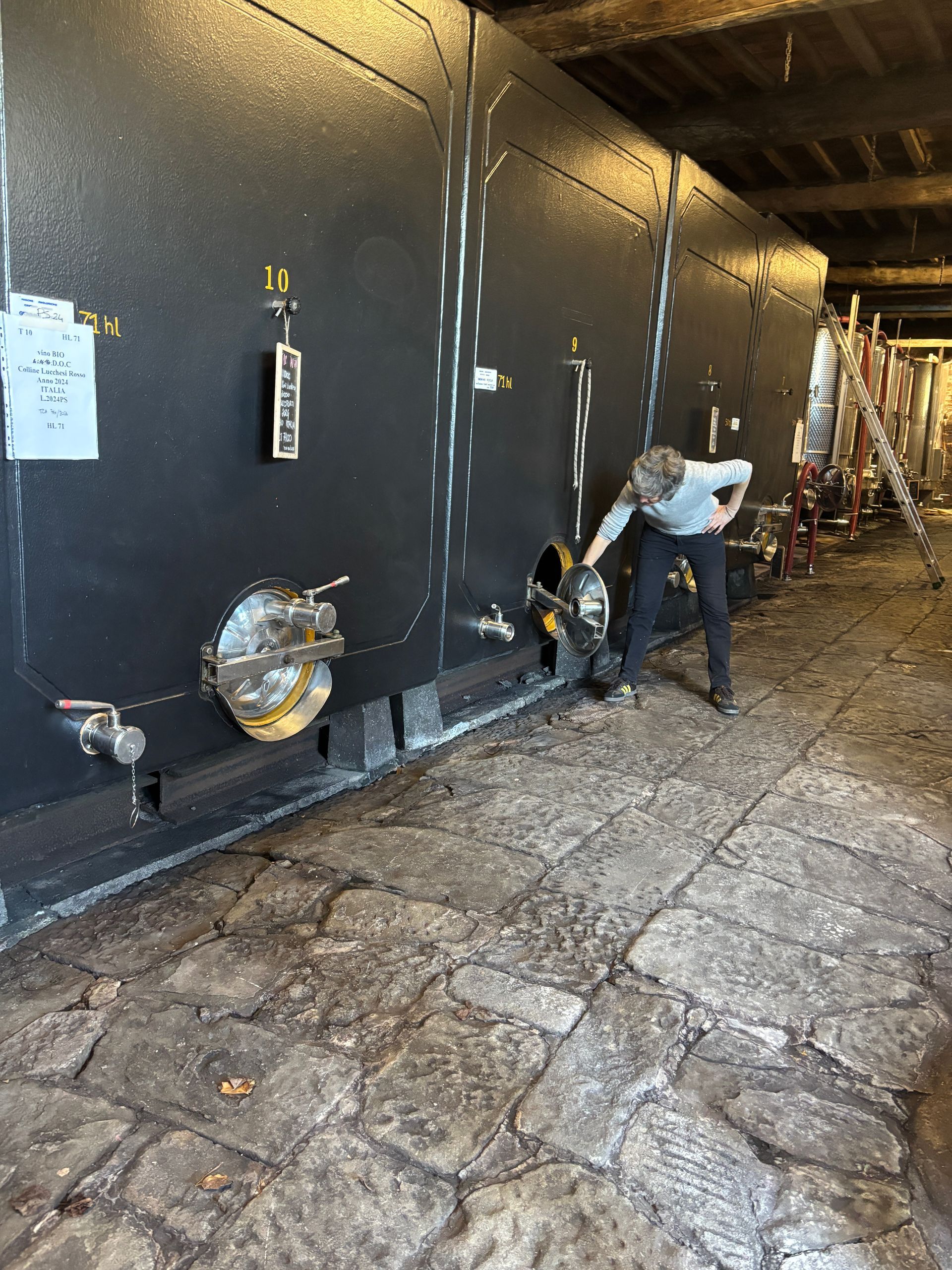
Palistorti Rosso and Tenuta di Valgiano are made with the same care and broadly the same methods, but from vines of different ages. Palistorti comes from vines around fifteen to twenty years old, while the estate wine is drawn from vines closer to thirty-five or forty. Both ferment spontaneously with native yeasts, with gentle extraction and open-air fermentation, followed by ageing in used French oak and concrete. The wines are unfined, unfiltered, dry-farmed, and handled as little as possible.
Palistorti means crooked posts, the name given to the vineyard because the large limestone rocks near the surface made it nearly impossible to plant the rows straight. It is a wonderfully practical name for a wine that captures the place so clearly. The tiny-production Palistorti Bianco brings together Vermentino, Trebbiano, Malvasia, and other local white varieties, with the estate now experimenting with Semillon after discovering old plantings nearby. Only around 8,000 bottles are made, despite demand being closer to 20,000, and very little ever leaves Italy. It is easy to understand why. The wine is salty, textural, layered, and quietly complex, with the kind of completeness that makes it feel completely at home on the table.
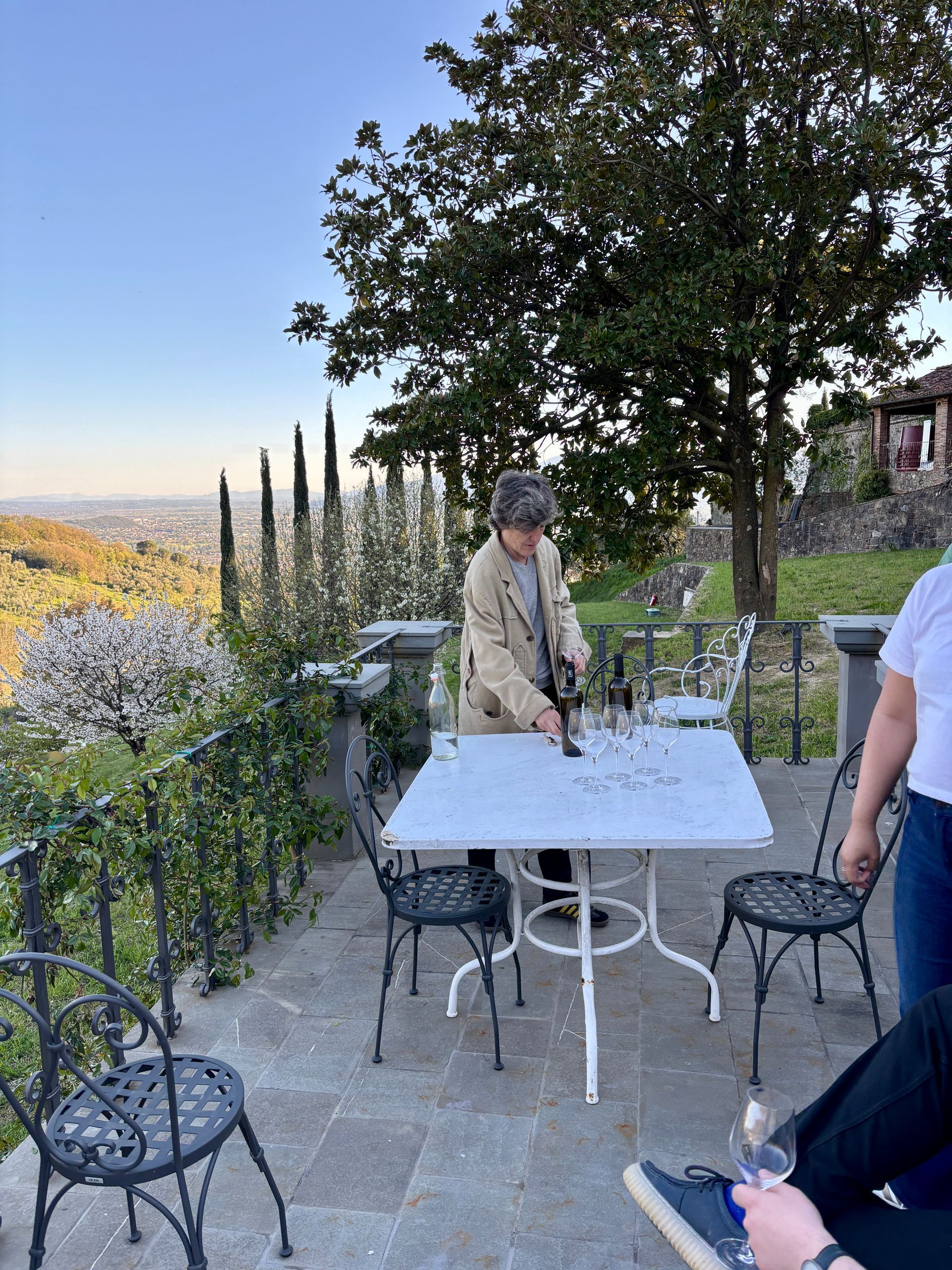
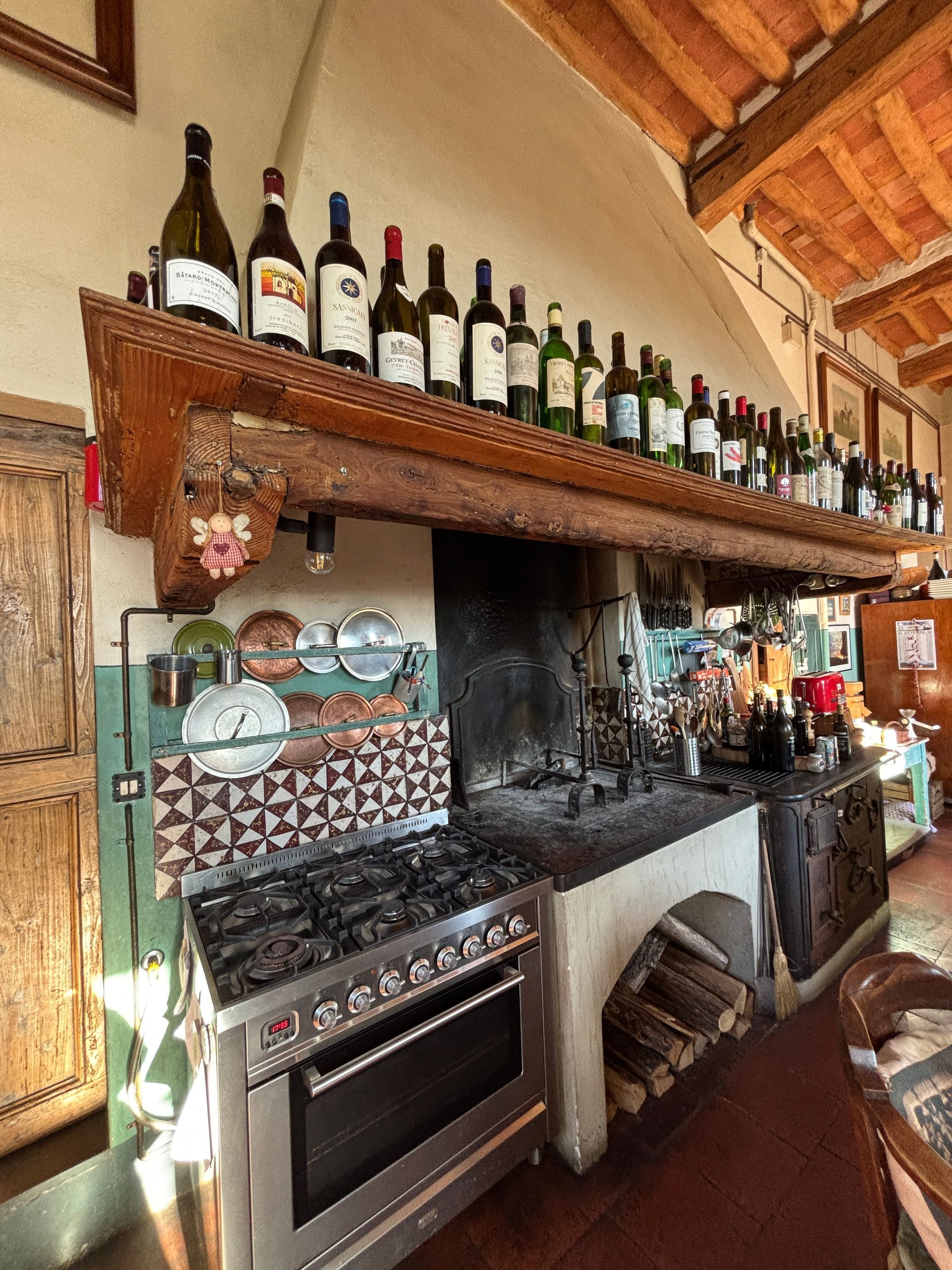
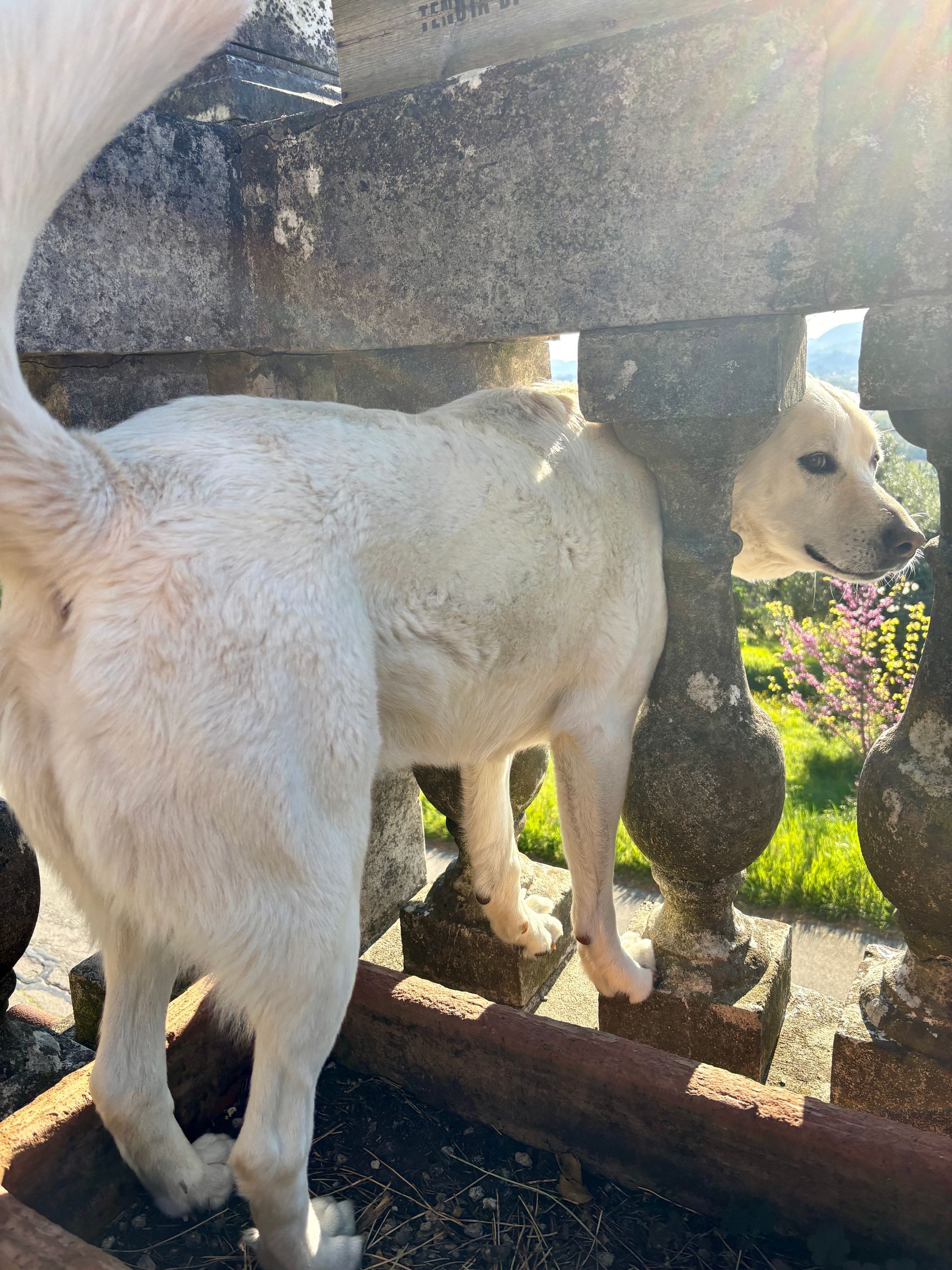
That may be the most important thing about Valgiano. The wines never feel separated from the life around them. They taste like the forest, the limestone, the sea air, the rain, the olive trees, and the long table where Laura served chestnut cake while the dogs wandered through and everyone kept talking long after the glasses should probably have been cleared.
This is another Tuscany entirely: neither the classicism of Chianti and Montalcino nor the polish of Bolgheri, but something more intimate, luminous, and alive. A farm first, a winery second, and a very special place throughout!
Wines by this Producer
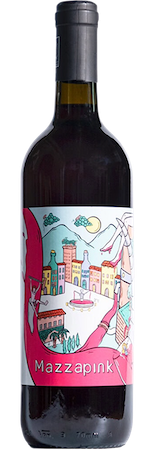
2025 Mazzapink
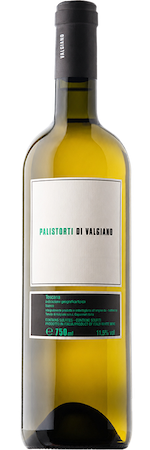
2025 Palistorti di Valgiano Bianco
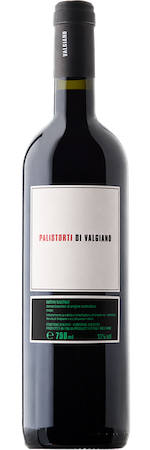
2023 Palistorti di Valgiano Rosso
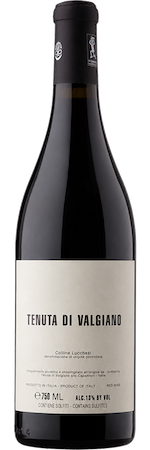
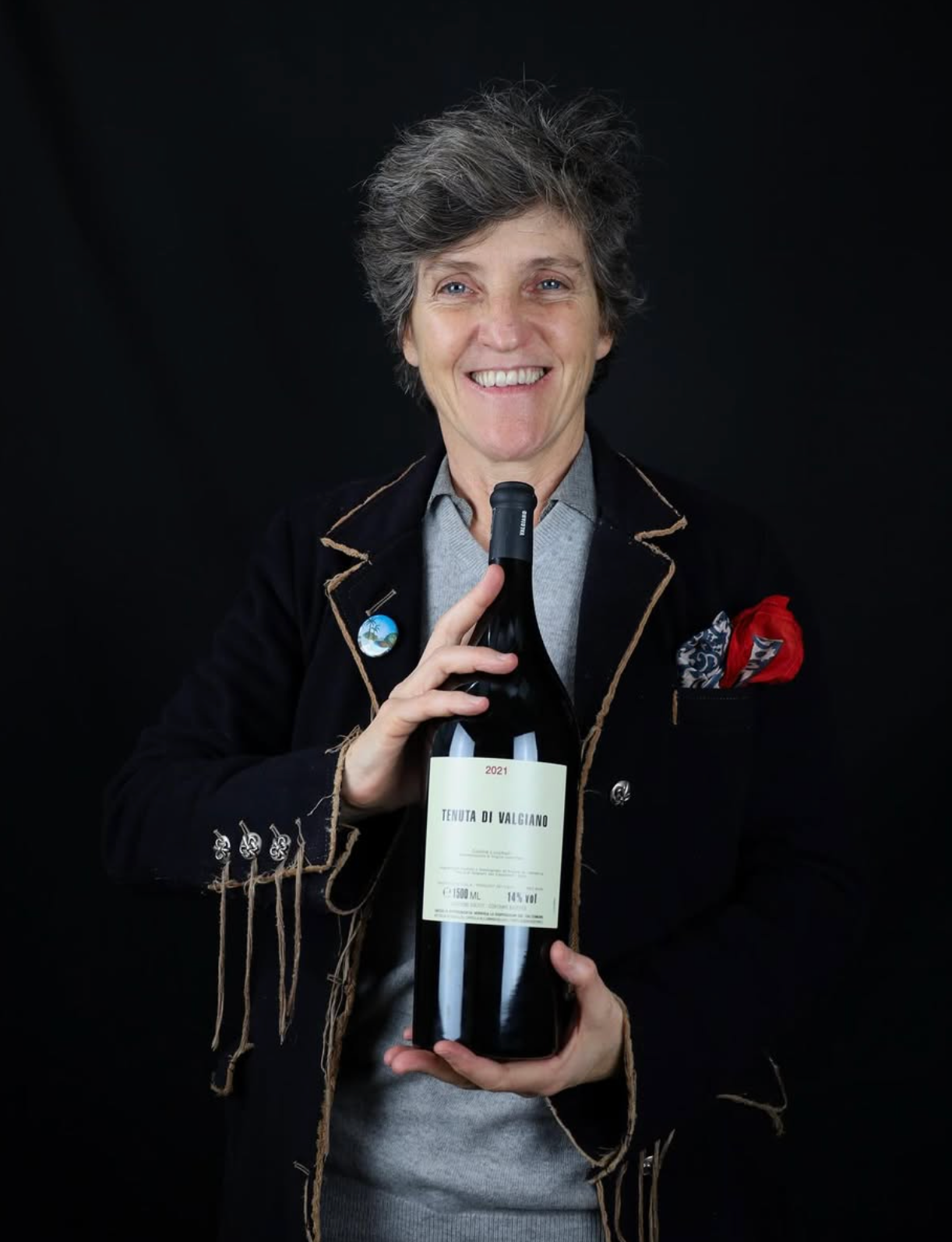
2022 Tenuta di Valgiano
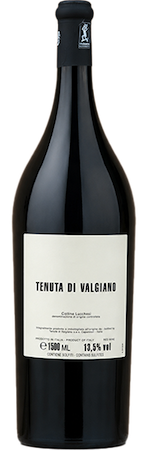
2022 Tenuta di Valgiano MAGNUM