Domaine Bersan
Saint-Bris, Irancy, Chablis, Bourgogne, France
Jean-Christophe’s wines are of the highest class across all
three grapes, Sauvignon, Chardonnay and Pinot Noir.
Jasper Morris MW, Inside Burgundy, p.184.
Have you ever sat around thinking, What if you could taste a Pinot Noir from Chablis? Or a Sauvignon Blanc from Chablis?? Well, guess what…
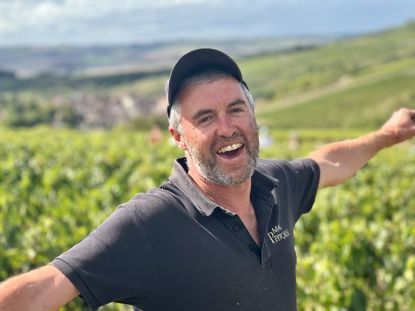
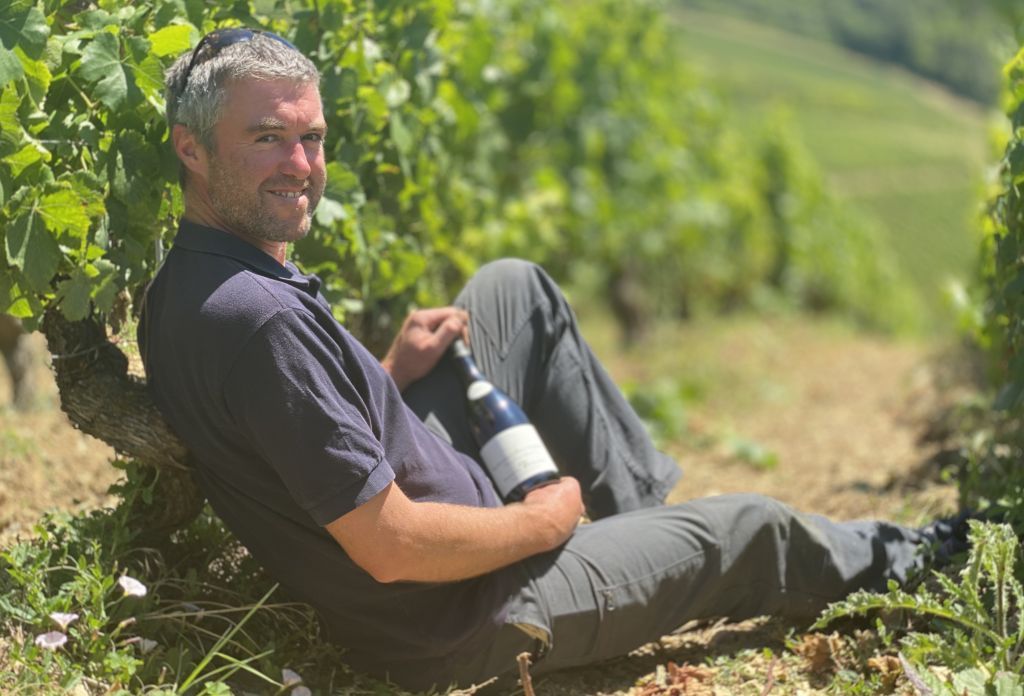
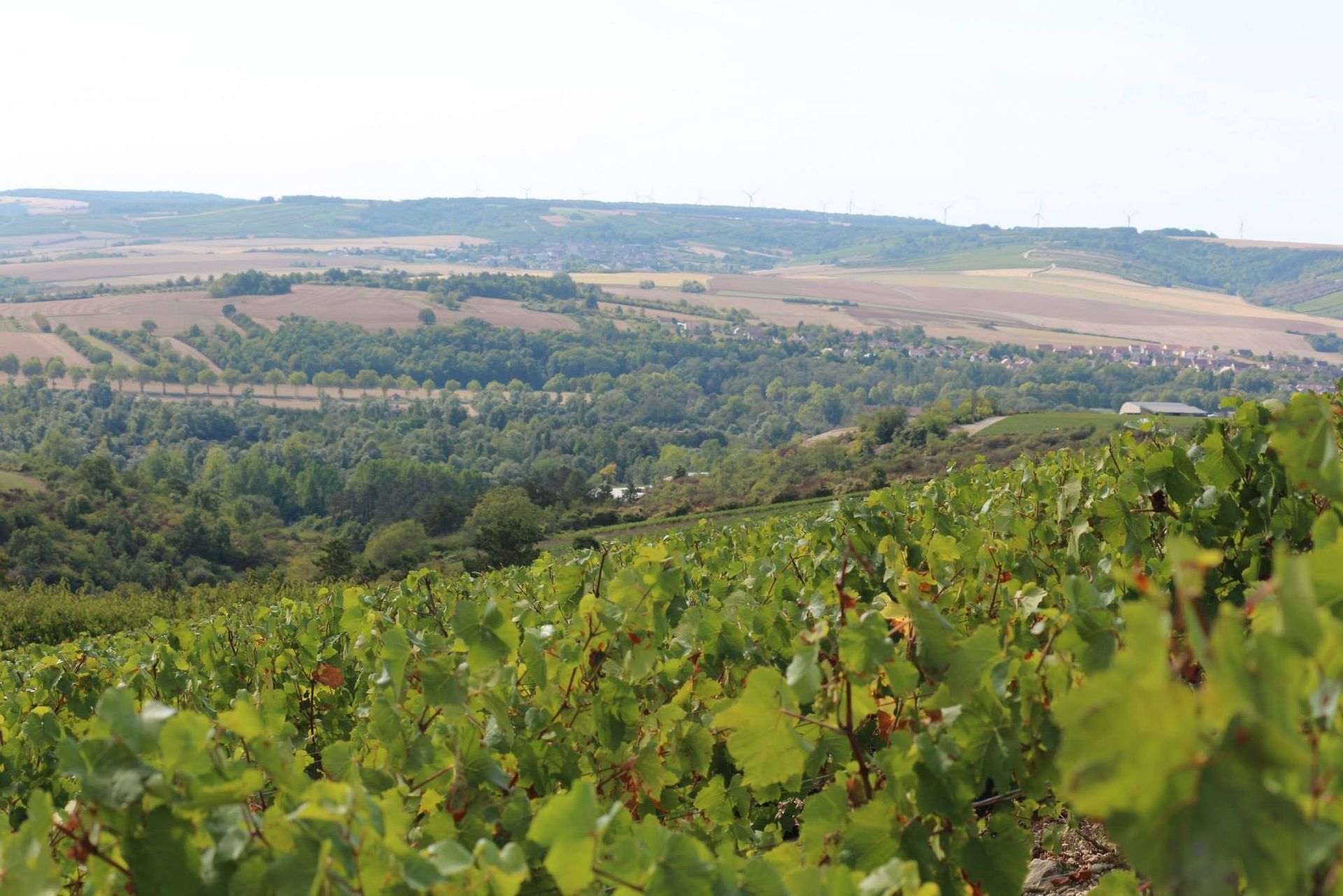
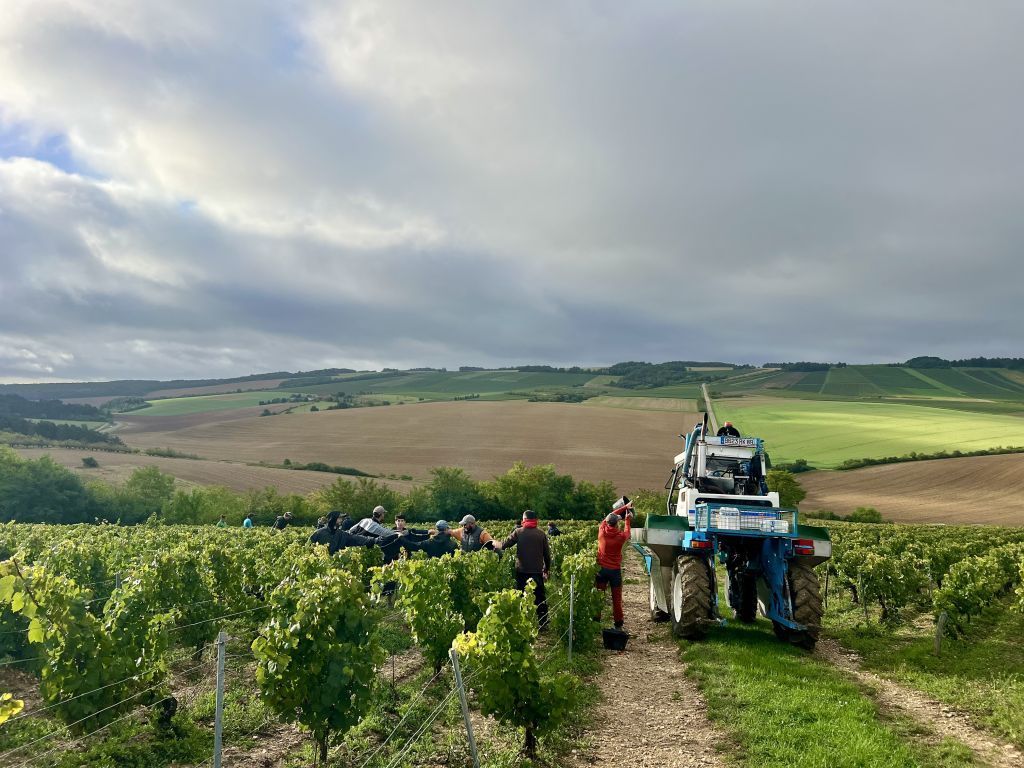
Jean-Christophe BERSAN is a benchmark producer of the exhilarating AOCs SAINT-BRIS and IRANCY in Burgundy’s northernmost vine land, the resurgent Grand Auxerrois. The Auxerrois is home to Chablis, of course, but also to a roster of crackling sub-regional Bourgogne AOC villages like Chitry and Tonnerre and Coulanges-la-Vineuse, to name only a few. Of these several exciting villages, the most ascendant and thirst-arousing are those three that have risen to join Chablis on the appellation totem pole, claiming their own stand-alone village-named appellations, each with their own specialties, and each with that same mercurial climate and hallowed Kimmeridgean limestone:
1. The forever fascinating Saint-Bris AOC, where Burgundy claims its only example of Sauvignon Blanc (alongside Sauvignon Gris!), a Jurassic limestone marl endowment with that same Kimmeridgean limestone you see in Chablis and Sancerre alike, but here we have a Sauvignon made in a full-MLF Chablis winemaking-style with a Chablisien climatic stamp and salinity.
2. Irancy AOC, the village that answers the question “what if Pinot Noir was grown in Chablisien weather on Chablis’s famous Kimmeridgean limestone?”—and also famous for retaining the ancient red variety called César.
3. And then the picture-perfect Chardonnay-focused Vézelay AOC (not relevant for my Domaine J-C Bersan here, but I quite like my Nobilis pals’ Dom La Croix Montjoie’s Vézelay if you’re curious).
And then there’s the wonderful “Bourgogne AOC Côtes d’Auxerre” catchment! As you’ll see in blue on this map, this appellation is the unassuming easter egg where you’ll find all the incredible Pinot Noirs and Chardonnays that are grown in Saint-Bris but of course cannot claim that AOC as its for Sauvignon! (Moreover, those light green areas on the map are where the delicious Crémants de Bourgogne are grown up here). Rounding out the Bersan buffet is of course Chablis… wondrous, battery-charging, mouth-watering Chablis. What needs be said? It’s one of the world’s most important examples of just how much terroir can change the way a food tastes. I was planning to finish this rhapsody, but I think we should just dive into this topic now.
It’s an old and easy cheap shot we wine professionals like to take when we’re decrying the ABC fads of the yester-decade. We’d say “oh this table came in and they said I’m feeling like a white please garçon, so long as its Anything But Chardonnay… Do you have a Chablis perhaps??! I looove Chabliiis.”
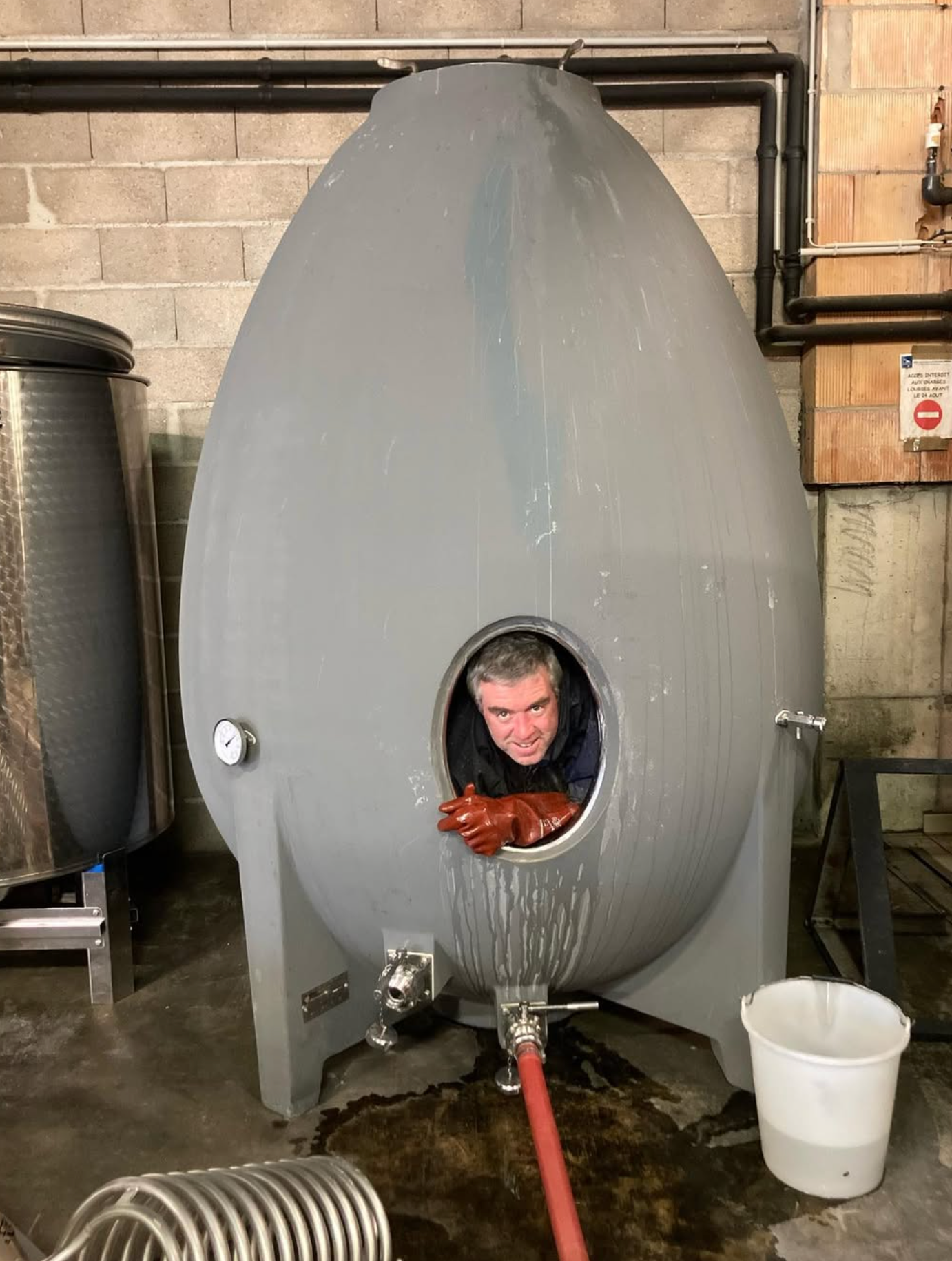
[Cue the canned live audience of cackling winos.] But you know what…there’s a beautiful truth concealed in this common fumble! Terroir, especially remarkable, unique, perfectly variety-matched terroir, can really change a wine’s profile that much. Enough that folks can actually convince themselves that the world’s most planted, most familiar white grape couldn’t possibly be whatever that is in that glass of Chablis right there. And god knows how many tedious, insipid, stainless-steel-chard chablis-alikes we’ve all tasted that did absolutely nothing by comparison. The fact that Chablis can be as interesting as it is despite being raised in some airtight steel (when we all know Chard is an outside dog that loves to breathe)! It’s just a testament to the magic of this land that these wines speak so eloquently here, even when cloistered in a tank. So let’s get into it!
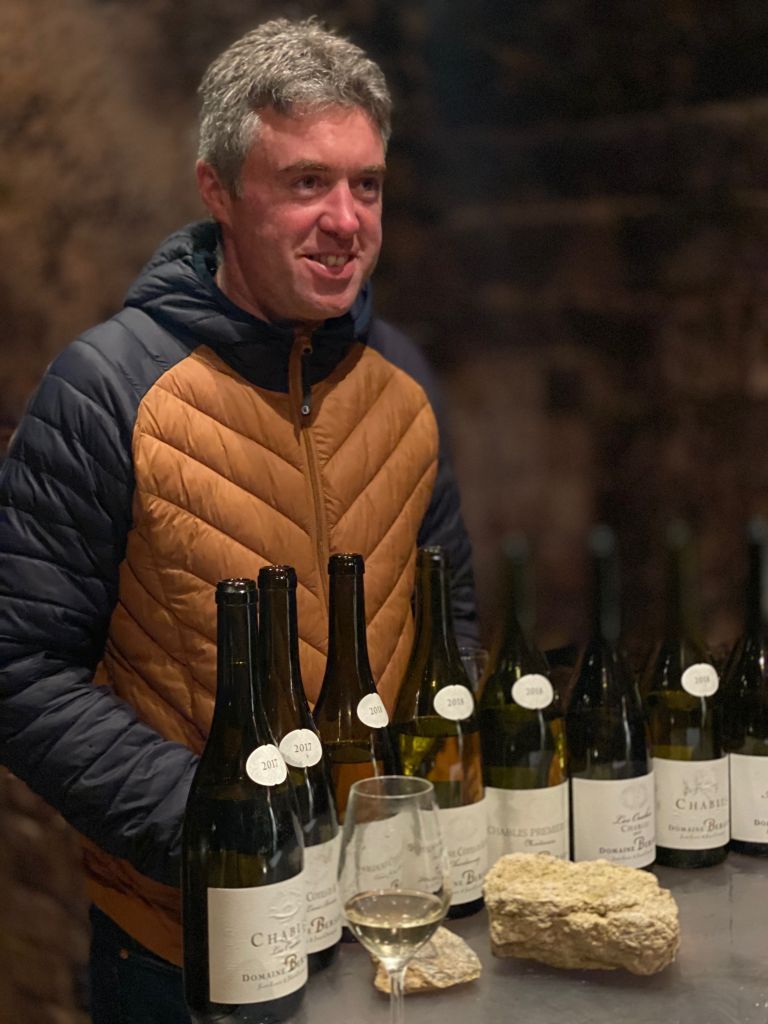
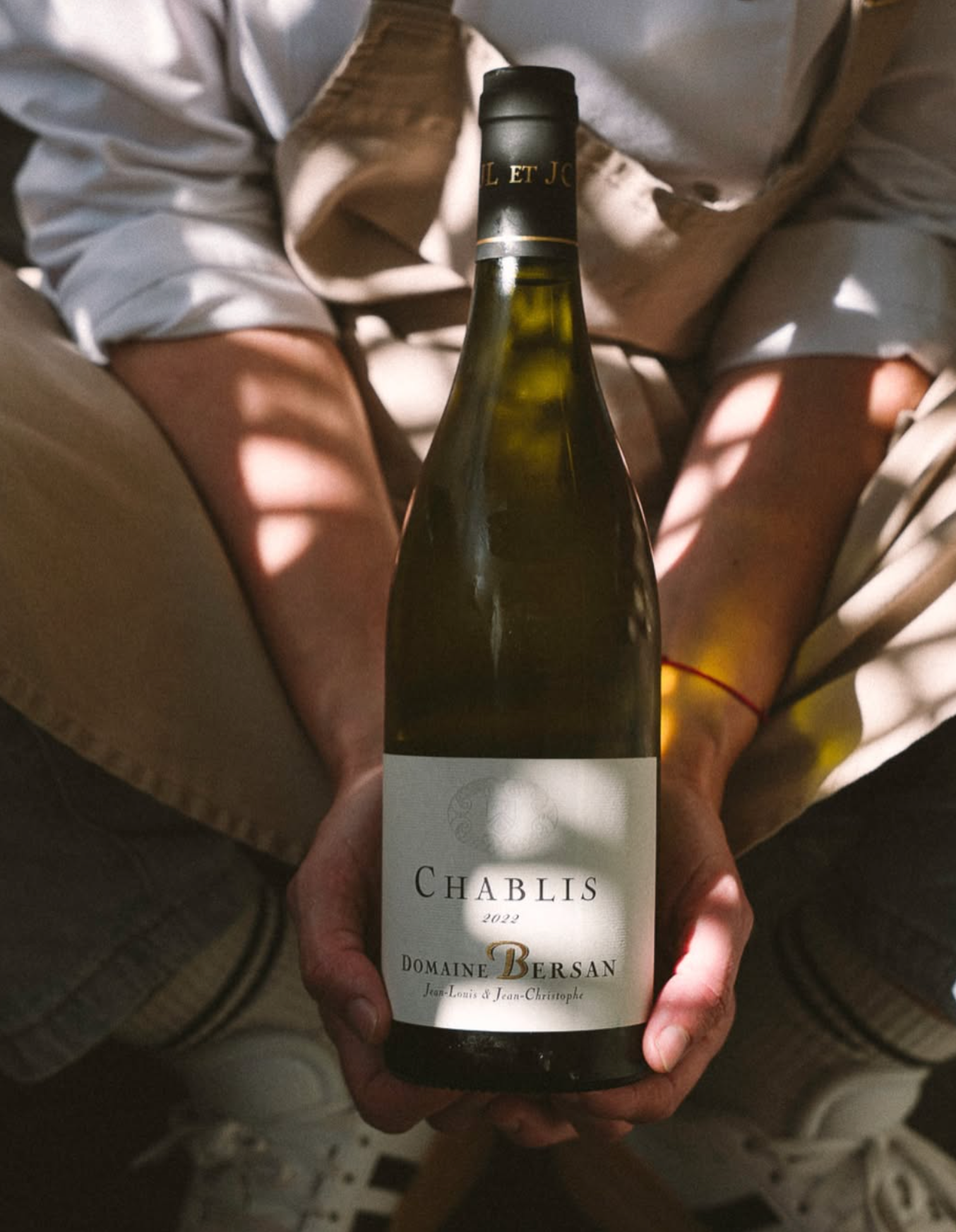
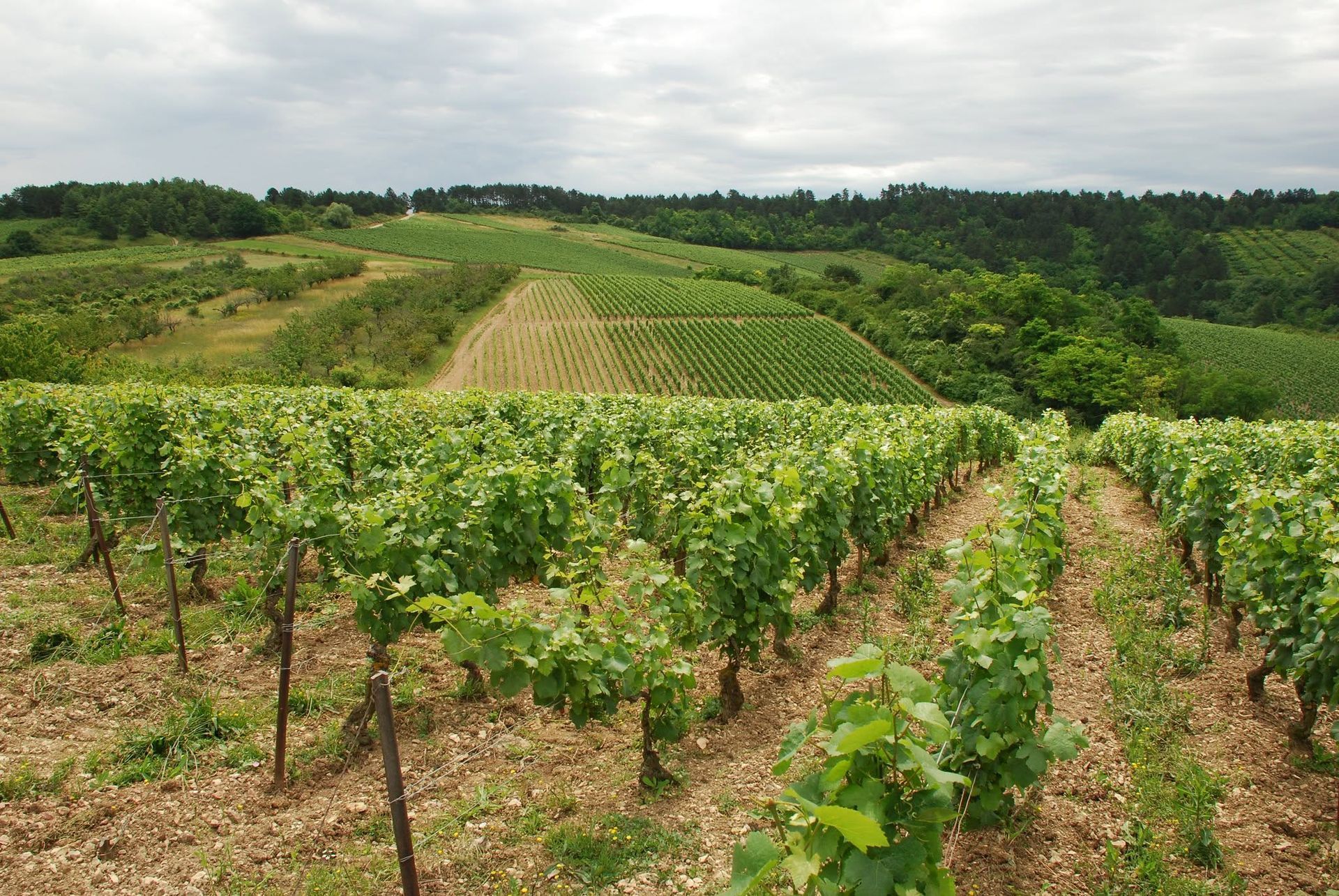
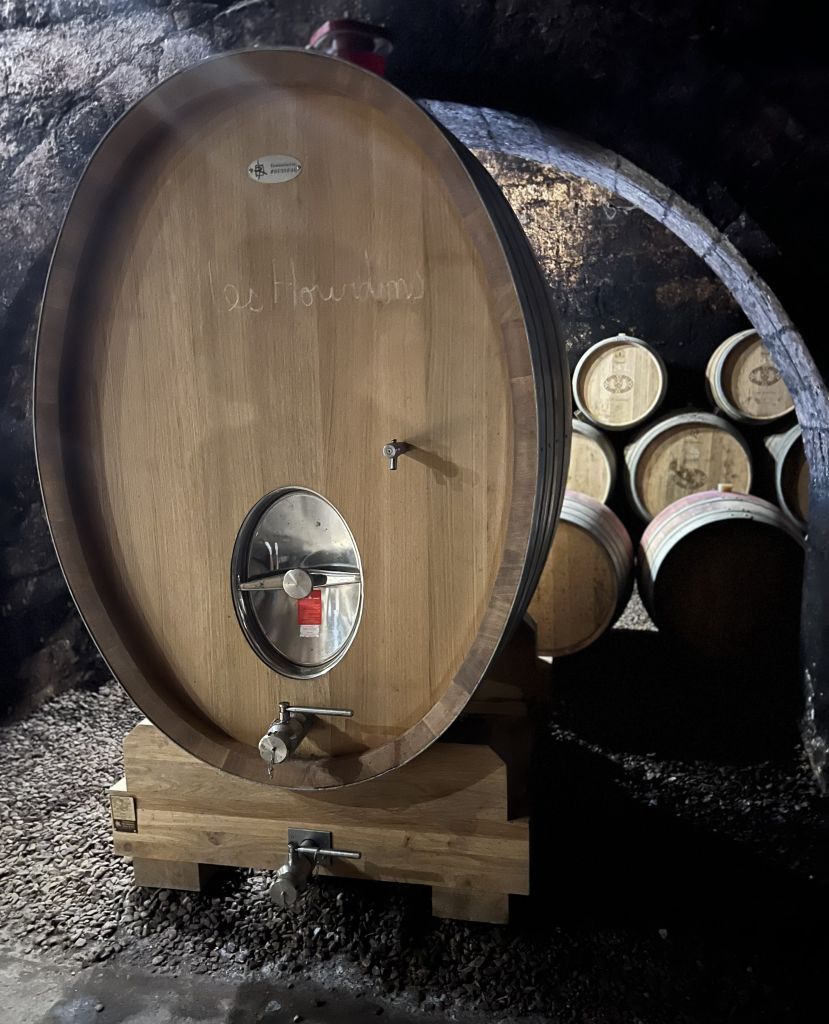
Bersan’s entry-level Chablis is in stainless steel, and it’s grown entirely on Kimmeridgean marls in the far south left-bank lieu-dits of Les Rosettes, Les Joignes, and Reugny. The latter sits just below Les Ouches and is in fact the southernmost lieu-dit in all of Chablis AOC. Moving on, their single plot Les Ouches lieu-dit Chablis is Jasper Morris’s favorite of the bunch (contra-indicating their illustrious Montmains premier cru cuvée). This Les Ouches plot is blessed with a gentle southern exposure and 45+ year old vines on even finer Kimmeridgean blue clay, fermented and aged in 3rd-7th fill 228L Burgundy barrels. Now for me, Montmains is a cru I personally love—it is very wind-exposed and sits on the cooler left bank of the Serein with a far more eastern than southern exposure, an extra mercy in those hot last months of the 2023 vintage. It’s one of those crus that gives consistently great wine, somehow ripening well in cold years while staying tensile in the warm ones. It’s contemporary fame is owed to Raveneau’s Foret and Dauvissat’s La Forest and Montmains and Pattes Loup’s Butteaux and would be the left bank’s Grand Cru if ever they re-litigated the appellation laws. So it’s a pretty bourgie little neighborhood there. Jean-Christophe ages his Montmains for eight months in barrel, then four months in stainless to get to know itself before going bottling.
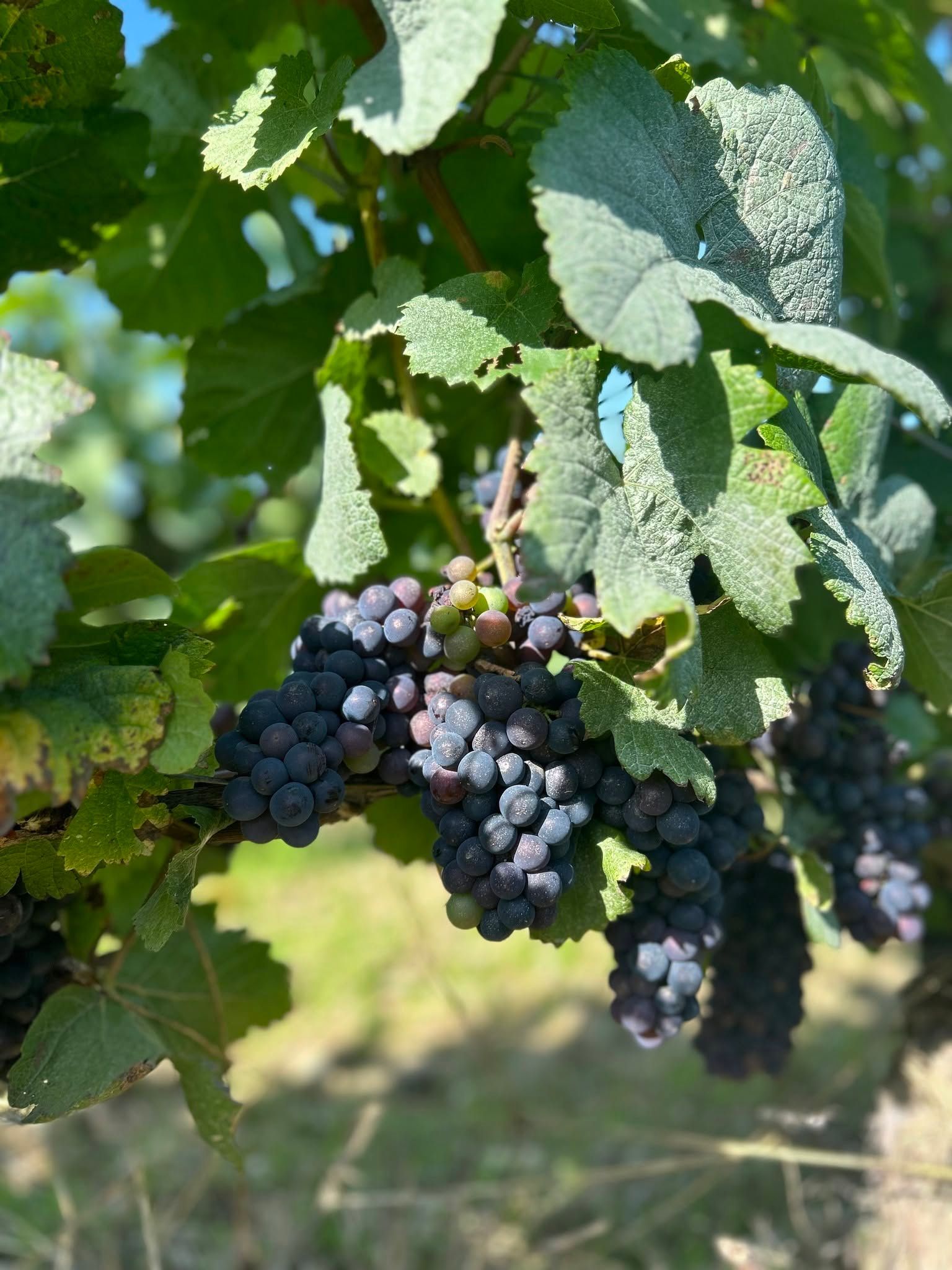
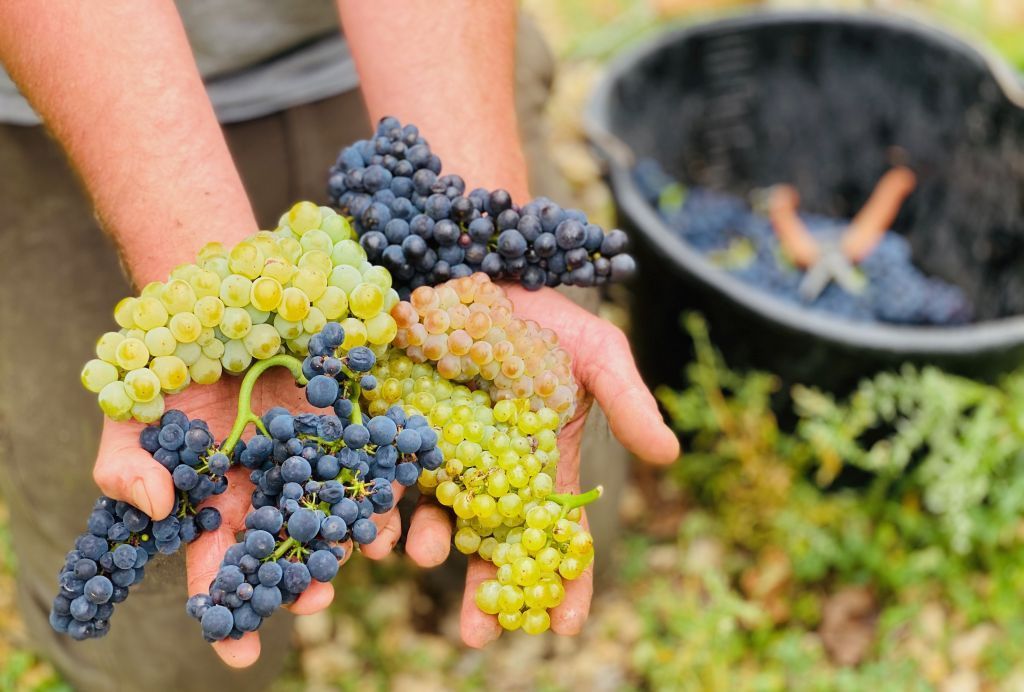
Turning to Irancy, let’s get this whole César thing out of the way first. The comically petite five (!!!) hectare footprint of this rare variety (just 2.4% of the total Irancy appellation vineyards) is said to have been planted there by the Romans. Recent genetic studies suggest it is somehow related to or mutated from Niellucciu, the Corsican grape that has itself been walked across the ampelographic Maury Povich stage to be publicly revealed as Sangiovese’s twin (even if they express their own unique phenotypes). César has survived way up here in Irancy all these years because, though capricious and difficult to grow, it would add colour and body to this northerly terroir’s translucent and citrusy Pinot Noirs. Today’s climate change has rendered César’s help redundant now, as their Pinot Noir is ripening consistently. In fact, Irancy’s more classically accurate structure is their calling card now. Lord knows I’m here for César being allowed, unnecessary or not. Give me all the weird trivia / historical appellation rule cutouts, especially for rare grapes - vivre le difference! But you’re definitely seeing less and less of it in the final wines. Only Bersan’s entry-level example keeps it, for old time’s sake.
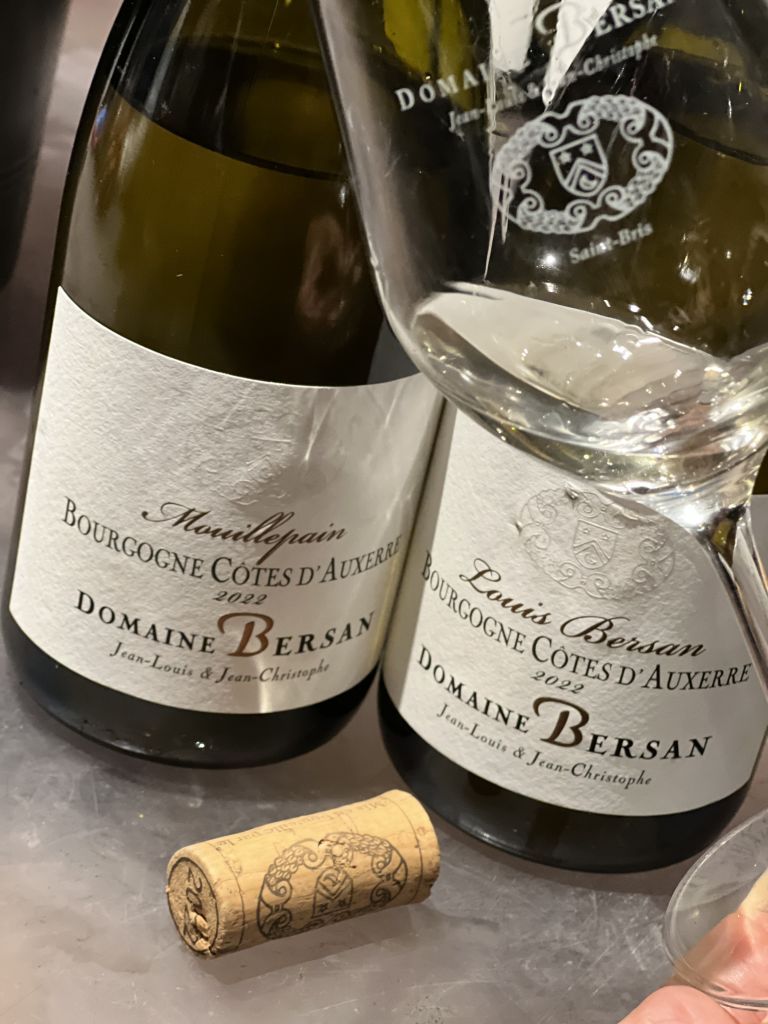
Indeed, it’s one of climate change’s few silver linings that brings us north to the Grand Auxerrois to begin with. Up here we can find classically cut Pinot and Chard at a classical price point. Even among Saint-Bris’s ideal Sauvignon Blanc vineyards where the sun is boldest, we are getting outstanding Pinot Noir, like that Côtes d’Auxerre Cuvée Louis Bersan of theirs, the one Jasper Morris (the Burgundy goat 🐐 himself) posted on his personal Facebook page.
The challenges of random frosts and mercurial conditions are extremely difficult for the organic farmer of course, but the added overall warmth has helped turn this area into an absolute treasure trove for old-school Burgundy, especially in the capricious 2023 vintage we have on deck now—a vintage where not a single DRC wine came in under 14% (!!!). Meanwhile, in Irancy, we find incredible phenolic ripeness without loss of poise. And so the climate change creep continues north, unlocking zones of interest and fascination at prices that have not yet been oligarch-fucked into commoner irrelevance.
My aim has been to uncover Burgundian greatness where it can still be had at prices that make sense, not just “wow that’s really good value for Burgundy,” a phrase that makes me quietly gag. I’ve been forthcoming about my simmering disgust with the unchecked avarice of Burgundy, this putatively monastic region.
The importer’s role is not to find wines that are a good price compared to their peers, but at prices that are genuinely good value based on the way the wine actually shows up in the glass—Bourguignon provenance notwithstanding. I’m done with feeling like a lovesick, kicked dog in front of this unrequited lover’s Pinot-stained altar. Surely there must be incredible wines around here that still over-deliver on price while conveying terroir in that breathtaking Burgundian fashion! I’ve followed climate change north and found that here in Auxerre, where historic, print-worthy stalwarts like Jean-Christophe BERSAN
are counting their daisy petals, waiting for us to arrive with glass in hand. — Joe Gurba, March 2026
*Kimmeridgean Marl’s
impact on wines has much to do with water retention and lack of nitrogen, combined with the Northern climate’s cool cellars and slow, nitrogen-poor ferments resulting in yeasts that create a great deal more succinic acid as a byproduct of its metabolism under those conditions. This creates a savoury umami note signature to Chablis, often titled minerality or salinity in tasting notes. Traces of this acid are in sake, beer, and soy sauce.
Wines by this Producer
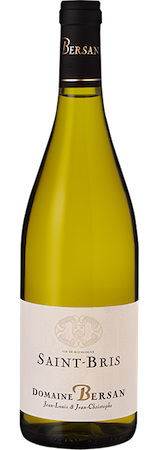
2023 Saint Bris AOC
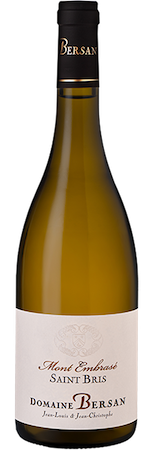
2023 Saint Bris AOC Mont Embrasé
2023 Saint Bris AOC Mont Embrasé MAGNUM
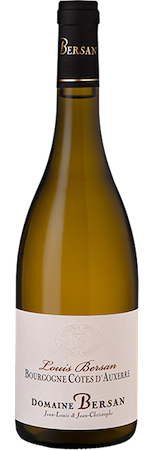
2023 Bourgogne Côte d'Auxerre AOC Cuvée Louis Bersan Blanc
2023 Bourgogne Côte d'Auxerre AOC Cuvée Louis Bersan Blanc MAGNUM
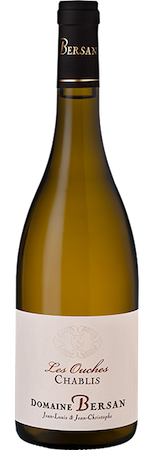
2023 Chablis AOC Les Ouches
2023 Chablis AOC Les Ouches MAGNUM
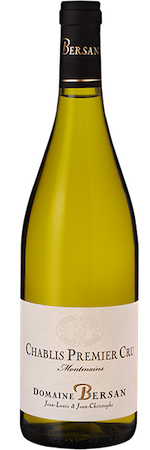
2023 Chablis AOC 1er Cru Montmains
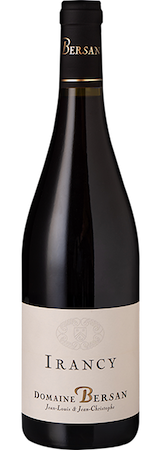
2023 Irancy AOC
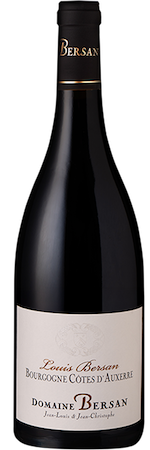
2023 Bourgogne Côte d'Auxerre AOC Cuvée Louis Bersan Rouge