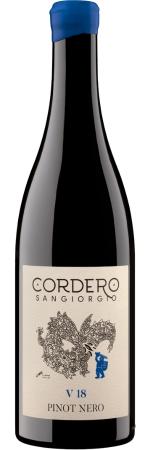


Cordero San Giorgio
Oltrepò Pavese, Lombardy, Italy
This is one of the most exciting new Pinot projects on Earth. These hills south of Milan and Pavia have long been loved in Lombardia for their Pinot-based bubbles. But Mario Cordero, an elder statesman of Barolo, and his three children, next-generation winemakers, made a bet on their shared belief in this place. In these warming decades, they recognized that those same Pinot vineyards planted for sparkling wine could be farmed to fashion incredible reds. They joined the new wave of excited winemakers chasing Pinot’s potential here.
Taking the spoils of their sale of Vietti, the Corderos purchased the gorgeous old vineyards of the historic Castel San Giorgio and have poured themselves into their new vocation: to uncover the nuances this terroir offers and see Oltrepò Pavese given its flowers on the global stage. Each year the results improve, the notoriety climbs, and the light in these wines becomes that much brighter.
The story of Cordero San Giorgio begins with a departure. In 2016, following the sale of their legendary Vietti estate in Barolo, siblings Francesco, Lorenzo, and Caterina Cordero found themselves at a crossroads. As the grandchildren of Alfredo Currado—the man who famously resurrected Arneis—the easy path would have been to remain in the comforts of the Langhe. Instead, they chose to look across the border toward the restless, rolling hills of Oltrepò Pavese in southern Lombardy, joining a new wave of concerted vignerons excited to elaborate this terroir’s incredible potential.
They settled in the village of Santa Giuletta, acquiring Castel San Giorgio, a 22-hectare estate once belonging to the Marquis Sauli of Genoa. Aesthetically, you love to see that 16th-century crenellated tower, but its real virtues are the old vineyards and the vaulted underground cellars.
The Corderos kept the inherited name of St. George as a deliberate nod to the dragon slayer, symbolizing their intent to smite any lingering image of Oltrepò as Milan’s bubbly dispenser.* They’re applying the precision farming and winemaking they honed in Barolo for decades to this terroir that’s been waiting decades to be taken seriously—not just by a small clique of somms and stalwart producers, but by the entire wine world.
The estate sits on the first sun-kissed rise above the Po Valley at 230 meters elevation, a panoramic vantage point where the Alps meet the Apennines. The soils here are a potent mix of limestone and clay, a combination that acts as a natural crucible for Pinot Nero, imparting a structured, mineral-etched signature. Since taking over in 2019, the Corderos have prioritized stewardship, managing twenty hectares of vines—many averaging 35 to 40 years old—with organic practices. The vineyards are framed by ancient forests of oak and cherry, a deliberate preservation of biodiversity that ensures the estate remains a living, breathing ecosystem rather than a monoculture.
Mario’s son, Lorenzo Cordero, looks after the cellars. Beyond his work in Barolo, his philosophy was shaped by his time at Ponzi Vineyards, Ata Rangi, and as assistant winemaker to Stéphane Ogier in the Northern Rhône. The byword here is transparency. Minimalist, parcel-by-parcel spontaneous ferments are followed by restrained and intelligent oak élevage. Their flagship opening salvo, the Tiāmat Pinot Nero, is the perfect example: a silken texture with bright, unencumbered fruit. The joys extend to Pinot’s grey mutation, a special love for Croatina Rosato, and a dazzling treat of a Moscato.
By marrying a storied past with a fearless, forward-looking vision, Cordero San Giorgio is bringing considerable skill and energy to this region’s renaissance. These wines are so exciting to drink, so ambitious and joyful and poised. It feels like listening to a demo tape on repeat for a band that eventually goes on to sell out stadiums.
*Which is ironic! Oltrepò Pavese is, in fact, where the first Champagne-method wines made from Champagne varieties outside of Champagne were ever produced, first introduced by the viticulturalist Count Augusto Giorgi di Vistarino in 1850, with the first sparkling wines released in 1865 in collaboration with Carlo Gancia—I had no clue before researching for this bio! Cava didn’t come around until 1872.

Wines by this Producer
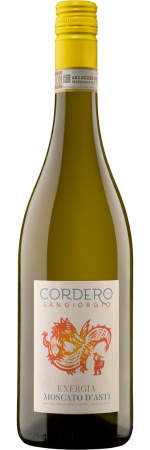
2025 Moscato d’Asti DOCG Exergia
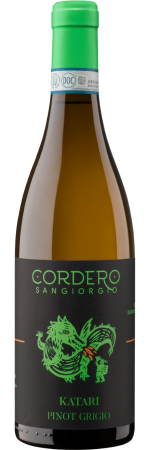
2024 Oltrepò Pavese Pinot Grigio DOC Katari
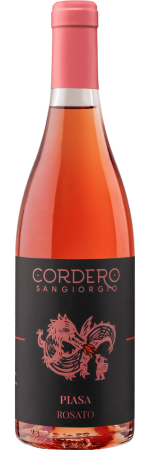
2024 Piasa Croatina Rosato, Provincia di Pavia IGT
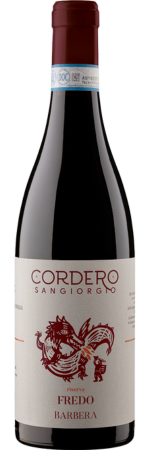
2023 Barbera dell’Oltrepò Pavese Riserva DOC Fredo
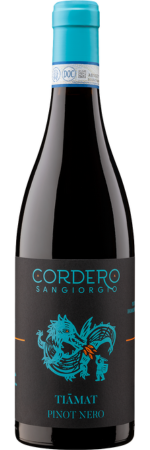
2023 Pinot Nero dell’Oltrepò Pavese DOC Tiamat
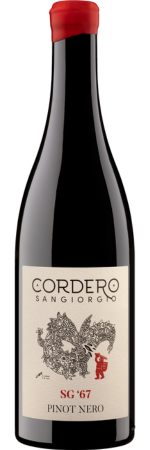
2021 Pinot Nero dell’Oltrepò Pavese Riserva DOC SG ‘67