Alario Claudio
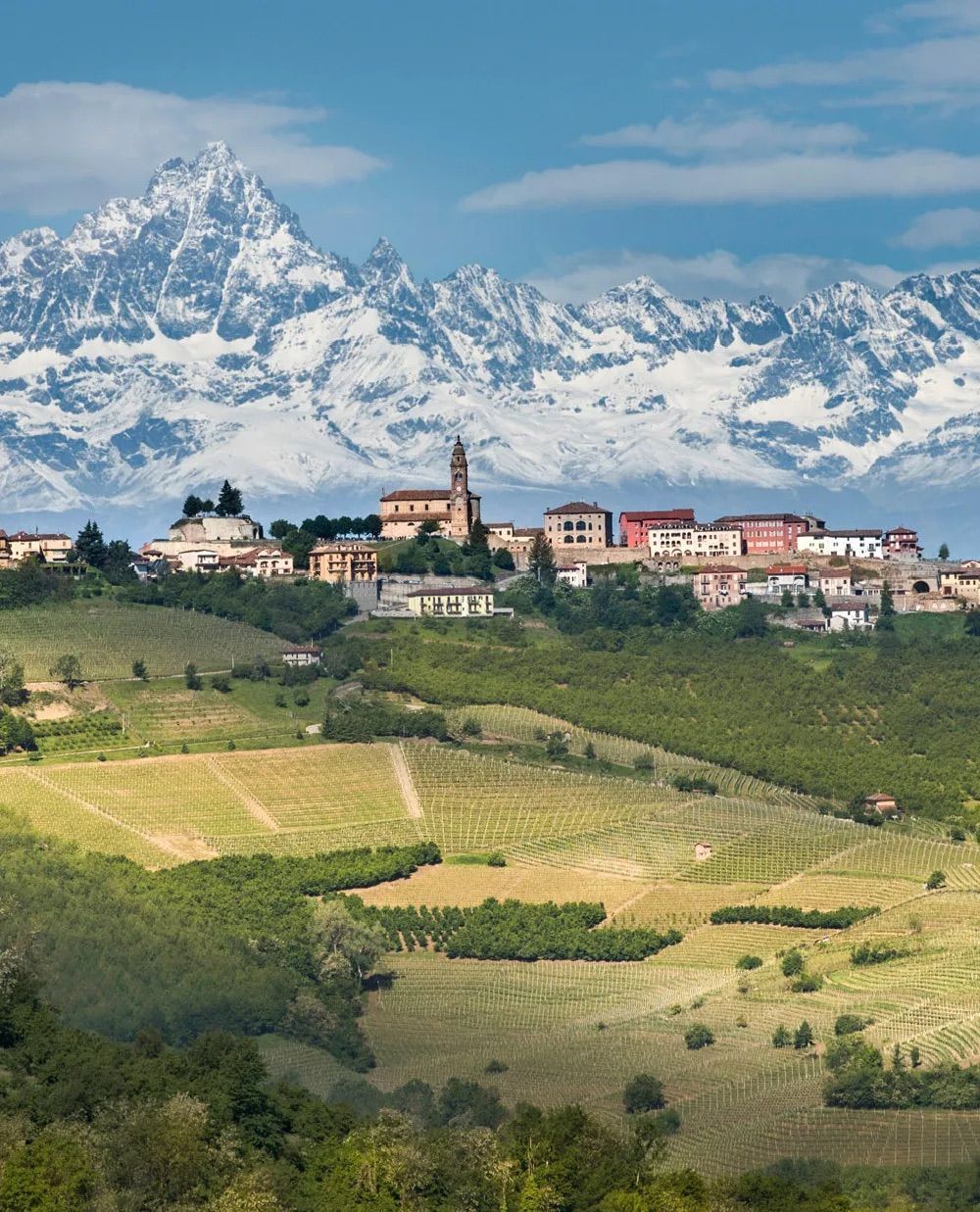
Diano d’Alba, Piemonte
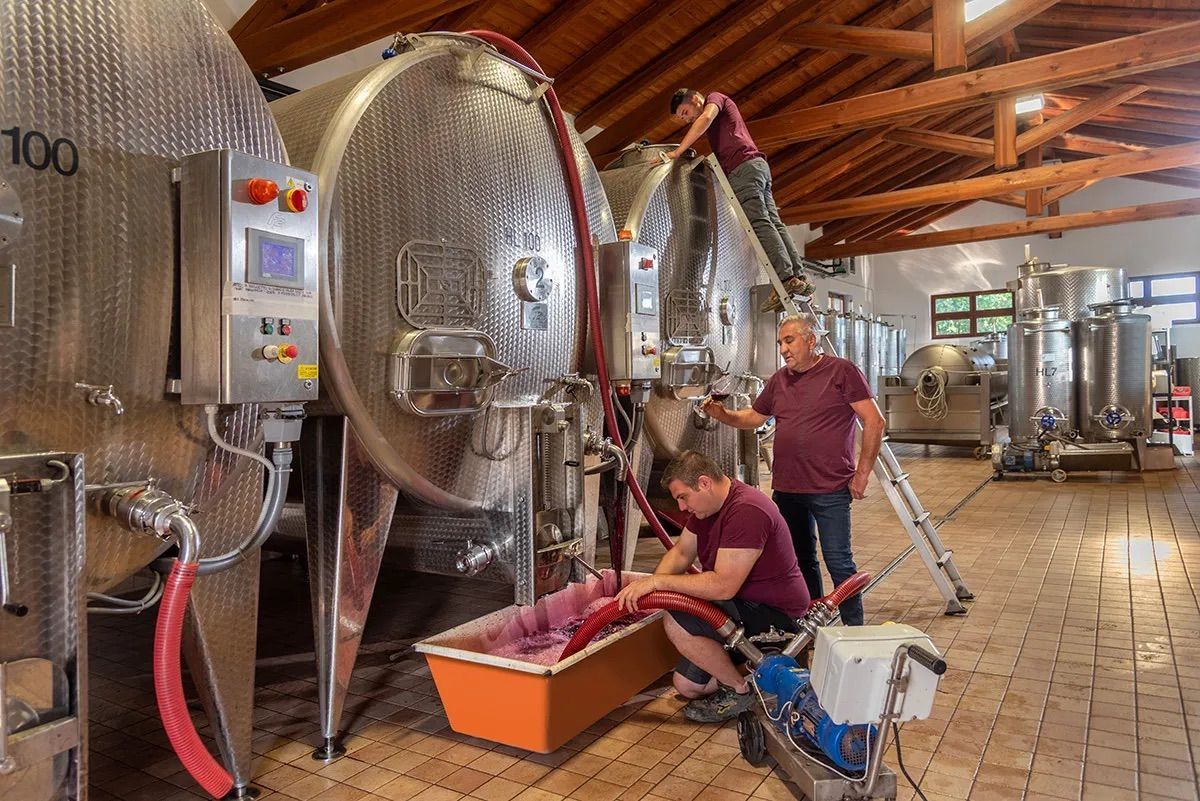
The vineyards are part of our family: we know them metre by metre; we cultivate them now with the same passion we did on day one, and we work in the cellar with the sole aim of preserving the unique characteristics of each vineyard.
- Claudio Alario
It was not in search of Barolo that I first met Matteo & Claudio. Rather I was researching the best terroirs, examples, and producers of Dolcetto! As luck had it, I found not only a benchmark grower of the former but an ace Nebbiolo tactician too, in the very same cellar: Azienda Agricola Alario Claudio in Diano d’Alba.
A family-owned estate for three generations, the Alario family went from sharecroppers in La Morra selling fruit to the cooperative to vignerons in their own rite when Matteo’s grandpa Matteo made the bold move to purchase vineyards in Diano d’Alba in 1963 and begin making his own wines.
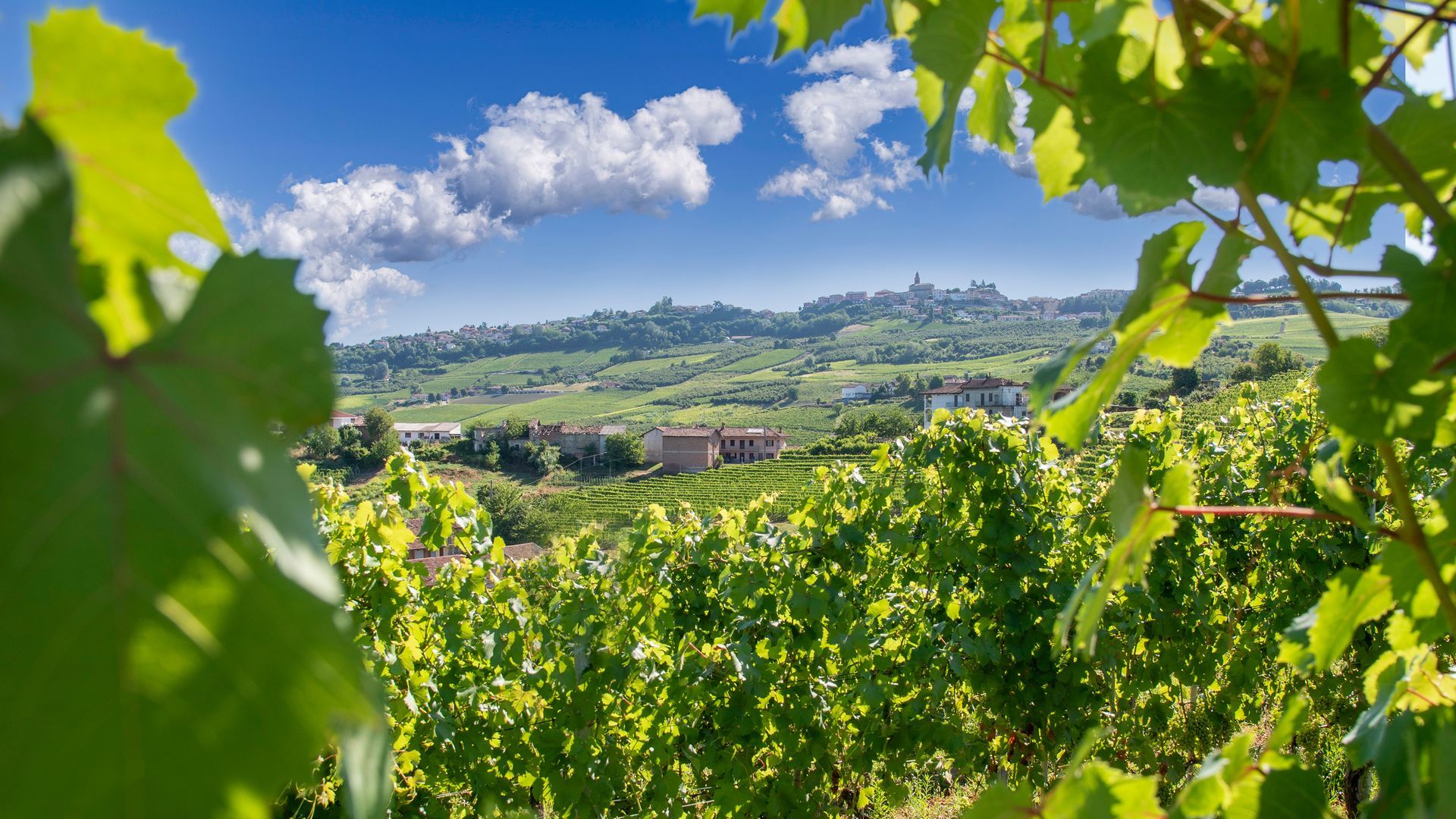
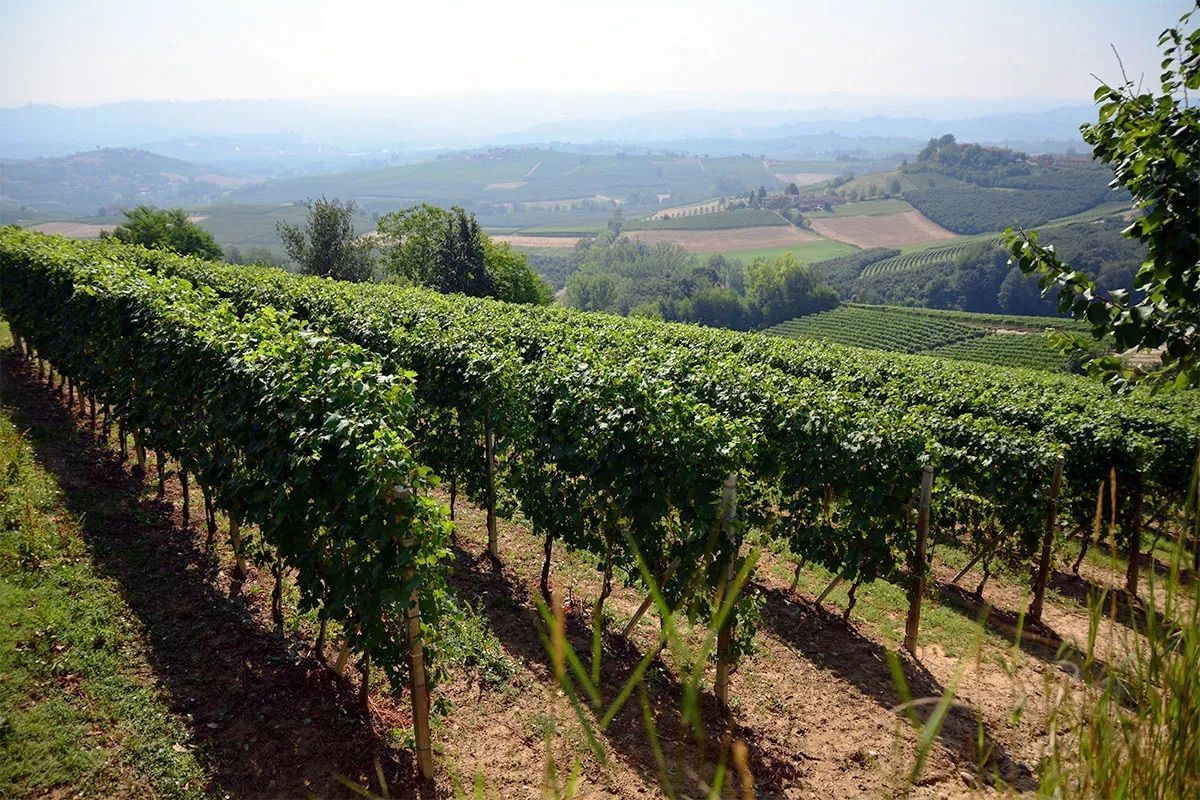
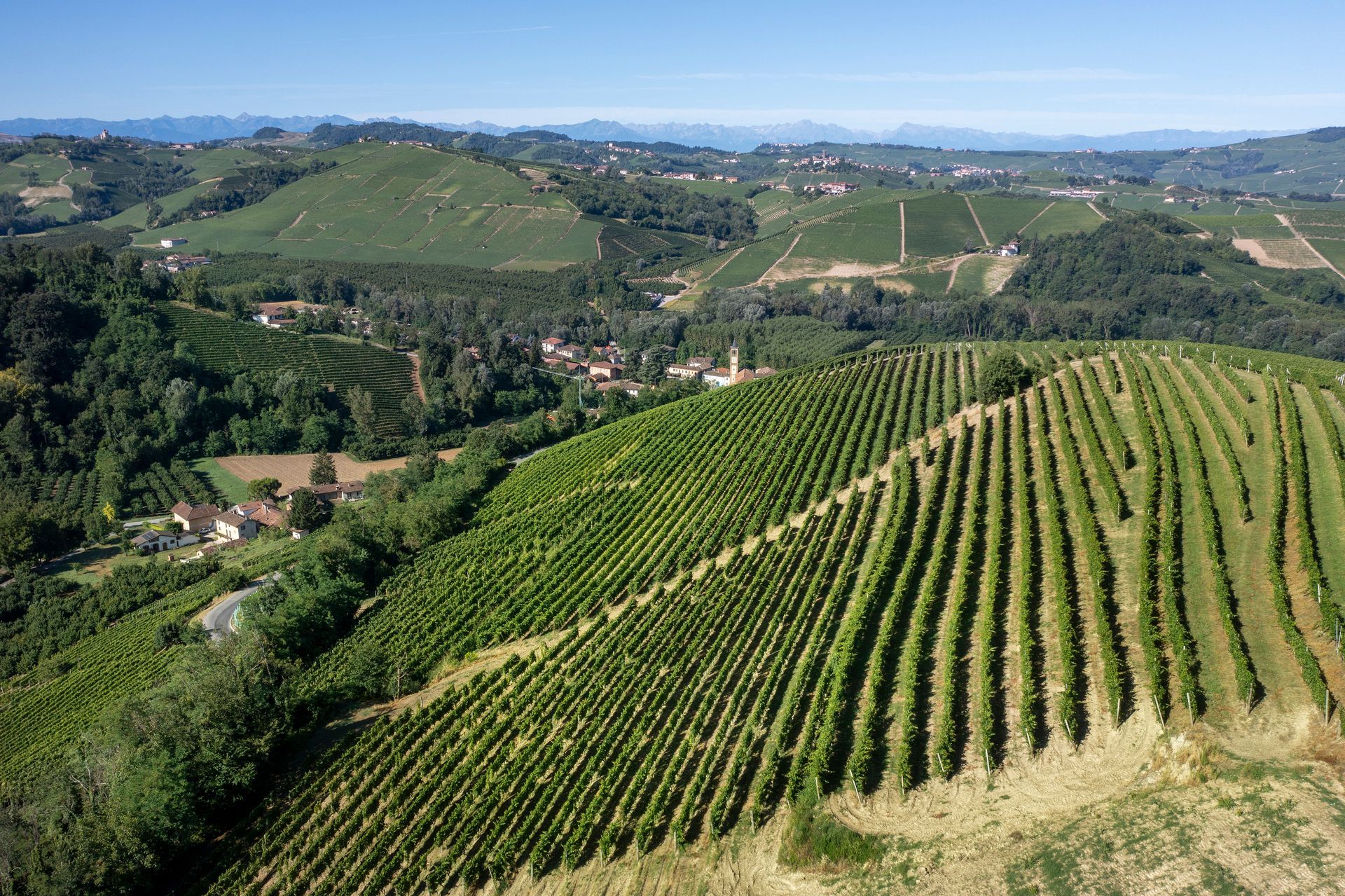
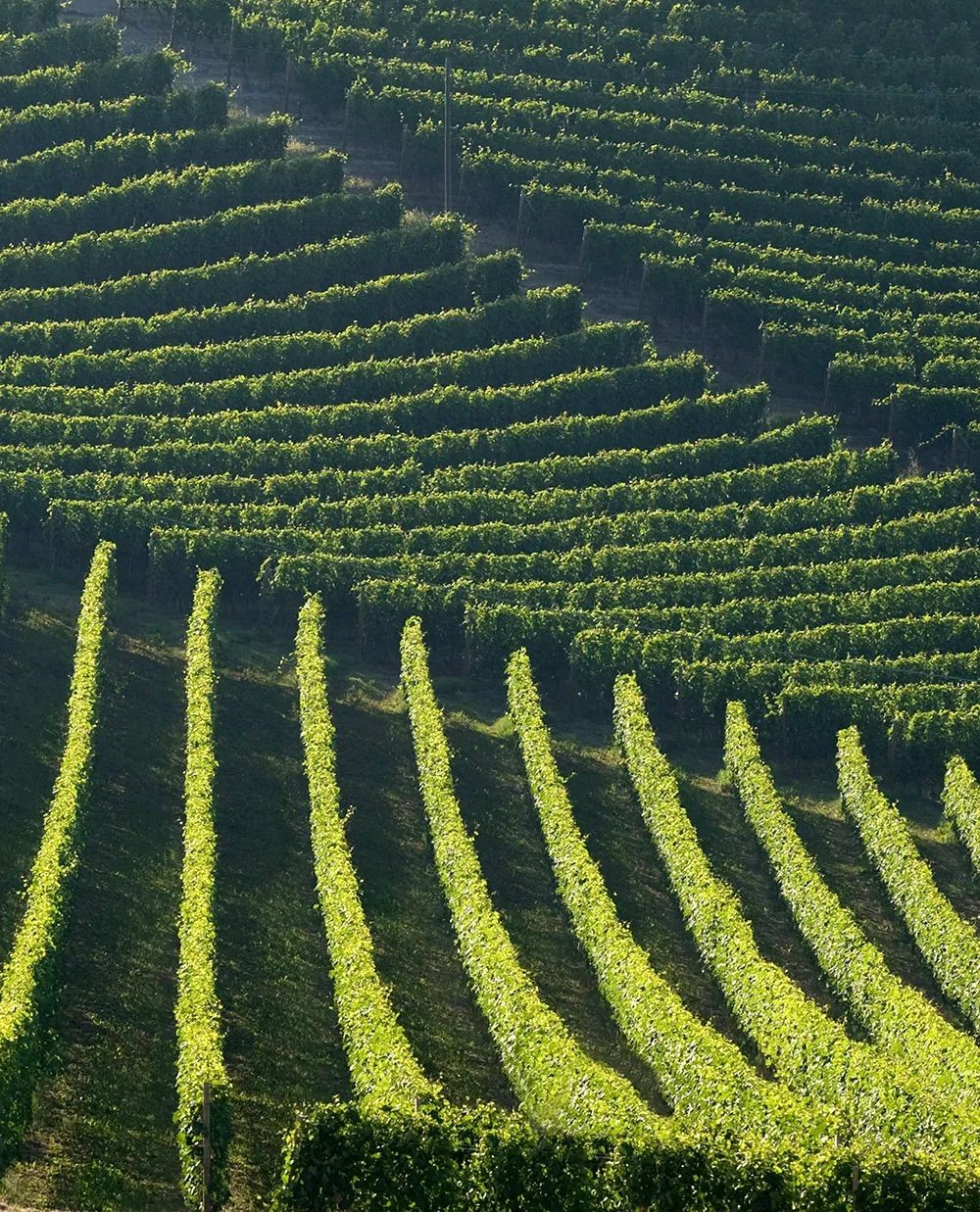
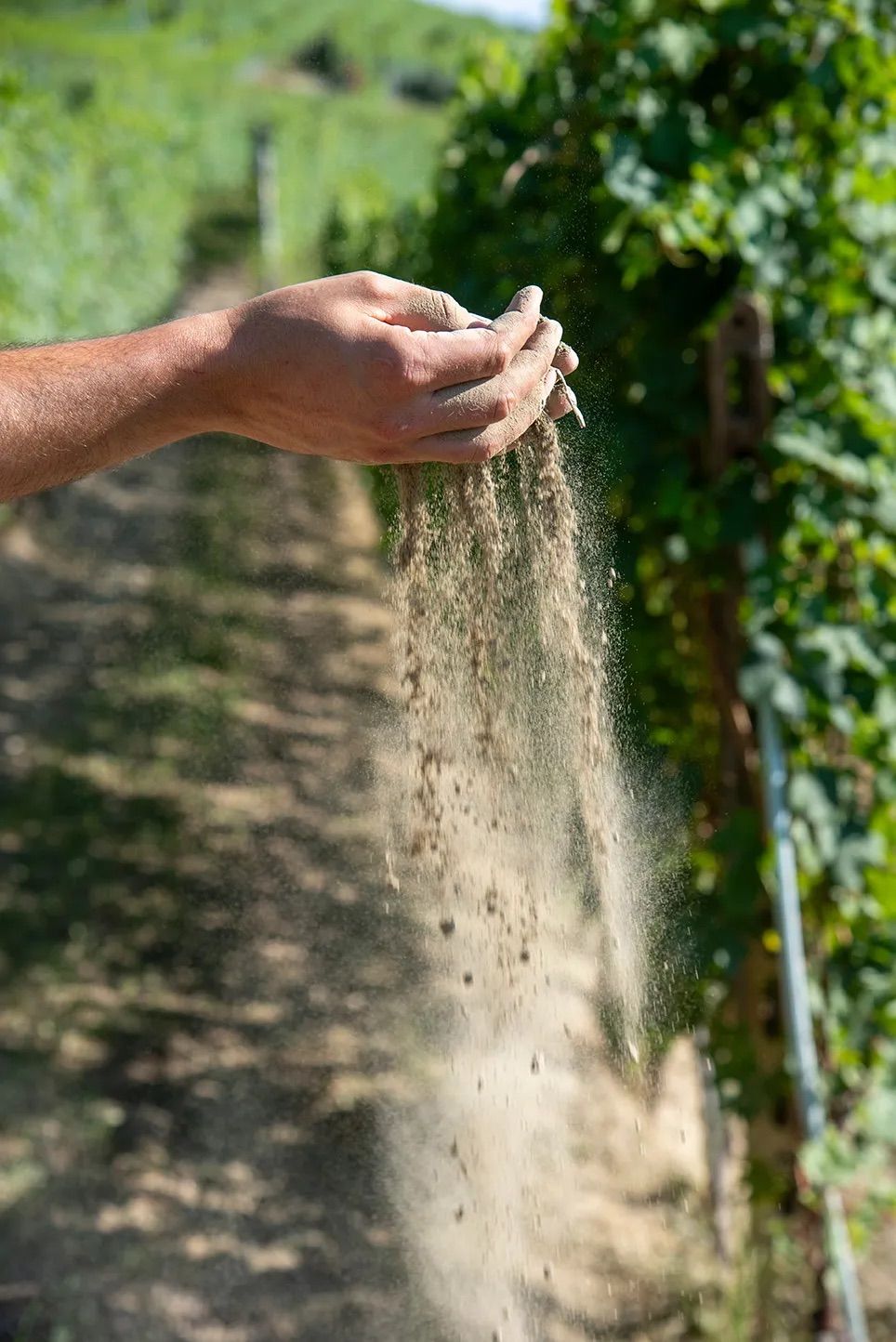
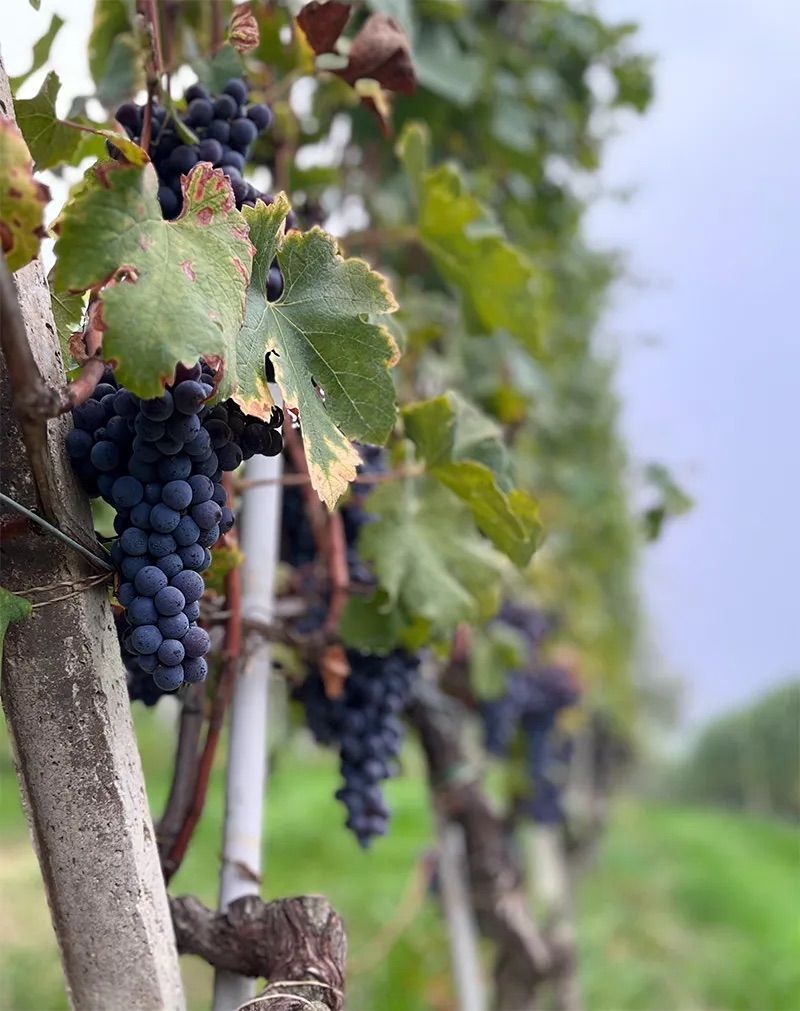
Diano d’Alba, one of Barolo’s eleven villages, is perched just north of Castiglione Falletto and the uppermost parcels designated to Serralunga d’Alba. Its soils are the magnificent sandstones venerated in Castiglione Falletto’s most famous vineyards, which are in fact called Arenarie di Diano. But only 20 of Diano’s 303 hectares under vine are planted for Barolo. Most of their land is dedicated to that delightful yet so often sidelined variety, the lil’ sweetie. Diano d’Alba’s 76(!) carefully mapped historical crus (all beginning with the word Sorì, the Piedmont dialect’s word for a sun-drenched slope, but very Canadian-coded to my ear) testify to the unique attention this village has given this underdog grape. And Alario Claudio has come to be known as one of Diano’s very best.
While Dolcetto has been beloved in Piemonte since at least the 16th century when it is first attested in writing, not only as a wine grape but as a table grape, the latter explaining its misleading name because its lower acid amplified the perception of sweetness when eaten. But its fate (much like Freisa and Nascetta and Grignolino et al) was to have its sites planted to Nebbiolo instead as prices for Barolo increased.
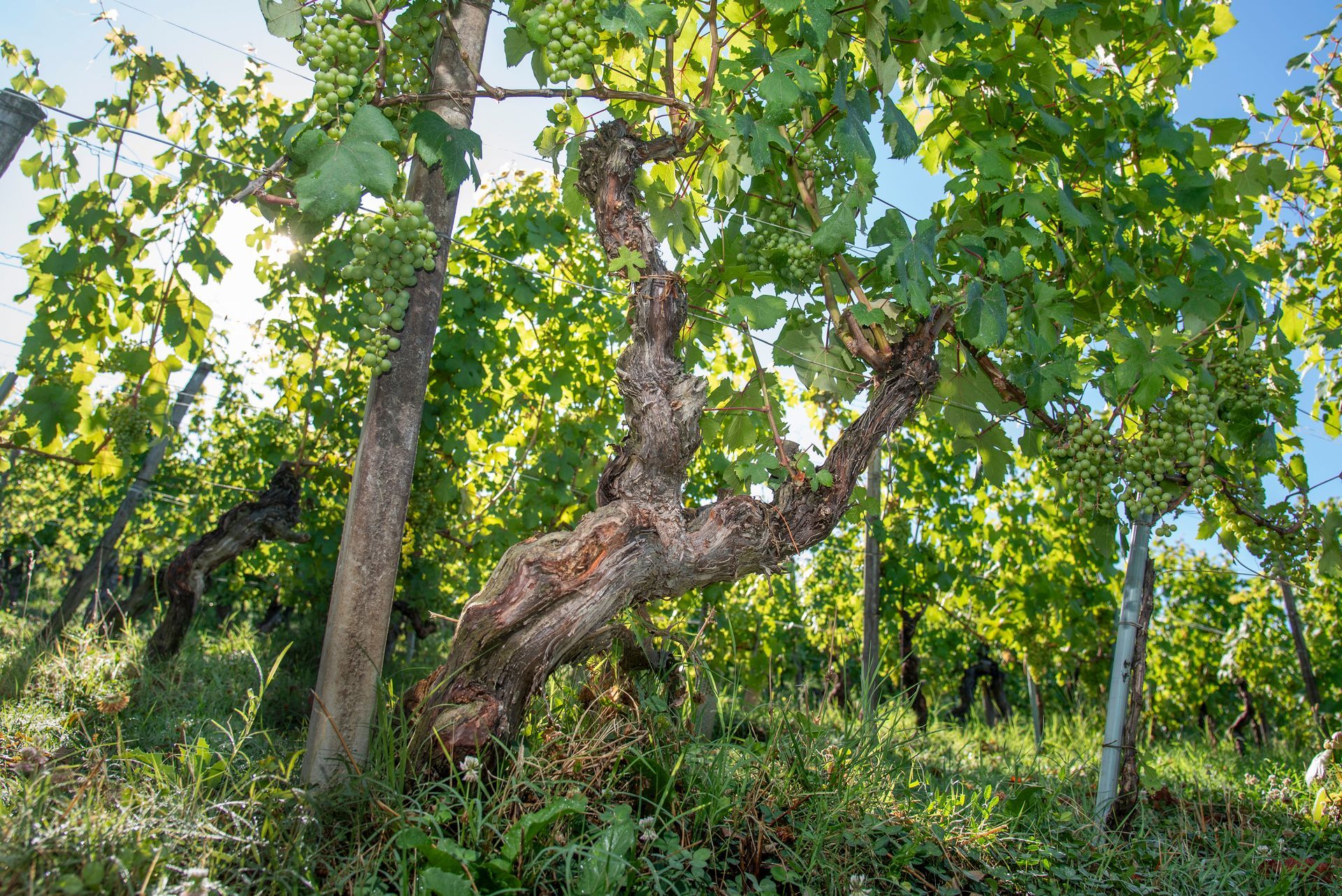
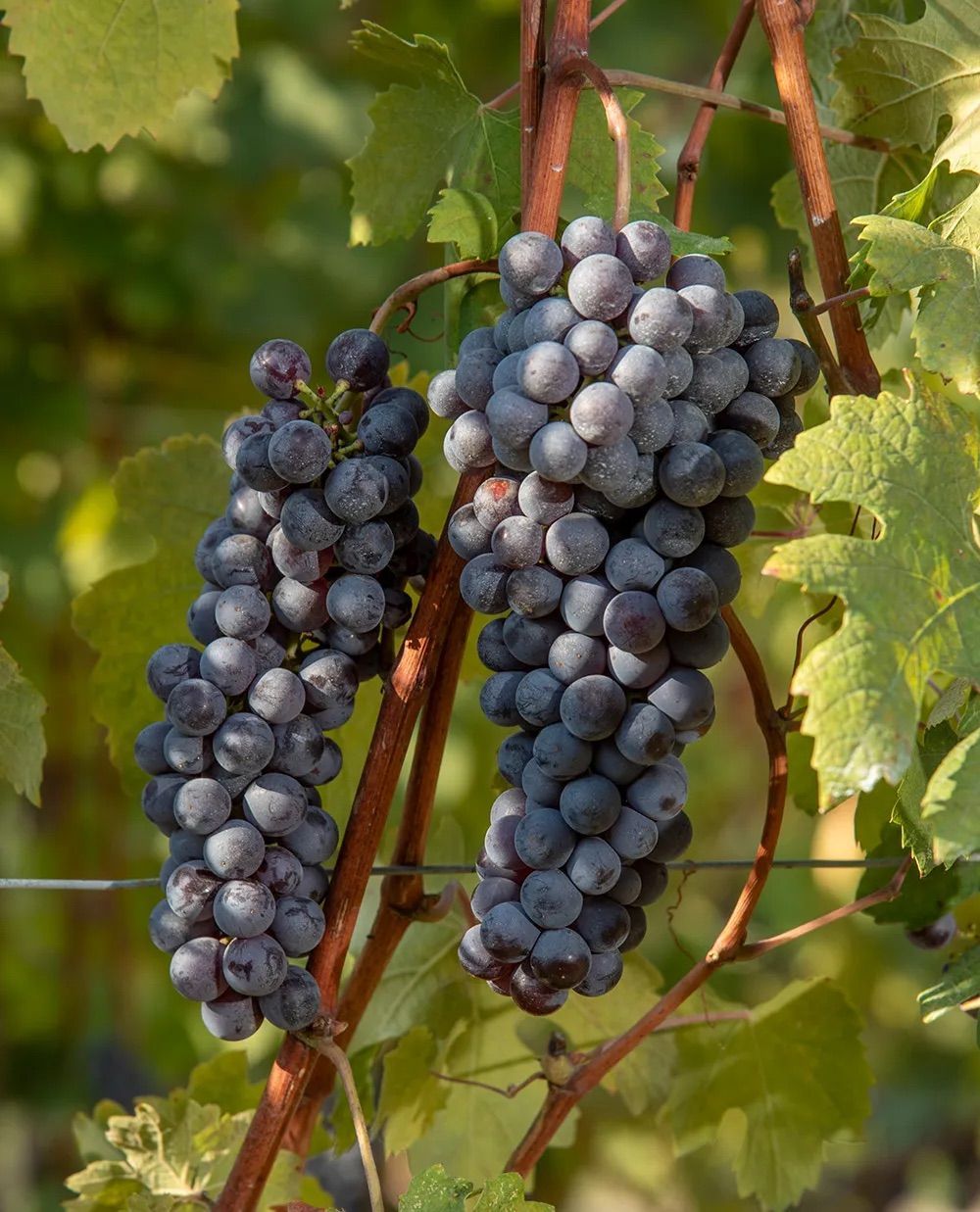
So whither Dolcetto in the 21st century? Always appreciated for being such a precocious ripener, the grape has been relegated to the harshest, north facing slopes where Nebbiolo won’t reliably ripen. And so, for its early arrival to the finish line it is cruelly rewarded with poorest terroir. Well, that might be too kind—it’s also no picnic to farm, as it remains difficult “to grow as its buds are fragile and break easily” and “what’s more, it grows low to the ground, requiring backbreaking vineyard work,” “has poor vigor, and tends to give scrawny vines” and then “close to harvest time, Dolcetto becomes very weather sensitive and excessive swings in maximum and minimum temperature values can cause dissection of the spine” and “prolonged cold snaps cause a physiological blockage that Dolcetto recovers from with difficulty,” yet when it’s too humid it is prone to rot (Ian d’Agata, Native Wine Grapes of Italy, 2014, p.269-270). But all of that standard finnicky grape vine drama is topped by my favourite Dolcetto doldrum: the damn thing is prone to fruit abscission, which is when fully ripened grapes drop to the earth of their own accord the moment a stiff breeze comes along. So nailing down the harvest window for optimal ripeness requires a great deal of experience, observation, and prayerful intuition. So many producers had just put it on their coolest slopes and taken what they can get, then made it as a simple, juicy, cherry-bomb for immediate pleasure when the occasion is not so auguste as to call for a proper Barolo.
But as farming improved so the fruit improved and as winemaking improved so the wine improved, and so many chopped unc Dolcetti of Piemonte-past have now morphed into genuinely interesting wines. With this change of fortunes in mind, and having had a host of great Dolcetto in the last ten years, I decided to put a ring on it and actually hunt out some benchmark examples. I hit the books to find domaines that had always given Dolcetto pride of place, who’d always said ‘no one puts [sweetie] in a corner!’, who’d always grown it on the triple-A terroirs with southern exposure and proven soils. That research pointed me to Dogliani and Diano d’Alba, the only two D O C Ggggg’s for this grape. In my explorations I found Dogliani to have a low batting average, at least for my palate. In all but the very best examples I often find it over-done, the dense cherry notes of a fully ripened Dolcetto tipping into cough syrup territory, and usually overly reductive, adding insult to injury.
Moreover, Matteo’s just an extremely fun guy to hang out with too. He has that huge Leo energy, a solid hang, the kind of guy that’s equally relaxed and energetic at once, with a big, reassuring confidence in himself and his juice—in short, the kind of guy you want to drink a lot of wine with. I can’t help but find that same winning energy in every one of his bottles.
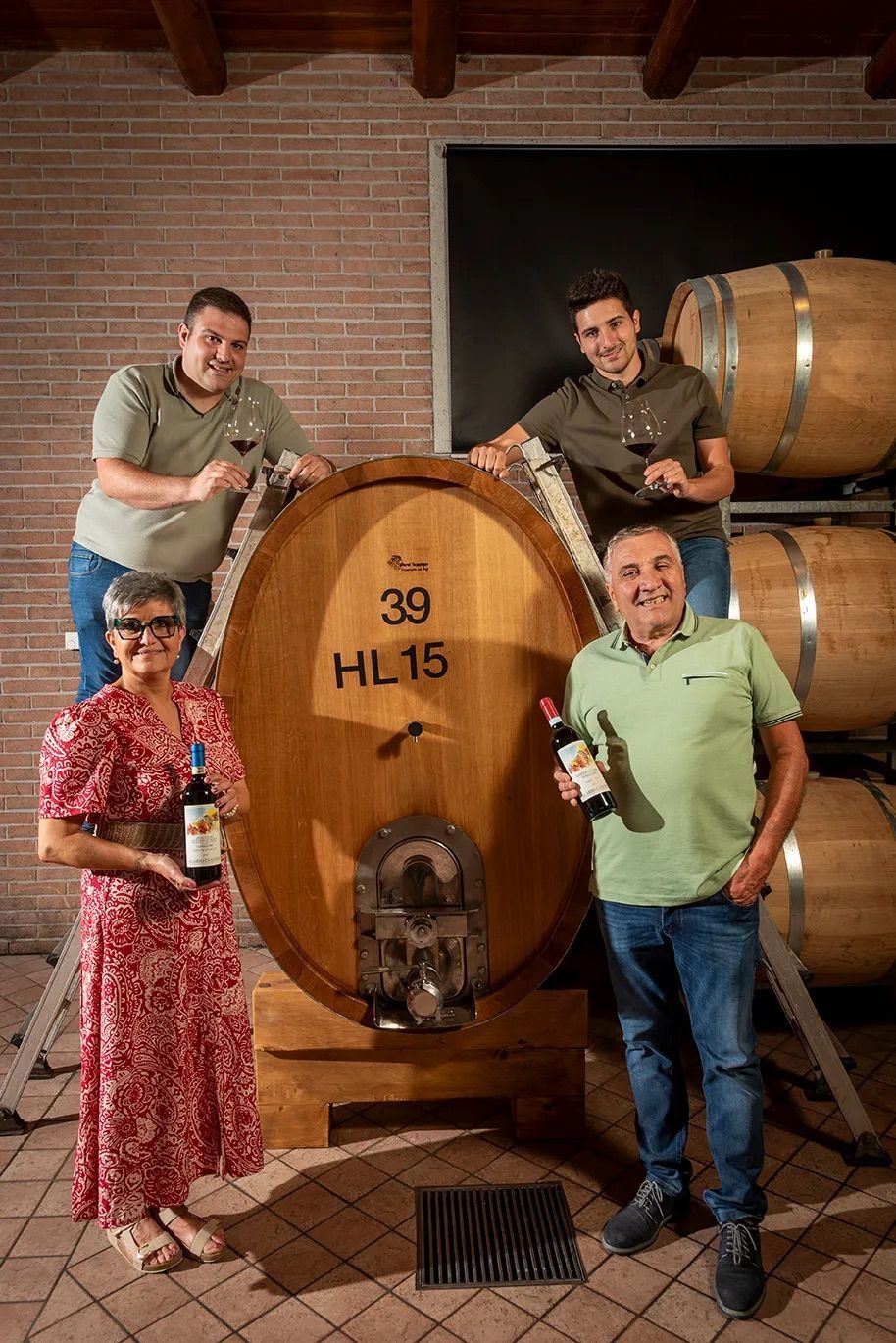
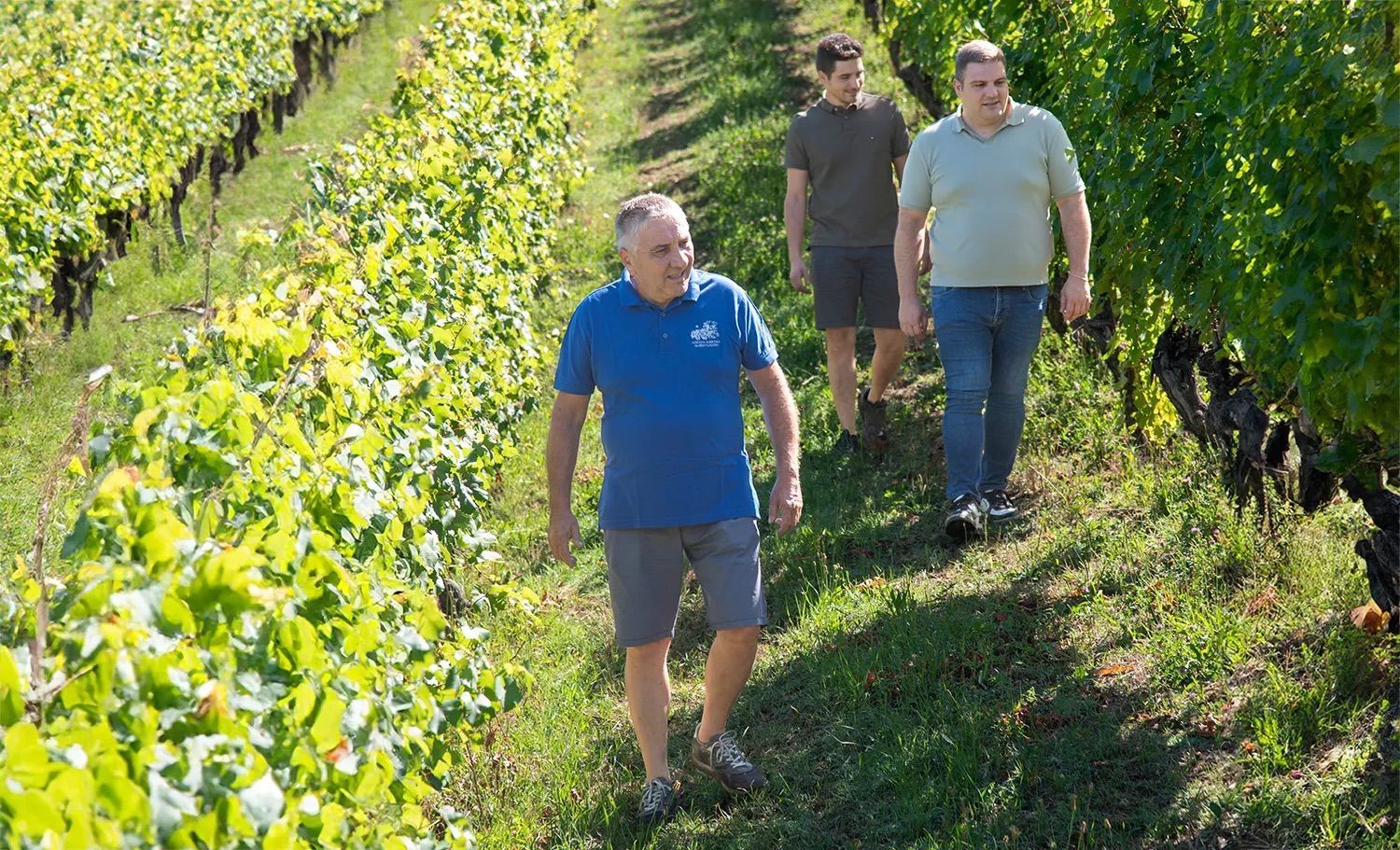
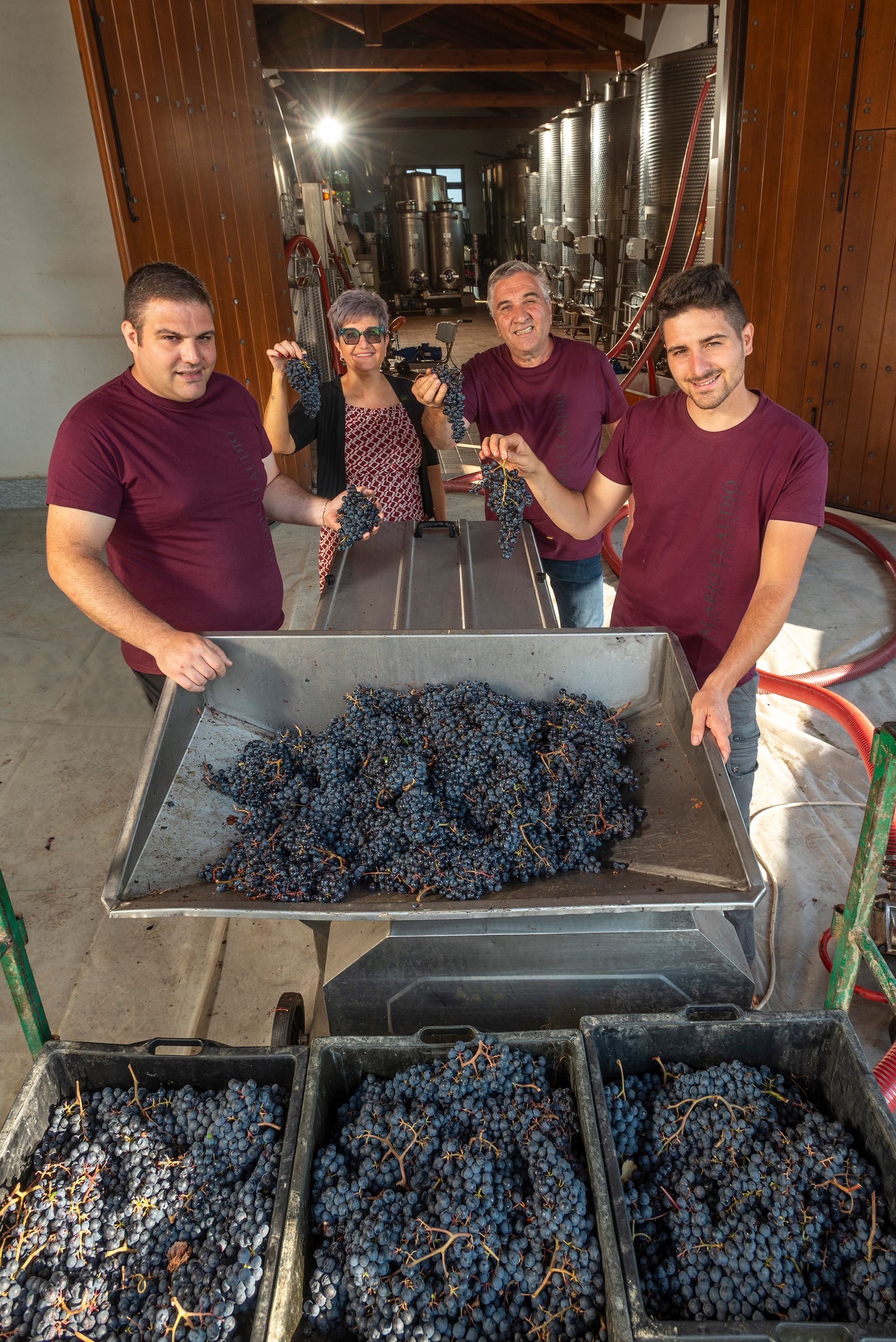
Matteo is well into the gradual baton pass from his father Claudio (Matteo in the cellars while his younger brother Francesco steps into the vineyards and agronomy side of the work). Claudio had been the first in the family to attend enology school and in 1988 he began transitioning estate’s winemaking to the pedigree they’re known for today.
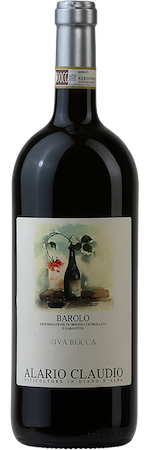
Back in ‘88, the estate was entirely focused on Dolcetto, but Claudio saved and savvily expanded their holdings, row by row, securing Barbera and Nebbiolo and ultimately Barolo sites, first with a purchase in Verduno's Riva Rocca MGA in ‘95, then in the Sorano MGA in Serralunga d'Alba in 2000. And with Matteo & Francesco they’ve continued this conquest with their biggest get yet, buying one hectare in the illustrious Serralunga cru of Cerretta in 2021, their debut 2022 vintage appearing this year.
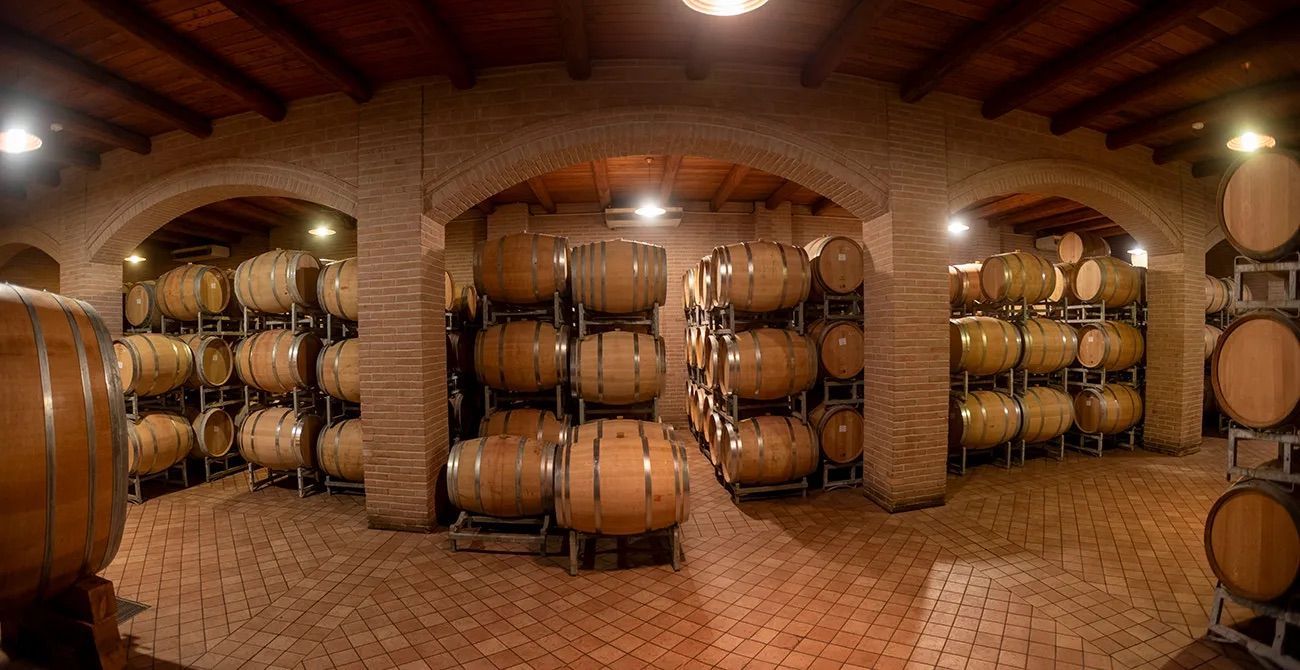
Meticulous vintage-responsive vineyard work, strictly limiting yields, longstanding relationships with their carefully selected cooperages, extended bottle ageing before release, and an equal commitment to each of their grape varieties—this is the straight forward and tireless hard-working philosophy behind great wines like Alario Claudio. No gimmicks, just a lot of sweat, uncompromising standards, and a true love of wine.
—
Joe Gurba, Portfolio Director
Wines by this Producer
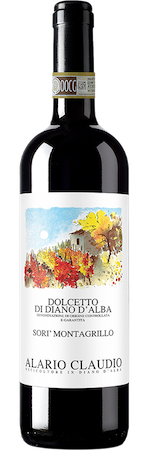
2024 Dolcetto di Diano d'Alba DOCG Sori’ Montagrillo
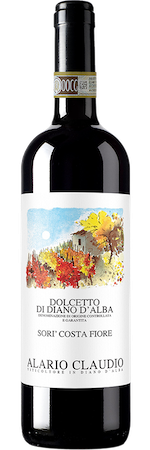
2023 Dolcetto di Diano d'Alba DOCG Sori’ Costa Fiore
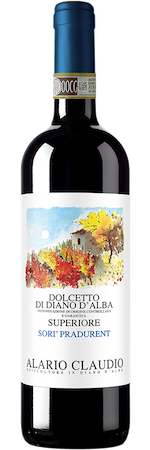
2023 Dolcetto di Diano d'Alba Superiore DOCG Sori’ Pradurent
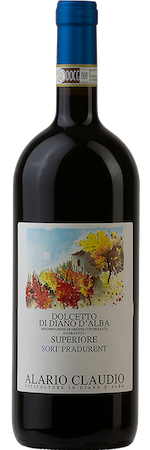
2023 Dolcetto di Diano d'Alba Superiore DOCG Sori’ Pradurent MAGNUM
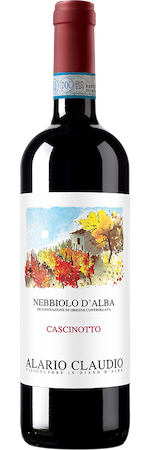
2022 Nebbiolo d’Alba DOC Cascinotto
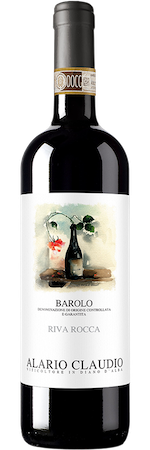
2021 Barolo DOCG Cru Riva Rocca MGA