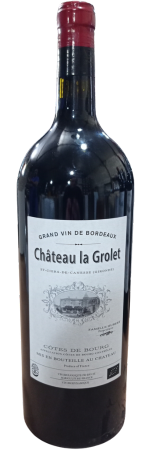

Côtes de Bourg, Bordeaux, France
History & Ownership
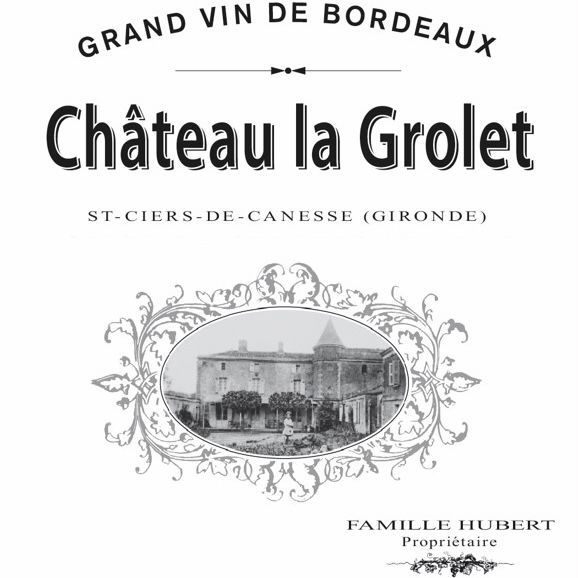
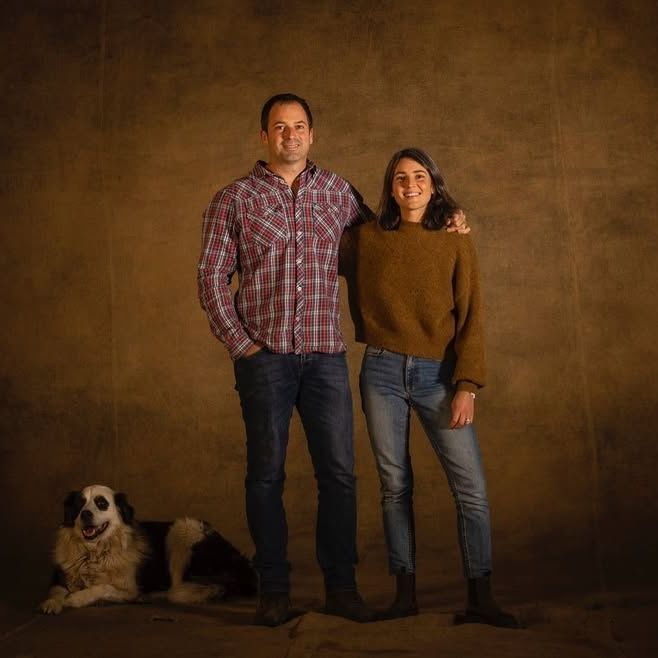
Château La Grolet is a small, long-established estate in the Côtes de Bourg, situated on the Right Bank of the Gironde estuary. The property’s modern identity is closely associated with Frédéric Petit, who took over stewardship in the late 20th century and initiated a decisive shift toward lower-impact viticulture and a more terroir-driven style. While the château itself has deeper historical roots typical of the appellation, the current era is best understood as one of refocusing rather than reinvention: refining farming practices, clarifying site expression, and positioning La Grolet within the growing cohort of serious, site-aware producers in Bourg.
Petit’s approach has been steady and incremental rather than declarative. Changes in vineyard management preceded stylistic evolution in the cellar. Continuity has been maintained with an emphasis on consistency across vintages rather than dramatic stylistic pivots.
Vineyards & Terroir
The estate comprises approximately 20 hectares of vineyards, set on gently sloping hills overlooking the Gironde. Elevations are modest but sufficient to ensure air movement, reducing humidity pressure and moderating frost risk. Proximity to the estuary exerts a tangible climatic influence, tempering summer heat and extending the growing season into autumn.
Soils at La Grolet are predominantly clay-limestone with pockets of gravel, a common but not uniform feature of the Côtes de Bourg. The clay component supports Merlot’s mid-palate density and water retention in drier years, while limestone contributes to tension and freshness. Gravelly sections, particularly on upper slopes, favour Cabernet varieties and enhance aromatic lift and tannin definition. These geological factors translate into wines that emphasize balance and structure over overt power, with a capacity to age gracefully rather than rely on early appeal.
Viticulture & Winemaking
Viticulture at Château La Grolet is conducted according to biodynamic principles, with certification in place. Vineyard work prioritizes soil vitality, manual intervention where necessary, and controlled yields to preserve fruit concentration without excess. Cover crops and reduced chemical inputs are integral to the estate’s farming philosophy, though practices are adjusted pragmatically in response to vintage conditions.
In the cellar, fermentations are carried out with indigenous yeasts, typically in temperature-controlled tanks. Extraction is managed conservatively, with an emphasis on gentle maceration to avoid overworking tannins, particularly in warmer years. Aging takes place primarily in French oak, with a restrained proportion of new barrels, allowing wood to frame rather than dominate the wines. Sulphur use is measured and technically precise, applied to maintain stability rather than to shape style.
Grape Varieties & Key Wines
Merlot is the dominant variety at La Grolet, supported by Cabernet Sauvignon and Cabernet Franc. This classic Right Bank assemblage underpins the estate’s principal bottlings, which are released as estate blends rather than a proliferation of cuvées.
The wines are characteristically medium-bodied by Bordeaux standards, marked by dark red and black fruit, savoury undertones, and a firm but integrated tannic spine. Freshness and structural balance are prioritized, making the wines adaptable at the table and suitable for mid-term cellaring. Stylistically, they sit closer to traditional Right Bank expressions than to the more polished, oak-forward idiom sometimes associated with modern Bordeaux.
Critical & Professional Recognition
Château La Grolet has been cited in French and international wine guides as a reference point for the Côtes de Bourg, particularly in discussions of estates committed to biodynamic viticulture within the appellation. Coverage tends to emphasize reliability and typicity over headline scores, positioning La Grolet as a producer valued for consistency and authenticity.
Why This Producer Matters
Château La Grolet matters because it exemplifies a thoughtful, disciplined approach to a lesser-celebrated Bordeaux appellation. In Côtes de Bourg—often overlooked in favour of more prominent Right Bank names—La Grolet demonstrates how careful farming, restrained winemaking, and a clear understanding of site can yield wines of integrity and place. For buyers and sommeliers, the estate offers a credible expression of Right Bank Bordeaux at a scale and price point that remain accessible, without resorting to stylistic shortcuts or inflated claims.
Wines by this Producer
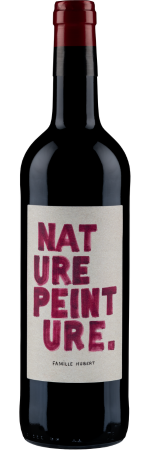
2023 Côtes de Bourg AOC Nature Peinture
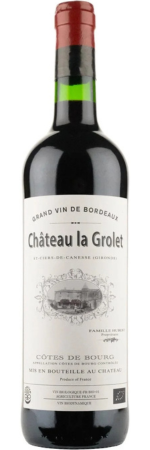
2022 Côtes de Bourg AOC Cuvée Classique
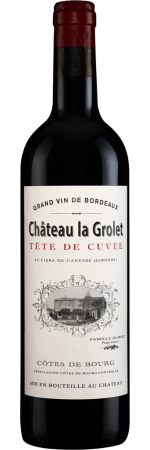
2020 Côtes de Bourg AOC Tête de Cuvée