Alexander Zahel
Weinviertel, Kamptal, Carnuntum
There is something wildly compelling about a winemaker choosing to begin again after already building something important.
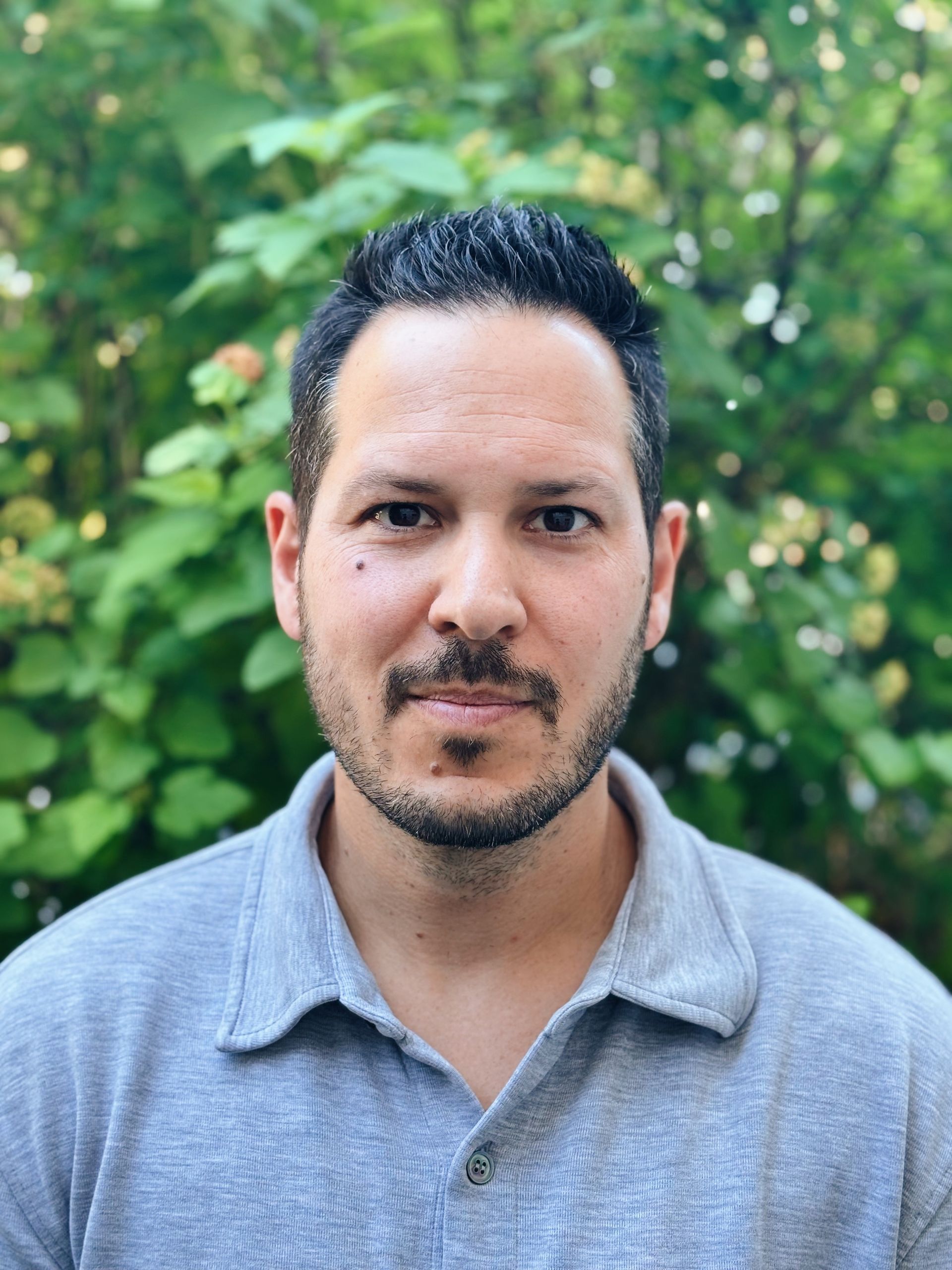
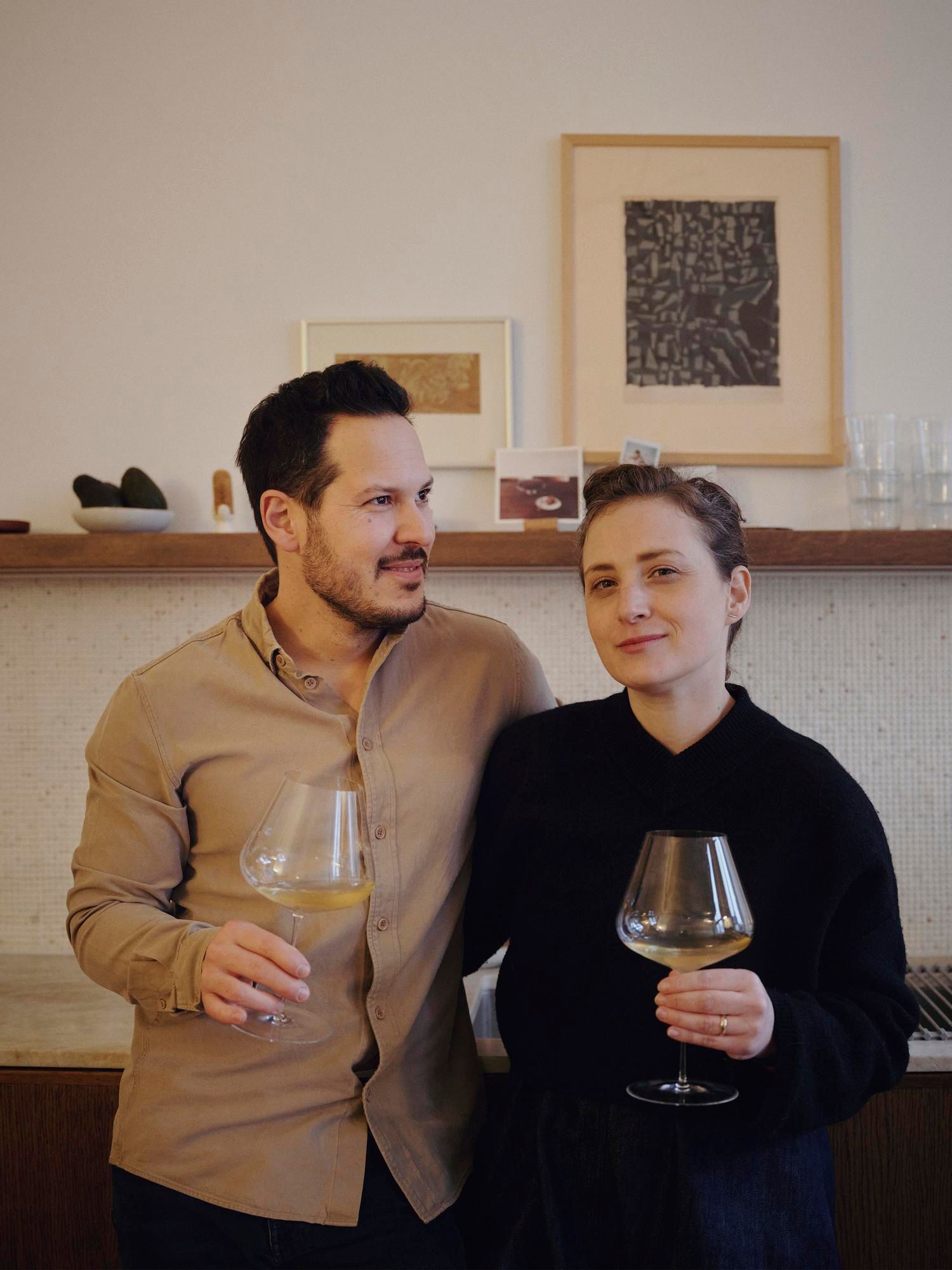
Joe first met Viennese vigneron Alexander Zahel and his Massachusetts-born wife, Hilary Merzbacher, at SUMMA in 2025, the beautiful little wine fair in Alto Adige where the producer list tends to read like a roll call of estates you normally do not see pouring at fairs. So finding this completely new project tucked among some of the oldest and most established names in Austrian wine was already intriguing. Then came the wines. Joe went back to their table again that afternoon, and then again the following day, completely taken by the combination of textured acidity, confident fruit, energy, and precision in the bottles. Alex and Hilary themselves seemed to carry exactly the same energy as the wines: warm, unassuming, genuinely enthusiastic, and very clearly people who just love wine.
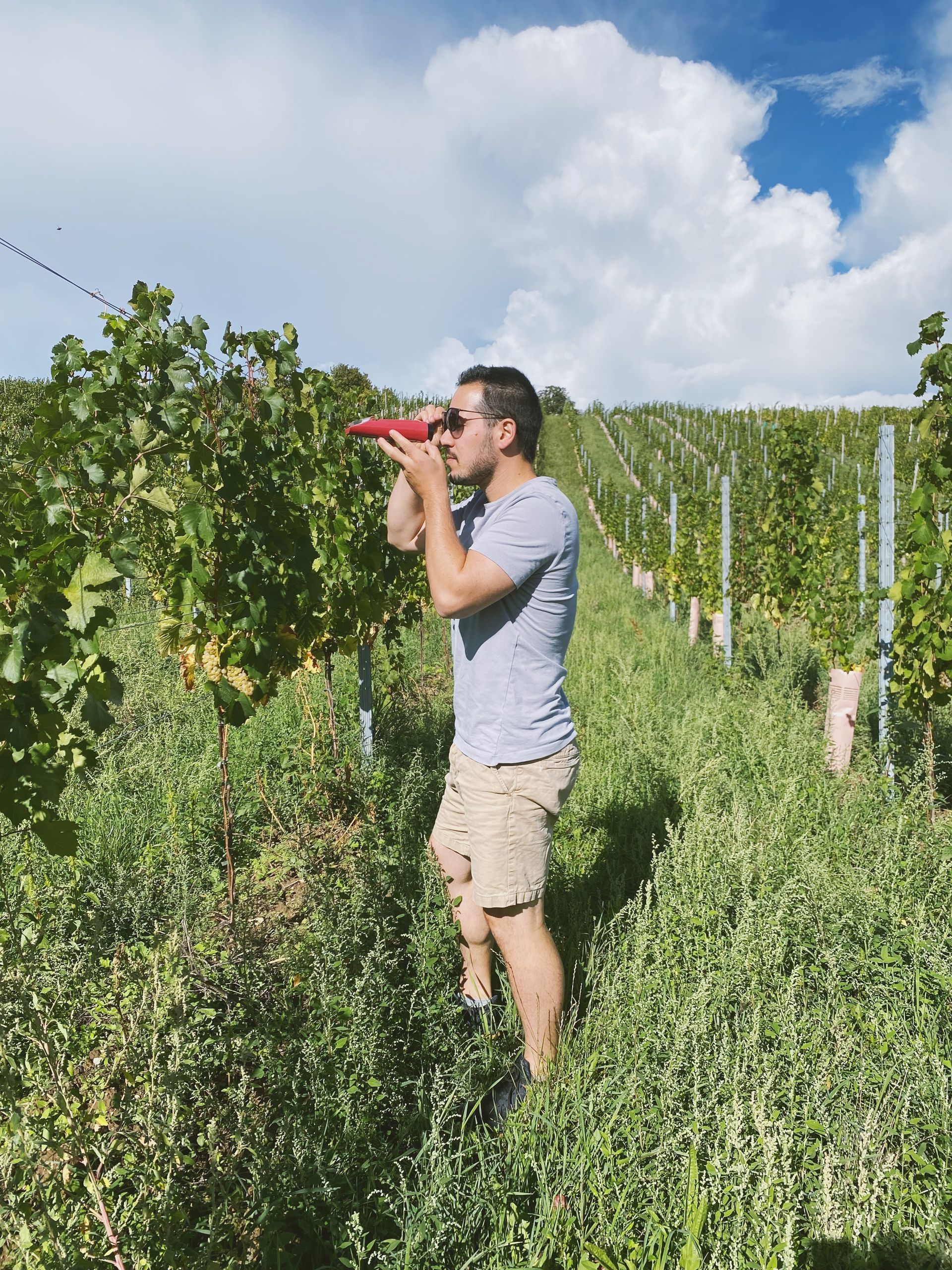
What made it even more surprising was learning that these were essentially the first wines of a brand new project. Alex was hardly new to winemaking. He completed his degree in Oenology in 2005, worked two vintages abroad in New Zealand and Australia, and then returned home to Vienna to help develop his family estate alongside his uncle. Over nearly two decades, he became General Manager and shareholder, helped grow Weingut Zahel into an internationally recognized winery, and pushed its farming steadily further, first becoming certified organic in 2014, then biodynamic in 2018, and finally Regenerative Organic Certified® in early 2024, making it the first winery in Europe to achieve ROC certification.
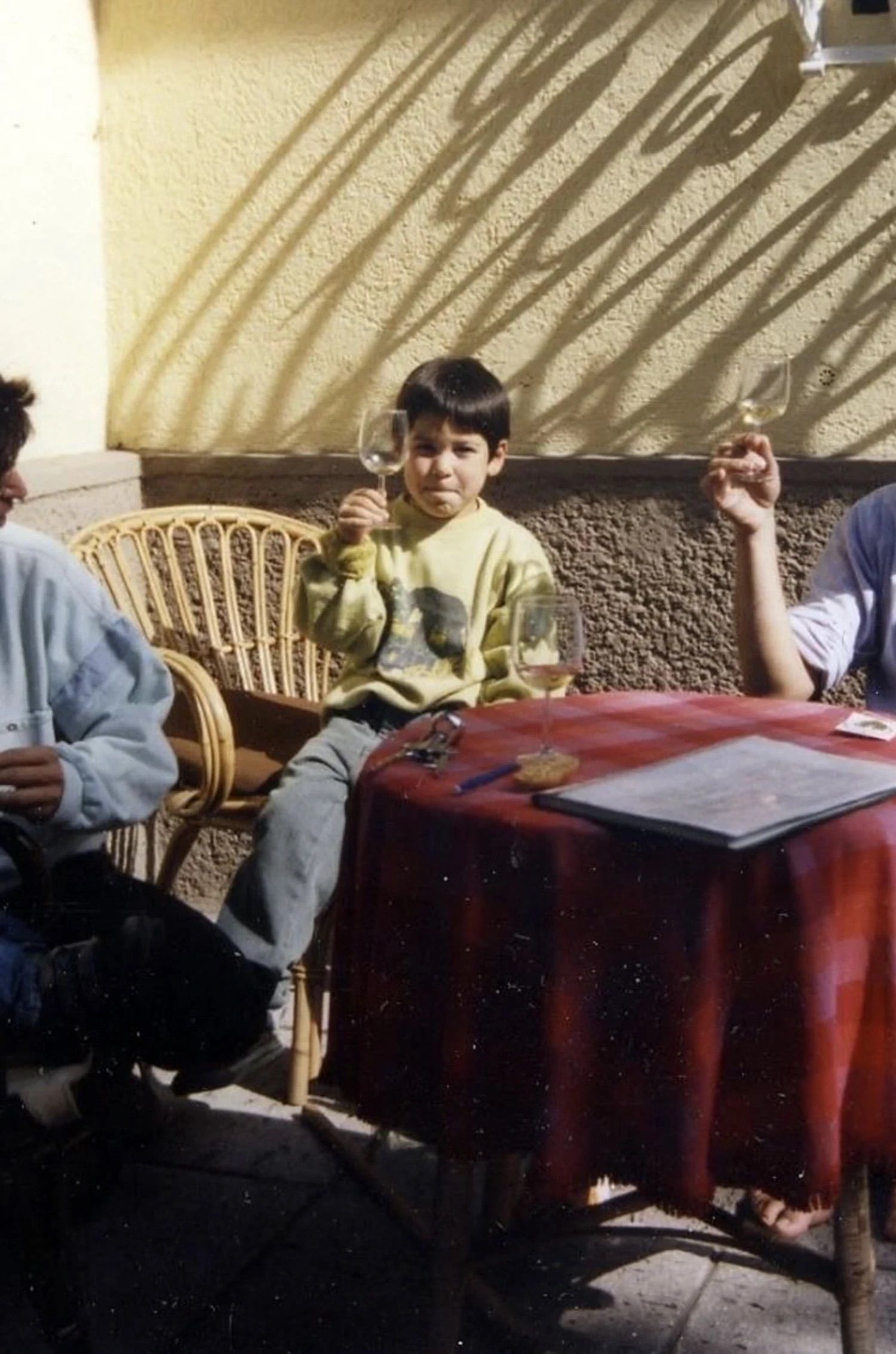
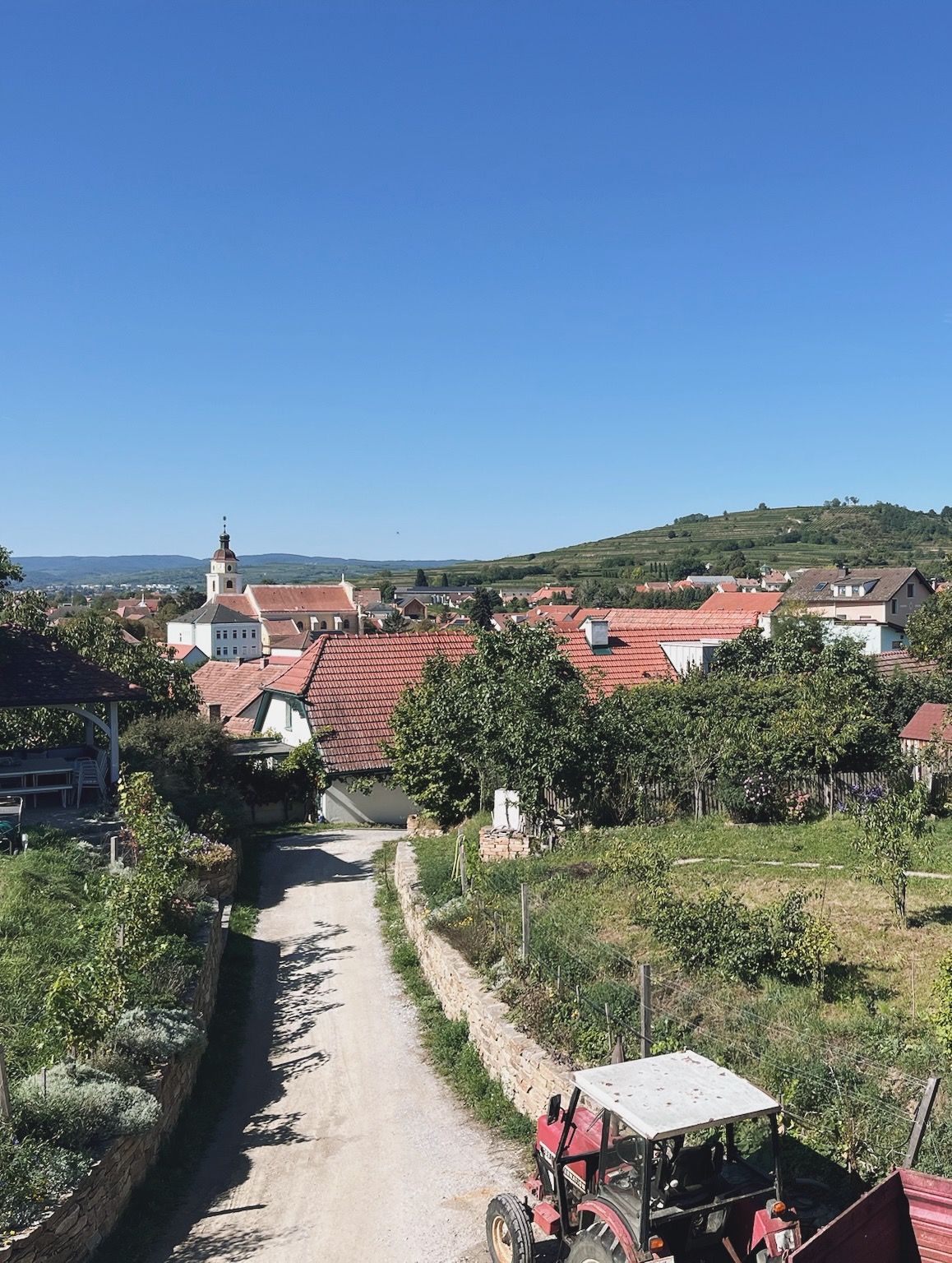
The Zahel story is deeply tied to Vienna itself. The family came out of the Heurige tradition, the famous Viennese wine taverns where growers historically farmed, made, and served their own young wines, most famously Gemischter Satz, the traditional field blends that have become one of Vienna’s great vinous signatures. Alex’s uncle Richard was part of the generation that helped push Gemischter Satz toward a more serious, quality-focused identity while preserving the rare local varieties that give those blends their particular character. Alex wanted to carry that work even further, especially in the vineyards, where his growing obsession with organic, biodynamic, and ultimately regenerative agriculture became central to the direction of the estate.
By 2024, however, Alex’s vision was no longer aligned with that of the family winery. He has never been interested in turning the story into family drama, and I think that restraint says quite a lot about him. What matters is that in July of that year, Alex and Hilary made the enormous decision to step away and start something of their own. Suddenly there were no inherited vineyards, no family cellar, and none of the infrastructure he had spent nearly twenty years helping to build. There was simply a lifetime of experience, a network of growers he trusted, and the slightly terrifying freedom of beginning again.
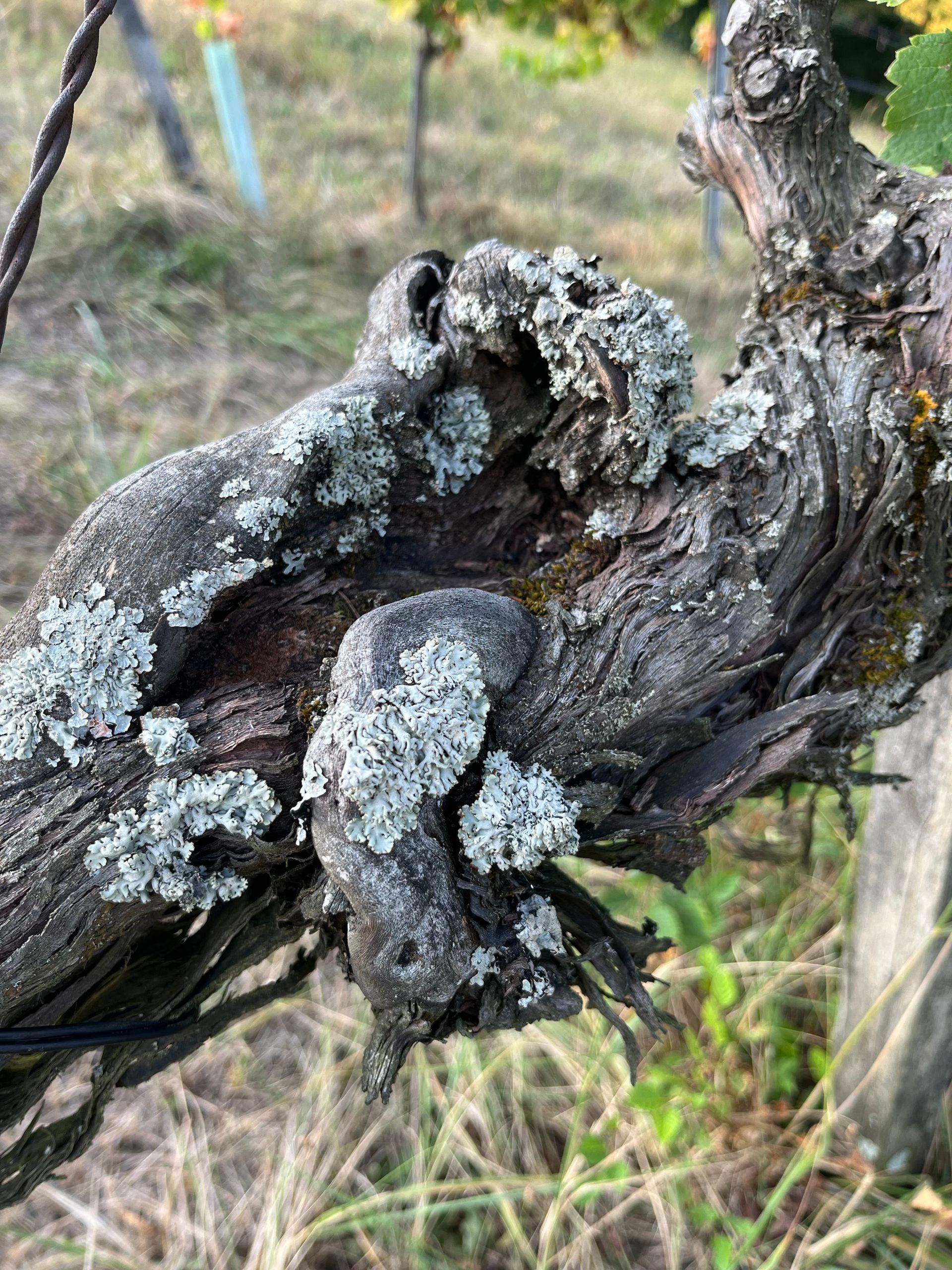
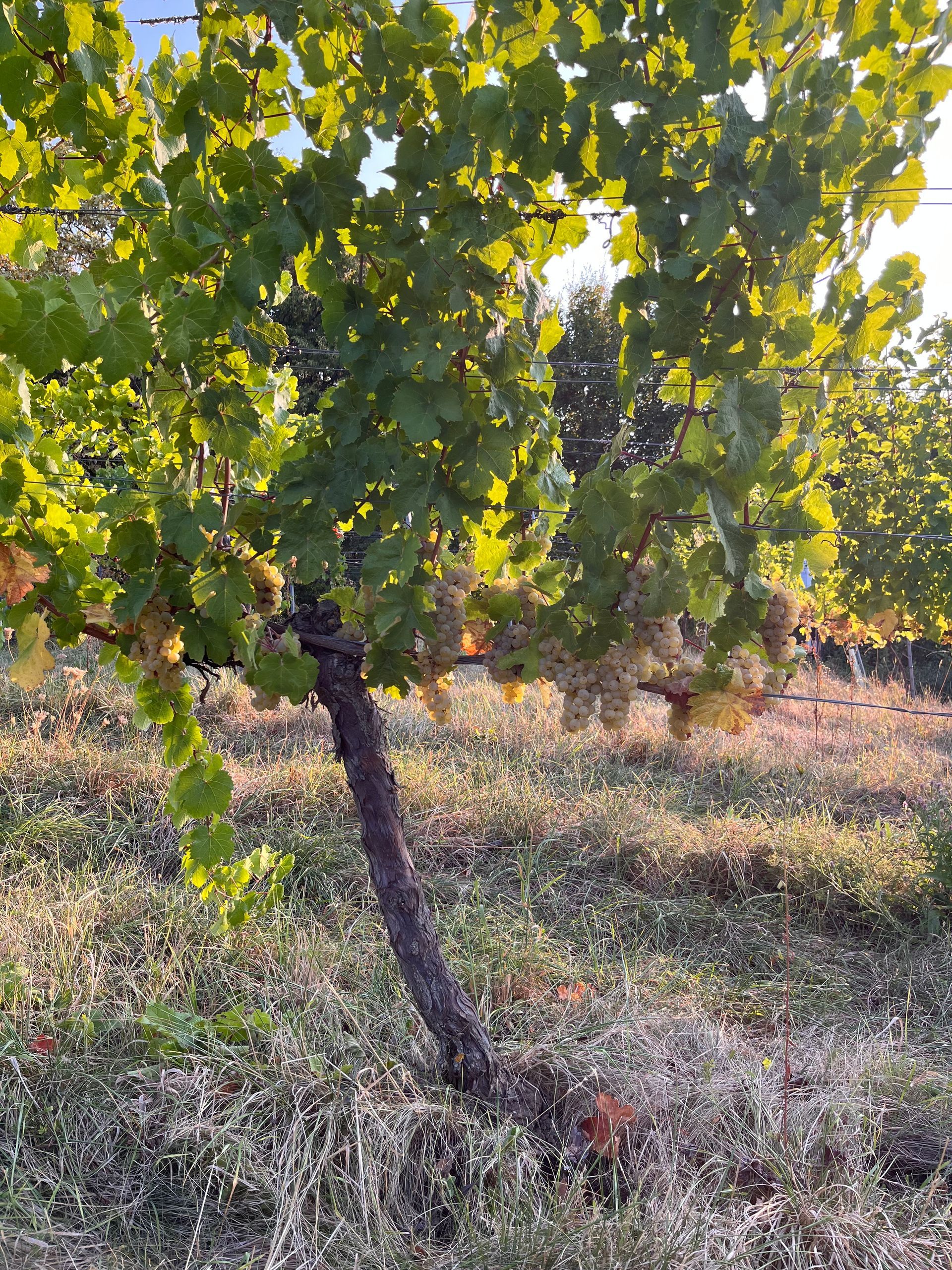
Rather than trying to recreate a traditional estate from scratch, Alex and Hilary looked toward the French micro négoce model. Alex began building partnerships with organically and regeneratively farmed vineyards around Austria, often seeking older vines and particularly expressive sites, then working closely with the growers from vineyard decisions through harvest, fermentation, élevage, and bottling. He is not simply purchasing finished wine and putting his name on it. These are genuine collaborations, built around people he trusts and vineyards he believes deserve to be heard clearly.
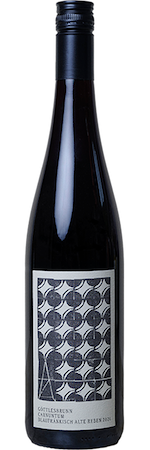
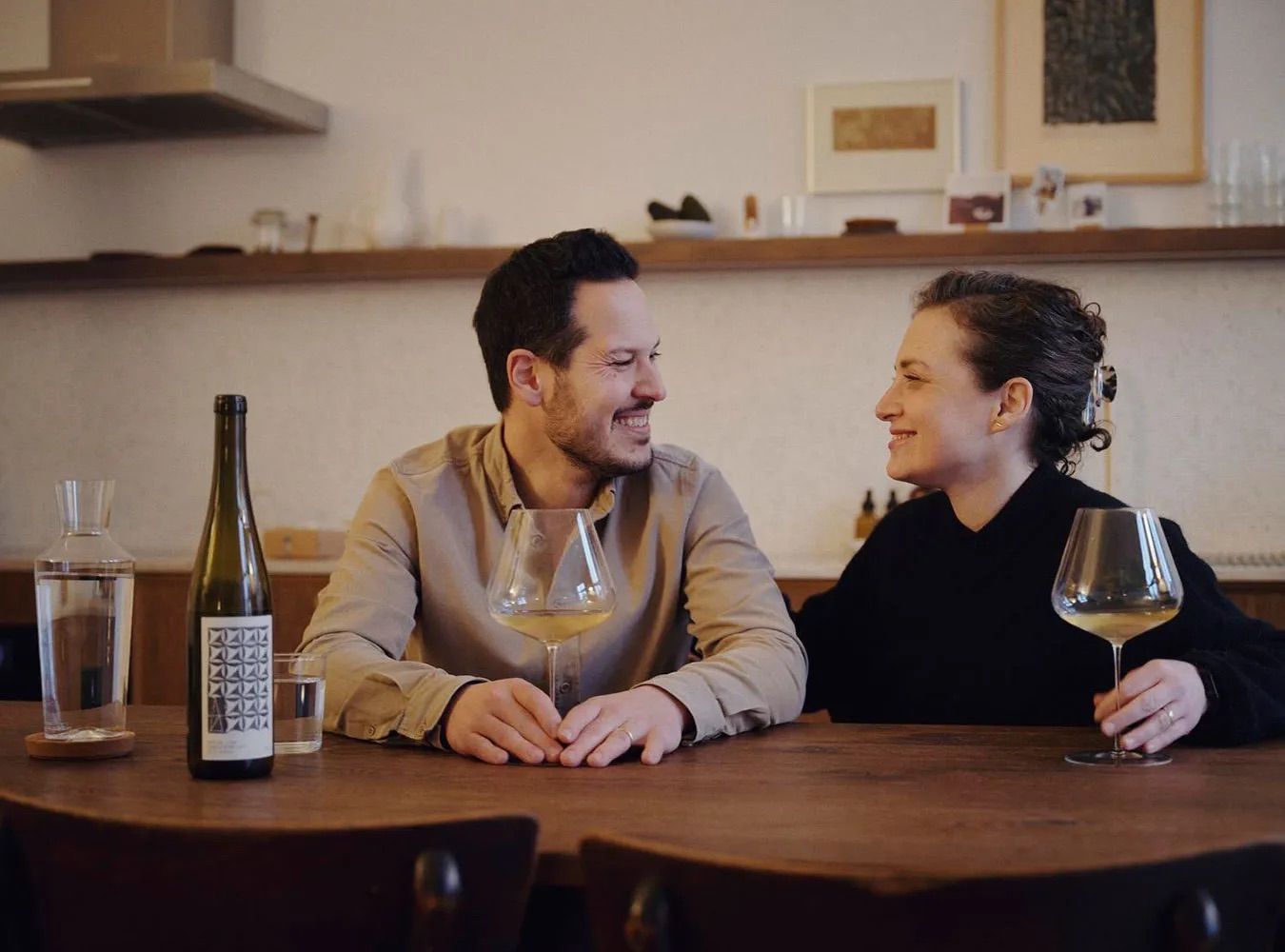
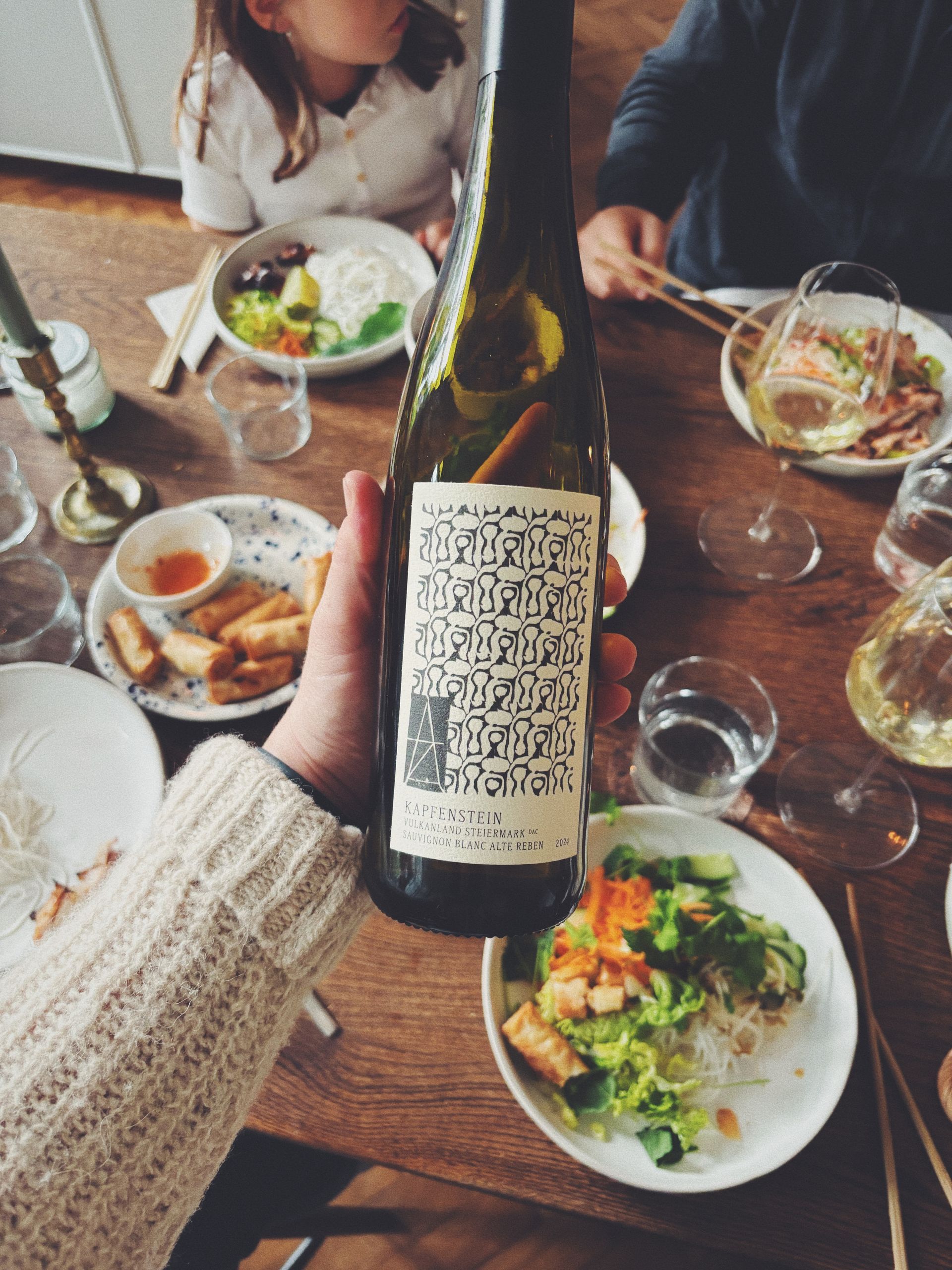
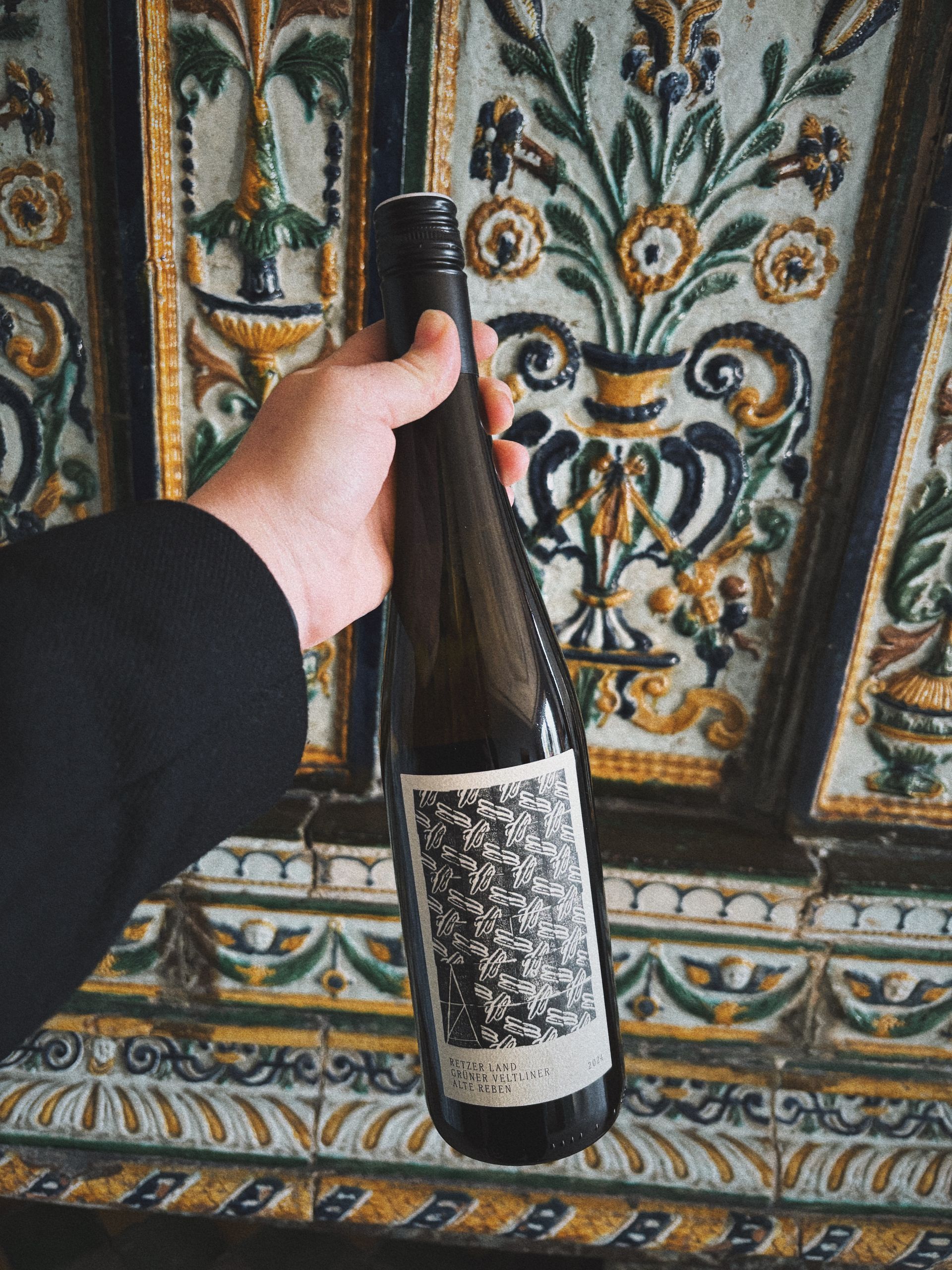
And Hilary is very much the other half of the project. While Alex brings decades of vineyard and cellar experience, Hilary leads the design, marketing, and visual identity. The labels are hers, and they somehow capture the project beautifully: modern and playful, but thoughtful, personal, and completely without stiffness. The two of them together give the project a feeling that is increasingly rare in wine. There is ambition here, certainly, but very little ego. It feels much more like wine as partnership.
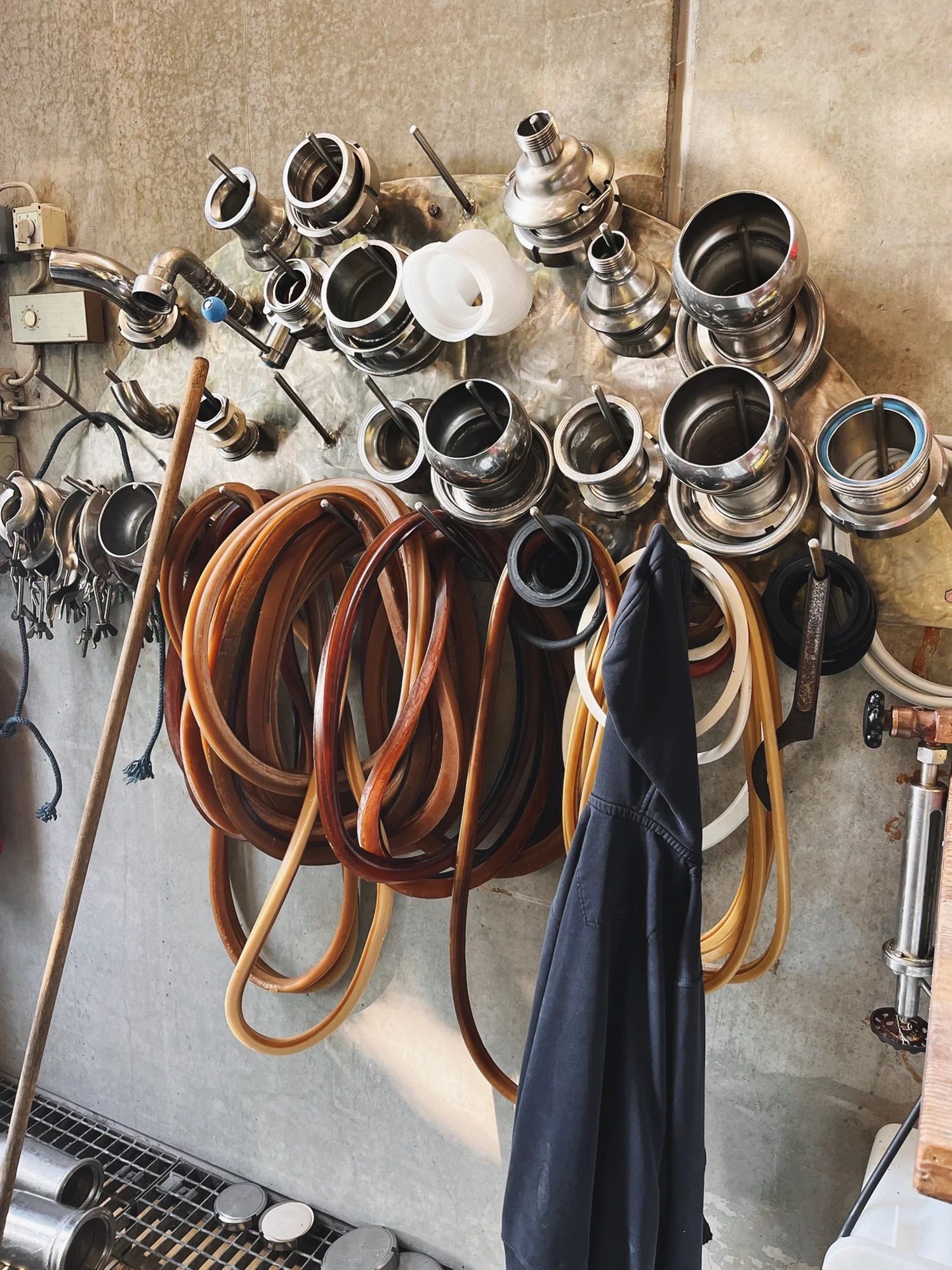
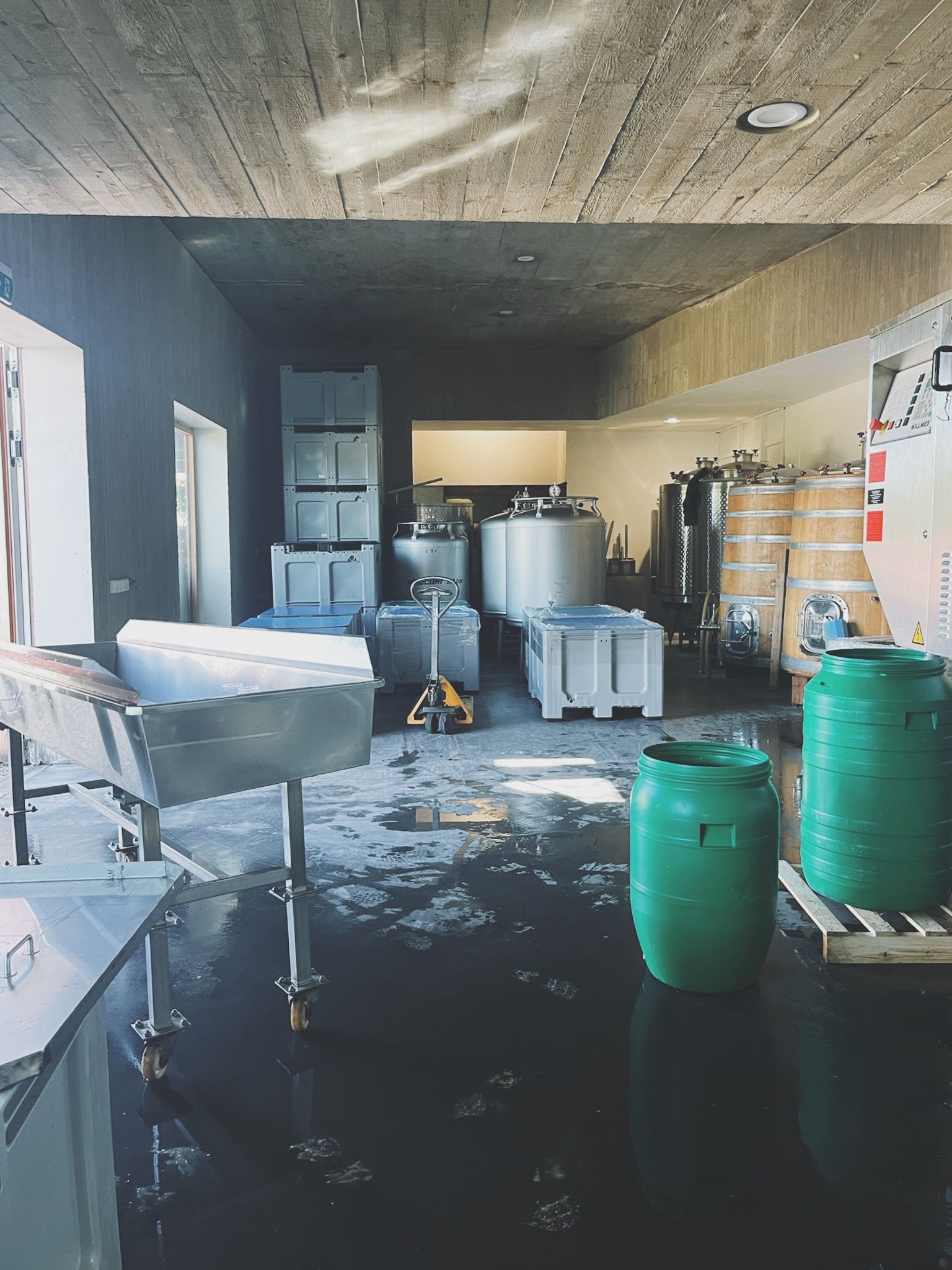
The winemaking follows the same philosophy. Fermentations are spontaneous, using indigenous yeasts, with no fining, no filtration, and only minimal sulphur. The whites often receive a short period of skin contact, enough to build texture and aromatic complexity without becoming heavy or stylistically exaggerated. What I love about these wines is that they have the electricity and personality people often chase in natural wine, but with incredible composure. They are alive without being chaotic, expressive without becoming showy. There is fruit, acidity, texture, and plenty of personality, but everything feels beautifully tuned.
Now a couple of years into the project, Alex and Hilary are slowly building what feels like a panorama of Austrian terroir, working with growers in different regions and allowing each place to speak through Alex’s particular sensibility. The farming matters enormously, but the point is never simply to collect certifications or philosophical buzzwords. Organic, biodynamic, regenerative, low intervention- all of those ideas are tools. The real goal is to make wines that are honest, detailed, balanced, delicious, and full of life.
One of my favourite things about Alex and Hilary is that their curiosity does not stop at Austria. They are serious wine drinkers themselves, the kind of people who are constantly tasting, travelling, learning, and getting excited about what other growers are doing. Alongside their own wines, they have even begun importing producers from France, Spain, and Italy into Vienna simply because these are wines they genuinely love and want to drink.
And that is ultimately what makes Alexander Zahel so exciting to us. The project is new, but it does not feel inexperienced. It has the rare energy of someone beginning again without losing any of the wisdom earned along the way. Alex and Hilary have taken decades of vineyard knowledge, farming philosophy, friendships, mistakes, travel, curiosity, and love of wine and turned all of it into something completely their own. These are wines made by people who clearly love vineyards, love food, love collaboration, and still believe that a bottle of wine can surprise you, delight you, and make the table feel a little more alive.
It is a pretty wonderful thing to represent.

Wines by this Producer
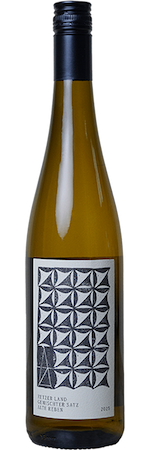
2025 Retzer Land Gemischter Satz
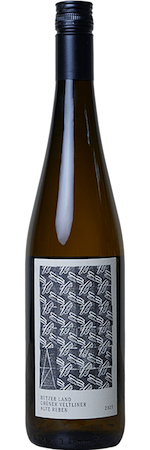
2025 Retzer Land Grüner Veltliner
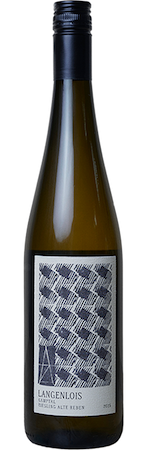
2024 Kamptal DAC Langenlois Riesling
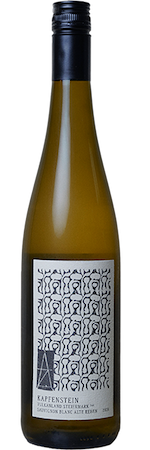
2024 Vulkanland Steiermark DAC Kapfenstein Sauvignon Blanc