Pessac-Léognan, France
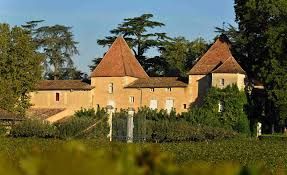
The opportunity to visit this beloved temple to one of Bordeaux’s finest dry whites was unreal. Entering Carbonnieux is like tumbling into some Narnian wardrobe. More than seven centuries have shaped the vineyard and the estate, making it one of the oldest wine estates in all of Bordeaux. The Benedictine monks who founded Carbonnieux seem to have infused its ivy-clothed walls with the peace and ease approximating that heady high after a good glass of wine. The place is second only to neighboring Smith Haut Lafite in this evocatively medieval-bucolic allure.
The estate is unique in that it sits perched dead center between its historic vineyards, straddling a gentle crest where the ideal soils for both colors run in either direction, gravels for reds on the one side and clay-limestone for whites on the other.
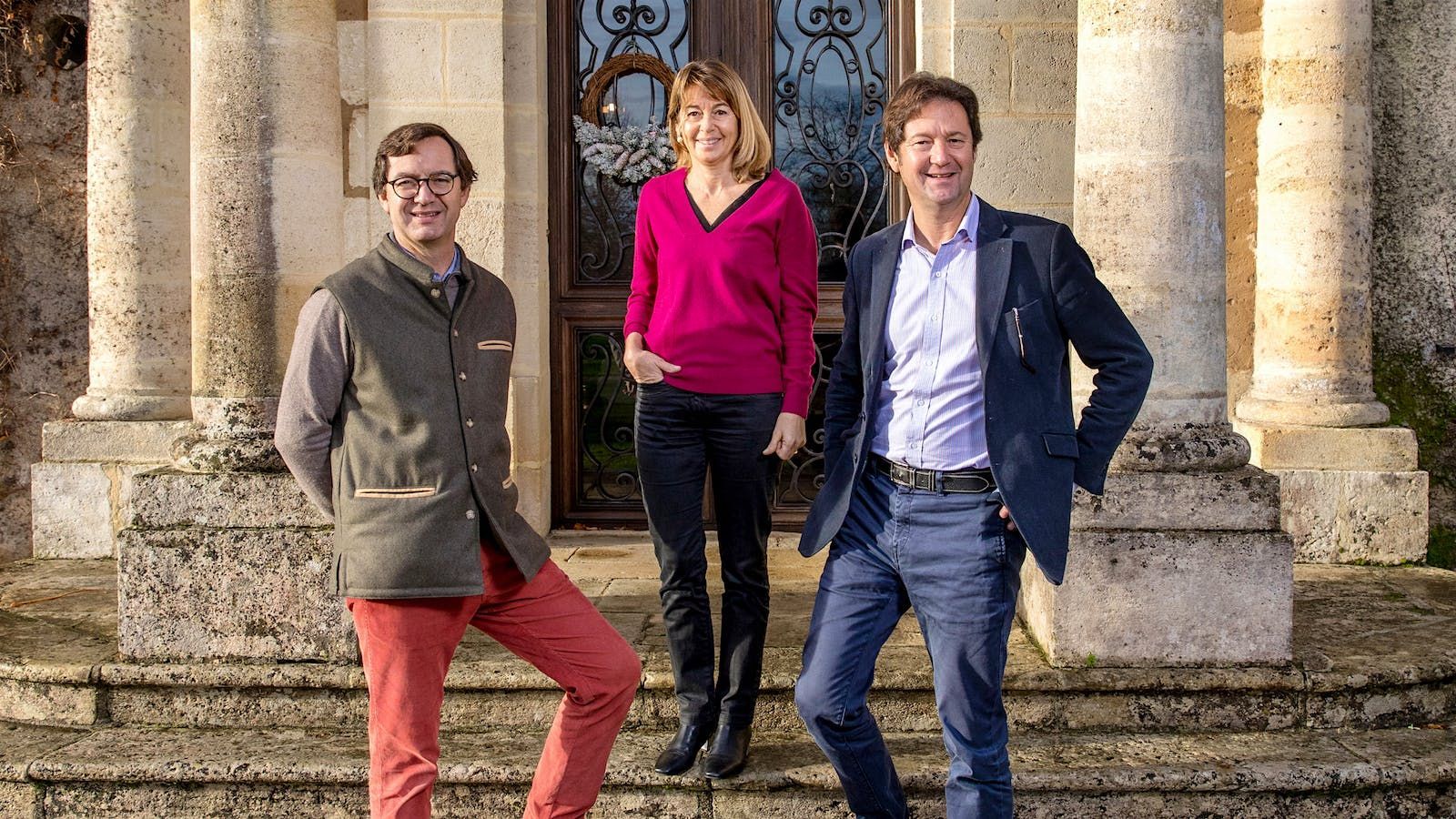
One thing you hear often about Carbonnieux, including from Eric himself, is how awesome it is to see this historic benchmark estate maintain their prices at a steady eddy all these years, resisting the sharp run-up that occurred in the 90’s and 2000’s with North American interest and the 2010’s with Asian interest. Eric told me, to paraphrase, we’ve been around forever and we want to continue to be around forever and that means asking a fair price through the up’s so people will still buy from you through the down’s. And here we are. Indeed, their 42 hectares of Sauvignon Blanc & Sémillon constitute the largest area of white wine production in the entire appellation. Where else can you find one of the very finest examples of any French category at such a remarkable price? Languedoc perhaps? But in Bordeaux of all places? It’s astonishing.
The Carbonnieux white is, like so much properly ripe right-from-the-tree tropical fruit, both so so creamy yet so so bright. The texture is incredible, it’s hard to describe. It’s age-worthy cut is well established by history, but part of the wine’s marvel is its starbright colour. It’s said that in the 18th century, their white wines were cleverly sent to the palace of the Sultan of Constantinople under the name “Carbonnieux mineral water” due to their clarity and purity.
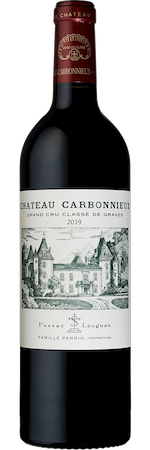
But let’s not forget their red! The Grand Cru Classé de Graves was awarded to 16 estates (14 extant) but it was given to some for red, some for white, and only a hand full for both. The Carbonnieux red is glorious, a benchmark for the Graves, grown in some of the earliest vineyard lands in all of the Bordeaux region, according to ampelographers. Even the composition of the blend is textbook. Massive strides have been made over the past decade to lift this wine to similar regard and the results on plain display in their 2019, a wine of toe-tingling tension, enjoyable now with a good decant but if you can give it five more years (and well beyond), wow.
One of the best whites of Bordeaux for me.
You can expect creaminess and concentration in the flavours […] always with the tension and lift that makes Bordeaux whites so food-friendly. […] …and here the monks were known for their exceptional white wines, making their way to the top of the list (alongside Haut-Brion for the reds) in a 1776 ranking by the regional administrator known as the Guyenne
Intendant. Ten years later it was Thomas Jefferson’s turn to enjoy the wine, and he left his mark by planting an American pecan tree in the grounds: it still stands today.
—Jane Anson, Inside Bordeaux
Wines by this Producer
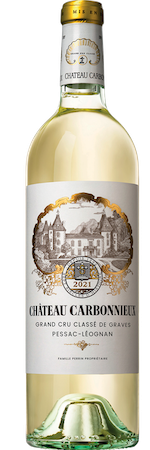
2021 Pessac-Léognan AOC Blanc, Grand Cru Classé de Graves