Pauillac, Bordeaux, France
Classification: Cinquième Grand Cru Classé (1855)
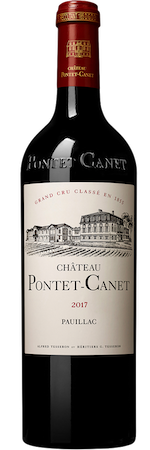
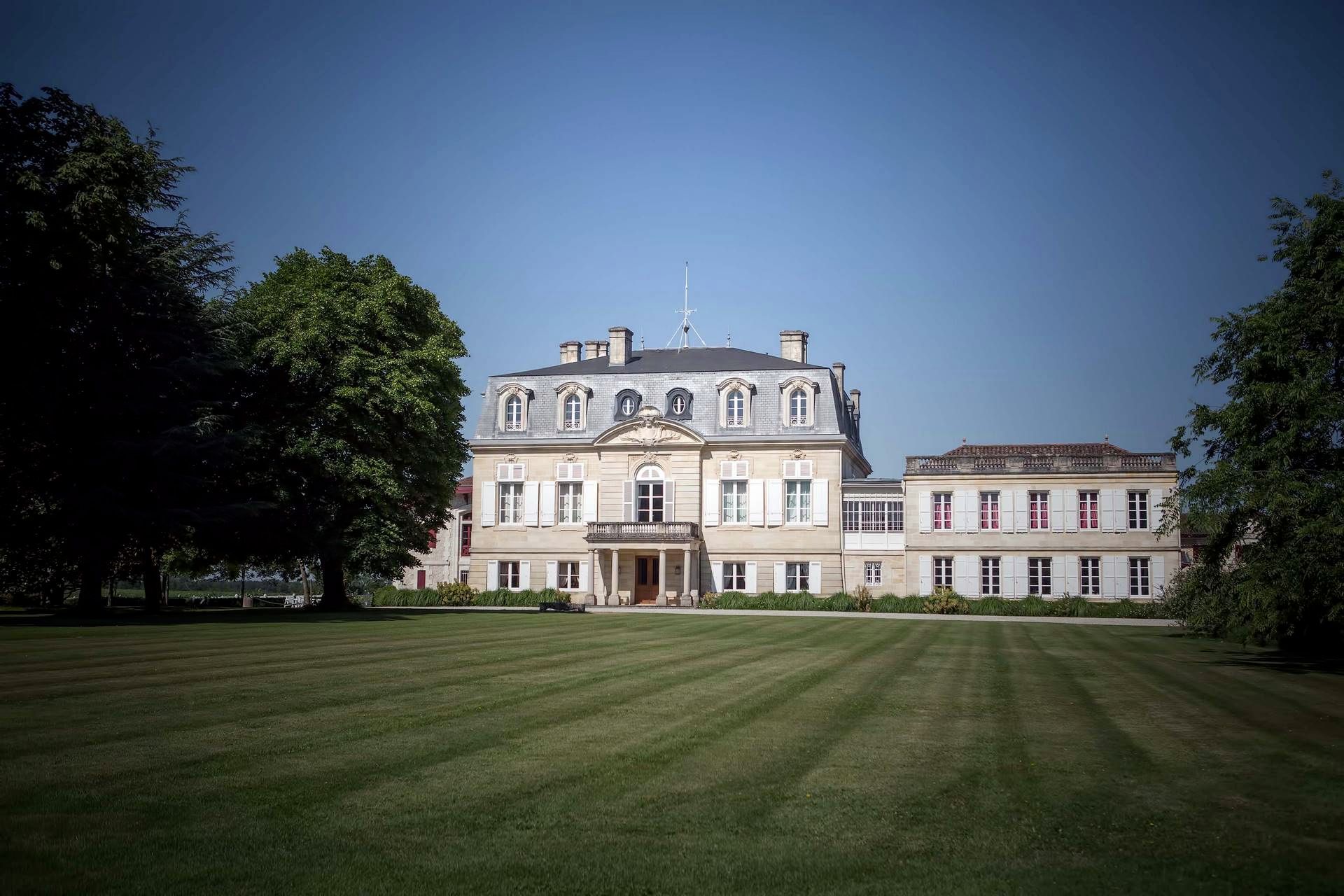
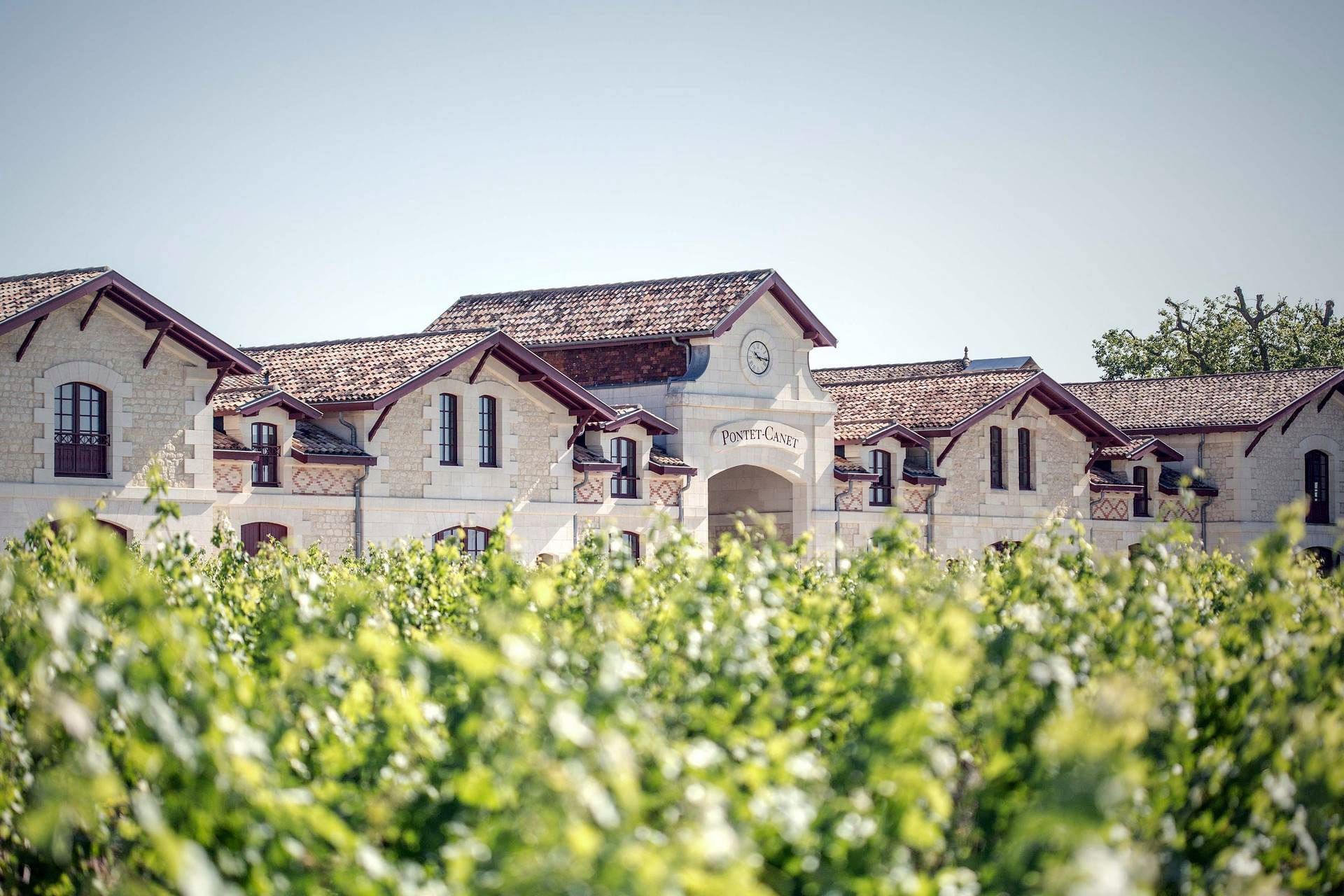
On the northern edge of Pauillac, brushing the border of Saint-Estèphe, Château Pontet-Canet occupies one of the Médoc’s most distinctive sites. Classified as a Fifth Growth in 1855, the estate today is defined less by hierarchy than by conviction, a property that has quietly reshaped what Pauillac can be.
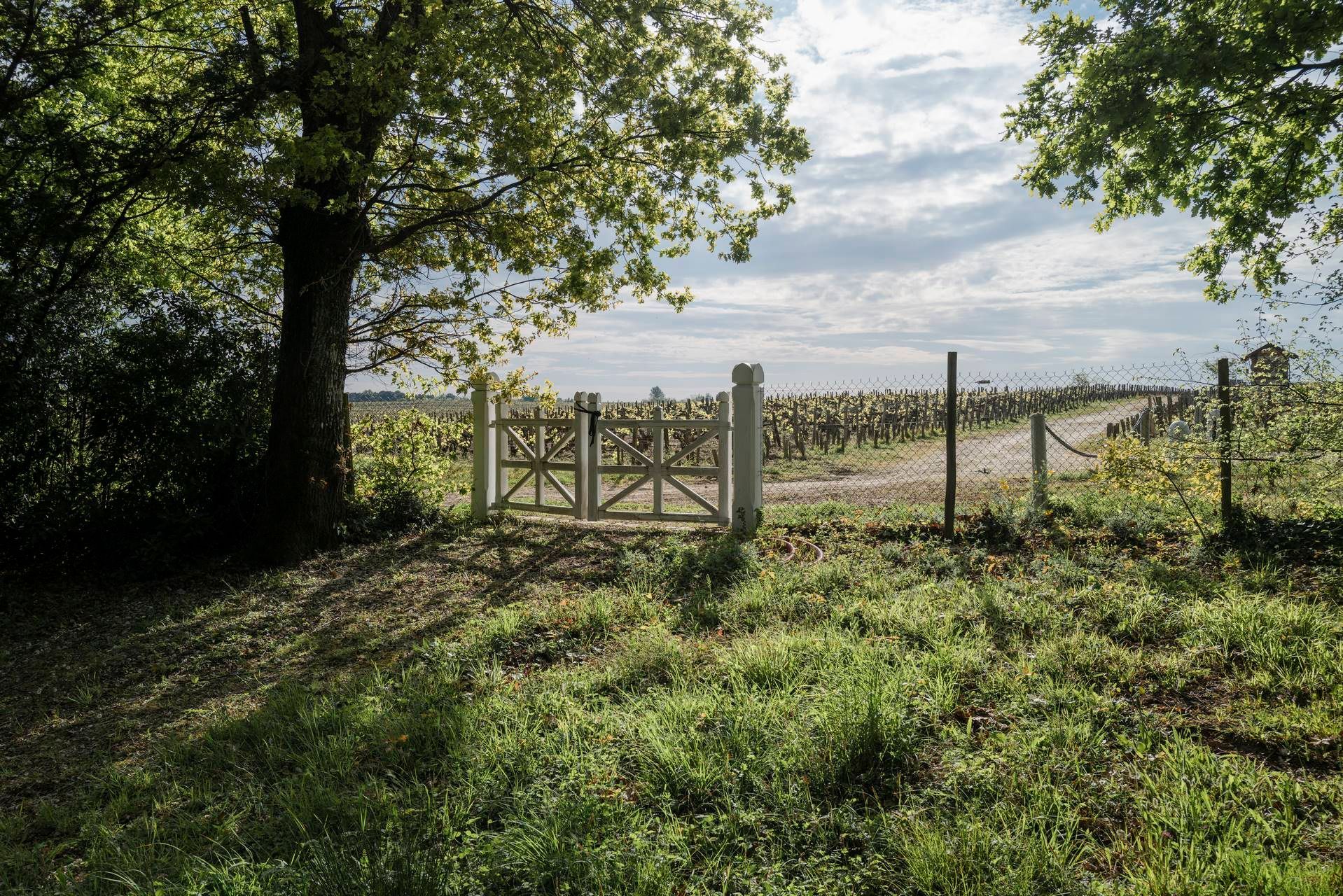
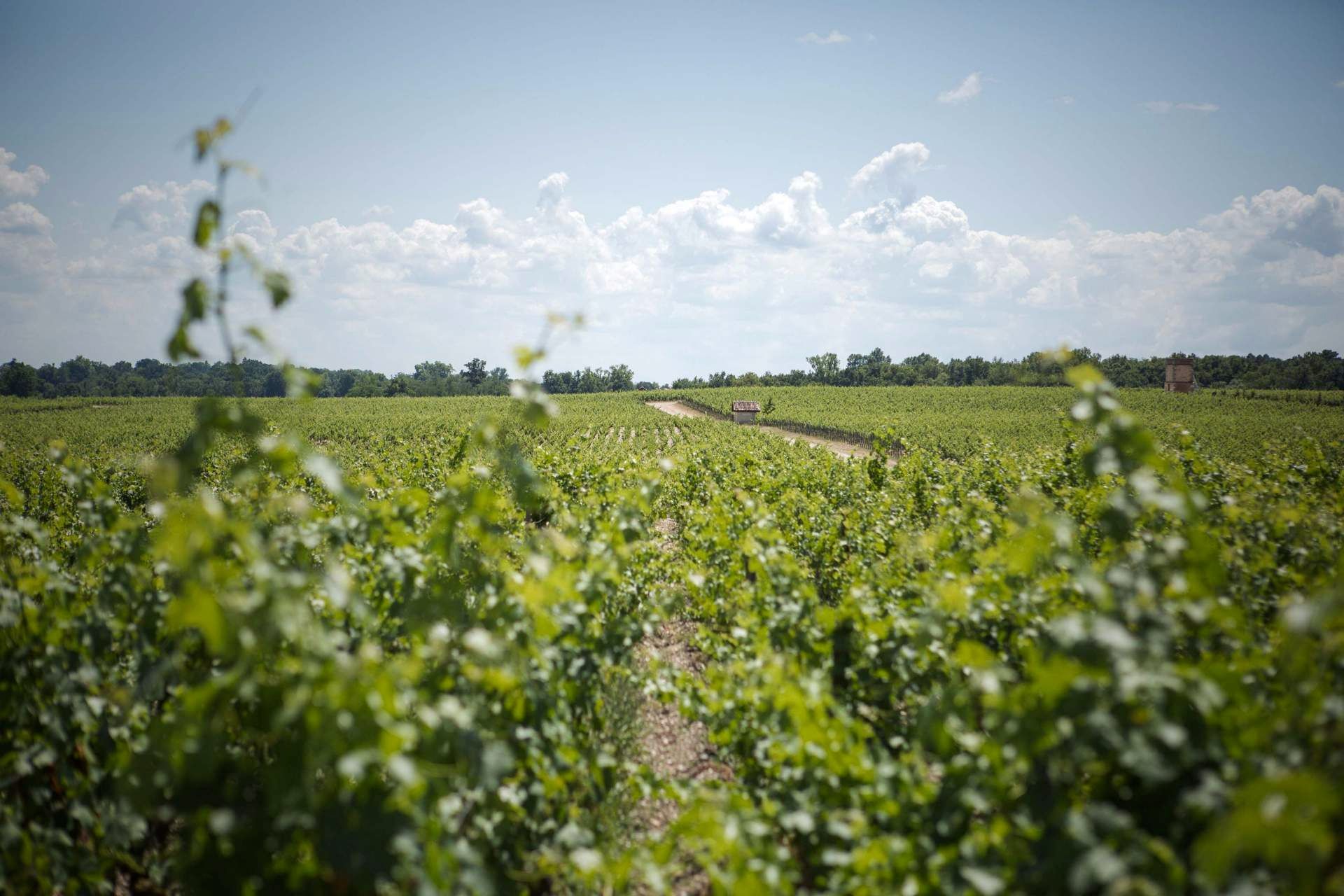
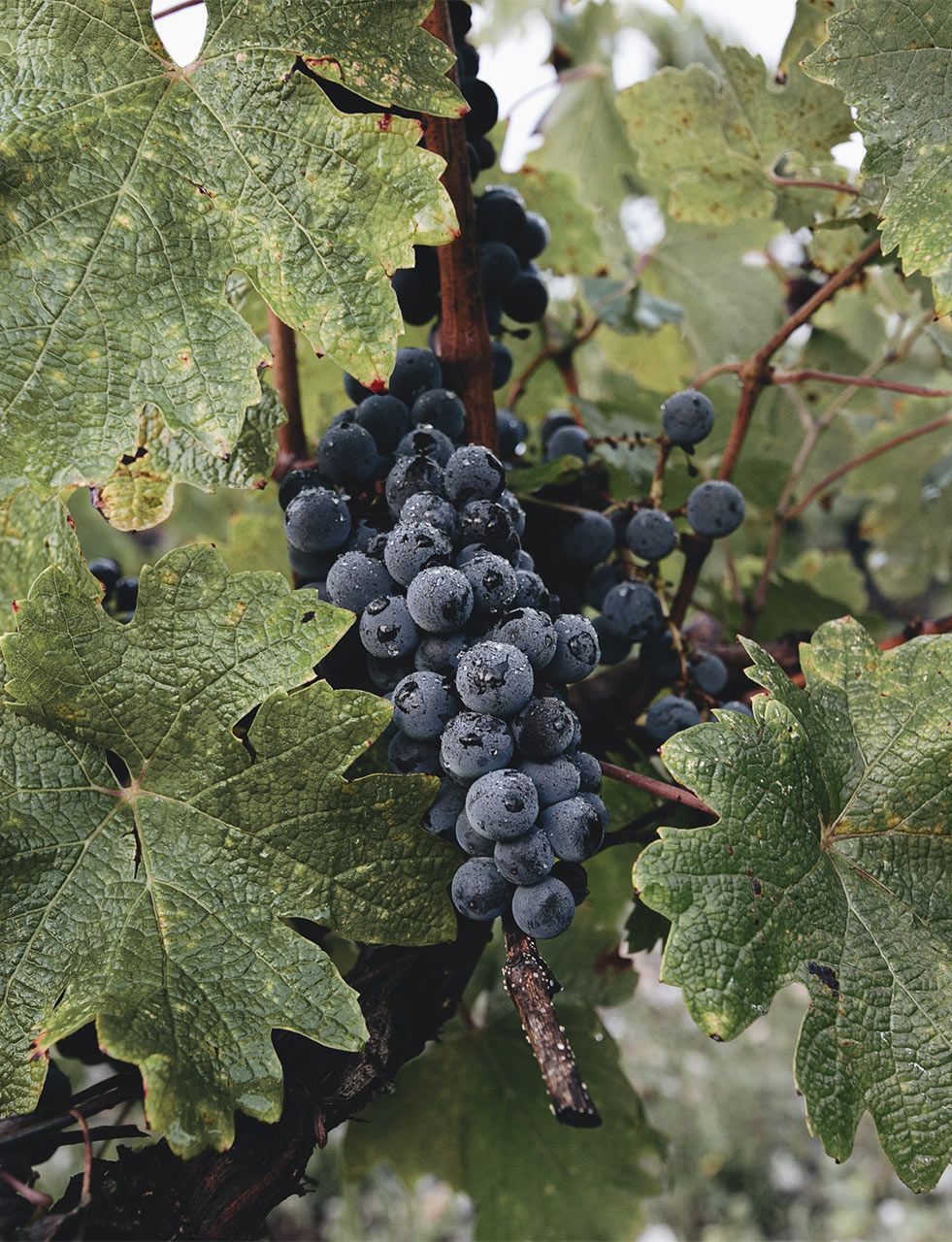
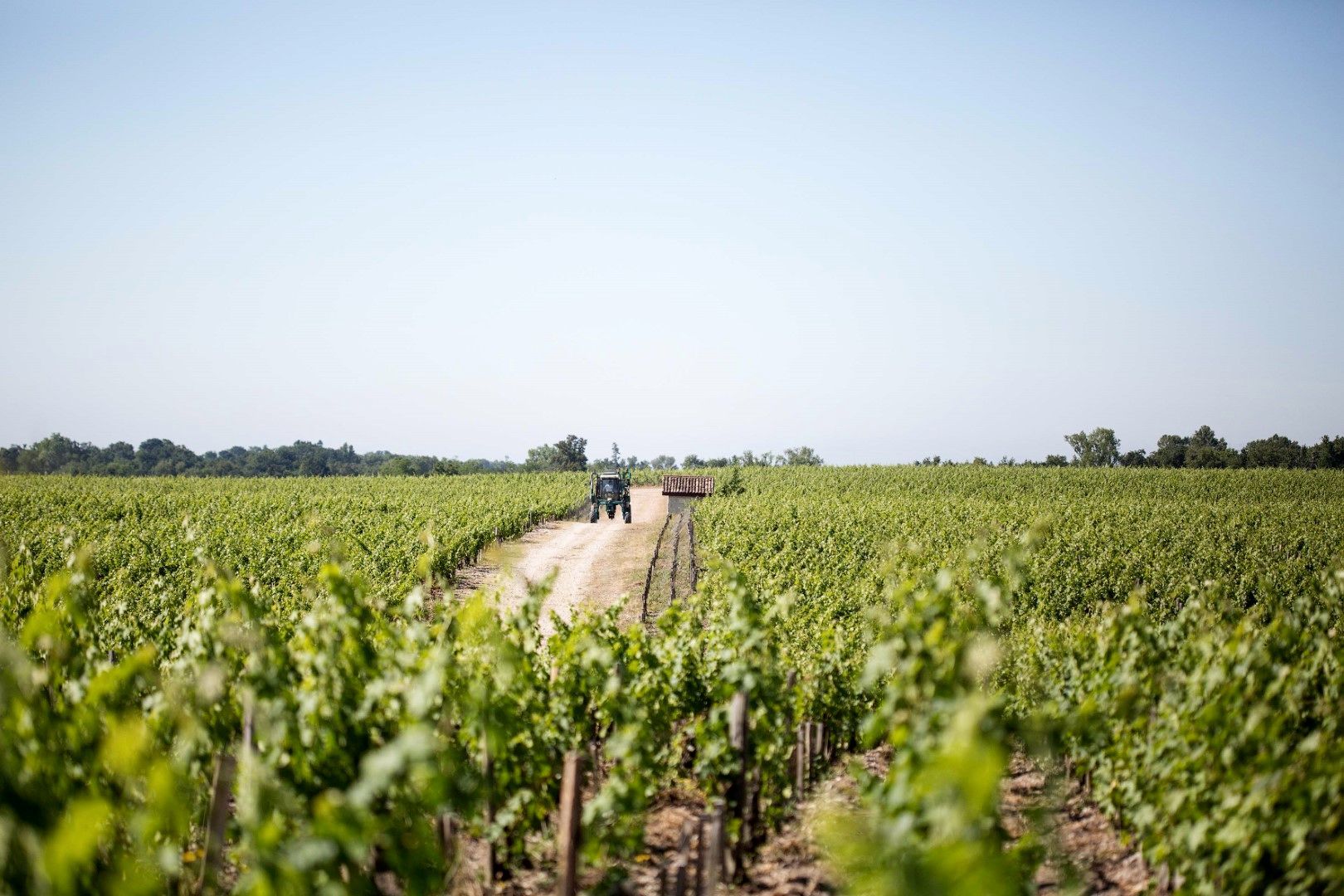
As Chris Kissack of The Wine Doctor notes, the "Tesserons’ vineyards stretch across a prime section of the gravelly plateau, a swathe of vines between illustrious neighbours and the Chenal du Gaet. The land undulates from gravel-rich upper slopes to sand-and-clay lower sections, with a second, more heterogeneous plot north of the town. Across 120 hectares, just over two-thirds are planted to vines averaging 35 years old, with 60 percent Cabernet Sauvignon, 33 percent Merlot, 5 percent Cabernet Franc, and 2 percent Petit Verdot. Cabernet dominates around the château, while Merlot is more prevalent in the northern plot."
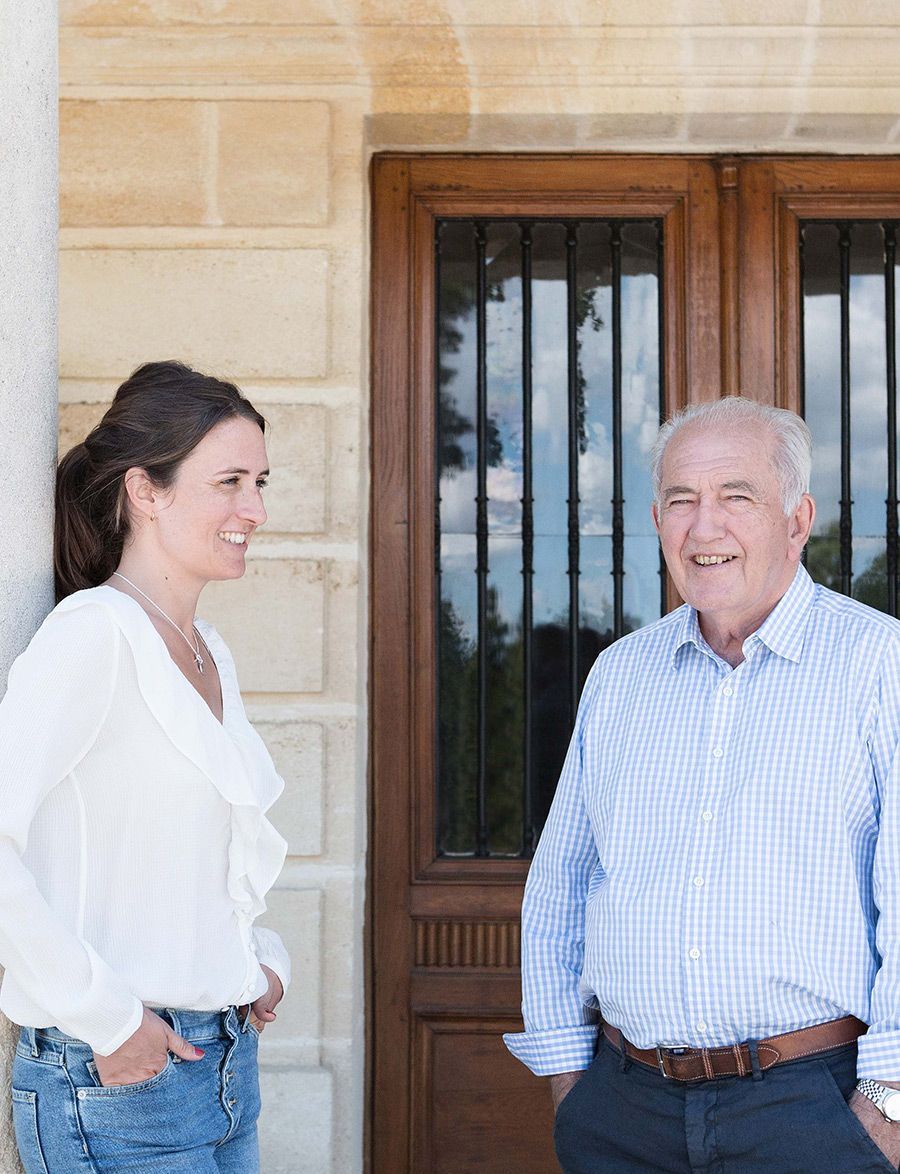
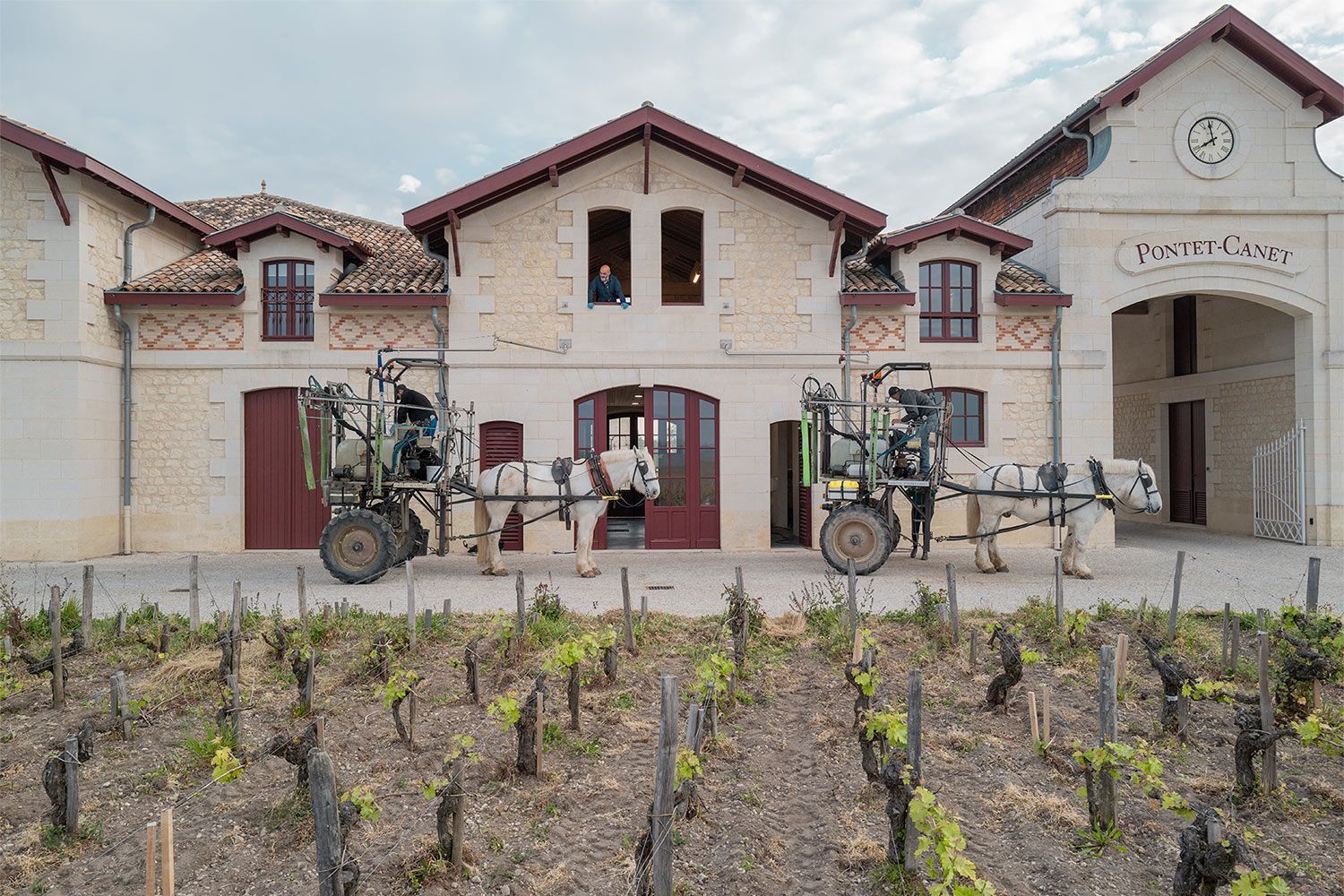
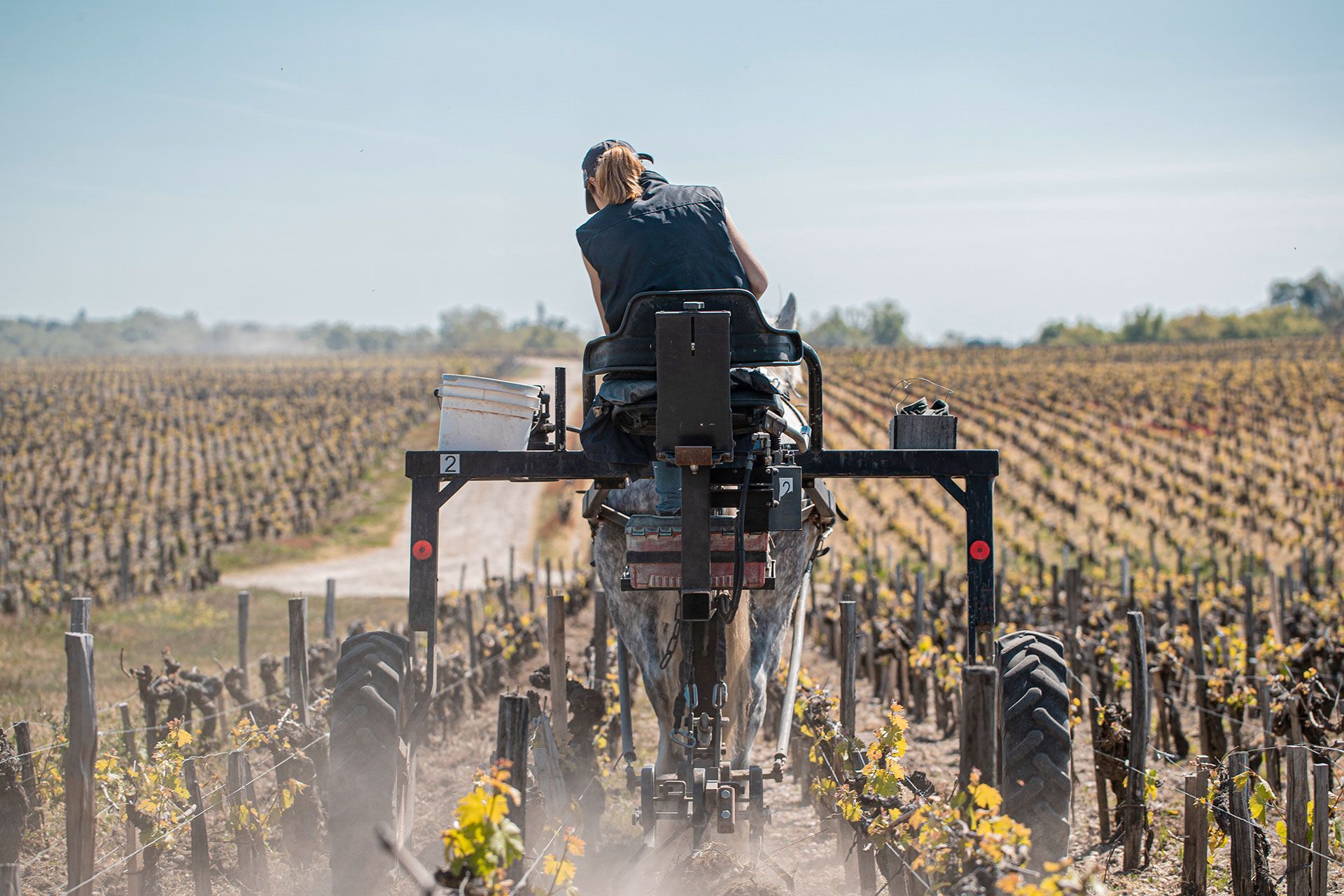
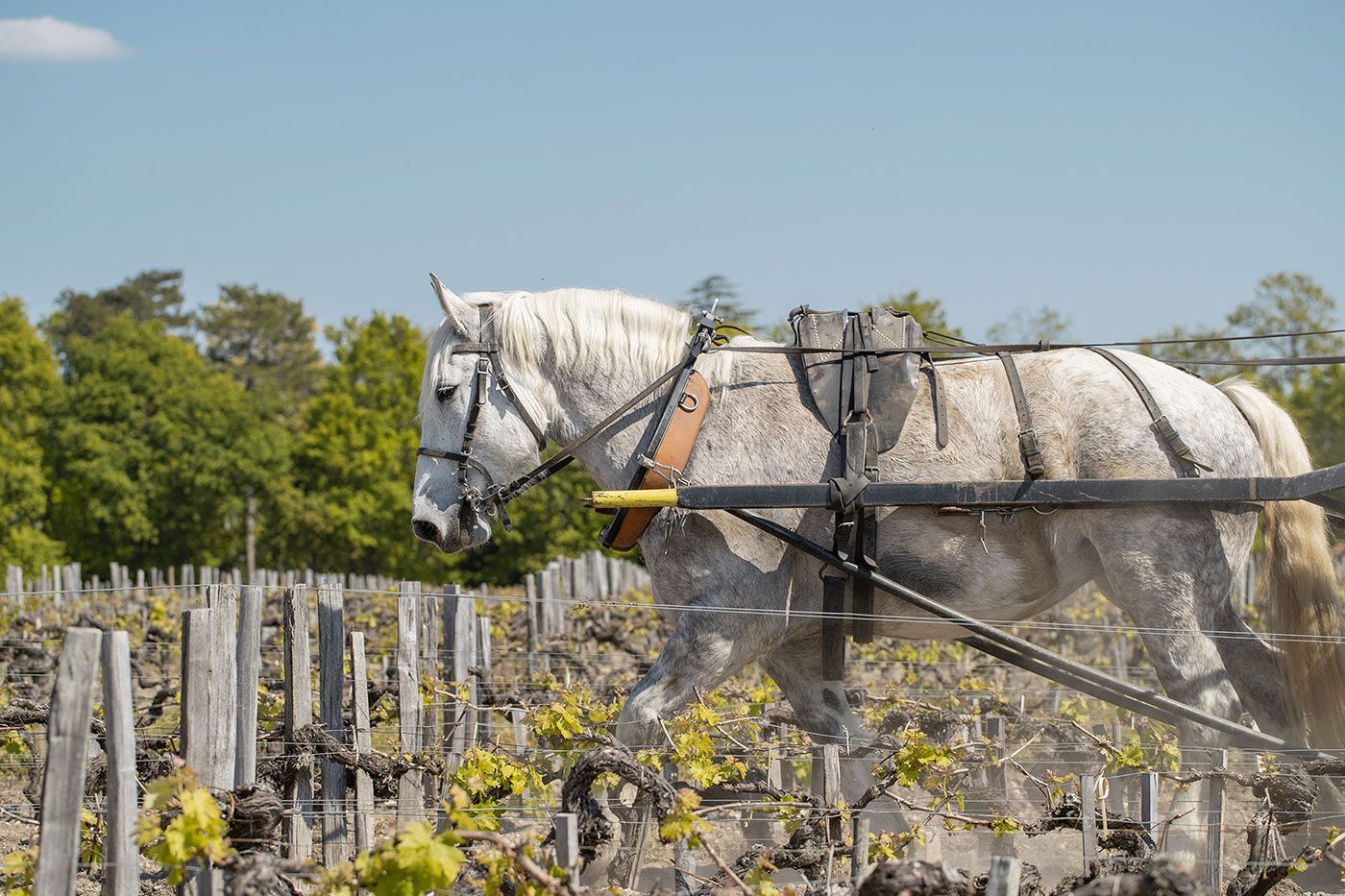
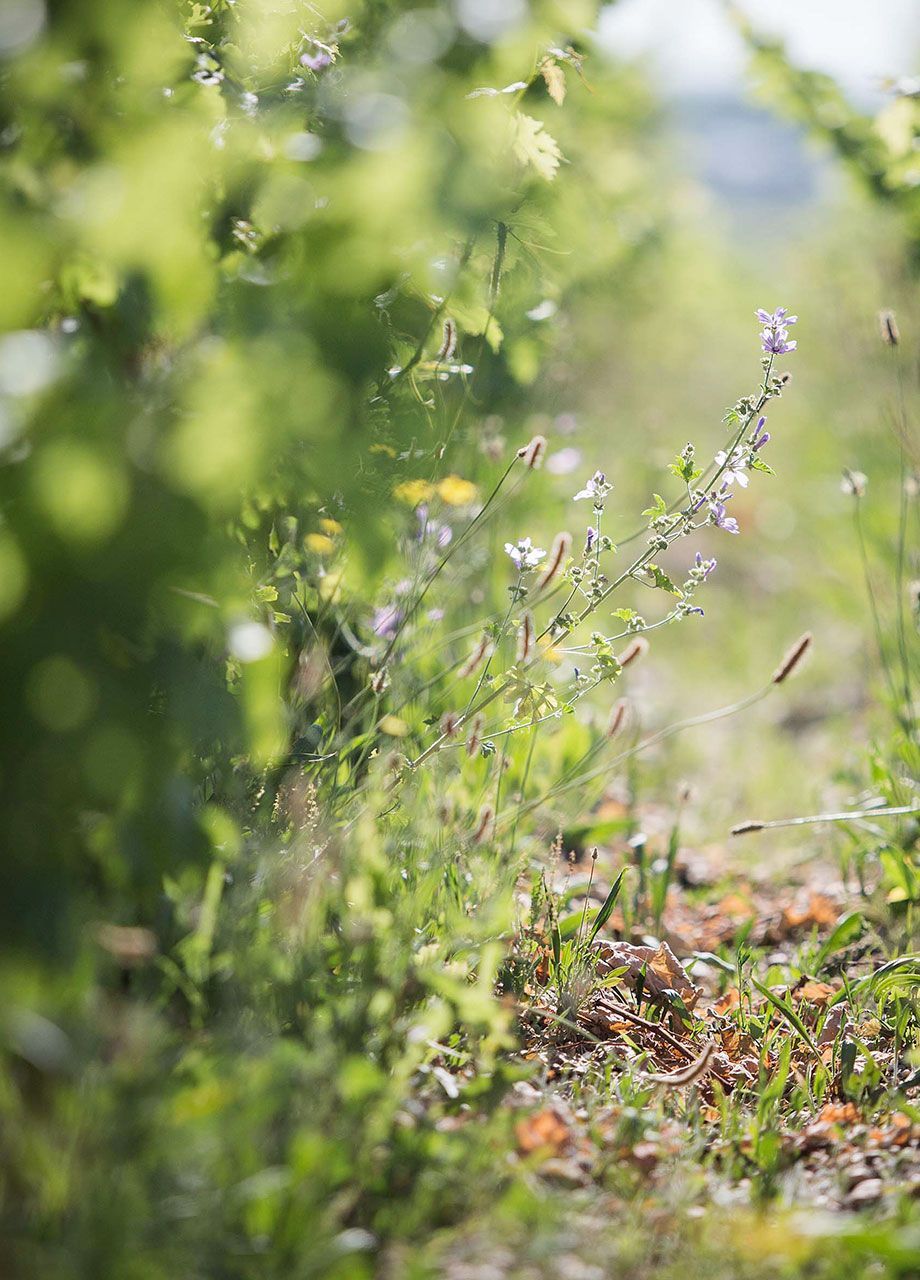
The estate takes its name from Jean-François de Pontet, an early eighteenth-century royal governor who first assembled vineyards here. Its modern character comes from the Tesseron family, who acquired Pontet-Canet in 1975. Under Alfred Tesseron and technical director Jean-Michel Comme, the estate shifted fully to organic and biodynamic farming by 2010. Horses returned to the vineyard in 2008 to replace tractors on half the estate. Ten draft horses now work the rows, preserving soil structure, encouraging biodiversity, and allowing the vines to grow with care rather than force.
In the vineyard, the year begins with pruning in early winter. Using the double Guyot method, the estate sets both yield and concentration for the vintage. Pruned wood is treated with biodynamic preparations using horse-drawn tools. Horsetail gathered on the property is dried and later applied to pruning wounds, helping limit fungal growth naturally. Every step is guided by one idea: healthy vines make better wine.
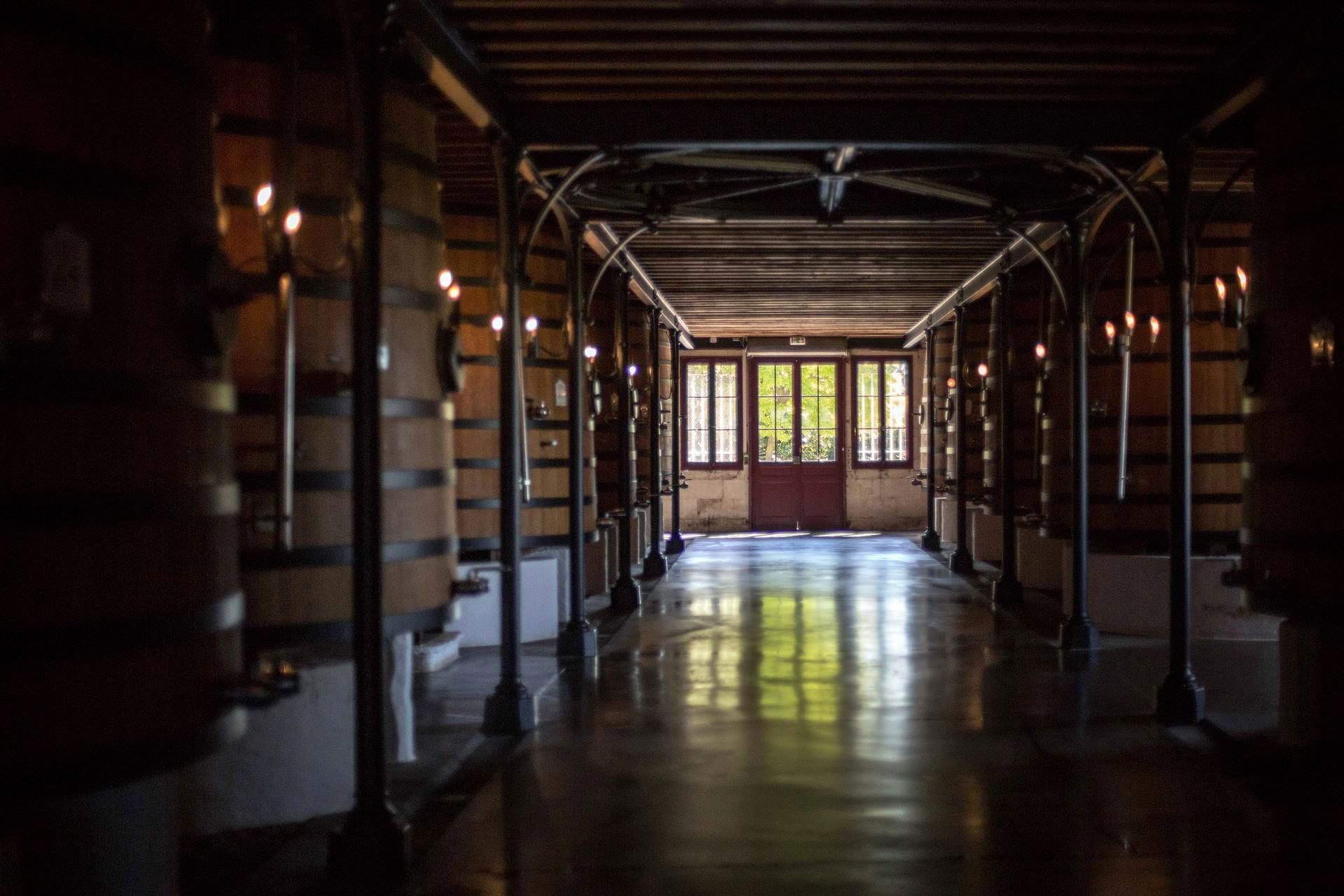
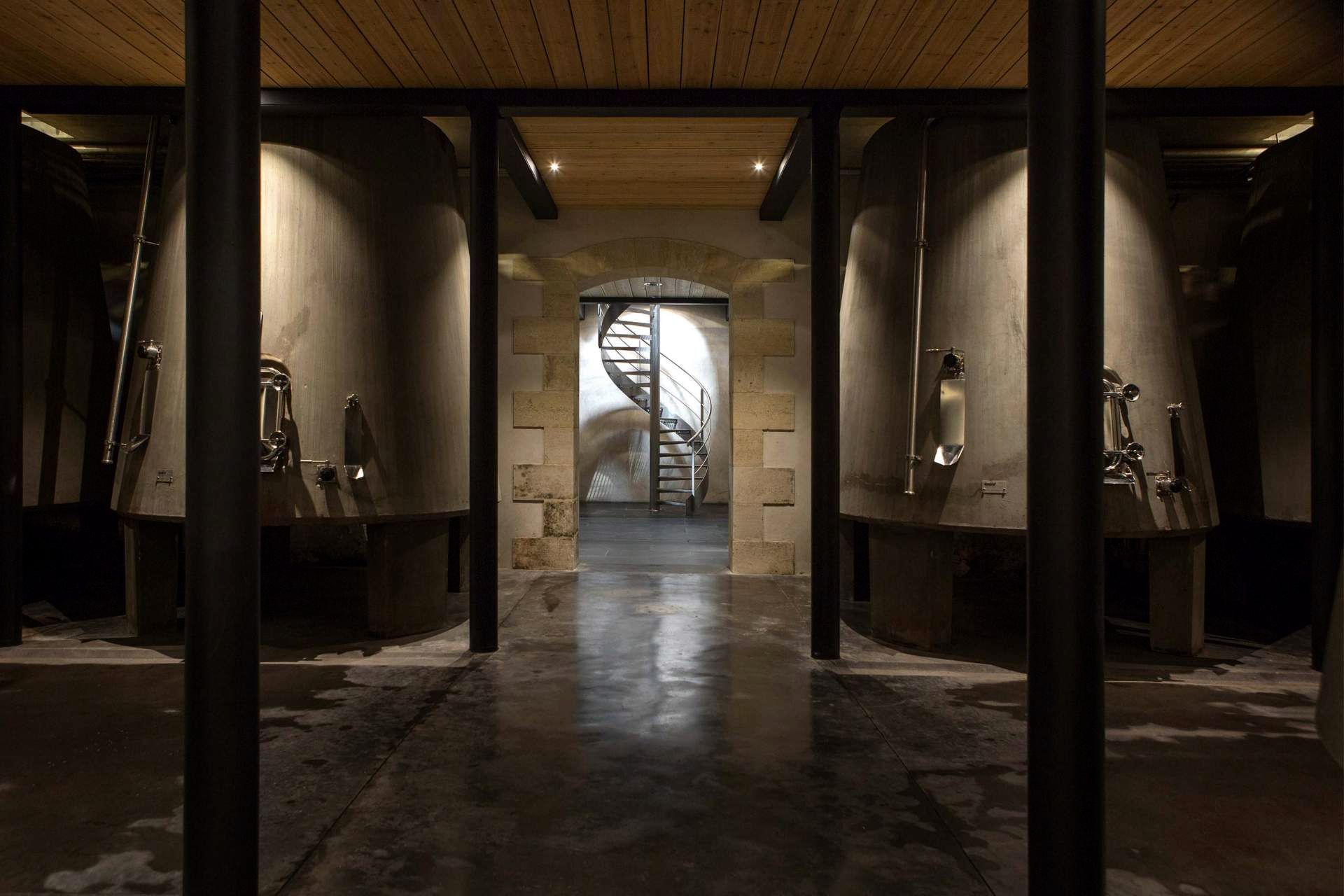
In the cellar, the same philosophy applies. Each parcel is fermented separately, using indigenous yeasts in concrete vats, wooden vats, and amphorae. Extraction is gentle, focusing on texture and balance, not force. Aging is thoughtful: roughly half in new French oak, ten to fifteen percent in second-fill barrels, and thirty to forty percent in amphorae. Sulphur is used only when needed.
The wines carry the estate’s signature: deep but lifted, with subtle aromatics and a palate that balances ripe fruit, vibrant acidity, and soft, melting tannins. Each vintage reflects its place and its year, with power expressed through precision rather than weight.
Gravel, clay, limestone, horses, amphorae, and careful hands all come together here. The result is Pauillac as it should be: structured and precise, yet alive with energy, clarity, and elegance.
Wines by this Producer