Haut-Médoc, Bordeaux, France
History & Ownership
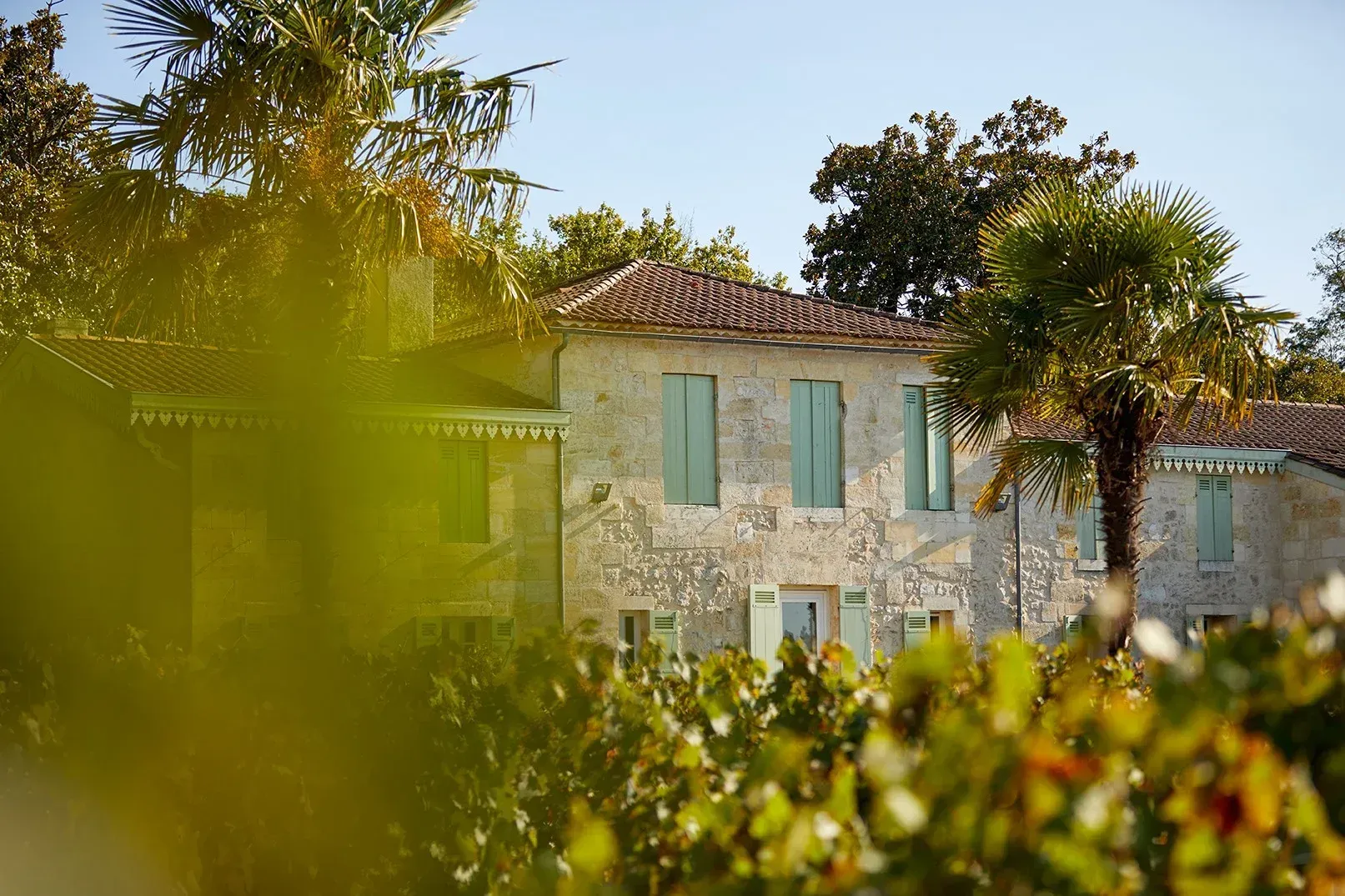
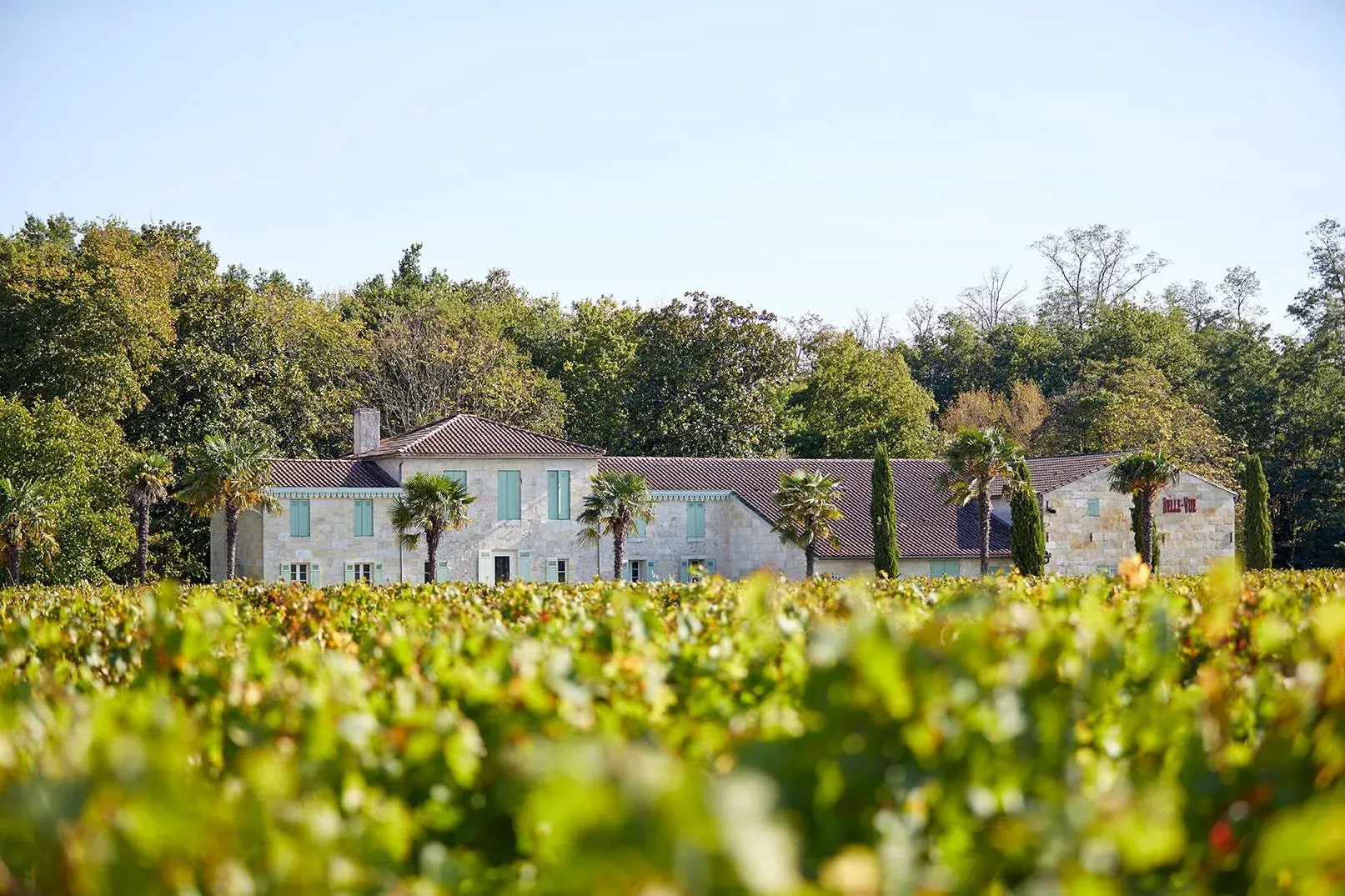
Château Belle-Vue is situated in the northern Médoc, within the Haut-Médoc appellation, an area long defined by gravelly soils and a classical Bordeaux varietal palette. The estate’s modern identity is closely linked to the post-war consolidation of vineyard holdings in the Médoc, rather than to a singular founding moment or long dynastic narrative. As with many properties in this part of Bordeaux, Belle-Vue’s history reflects continuity through stewardship and adaptation, shaped by changes in ownership, viticultural practice, and market expectations over the second half of the twentieth century and into the present.
The château has, over time, focused on refining its vineyard base and clarifying its stylistic intent rather than pursuing expansion or overt repositioning. Decisions around replanting, parcel selection, and cellar investment have been incremental and pragmatic, aimed at reinforcing consistency across vintages rather than redefining the estate’s place within the appellation.
Vineyards & Terroir
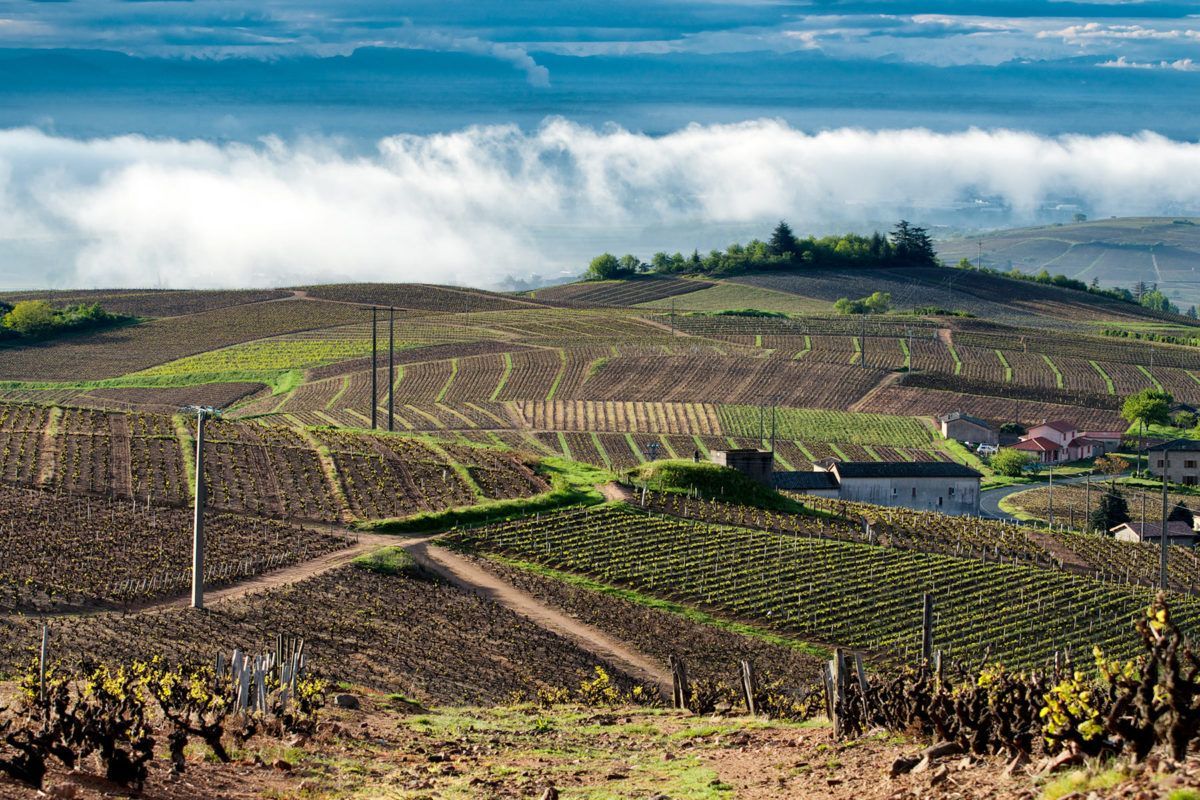
The vineyards of Château Belle-Vue lie on classic Médocain terrain, characterized by deep gravel and gravel-sand soils deposited over clay-limestone sublayers. These well-drained gravels moderate vine vigour and encourage deep root systems, contributing to wines with firm structure and measured aromatic development. Elevations are modest, typical of the Haut-Médoc, but sufficient to provide natural drainage and reduce frost risk.
Proximity to the Gironde estuary plays a stabilizing climatic role, tempering temperature extremes and supporting steady ripening during the growing season. This mesoclimate is particularly important in cooler or wetter vintages, helping to preserve phenolic maturity without excessive sugar accumulation. The combined effect of soil and climate tends to favour wines with linear structure, moderate alcohol, and an emphasis on freshness, hallmarks of traditional Haut-Médoc style.
Viticulture & Winemaking
Viticulture at Château Belle-Vue is guided by conventional Bordeaux practices, with increasing attention paid to precision vineyard management rather than formal certification. Yield control is achieved through pruning and green harvesting where necessary, with the aim of balancing concentration and freshness rather than maximizing extraction.
Harvesting decisions are parcel-based, reflecting variations in soil composition and vine age. In the cellar, fermentation is conducted under temperature control, primarily in stainless steel, allowing for clean fermentations and clear expression of fruit and site. Extraction is measured, favouring gentle pump-overs and controlled maceration lengths to avoid excess tannin or oak dominance.
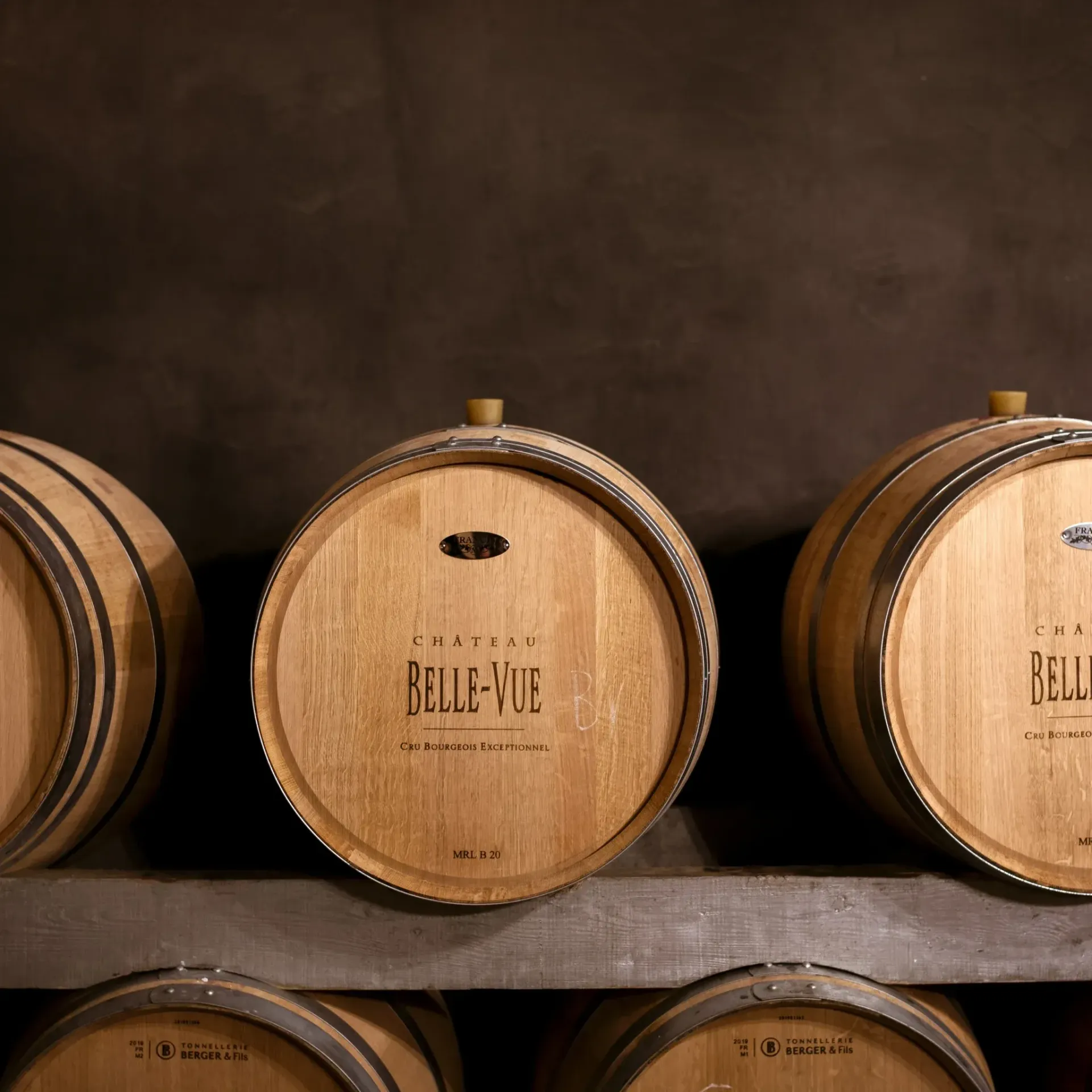
The wines are aged predominantly in French oak barrels, with a restrained proportion of new oak. The emphasis is on structural integration rather than aromatic imprint, allowing the natural profile of Cabernet Sauvignon and Merlot to remain central. Sulphur use is conventional and pragmatic, applied at levels consistent with stability and longevity rather than ideological minimalism.
Grape Varieties & Key Wines
The estate’s plantings are typical of the Haut-Médoc, led by Cabernet Sauvignon, supported by Merlot and smaller proportions of Cabernet Franc and Petit Verdot. Cabernet Sauvignon provides the backbone—tannic structure, cassis-driven aromatics and aging capacity—while Merlot contributes mid-palate texture and approachability in youth.
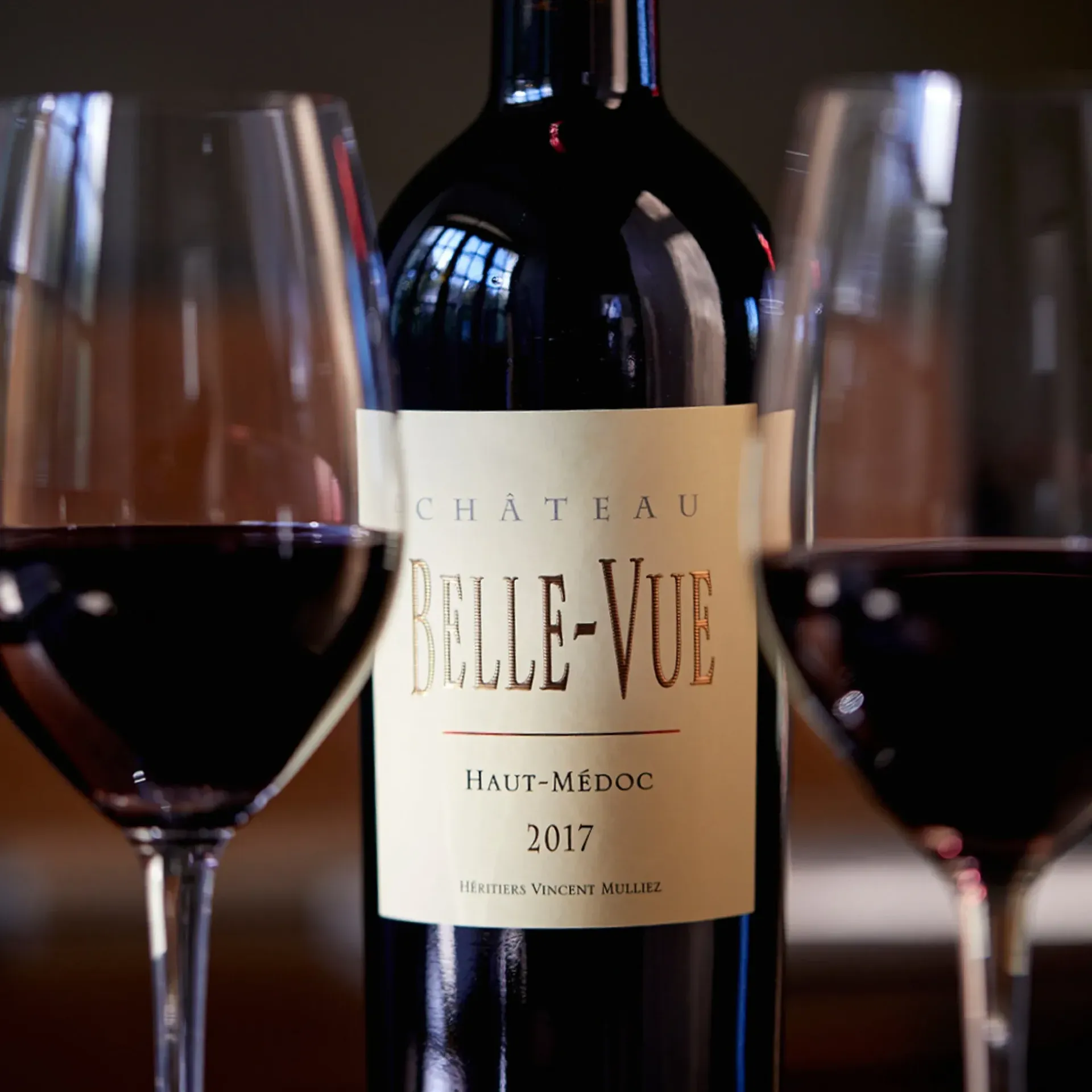
Château Belle-Vue’s primary wine is a classic Haut-Médoc blend, oriented toward balance and evolution rather than immediate impact. The style tends toward moderate extraction, fresh acidity and savoury detail, making the wines well-suited to traditional cellar aging and to food-focused contexts.
Critical & Professional Recognition
Château Belle-Vue appears regularly in Bordeaux-focused professional tastings and guides, where it is generally characterized as a reliable, traditionally styled Haut-Médoc rather than a flagship or cult estate. When cited, assessments typically emphasize balance, typicity and value within the appellation rather than singular prestige or headline scores.
Why This Producer Matters
Château Belle-Vue matters for its clarity of intent and adherence to Haut-Médoc typicity. In a region where stylistic extremes have become more common, the estate maintains a restrained, structurally focused approach rooted in its gravelly terroirs and classical varietal mix. For buyers and sommeliers, Belle-Vue offers a reference point for traditionally proportioned Médoc wines. Wines that privilege balance, food compatibility, and measured aging over overt power or polish. It is precisely this quiet consistency, rather than any claim to exceptionality, that defines the château’s relevance within the Haut-Médoc today.