
Pomerol, Bordeaux, France
Founding year: 1951
History & Family Legacy
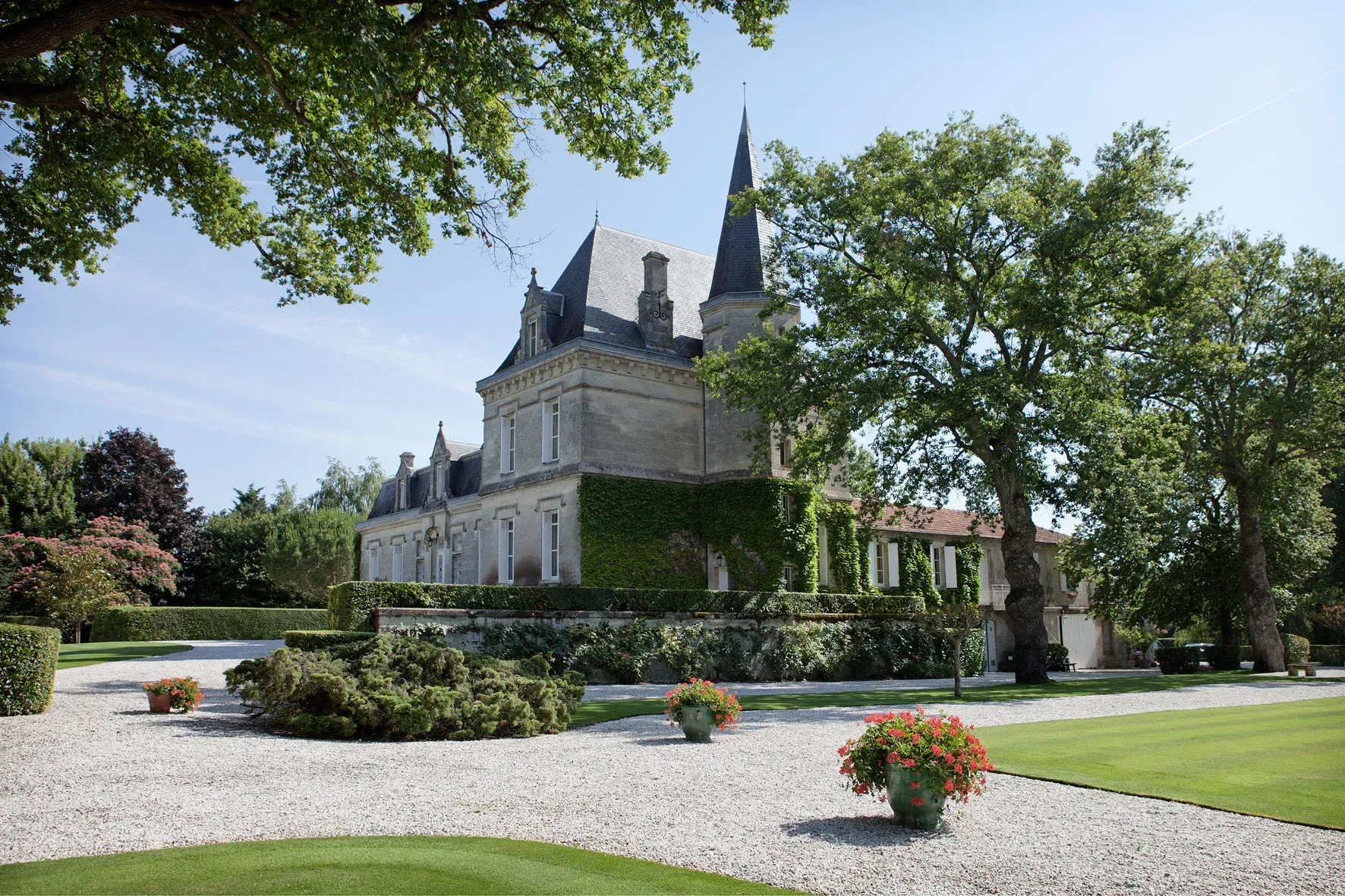
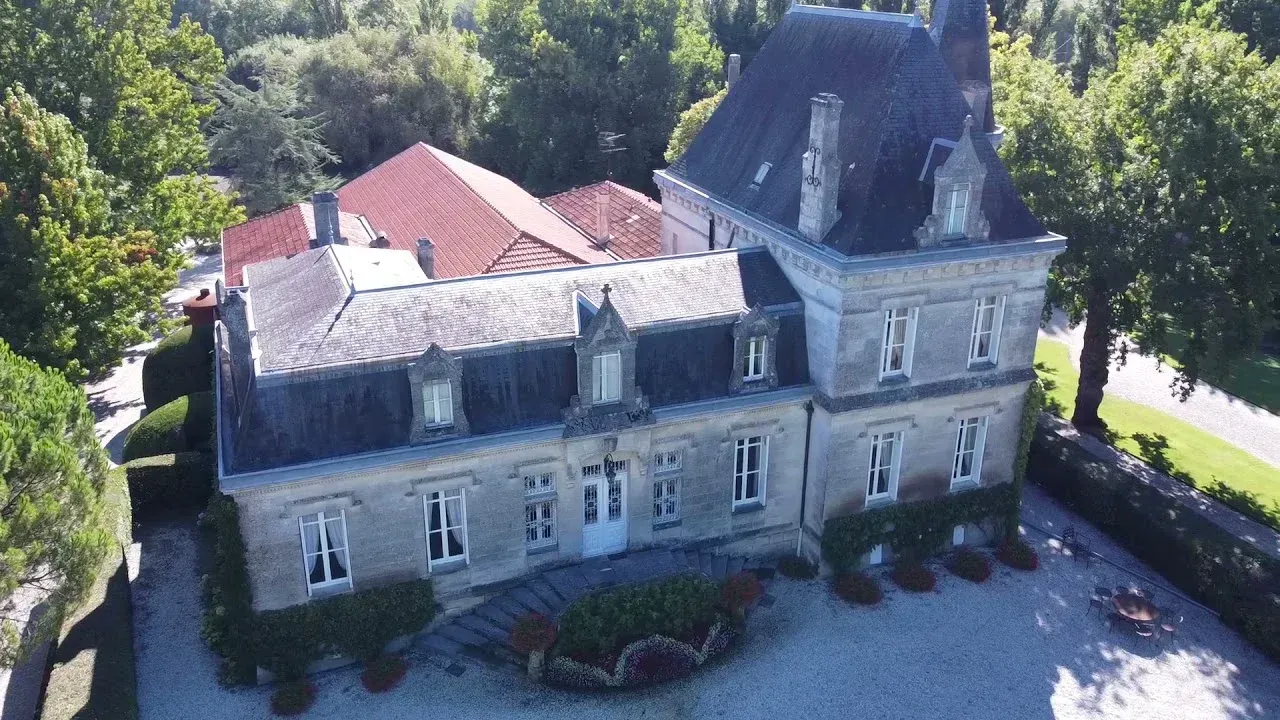
Château Bellegrave is a quietly established estate in Pomerol, founded in 1951 during a period when the appellation was consolidating its modern identity. Unlike many Pomerol properties that trace their origins back to the 19th century, Bellegrave belongs to a post-war generation of châteaux shaped by pragmatic viticulture and a focus on vineyard performance rather than inherited prestige.
For decades, the estate evolved discreetly, supplying wines that reflected the appellation’s traditional strengths—Merlot-driven richness, supple textures, and early approachability—without seeking public attention. A meaningful turning point came in the early 2010s, when Château Bellegrave became part of Vignobles K, a Bordeaux-based family group with holdings across the Right Bank and beyond. The acquisition marked a period of reinvestment and technical refinement, while preserving Bellegrave’s identity as a terroir-focused Pomerol rather than repositioning it stylistically.
Today, the estate is managed with a clear emphasis on precision farming and controlled winemaking, aligning Bellegrave with the contemporary evolution of Pomerol: less extraction, greater definition, and a renewed focus on balance.
Vineyards & Terroir
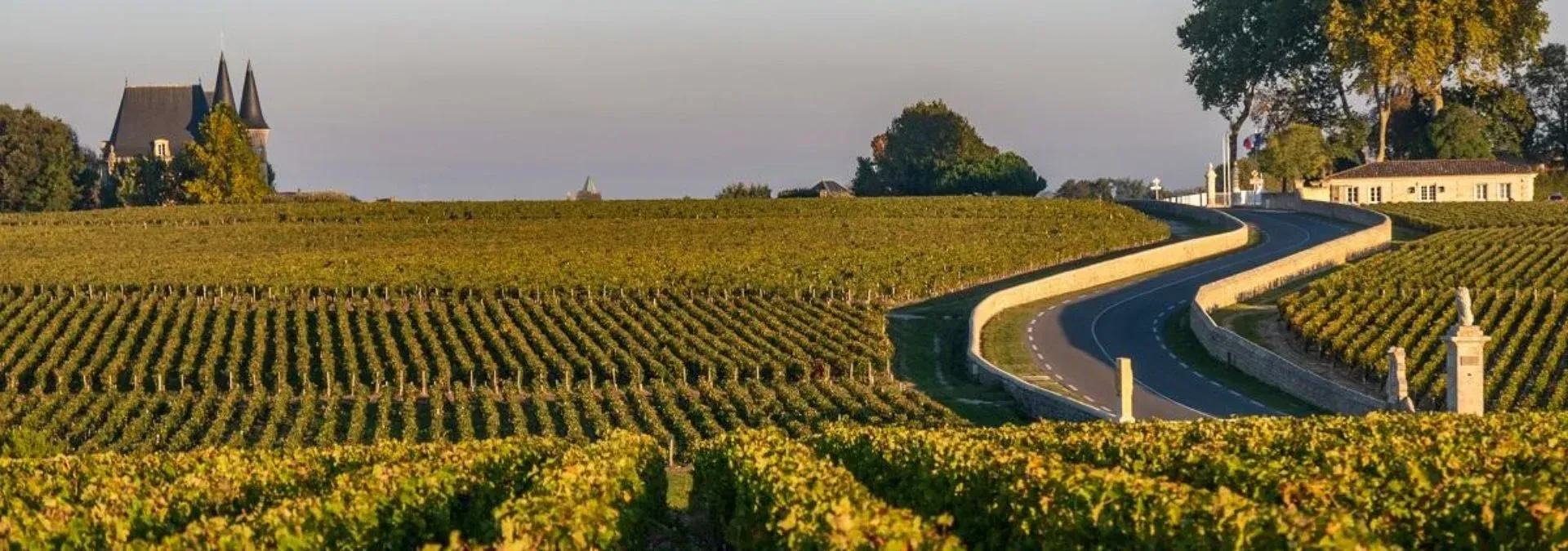
Château Bellegrave farms approximately 8.5 hectares of vineyards within the Pomerol plateau and its surrounding gravelly sectors. The parcels are situated at modest elevations typical of the appellation, benefiting from excellent natural drainage and relatively even ripening conditions.
The soils are predominantly gravel and clay, with localized variations in depth and composition. These classic Pomerol soils favour Merlot, encouraging both concentration and aromatic depth while retaining freshness in warmer vintages. Clay subsoils provide water retention during dry periods, while gravel contributes to root penetration and moderates vine vigour.
The estate’s terroir tends to produce wines with rounded mid-palates, dark-fruited profiles, and supple tannins, rather than overt power. Exposure and soil balance allow for full phenolic maturity without excessive alcohol, an increasingly important consideration in recent vintages.
Viticulture & Winemaking Philosophy
Viticulture at Château Bellegrave is rooted in sustainable farming principles, with close attention paid to vineyard health, soil life, and yield control. While not formally certified organic, the estate emphasizes responsible treatments and vineyard observation, adapting practices vintage by vintage rather than adhering to rigid doctrine.
Yields are managed conservatively to maintain concentration without sacrificing freshness. Harvesting decisions prioritize phenolic maturity and balance rather than maximum ripeness, reflecting a restrained approach aligned with modern Right Bank sensibilities.
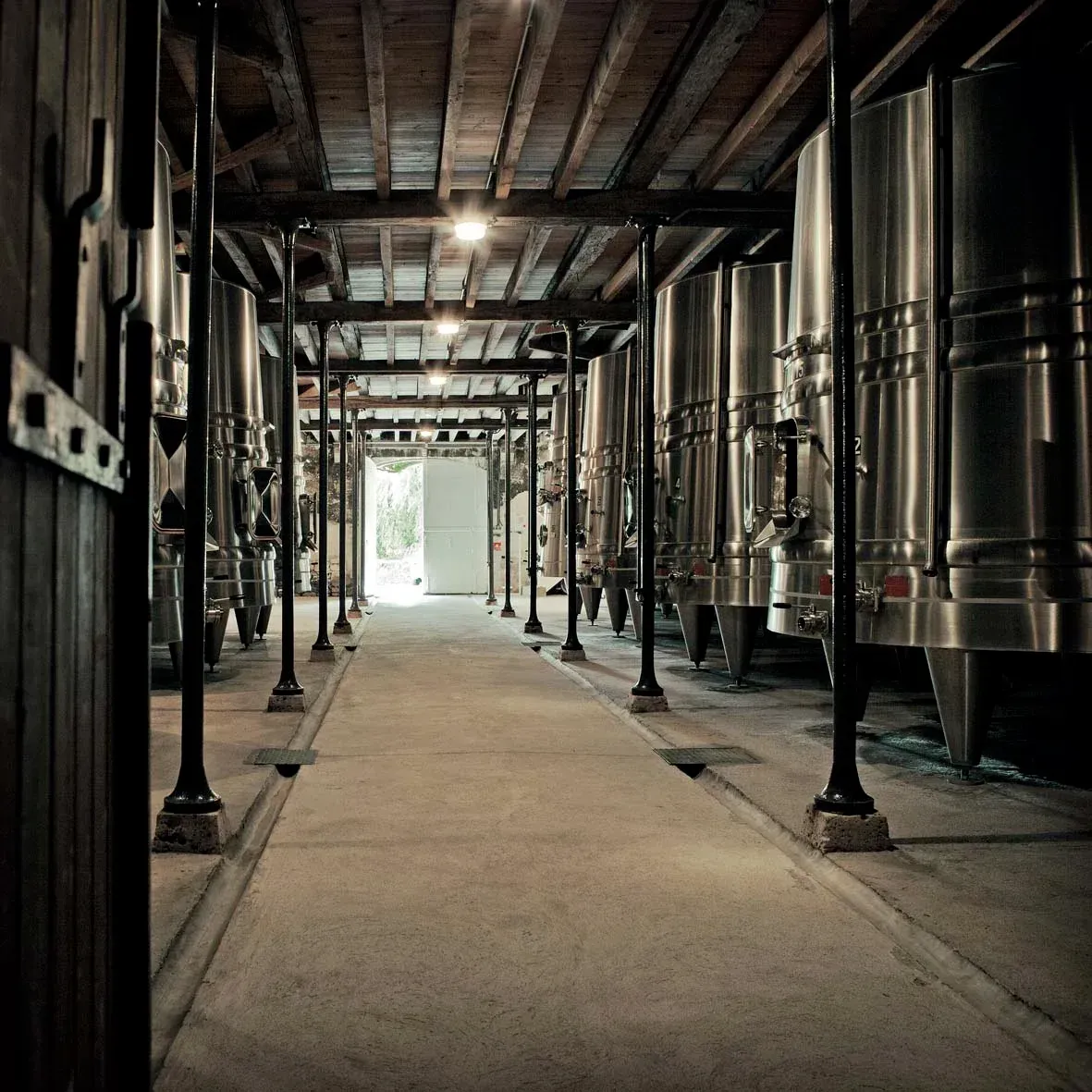
In the cellar, fermentation takes place in temperature-controlled stainless steel vats, allowing for precise extraction and parcel-level vinification. Fermentations are conducted with selected yeasts, chosen for reliability and clarity of expression rather than aromatic manipulation.
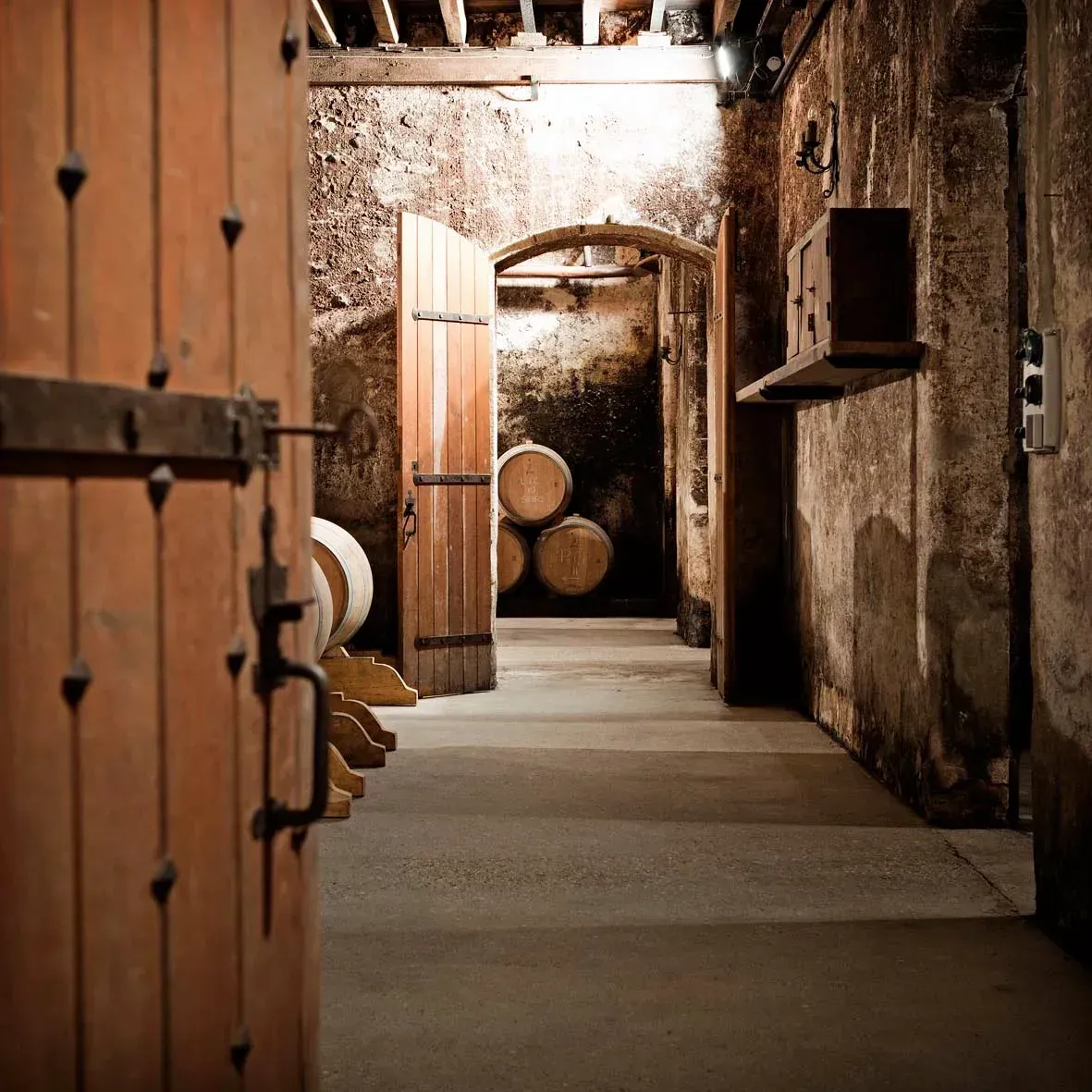
Aging typically occurs in French oak barrels, with a measured proportion of new oak. The objective is integration rather than imprint: oak supports structure and longevity without dominating the fruit. Sulphur use is conventional and carefully managed, ensuring stability while preserving aromatic purity.
Grape Varieties & Signature Wines
Château Bellegrave is planted primarily to Merlot, which forms the backbone of the grand vin, complemented by a smaller proportion of Cabernet Franc. This classic Pomerol blend emphasizes texture, depth, and aromatic nuance over overt structure.
The flagship wine, Château Bellegrave Pomerol, is produced from the estate’s core parcels and is intended to represent the property’s terroir with clarity and consistency. The style leans toward dark cherry and plum fruit, soft spice, and refined tannins, offering accessibility in youth while retaining the capacity to age gracefully over the medium term.
Critical Recognition
While Château Bellegrave has not pursued headline-driven recognition, recent vintages have received solid, consistent evaluations from Bordeaux-focused critics and trade publications, particularly noting improvements in balance, precision, and restraint since the estate’s reinvestment phase. Scores and commentary tend to emphasize reliability and typicity rather than spectacle—an assessment that aligns with the estate’s understated positioning.
Why This Producer Matters
Château Bellegrave matters because it represents a credible, terroir-faithful expression of Pomerol without excess or artifice. For buyers and sommeliers, it offers an opportunity to engage with the appellation beyond its most famous—and often inaccessible—names.
The estate delivers authentic Right Bank character, shaped by classic soils, Merlot-centric blends, and disciplined winemaking. Its wines are versatile on lists, approachable for collectors, and increasingly relevant in a market that values balance over bravado. Château Bellegrave is not about reinvention; it is about quiet refinement—making it a compelling choice for those who value precision, typicity, and trust in the glass.