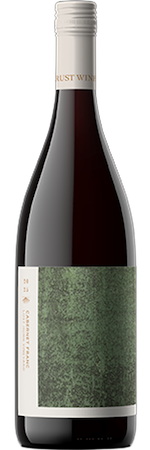
Rust Wine Co.
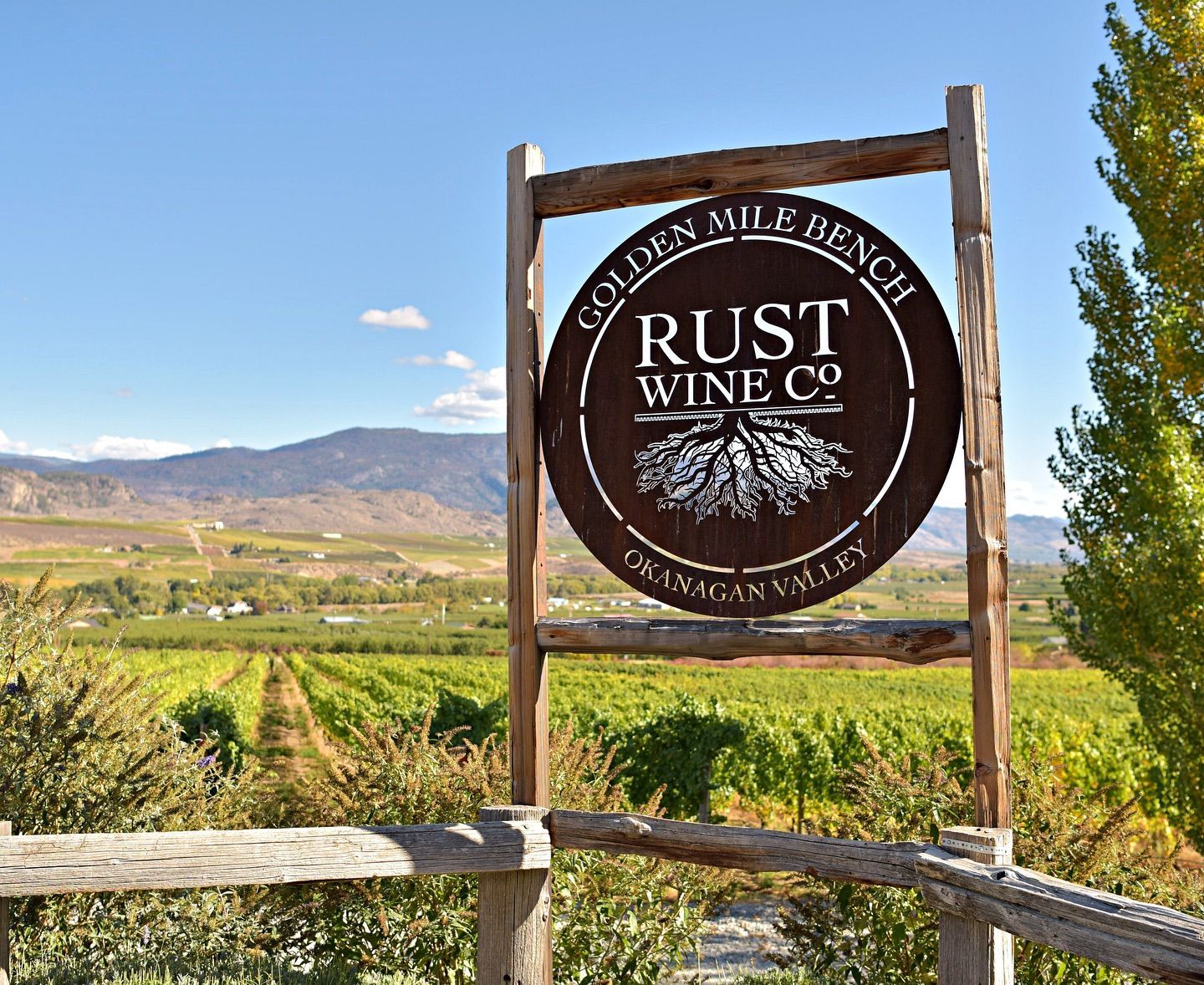
Okanagan Valley, British Columbia, Canada
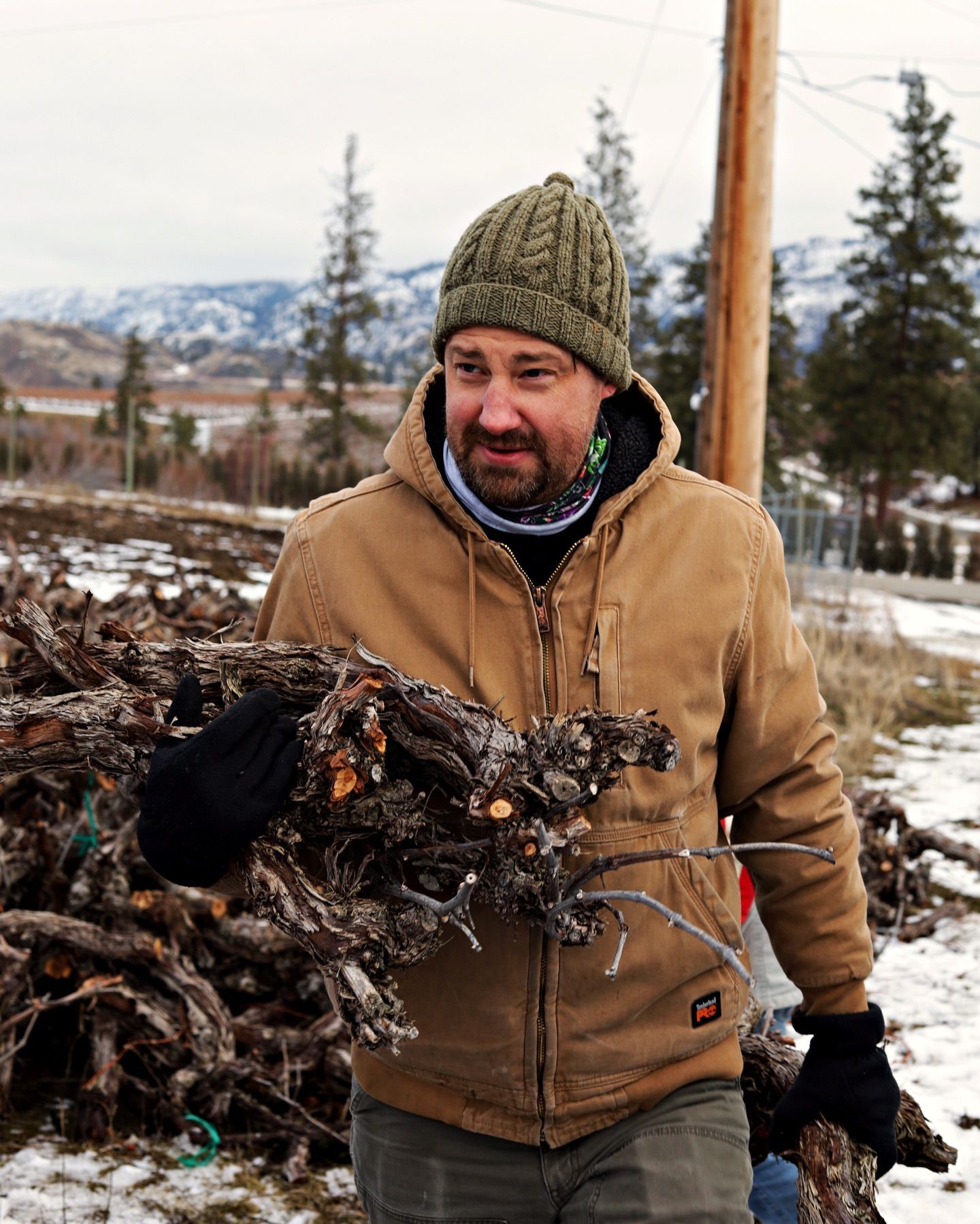
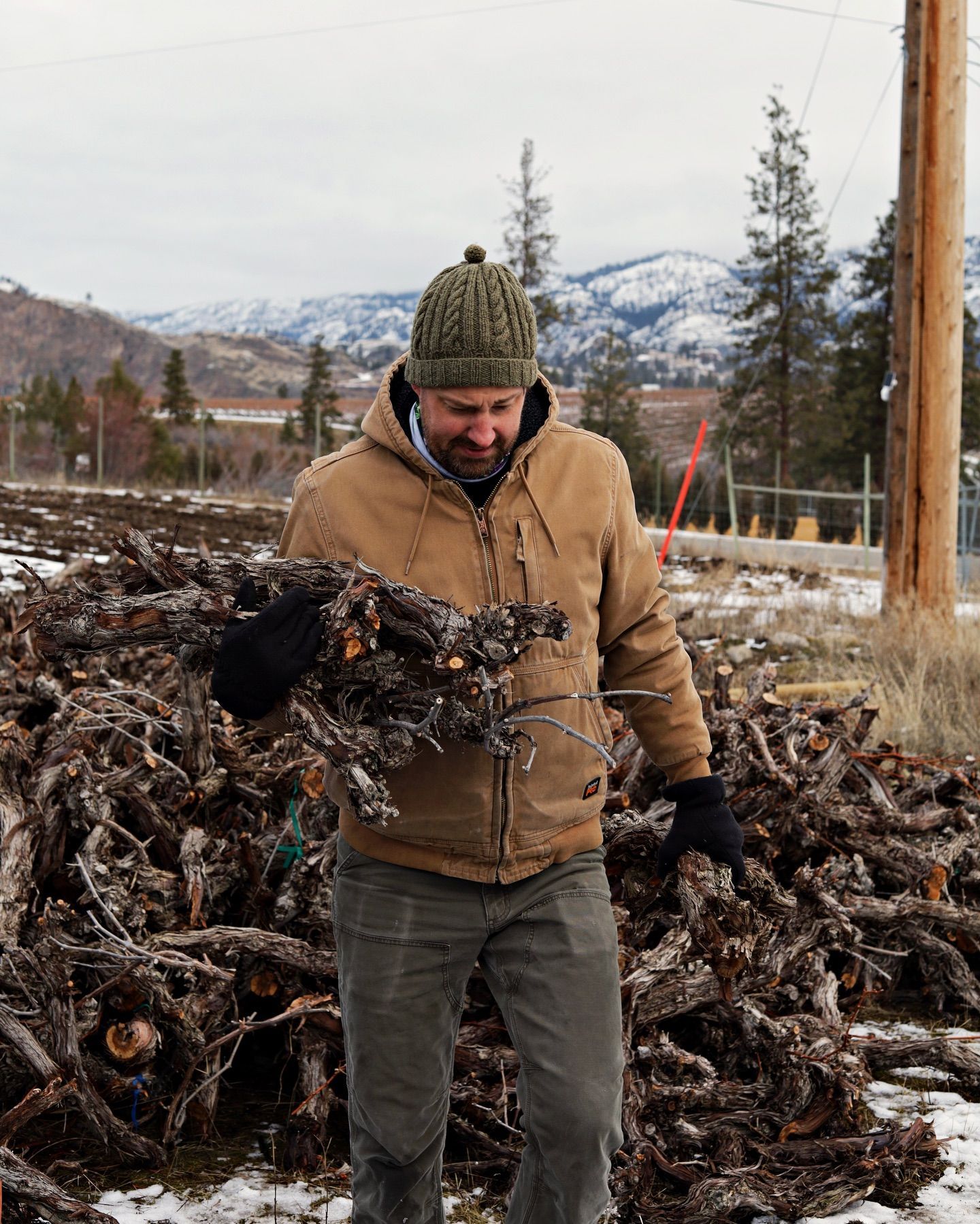
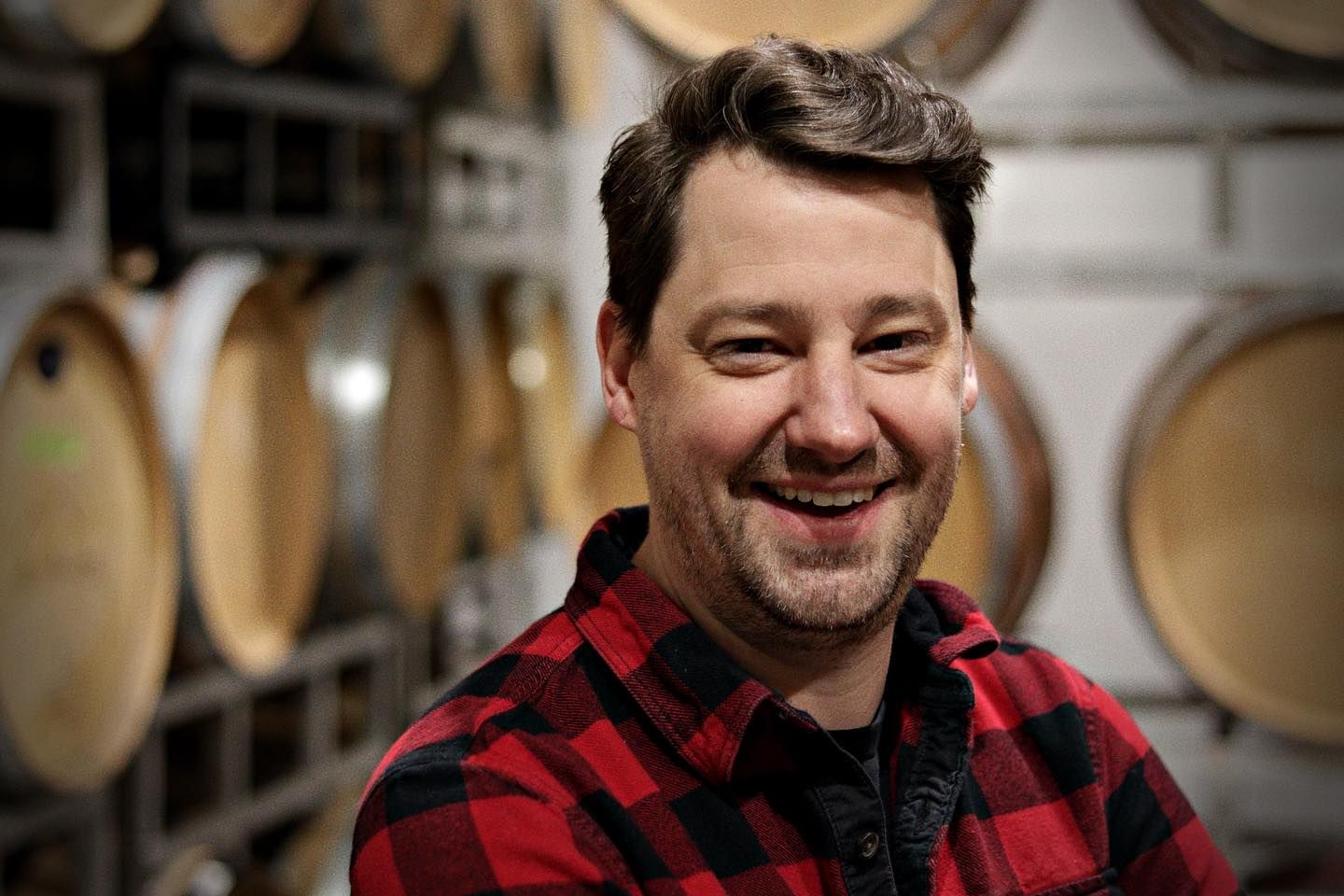
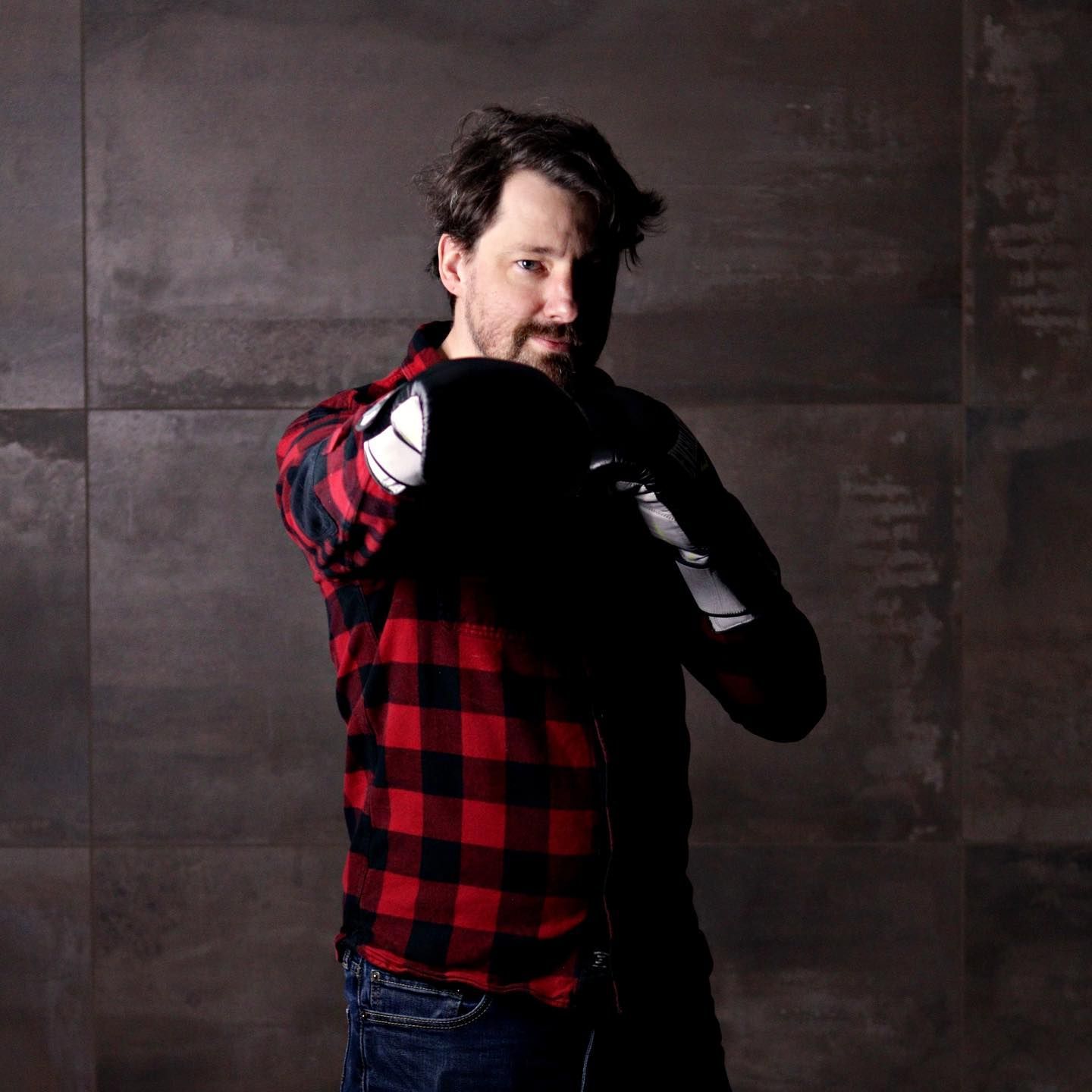
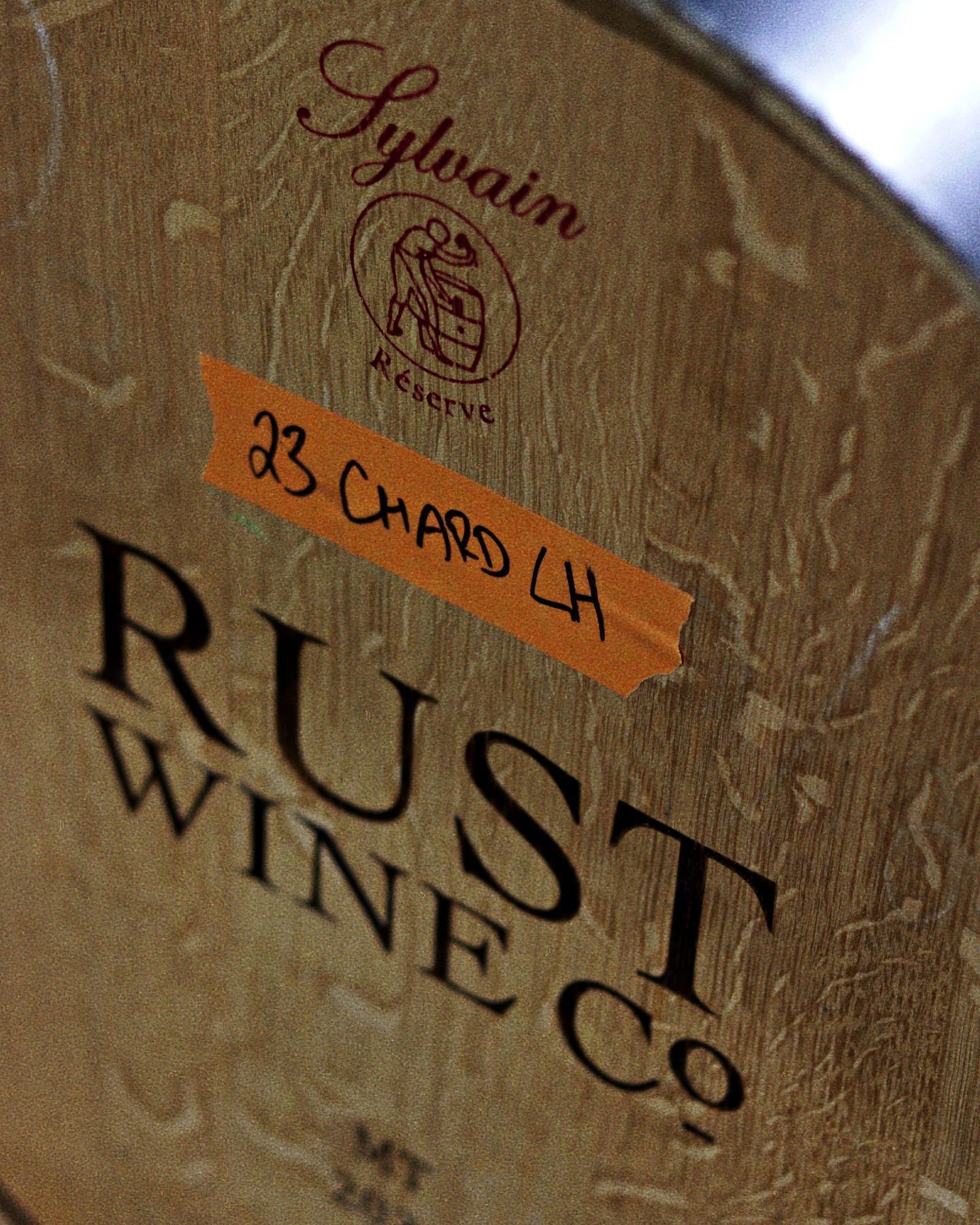
Ryan de Witte never set out to make some polished, generalized idea of “Okanagan wine.” What interests him is much more specific than that: Three Mountain Pinot Noir, Lost Horn Chardonnay, South Rock Syrah, wines that carry the weather, soil, and temperament of the vineyard they came from.
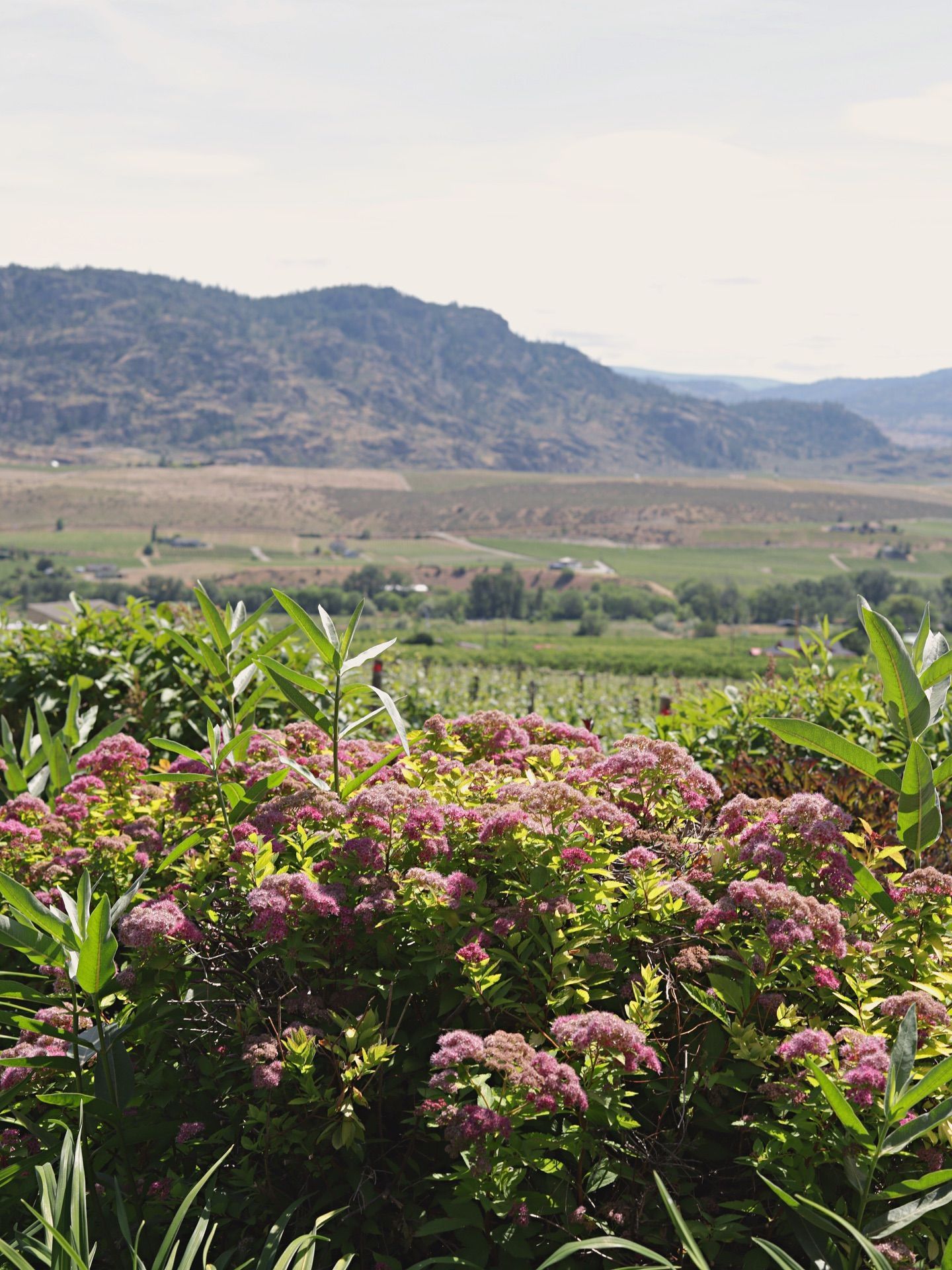
When Ryan arrived at Rust in 2019, he inherited the kind of raw material most winemakers spend a lifetime chasing: remarkable sites spread across very different corners of the valley, from the cooler slopes of West Kelowna to the stony tension of Okanagan Falls and the warm, generous shoulder of the Golden Mile Bench. Rather than blending those differences into a neat house style, he has leaned into them, letting each vineyard speak in its own voice.
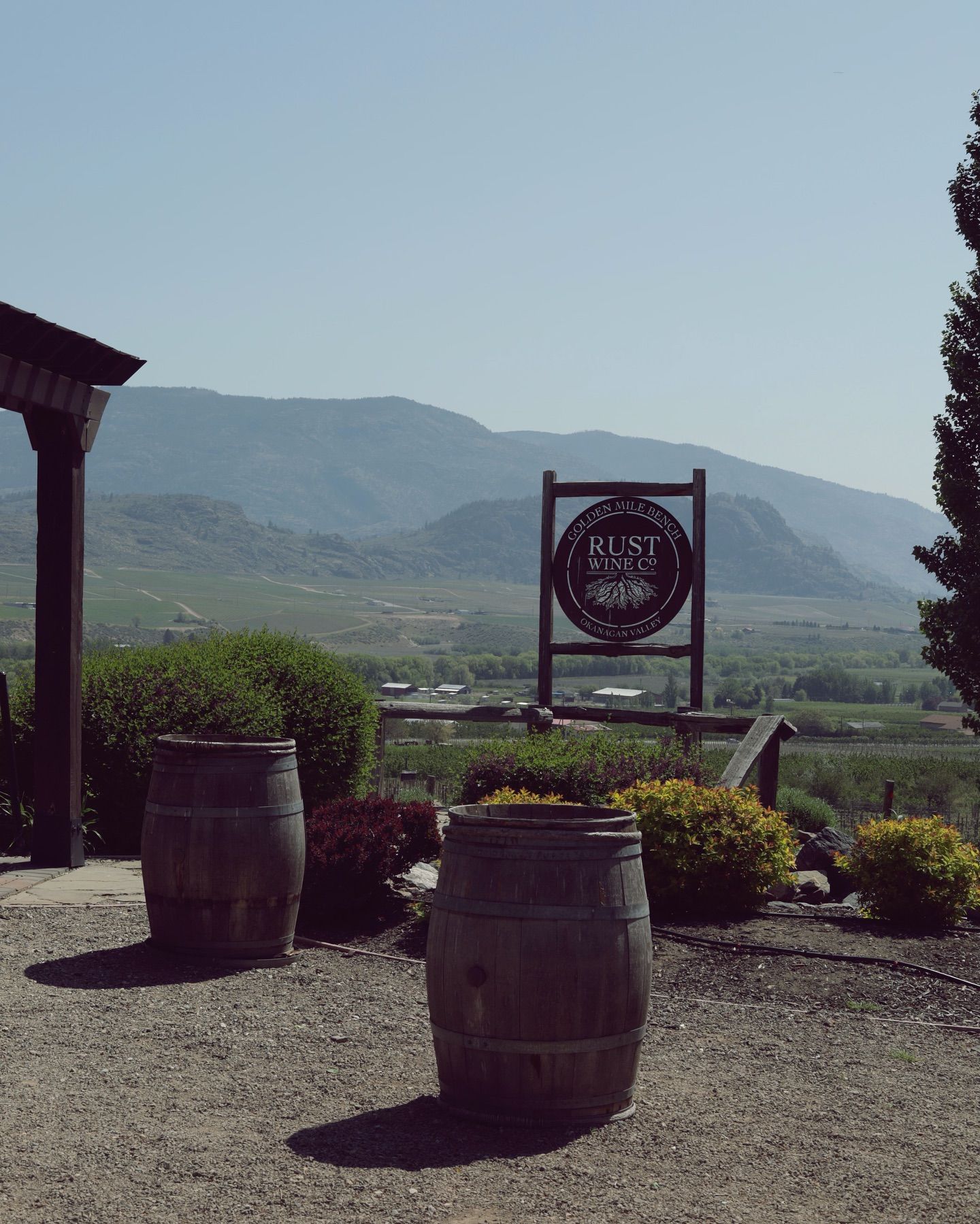
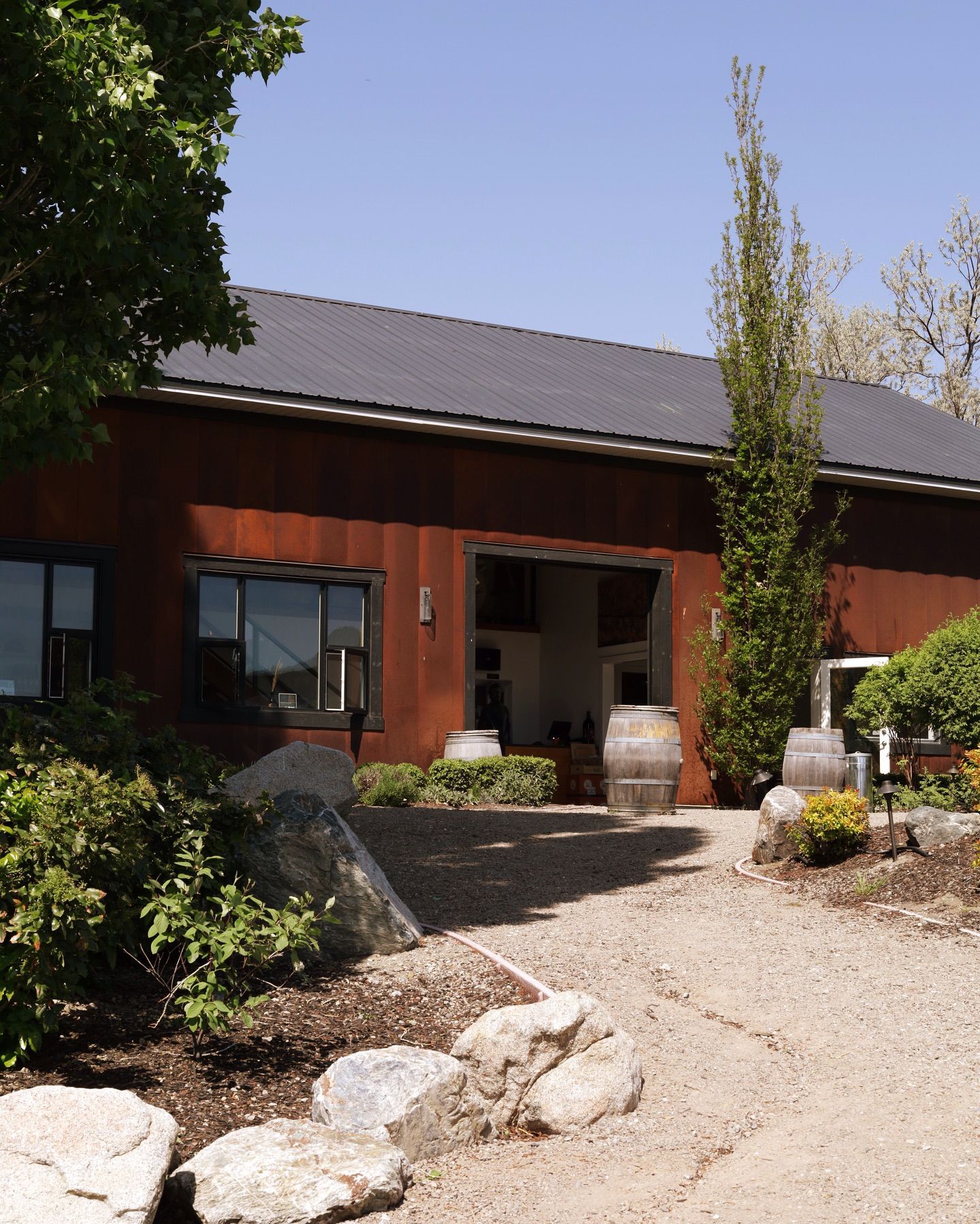
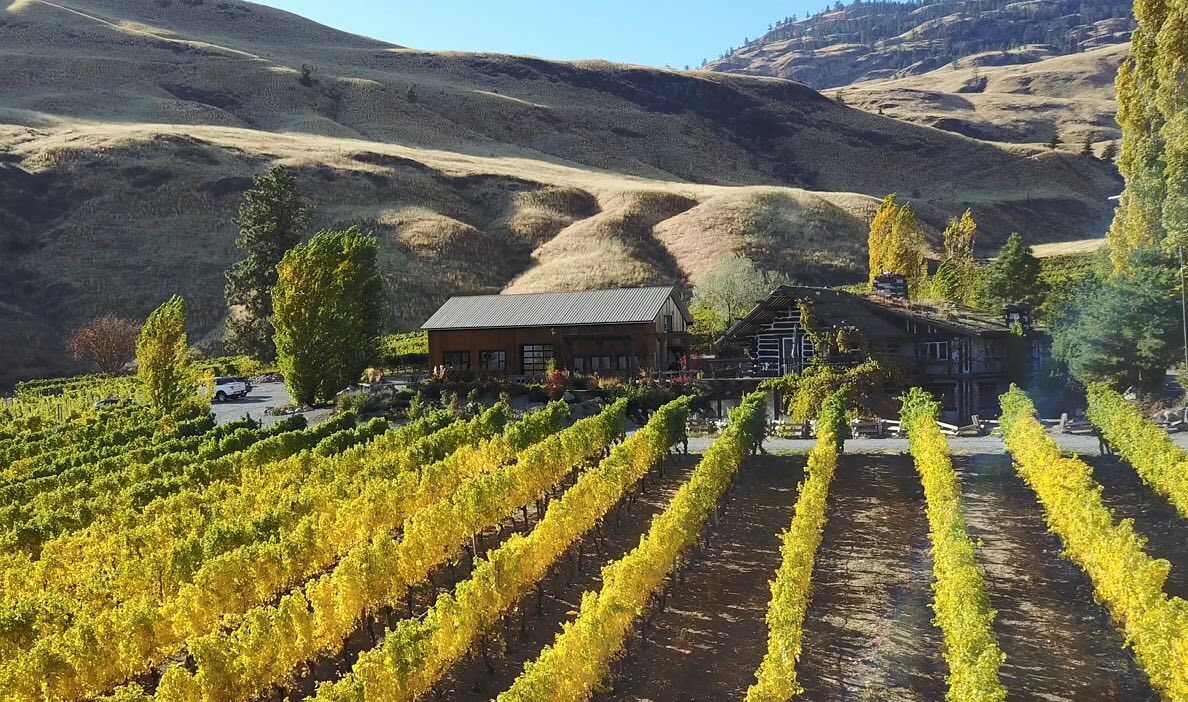
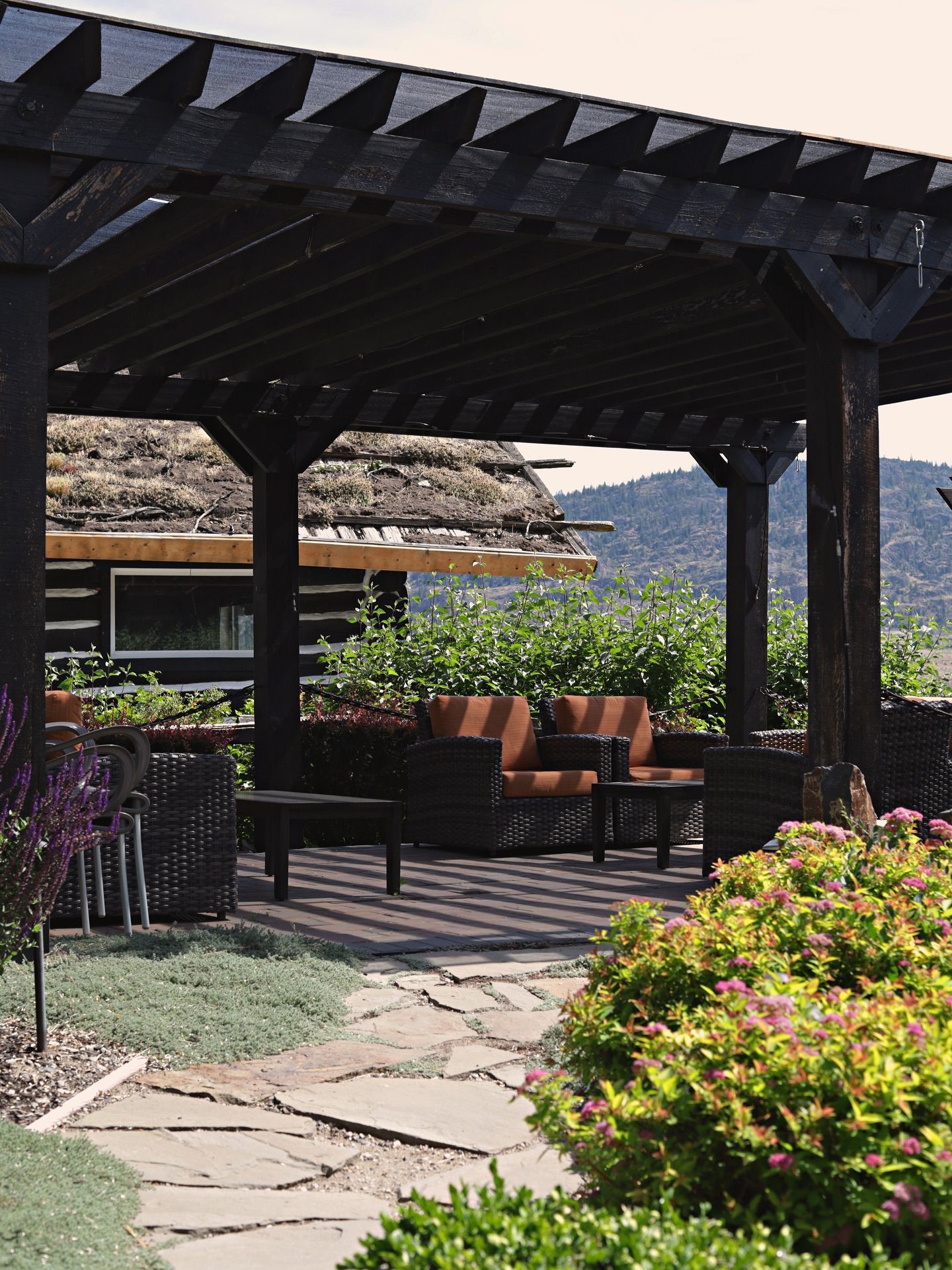
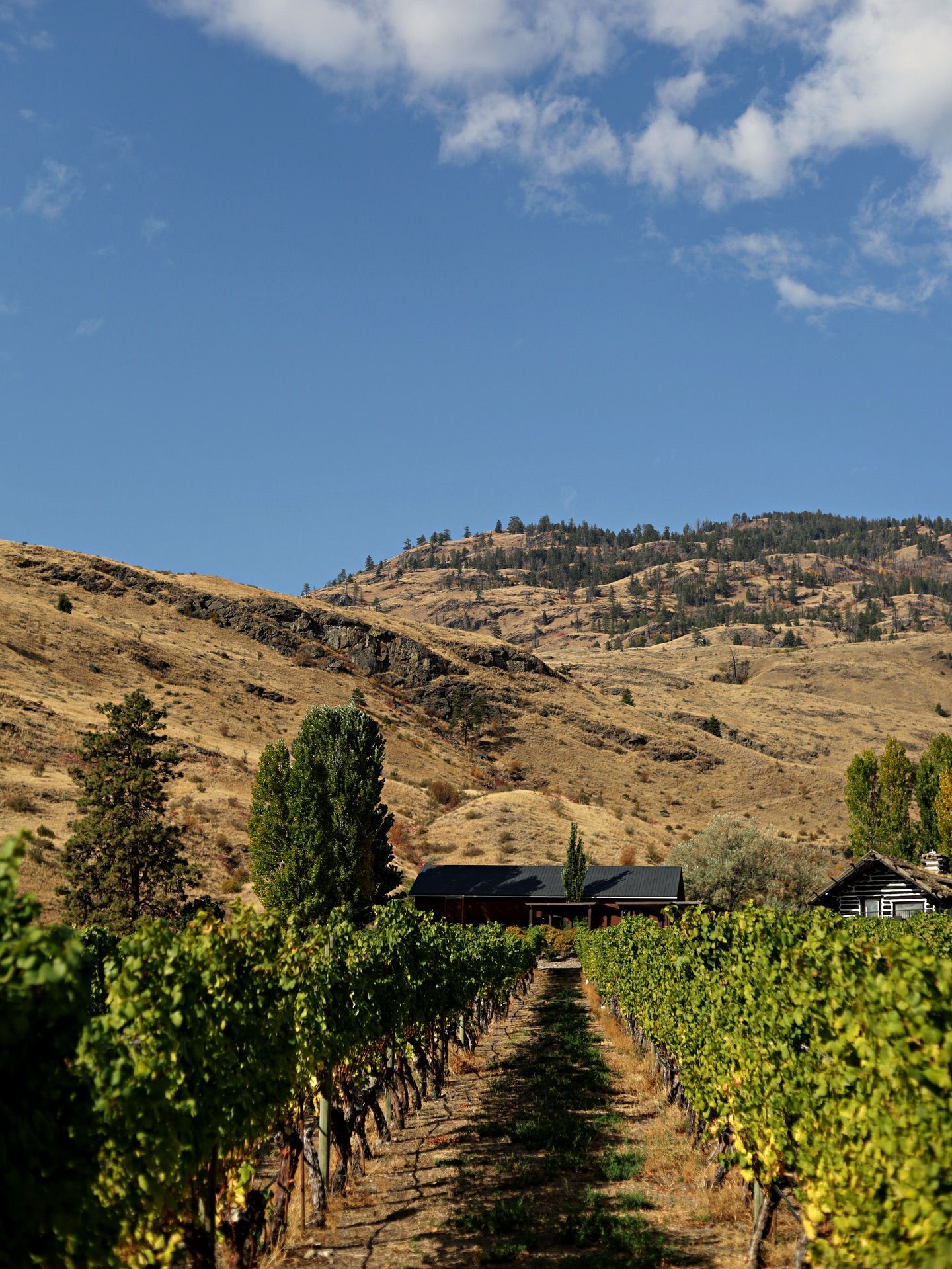
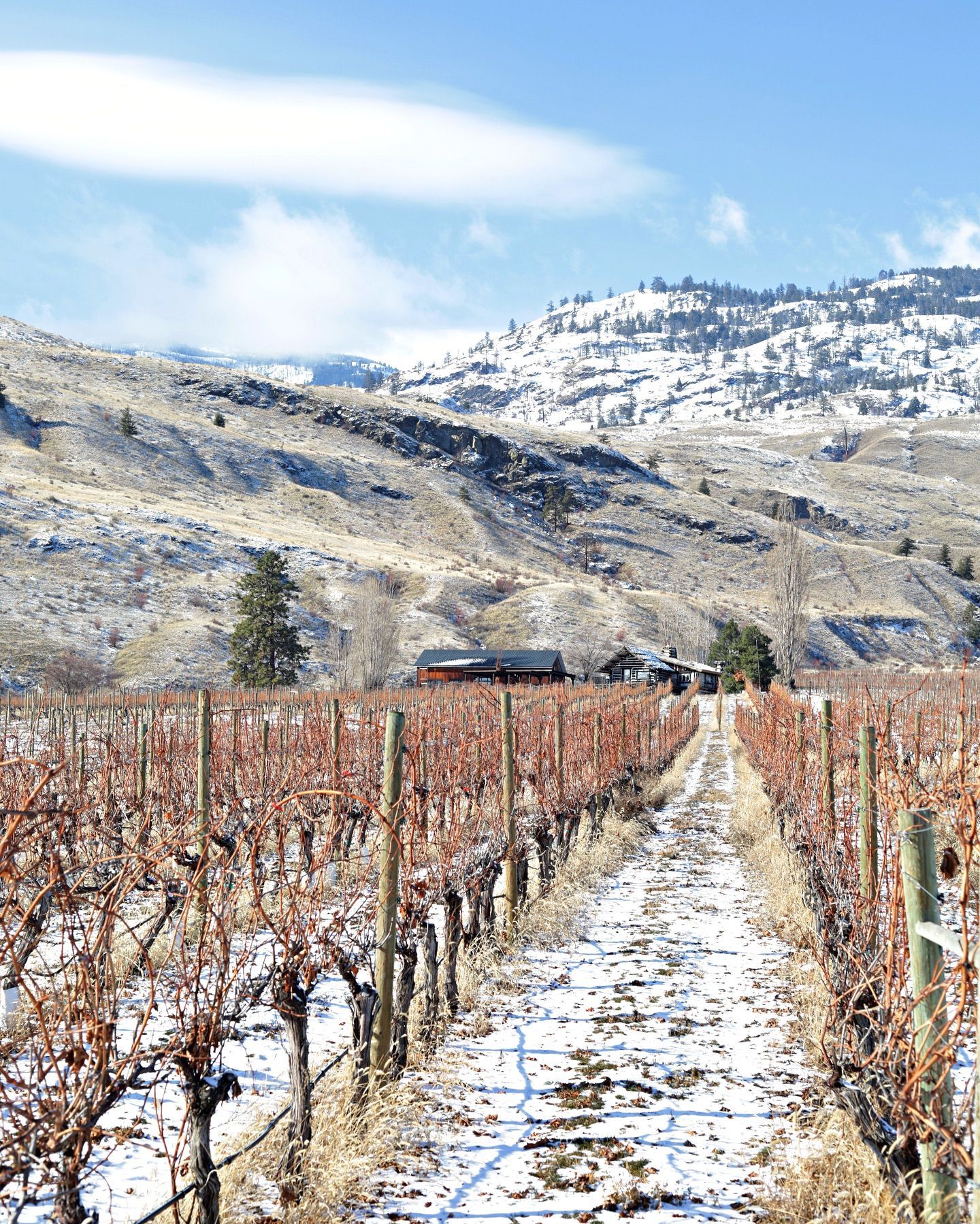
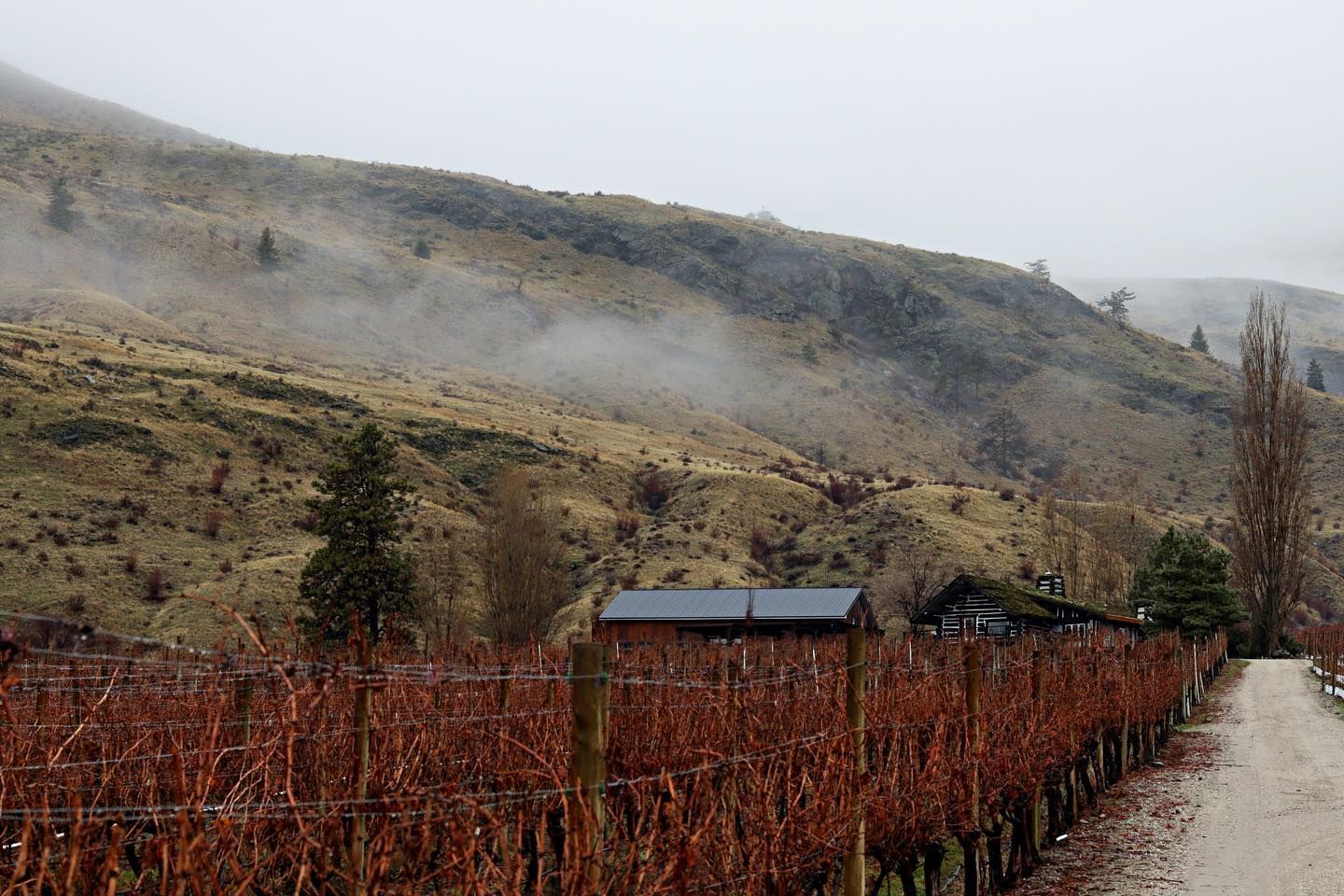
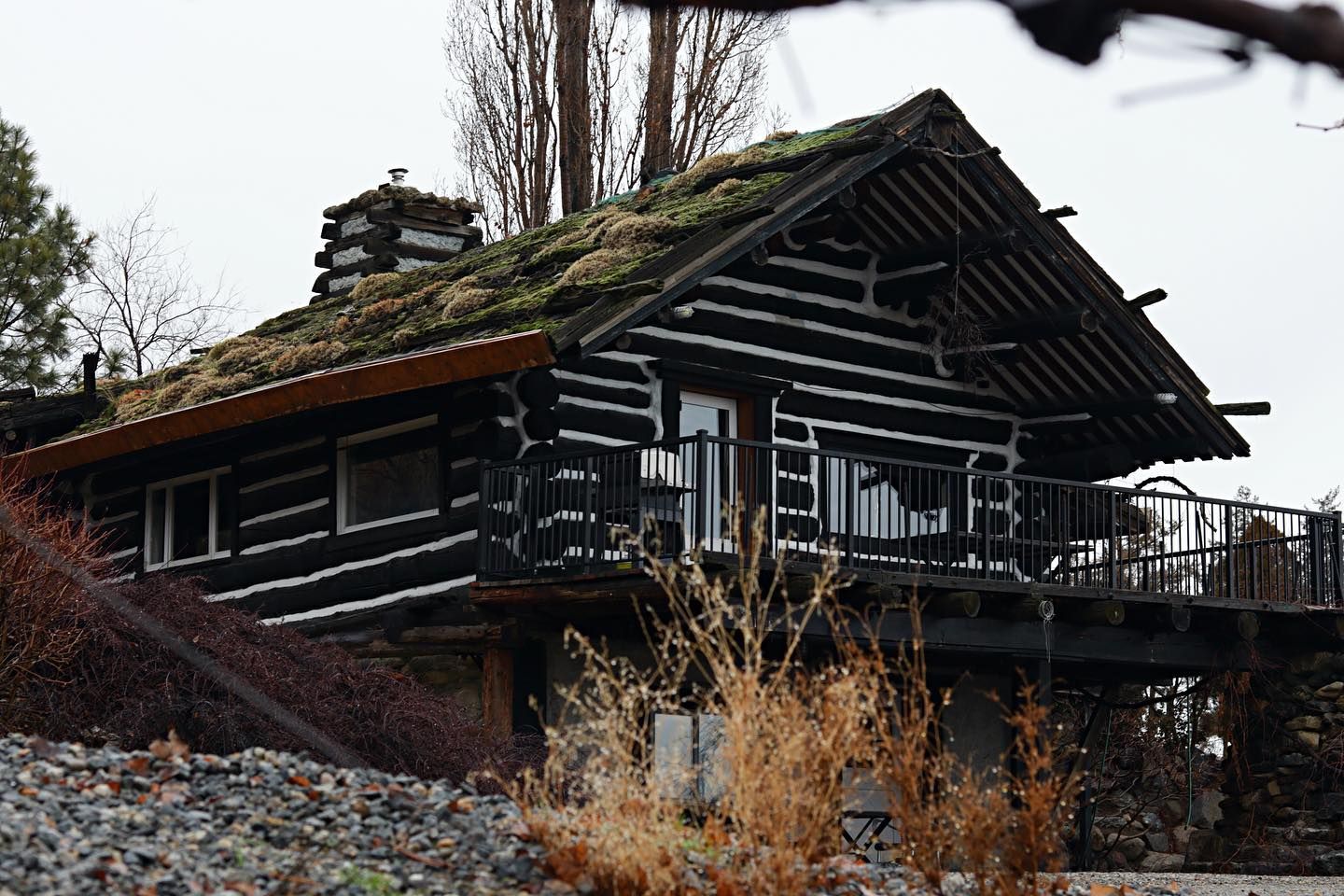
The story of Rust reaches back to 1964, when Hungarian émigré John Tokias planted a small vineyard on what is now the Golden Mile Bench. His sod-roofed bunkhouse, built log by log from a salvaged mining camp and topped with sun-bleached skulls, gave the place the kind of frontier weirdness you could never invent properly. After a few changes of hands and a long period of reinvention, the estate eventually came under Mt. Boucherie and was reborn as Rust.
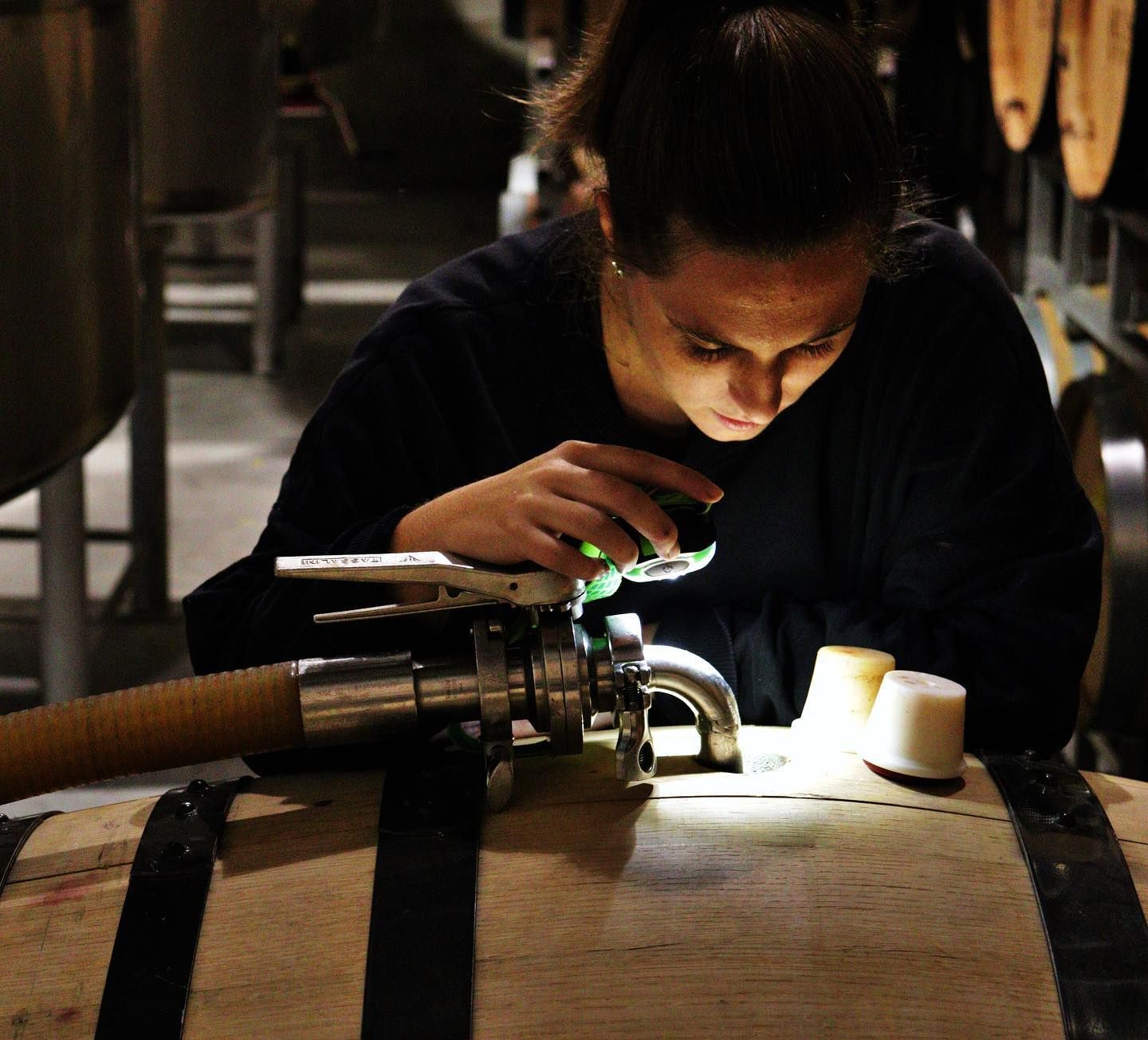
Ryan jokingly calls himself a postmodern winemaker, which mostly means he has little interest in dogma. Technology and tradition are both tools. If cultured yeast gives Gamay the brightness and clarity he wants, he’ll use it; if Pinot Noir or Syrah call for spontaneous fermentation, he lets them go that way. Sulphur is treated the same way, used sparingly for stability rather than as a crutch. The goal here is clean, precise, site-driven wines that still feel alive.
His path into wine was anything but direct. Before Rust, there was a political science degree, Alberta Health Services, WSET classes taken out of curiosity, and eventually a full pivot into winemaking at Niagara College. He worked vineyards across Ontario, completed harvest at Featherstone, spent time in the lab at Henry of Pelham, and then found himself in Central Otago at Amisfield, where Pinot Noir has a way of teaching restraint very quickly. That chapter seems to have stayed with him: structure without heaviness, ripeness without excess, and clarity without makeup.
The best way to understand Rust is not by grape variety, but by vineyard. Each site sits in a different pocket of British Columbia, with its own wind, soil, and temperament.
SOUTH ROCK VINEYARD • Golden Mile Bench
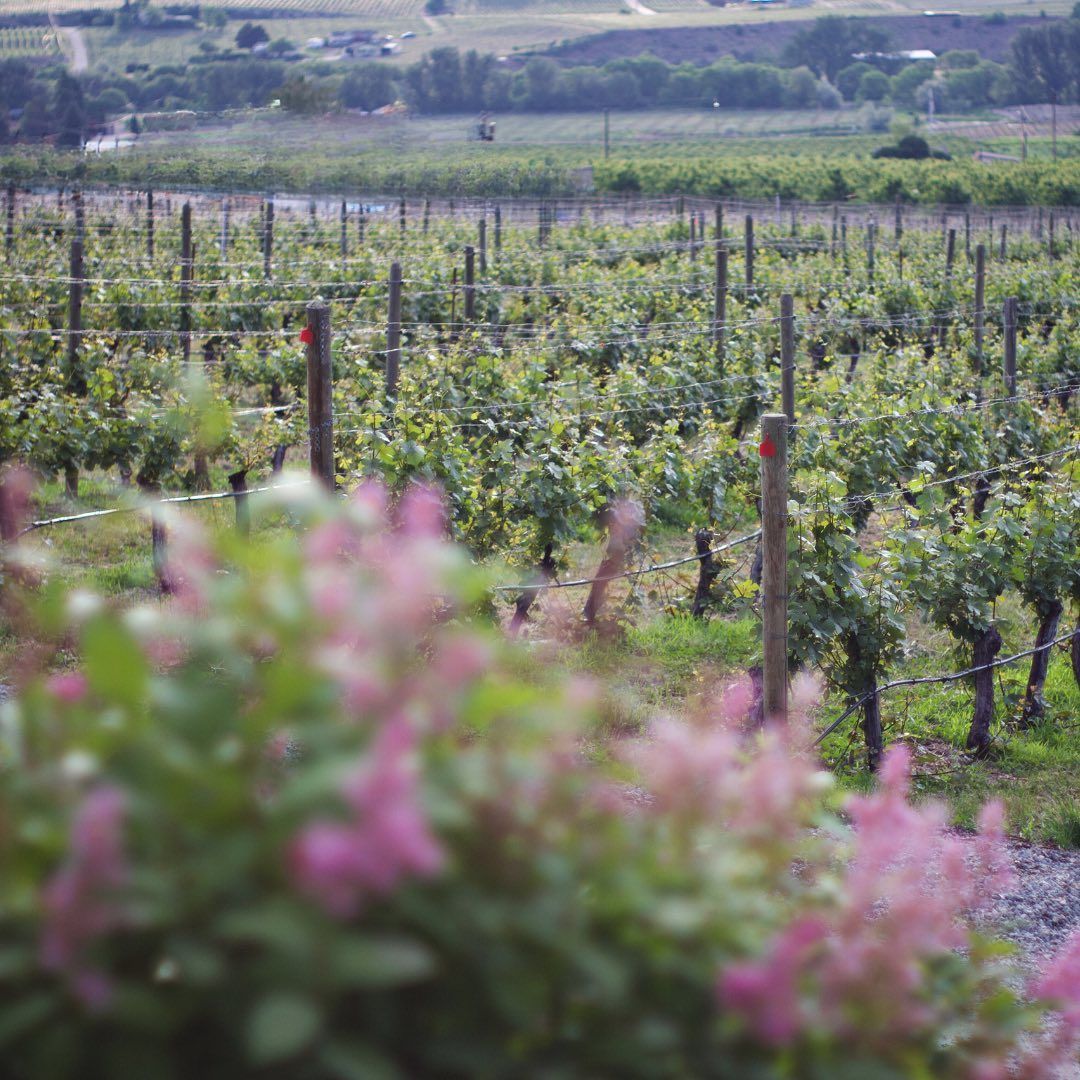
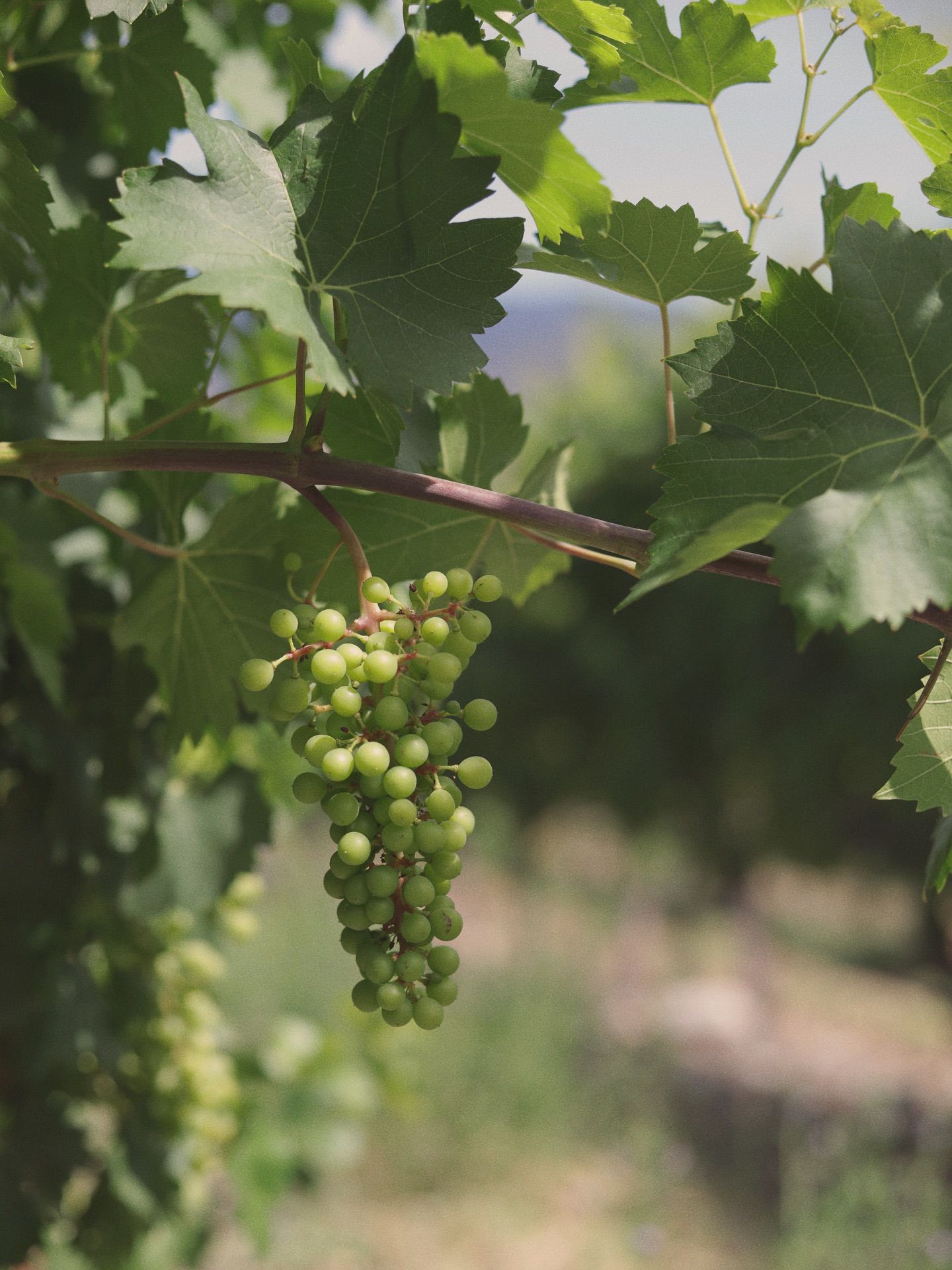
South Rock is the heart of Rust, a historic 12-acre estate at the southern tip of the Golden Mile Bench. Its gentle east-facing slope catches the cooler morning sun while mountain shade protects it from the hardest afternoon heat, giving wines that are generous without feeling cooked. This is where old Gewürztraminer, Merlot, Cabernet Sauvignon, Zinfandel, and new climate-minded plantings all meet, and where Ryan seems especially interested in the future as much as the past.
LOST HORN VINEYARD • Okanagan Falls
Lost Horn, in Okanagan Falls, is South Rock’s stonier, more linear counterpart. Ancient glaciers left behind gravel, fractured rock, glacial till, loam, and enormous boulders, and the wines carry that terrain clearly. Chardonnay is taut and textured rather than fruit-cuppy, Merlot gains structure without becoming roasted, and Syrah trades breadth for line, freshness, and mineral tension.
THREE MOUNTAIN VINEYARD • West Kelowna
Three Mountain Vineyard, above Okanagan Lake in West Kelowna, is the cooler, more delicate voice, a southeast-facing Pinot Noir site shaped by lake influence, long northern daylight, volcanic rock, clay, loam, and iron-rich soils. The wines are not plush or showy; they are crunchy, mineral, earthy, and beautifully articulate.
What excites me about Rust is not simply that the wines are good, though they very much are. It is that Ryan is not trying to make Canada’s version of Napa, Burgundy, or the Northern Rhône. He is trying to make the clearest possible version of these particular British Columbia vineyards, with enough humility to listen and enough confidence not to polish away the interesting parts.
To begin, we have selected seven wines from the estate for Alberta: Chardonnay, Pinot Noir, two vineyard-designate Syrahs, Merlot, Cabernet Sauvignon, and Solus*. Together, they offer a first glimpse into one of Canada’s most thoughtful wine projects, and we are very happy we get to be part of the story.
*
Solus Ryan needed a flagship wine, but he had no interest in making yet another Bordeaux blend. Instead, he begins with Gewürztraminer from the oldest vines, letting it ferment whole cluster before gradually adding Merlot, Cabernet Sauvignon, and Zinfandel as each reaches ripeness. It is less a blend than a rolling co-ferment, one vineyard stitched together through several harvest dates, and it somehow manages to feel both deeply serious and completely original.
Wines by this Producer
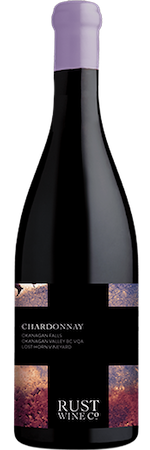
2023 Lost Horn Vineyard Chardonnay
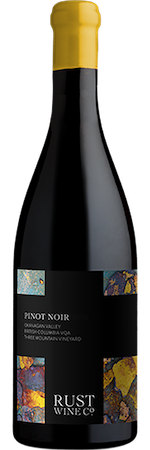
2023 Three Mountain Vineyard Pinot Noir
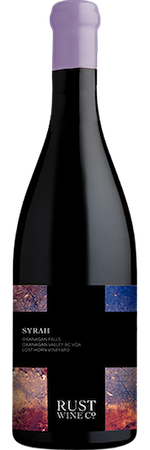
2022 Lost Horn Vineyard Syrah
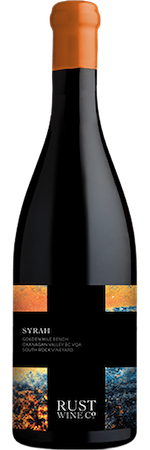
2022 South Rock Vineyard Syrah
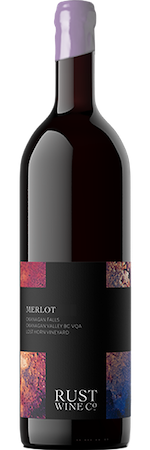
2023 Lost Horn Vineyard Merlot
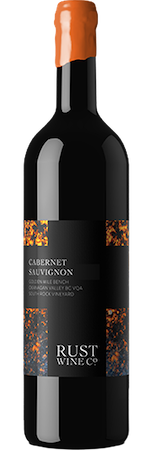
2023 South Rock Vineyard Cabernet Sauvignon
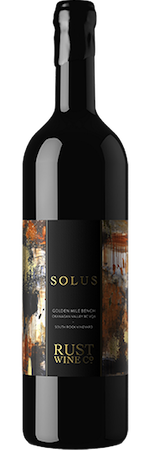
2020 Solus Red, South Rock Vineyard
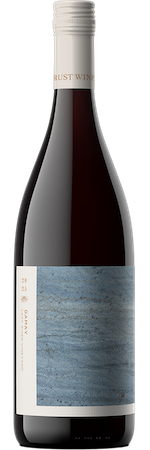
2025 Lazy River Vineyard Gamay