
Damijan Podversic
Collio, Friuli-Venezia Giulia, Italy
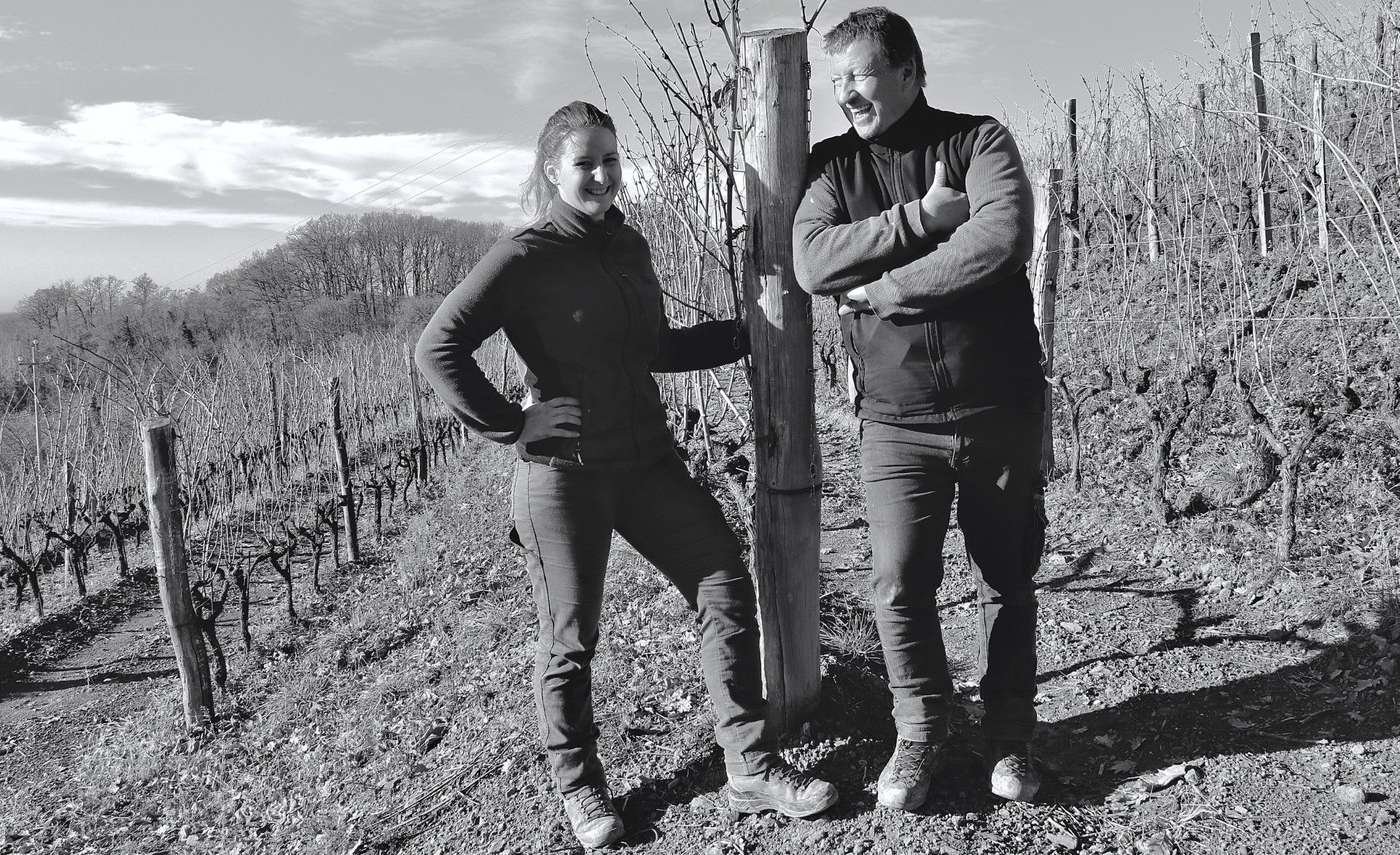
Damijan Podversic comes from the extraordinary hills of Collio, along the Slovenian border, where some of Italy's most interesting white wines are being made. This is a region with quite the history, having endured two world wars, shifting borders, and the Cold War, all while generations of families continued tending their vines. The Podversics have been farming here for four generations, with Damijan's father opening an osteria to sell the family's wines when agriculture alone could scarcely pay the bills. Damijan later became a student of the legendary Joško Gravner, one of the great figures behind the revival of skin-macerated white wines, before developing his own approach to this remarkable terroir.
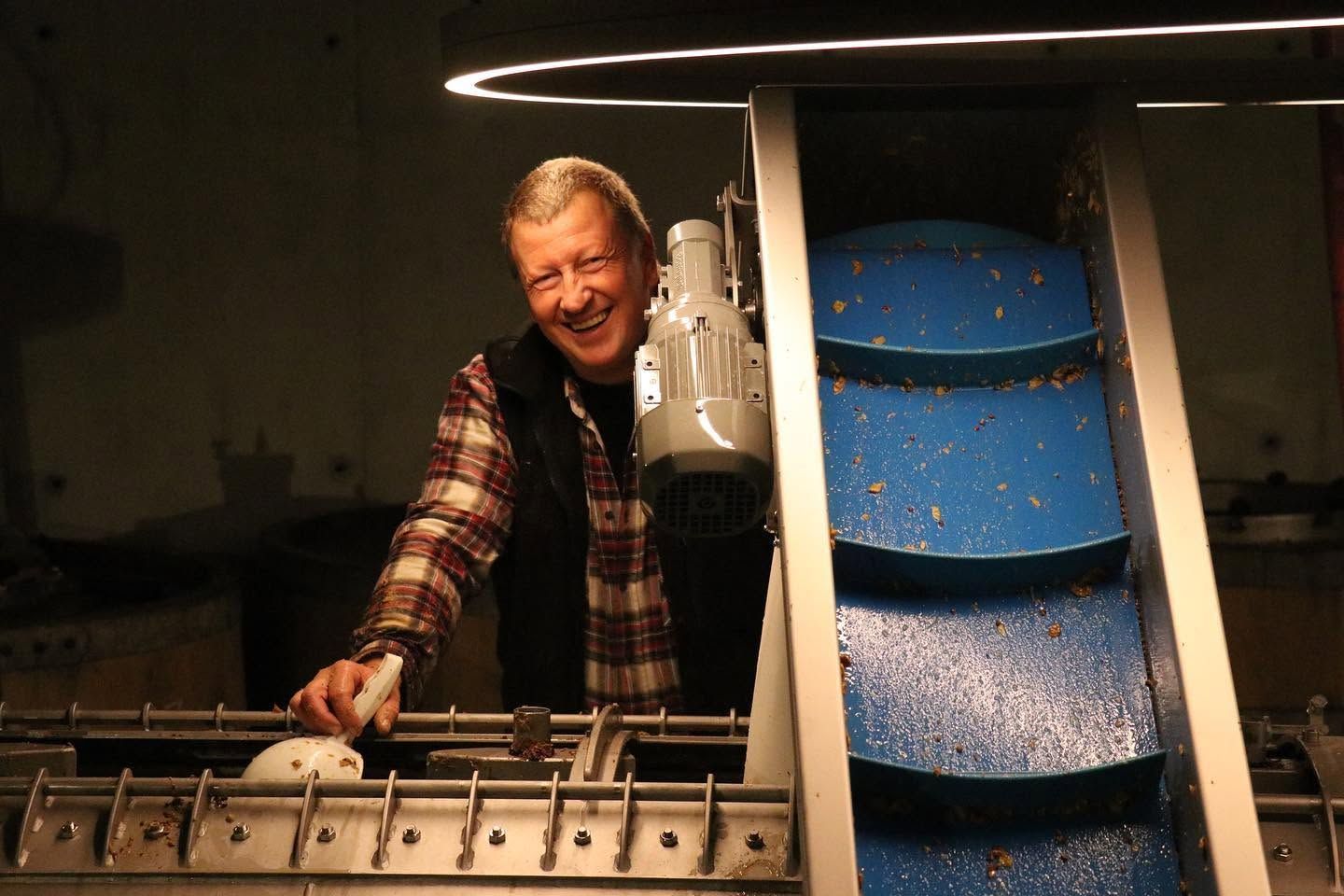
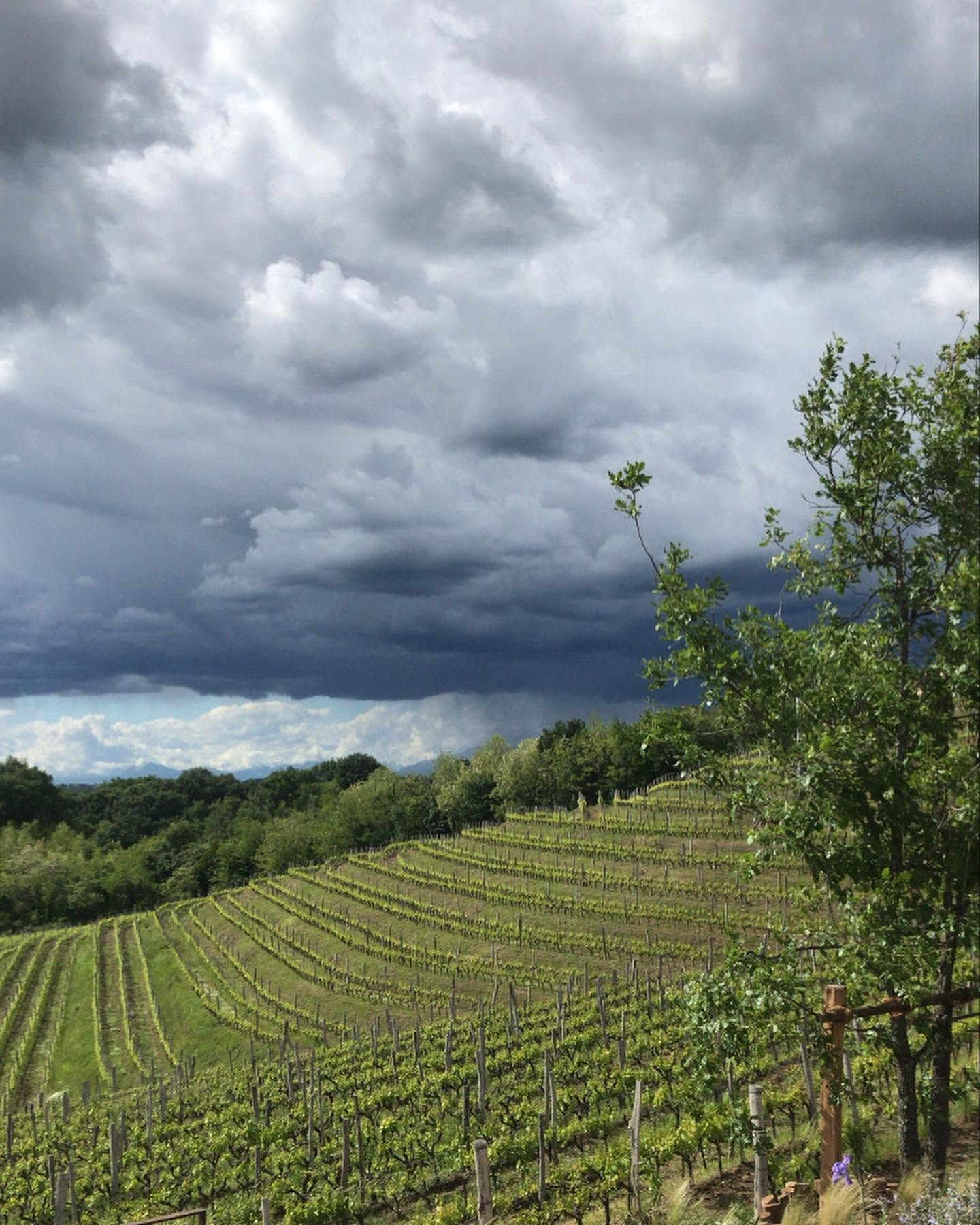
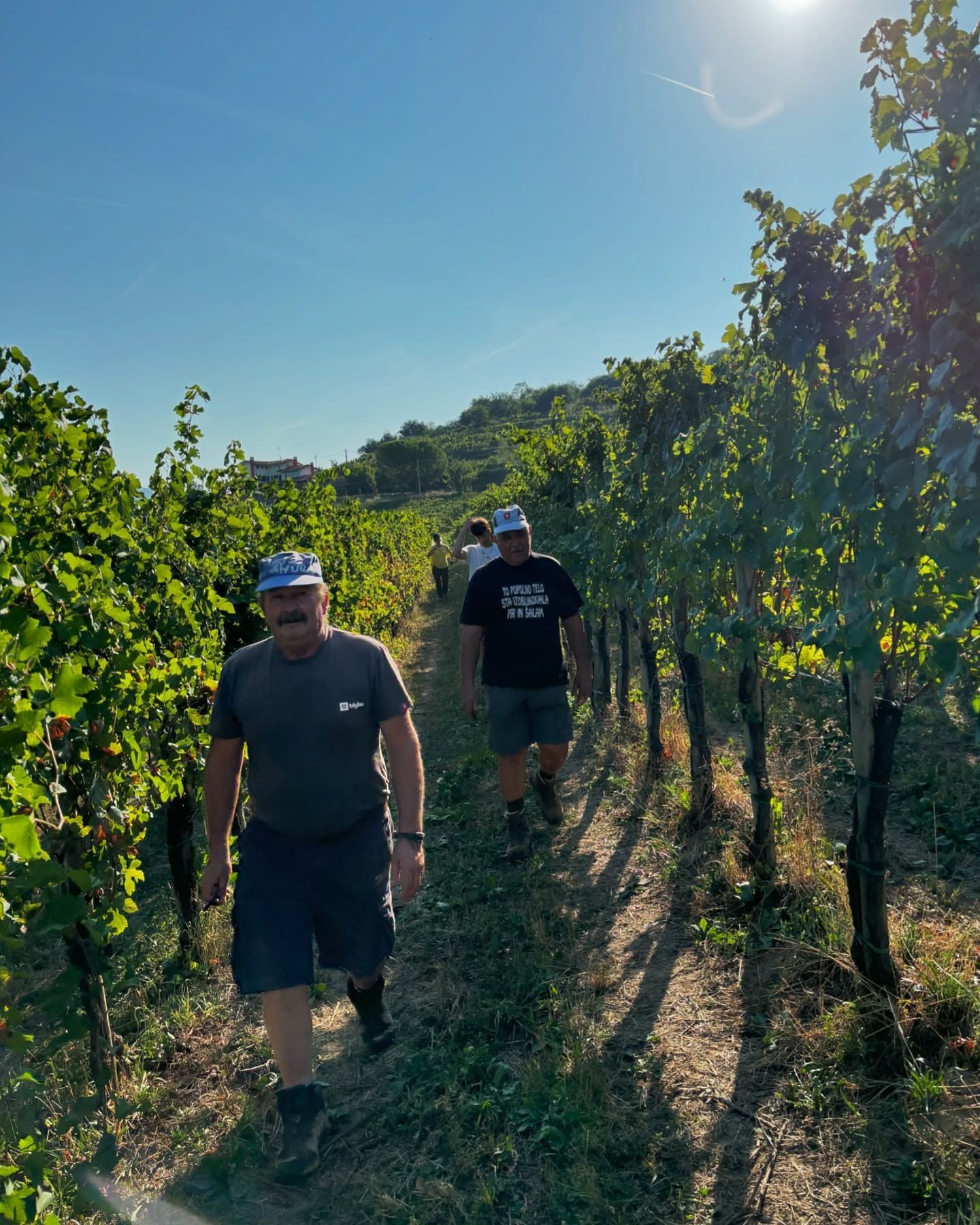
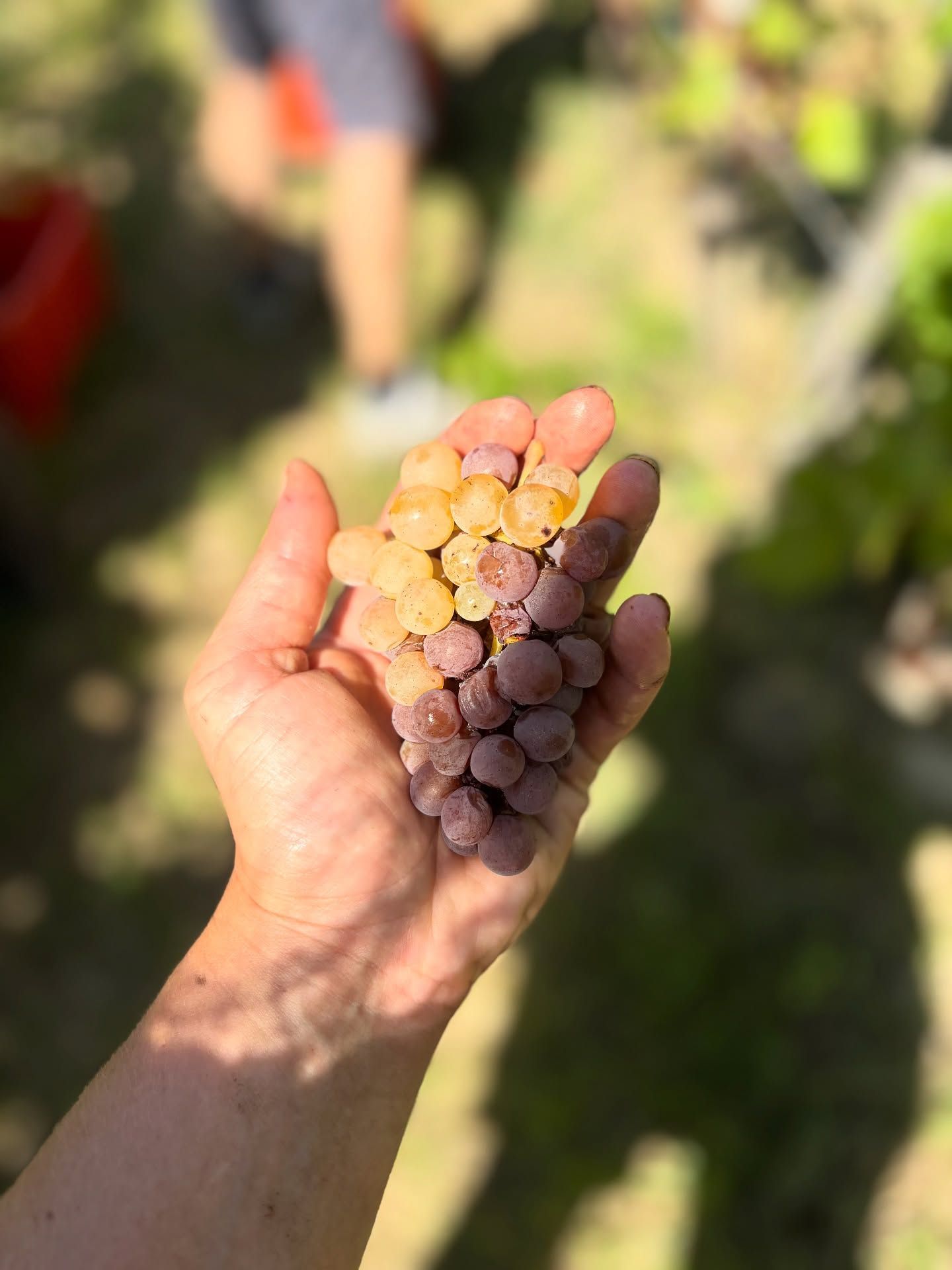
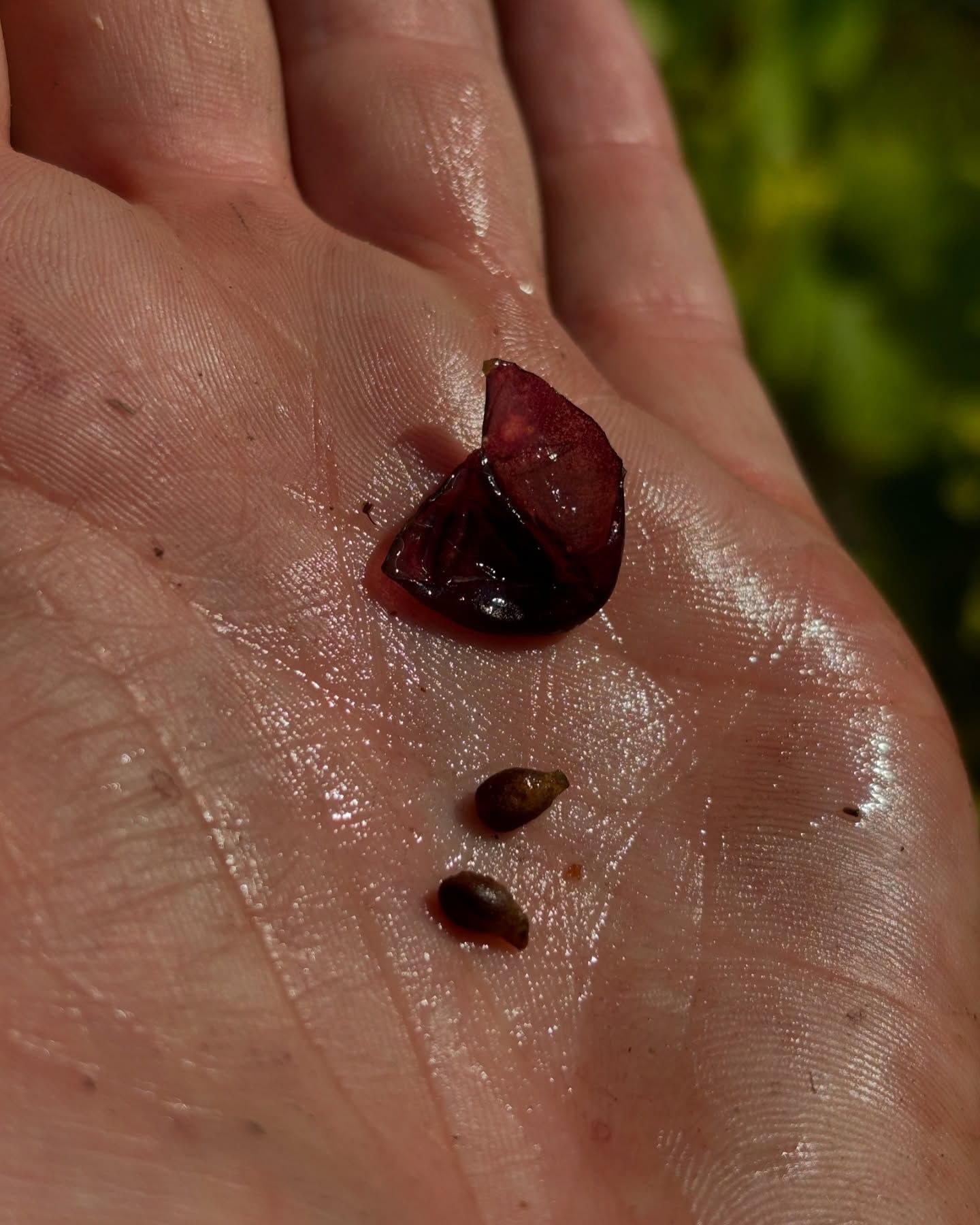
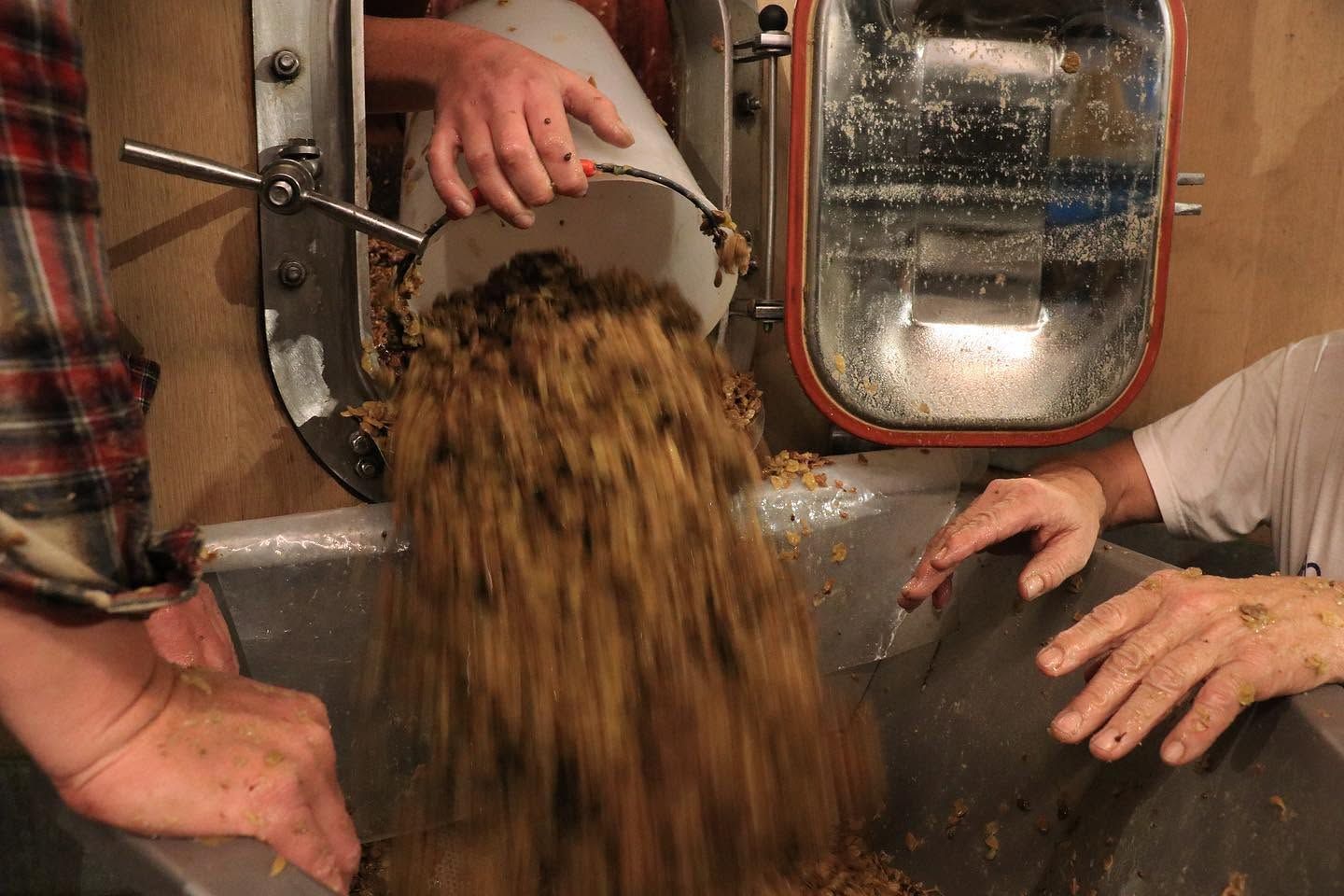
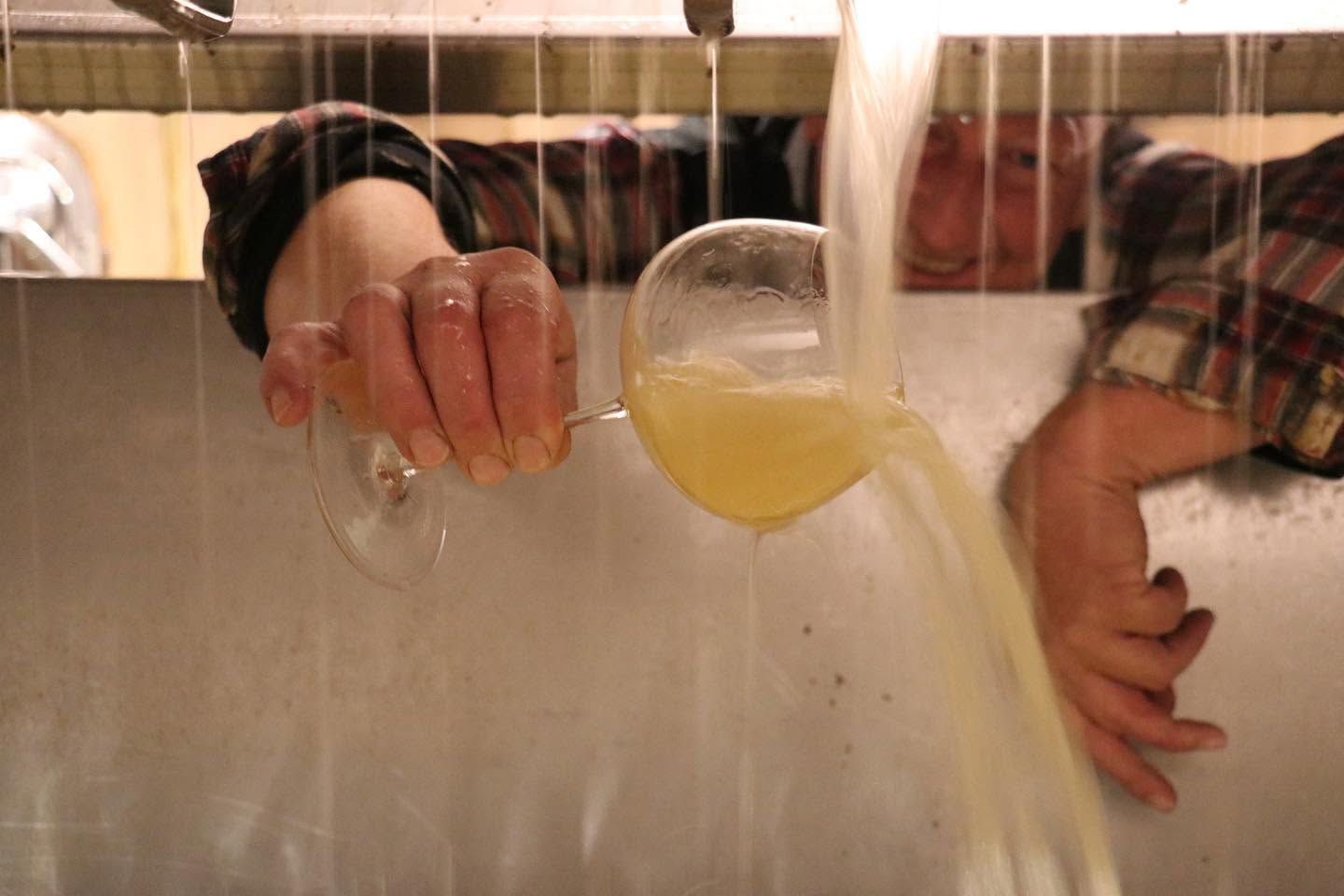
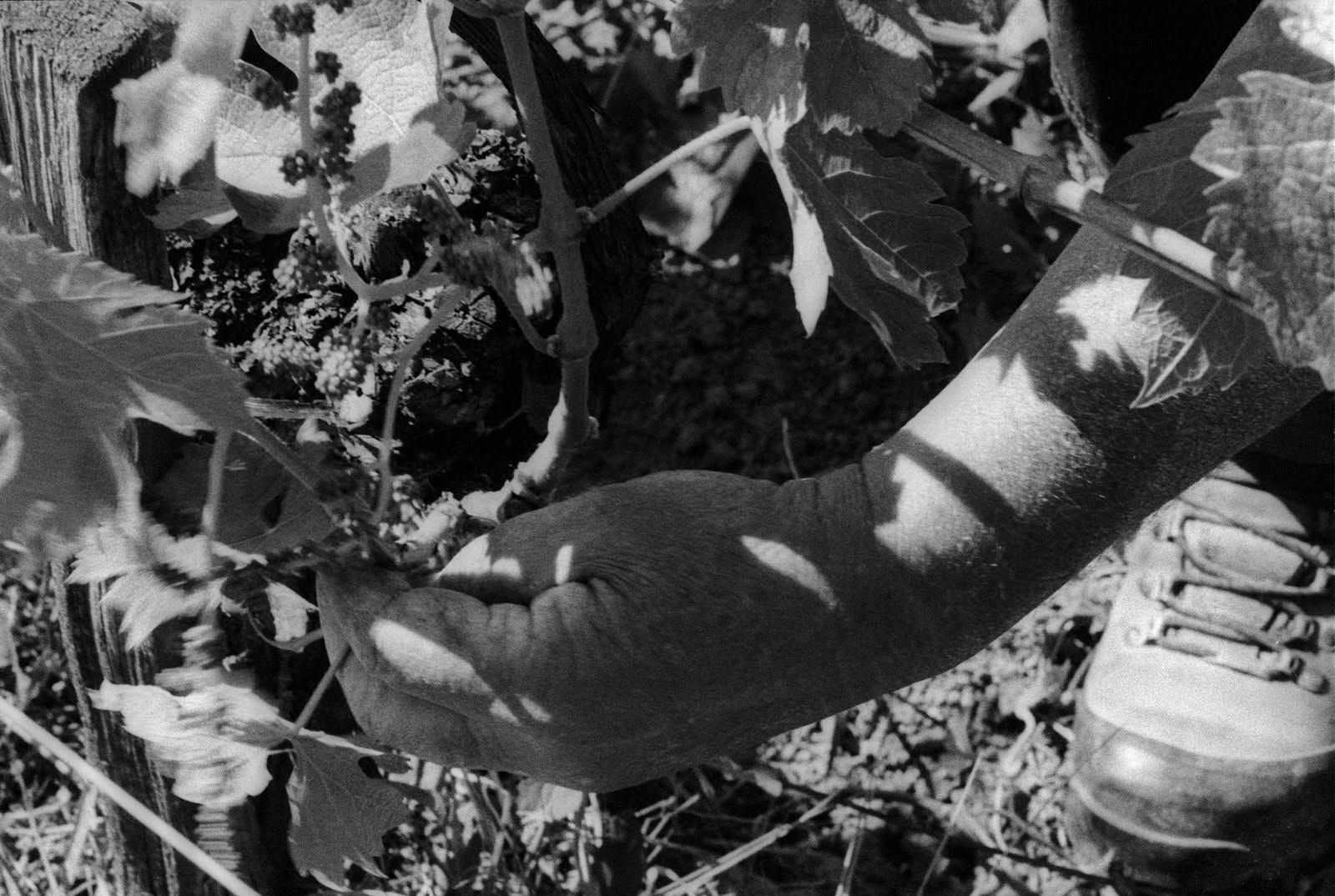
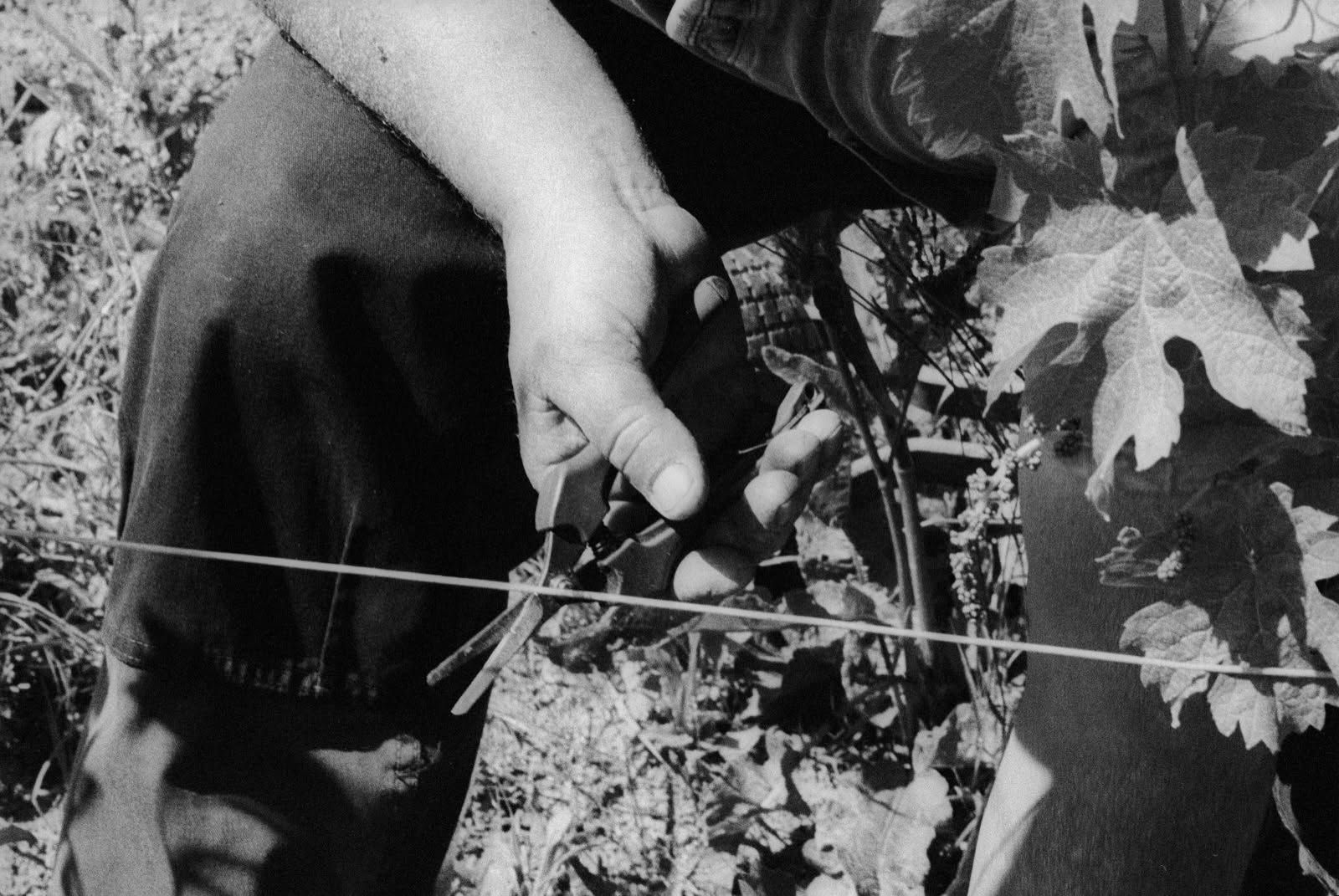
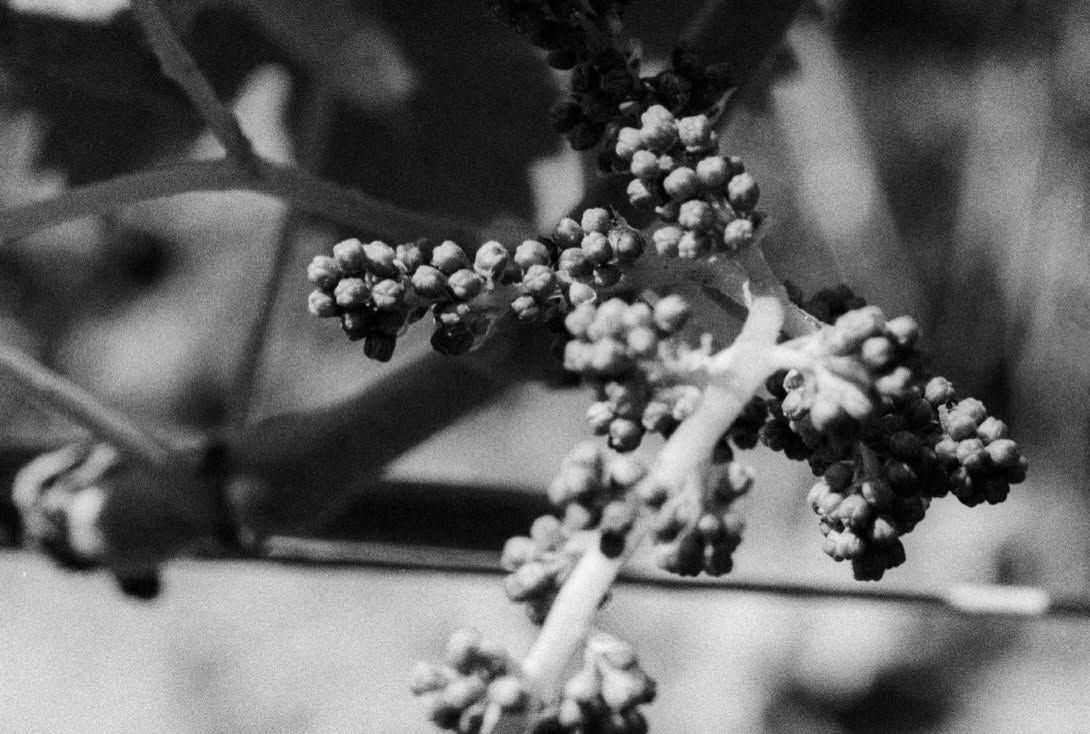
Today, the family farms 15 hectares across four vineyard sites, particularly around Monte Calvario, where Collio's distinctive marl and sandstone soils are beautifully suited to Ribolla Gialla, Friulano, and Malvasia Istriana. Their farming follows biodynamic principles, but it's their almost obsessive attention to seed maturity that really caught my interest. Harvest isn't decided by sugar levels alone. They walk the vineyards, tasting the grapes and their pips, watching for the moment the seeds have reached full maturity, sometimes even picking the same parcel twice. All that attention in the vineyard carries into the cellar, where long skin macerations are followed by three years in large oak barrels and another year in bottle. Skin-contact whites are hardly unusual these days, but there's a big difference between making an orange wine and making a wine where every decision, from the ripeness of the seeds to the length of élevage, serves the fruit. As Damijan puts it, Wine is the mirror of the vineyard.
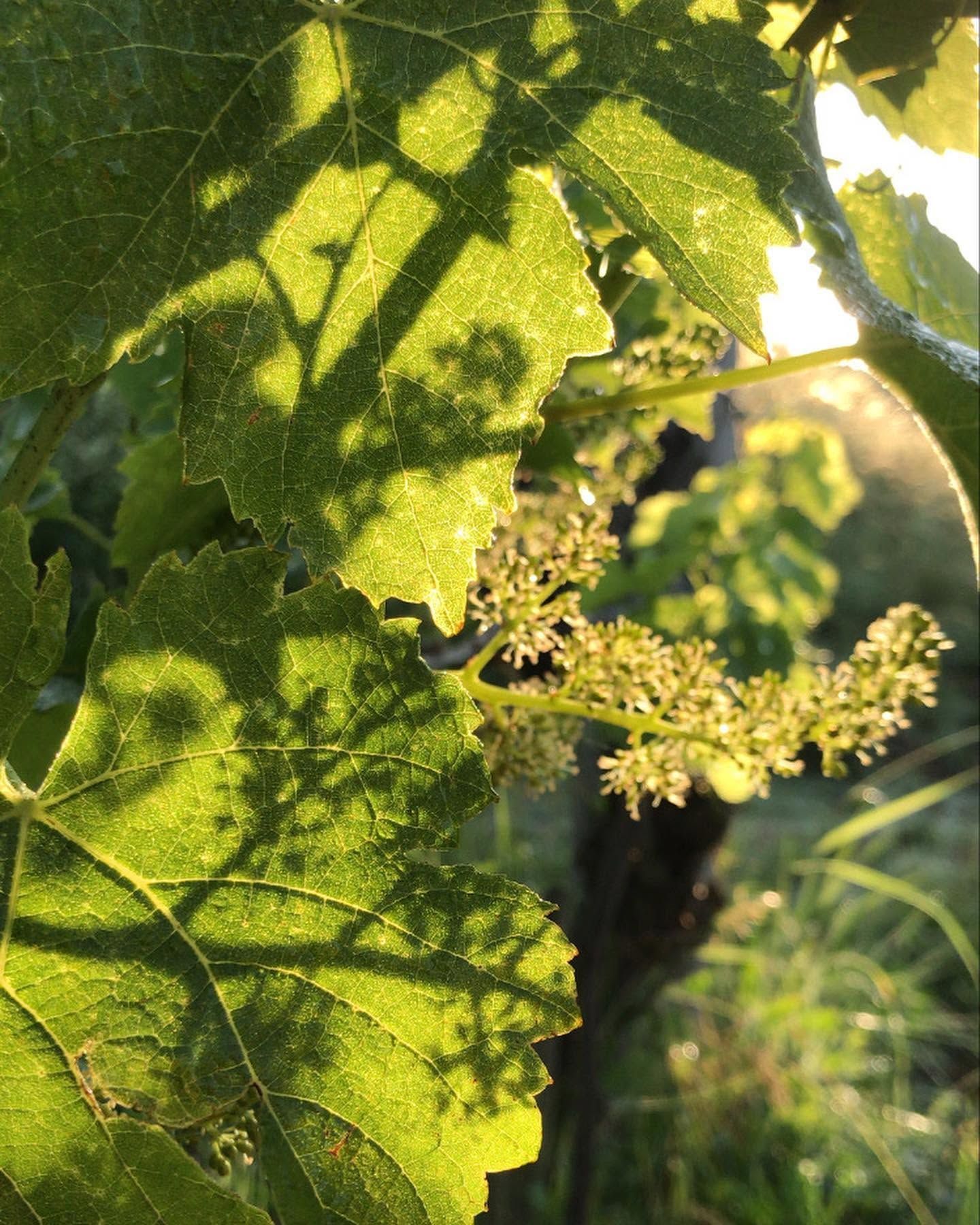
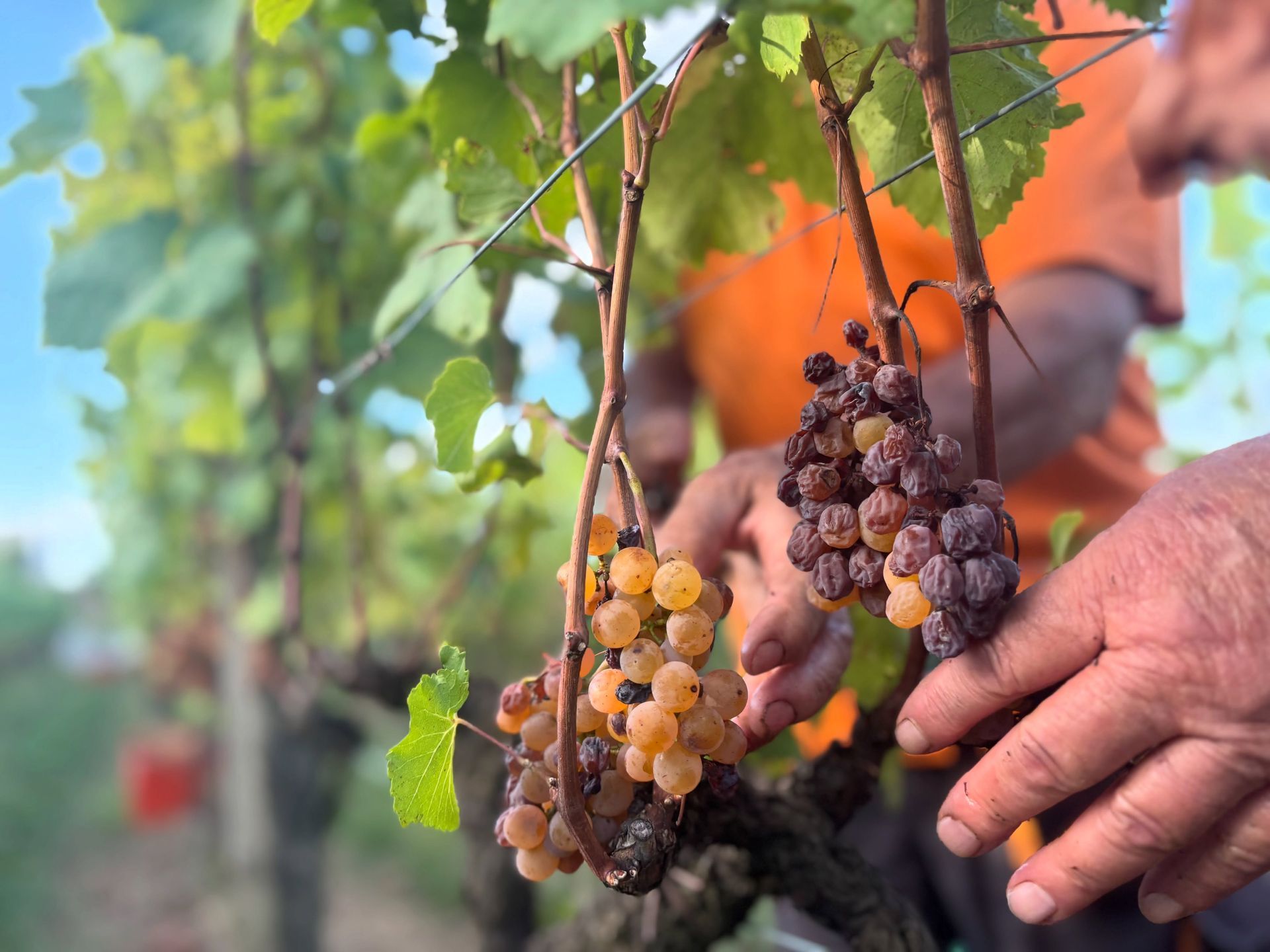
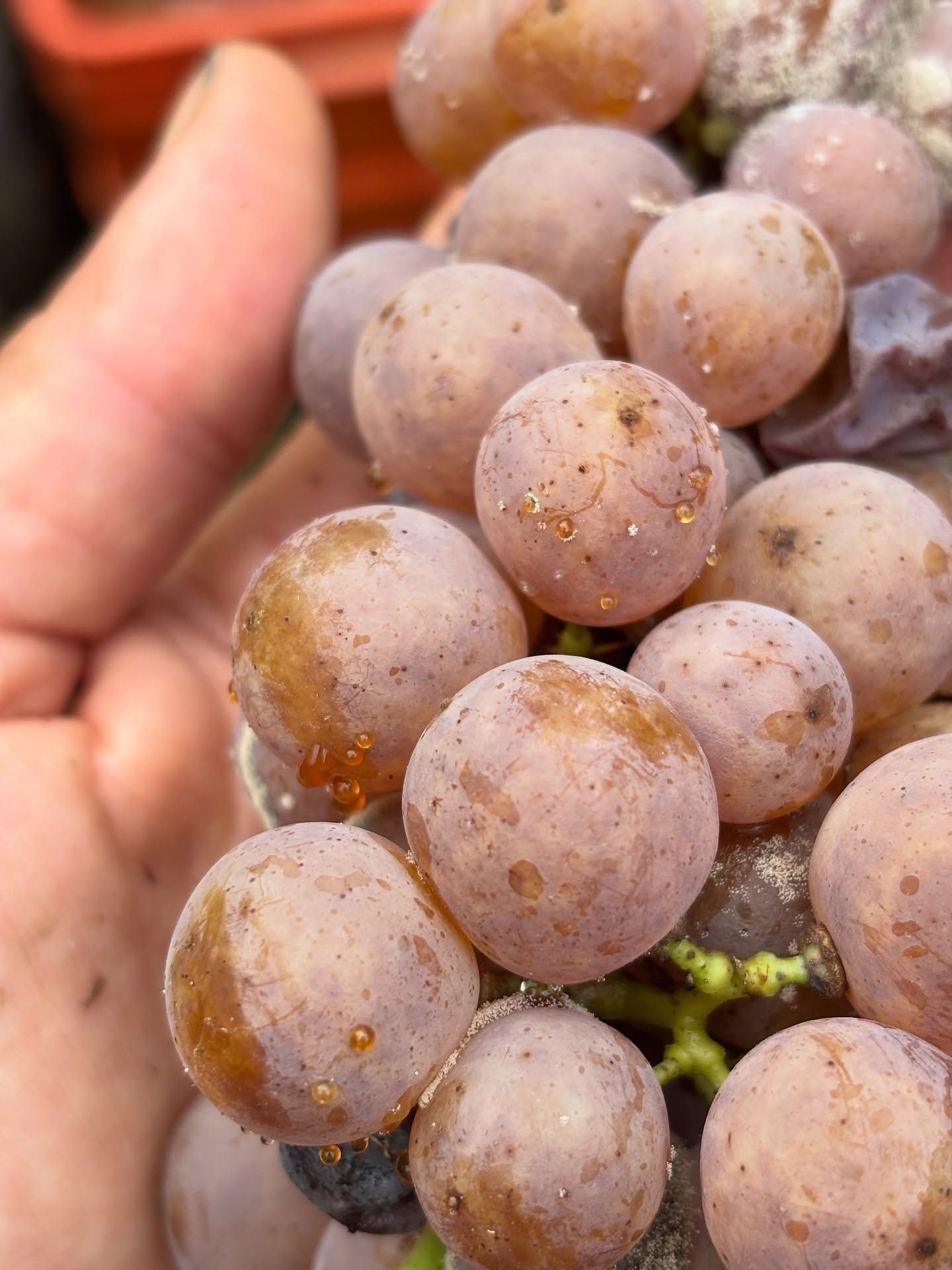
I got a little carried away digging into the Podversic family story, and came across a lovely interview with Damijan's daughter, Tamara, talking about the 2022 vintage, which just so happens to make up most of our offering. It was a particularly demanding year, with intense heat and drought keeping them busy from spring right through harvest, yet Tamara remarked that she hadn't seen their vineyards looking so beautiful in years. She credits Collio's marl and sandstone soils, together with careful vineyard management, for allowing the vines to withstand the heat without irrigation. Even when growth temporarily slowed, the vines held onto their leaves and completed ripening. There was also a significant presence of noble botrytis, with Tamara anticipating concentrated Pinot Grigio, beautifully perfumed Friulano, and Malvasia showing its characteristic peppery notes. When asked what music best described the vintage, with all the improvisation it demanded, she chose Snarky Puppy, the jazz-fusion band. Ha! Not your usual vintage report, but a pretty good way to describe a harvest that refused to follow the script.
Now, after thirty harvests, Damijan is preparing to hand the estate to Tamara, the fourth generation and the only one of his three children to follow him into wine. She studied management engineering and gained winemaking experience in Burgundy before returning home, and Damijan says he sees in her the same ambitions he had at her age. And when asked whether inheriting an established winery makes the job any easier, she replied, The ground is always low, whether you own it or not. In other words, inheriting a famous winery doesn't make the vineyard work any easier. The vines still need tending, and the earth doesn't care whose name is on the bottle.
That's the kind of answer that tells you a lot about the person taking the reins. Damijan has spent thirty harvests building the estate into what it is today, and Tamara brings her own experience from Burgundy, a great deal of respect for her father's work, and a clear understanding that there's still plenty to learn from these vineyards. We're keen to see how her own hand begins to show in the wines. There's plenty to look forward to.